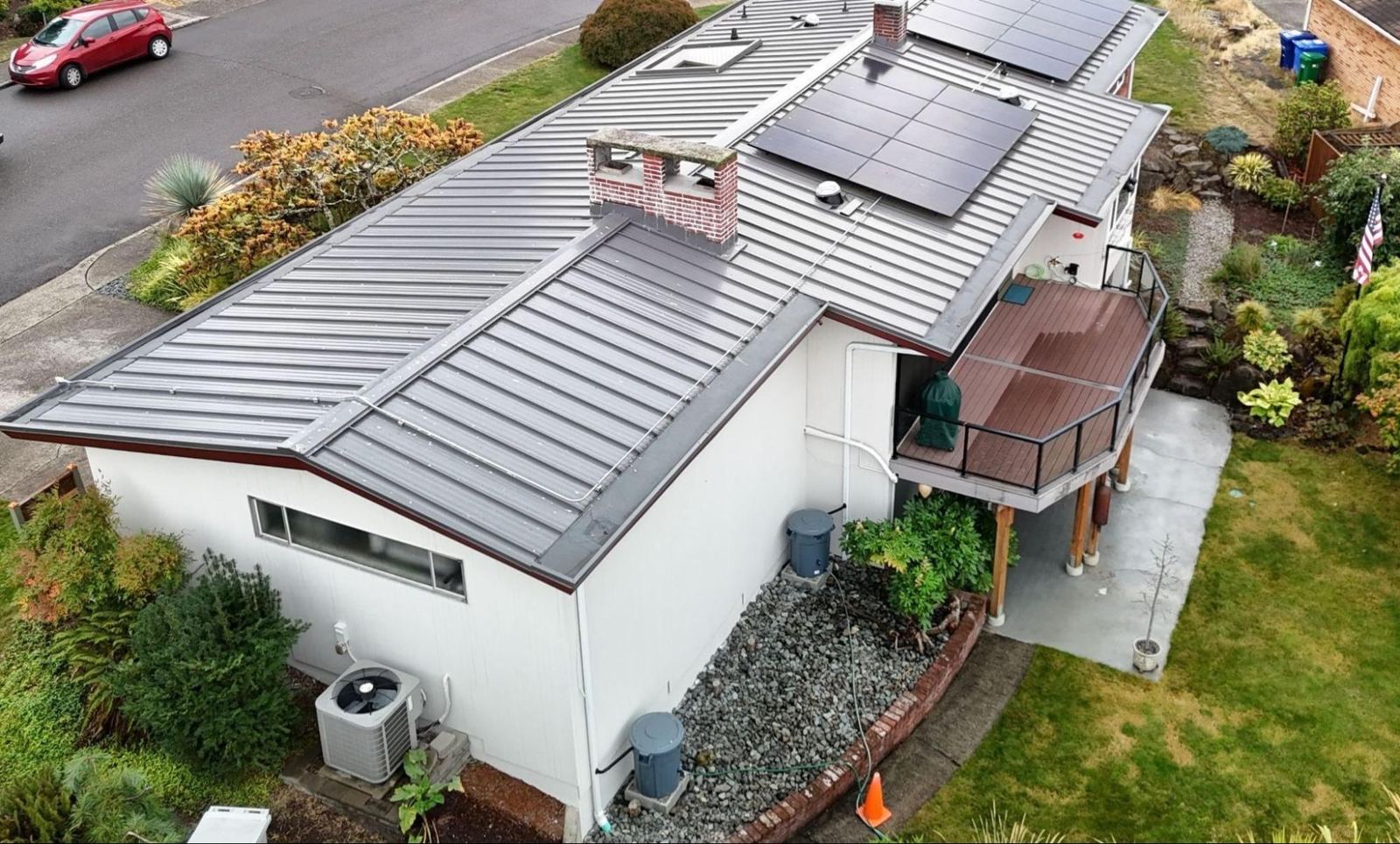
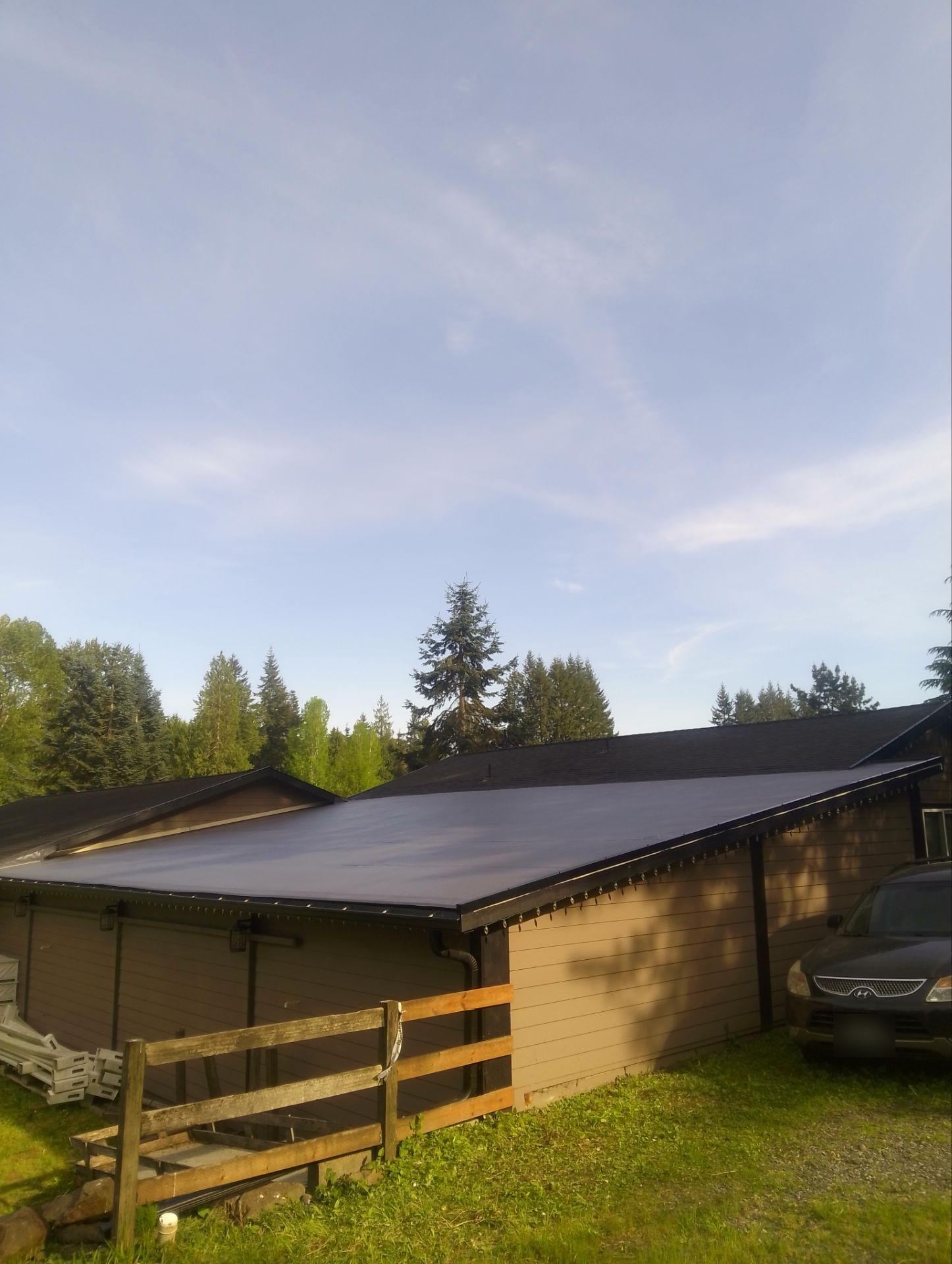
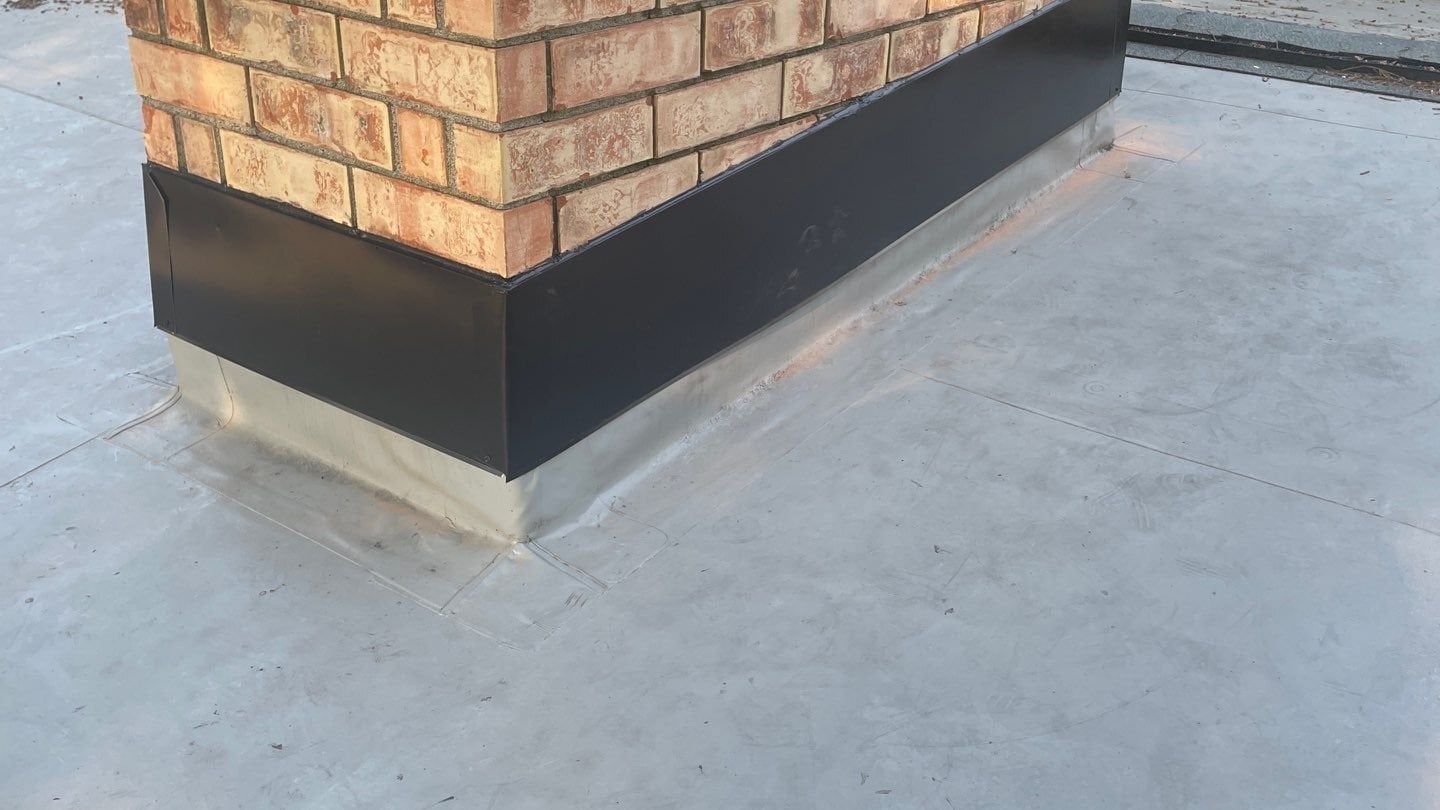
A finished flat roof with a raised three-panel skylight and metal-capped parapet walls, seen from above.
We've installed hundreds of flat roofs
Versatile and Highly Customizable
PVC, TPO, torchdown and Duradek
Why choose roofsmart
Why hire RoofSmart for your flat roof?
When you choose RoofSmart, you’re not just hiring roofers. You’re gaining a team dedicated to protecting your home or business.
Our roofing nerds love what they do. They aren’t just knowledgeable. They’re obsessed with delivering excellence.
We build for quality and durability, so your roof stands strong for years to come.
With RoofSmart, you get a top-quality roof and a home that stays dry.
SmartMatch Needs Analysis
We pair you with the best roof for you based on your needs, preferences, and budget.
Superior Workmanship Warranty Coverage
TripleGuard™ covers eligible roofs with lifetime workmanship and lifetime material coverage, plus a promise the work meets code. We’ve got your back.
Meticulous Attention to Detail
As self-proclaimed roof nerds, we always obsess over every detail of the roofing process to make sure that your roof is perfect.
Hear from our satisfied Customers!
"Working with RoofSmart was the best contractor experience I've had in 55 years of home ownership. RoofSmart is the most professional contractor imaginable."
John Z.
Meticulous, Passionate, and Always in Your Best Interest
How do we install a flat roof?
At RoofSmart, we understand your concerns. Our mission is to make your roof the last thing you worry about.
We’re Meticulous Roofing Nerds, meaning we combine our deep passion for roofing with a laser focus on every detail.
We study materials, master techniques, and execute every project with precision.
We know what keeps flat and low-slope roofs performing at their best, from material selection to installation methods.
Our expertise allows us to customize these flat roof materials to meet your roof’s needs and keep water where it belongs: outside.
"Jim with Roof Smart made it a seamless, stress-free experience. He communicated with insurance on our behalf and was always prompt with addressing our questions or concerns. Their team did a beautiful job from start to finish and we love our new roof. Highly recommend Roof Smart!"
Laura K.
Get the roof you want without the hassle
Your 3-Step Roof Process
Our roofing process is all about YOU. You tell us what kind of roof you want and then we make it happen.
Reach out to us today to schedule a free SmartMatch Needs Analysis and meet with your very own meticulous roofing nerd.
Your roof, your way
Now it’s time for your roof work to begin!
The best part? You got to choose everything based on your needs, your preferences, and your budget.
Nailed it!
Congrats! You now have the roof of your dreams.
Most importantly, your roof is now working at its best.
FAQs
Here are some of the most frequently asked questions about flat and shallow-slope roofs.
How do I know if my flat roof needs to be replaced?
Signs of a failing flat roof include persistent leaks, visible water pooling, cracking, or blistering of the roofing material, especially after heavy Seattle rains.
What is the best roofing material for flat roofs in Seattle’s rainy climate?
We install PVC, TPO, torchdown and Duradek. Which one fits depends on your roof, so we recommend one after a free SmartMatch Needs Analysis. Compare them in 4 types of flat roofs.
Are flat and low-slope roofs prone to leaks in rainy climates like Seattle?
Flat and low-slope roofs can be more susceptible to leaks if not properly installed or maintained, but a high-quality material like PVC provides excellent water resistance when paired with professional installation.
Can I put shingles on a 2:12 roof?
Code allows it in most areas, but we don't. 2:12 is too low for us, and we need at least 3:12 for shingles. Below that, we recommend standing seam metal or a membrane.
Is 3:12 a low slope?
Yes. NRCA defines low slope as 3:12 or less, so a 3:12 roof counts. It's also the lowest pitch where we'll install shingles, and standing seam metal is our recommendation from 2:12 to 4:12.
What is the minimum slope for a flat roof membrane?
For a new roof, the code minimums are in the table above. On a reroof, code allows less slope if the roof still drains (2021 IRC R908.1). Either way, we want water moving to the drains, not sitting on the membrane.
Can a metal roof go on a low slope, like a porch roof?
Yes. Standing seam metal is one of only two systems we use under 2:12, and it's our pick from 2:12 to 4:12. Lapped metal panels need more pitch, as the table above shows.
Why does my low-slope roof leak only in winter?
Most of Seattle's rain falls from fall through spring, so a low-slope roof stays wet for weeks at a time.
Your resource for all roofing questions
Learning Center
Want to learn more about your specific roofing questions and needs? Check out our learning center.
Here are a few helpful articles to get you started.