
What Do I Need to Know About Roofing in Winter?

Need your roof replaced during Seattle's rainy winter, but not sure if that's even possible? Well, we're here to tell you that you can absolutely still repair and replace your roof during the cold, rainy months.

This page gives you an overview of RoofSmart's winter roofing process, the potential risks of roofing in the cold, and the risks of waiting too long. Keep reading to get answers to all of your winter-related roofing questions.
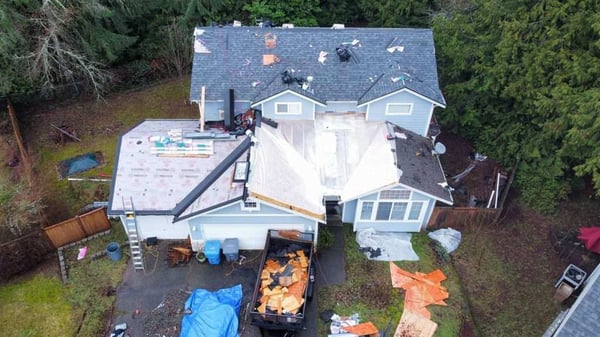
Can You Really Replace Your Roof During Seattle’s Rainy Season?

If you have an urgent leak or a roof that's in desperate need of replacing, you're in luck. There is a way for roofers to safely and effectively repair or replace your roof during the cold, rainy winter months in the Seattle area.

Now, it is true that roofing cannot happen during heavy downpours because it's unsafe for the roofers (and your roof!). But when the rain is just sprinkling, roofers can continue working. Seattle's constantly changing weather might cause delays while we wait out the heavy downpours, but your roof work can still happen. 

Here's how roofers protect your roof from rain and moisture during a winter replacement: 

1. Tear off the old roof section by section

2. Immediately put down new underlayment after tearing off a section
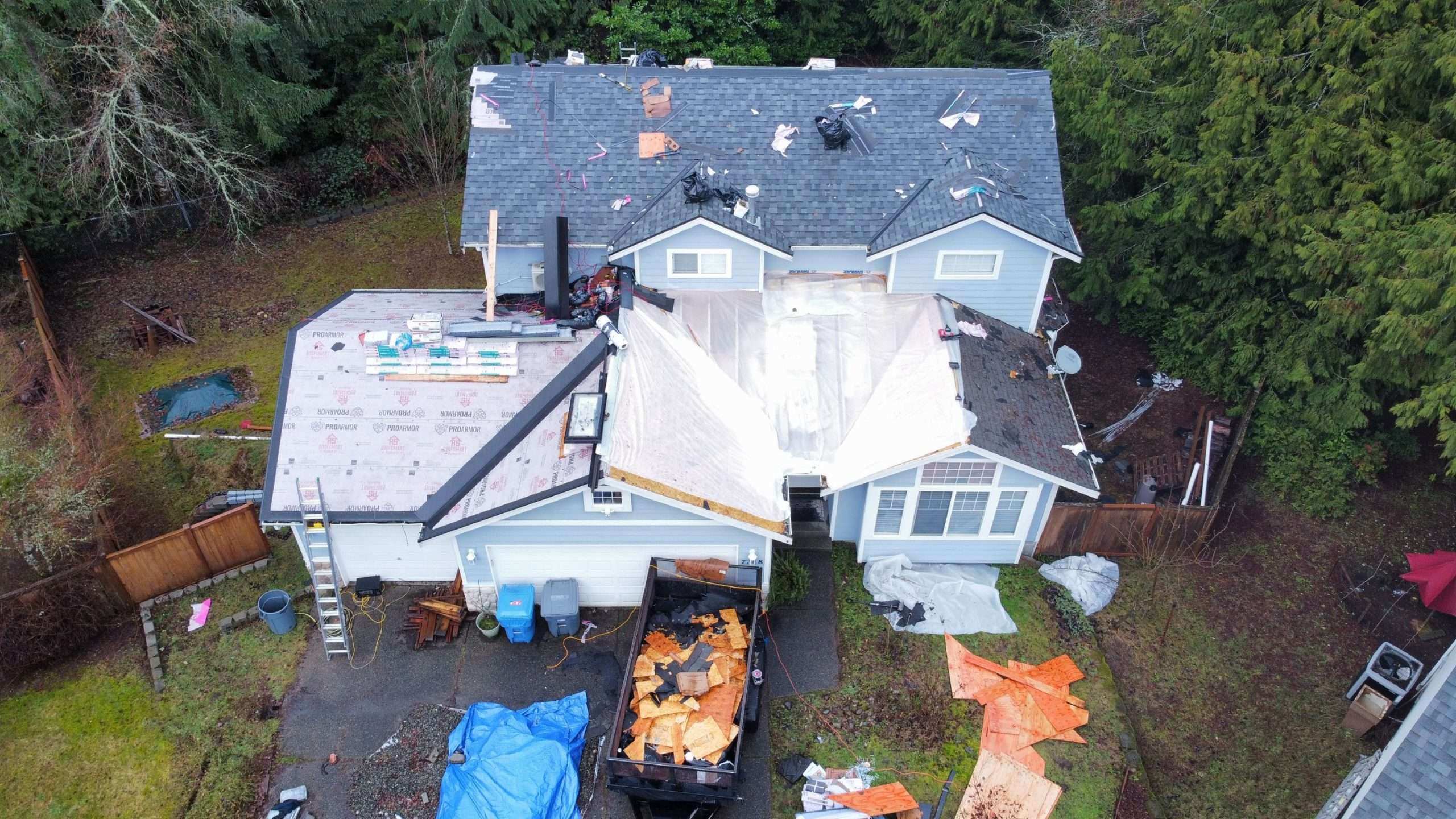
3. Constantly monitoring the weather so they can stop if it starts raining too hard

This method keeps your roof safe from getting wet. The underlayment protects your wooden roof decking from absorbing water and rotting. And even if the underlayment is damp, shingles can still be installed. 

Note: This method does not work for flat roofs. To protect a flat roof from the rain, your roofer will need to build a tent around the roof. It provides good protection, but adds extra time and money to your roof project

How Long Does it Take for Asphalt Shingles to Seal in Seattle?

A big concern that many homeowners have when considering roofing during the colder months is that their asphalt shingles won't seal properly. 

At RoofSmart, we've noticed that shingles usually seal after a week in the cold winter months. Sometimes it does take a few weeks. We've been installing shingles all year for 15 years and have never had any issues with sealing. 

The sealing process depends on two factors: 

  • The quality of the shingle

  • How sunny it is

Thinner, lower-quality shingles will take longer to seal than higher-quality shingles. Having sunny days helps shingles seal faster, but they can still seal even if it's cold and cloudy. 

What Are the Risks of Installing Asphalt Shingles in Cold Weather?

Most people hesitate to have shingles installed in the winter because of the cold, rainy weather. You can absolutely install shingles in the winter, but if you're using regular asphalt shingles, then you need to make sure that it's at least 40 degrees

If it's less than 40 degrees outside, then these are the possible issues that your asphalt shingle roof might face

  1. Getting too brittle and cracking when you pick them up

  2. Premature granule loss (will show up after a few months)

  3. Cracking in the valley or other places where shingles need to bend

Although it can get cold in Seattle during the winter months, we have pretty mild winters. This means there are usually opportunities for you to install shingles safely. 

Another solution is to choose a different type of shingle. For example, rubberized asphalt shingles are much more flexible and durable in cold weather than asphalt shingles. So if you choose those for your roof, then you can safely install them in colder temperatures. 

How Do Small Roof Leaks Cause Major Problems in Winter?

If your roof has a small leak, you might be tempted to wait until spring or summer to get it fixed. But waiting too long to fix even a small leak can have major consequences. 

Leaks are already hard to spot, so if you've noticed water stains on your ceiling, then that probably means the leak has been happening for a while. 

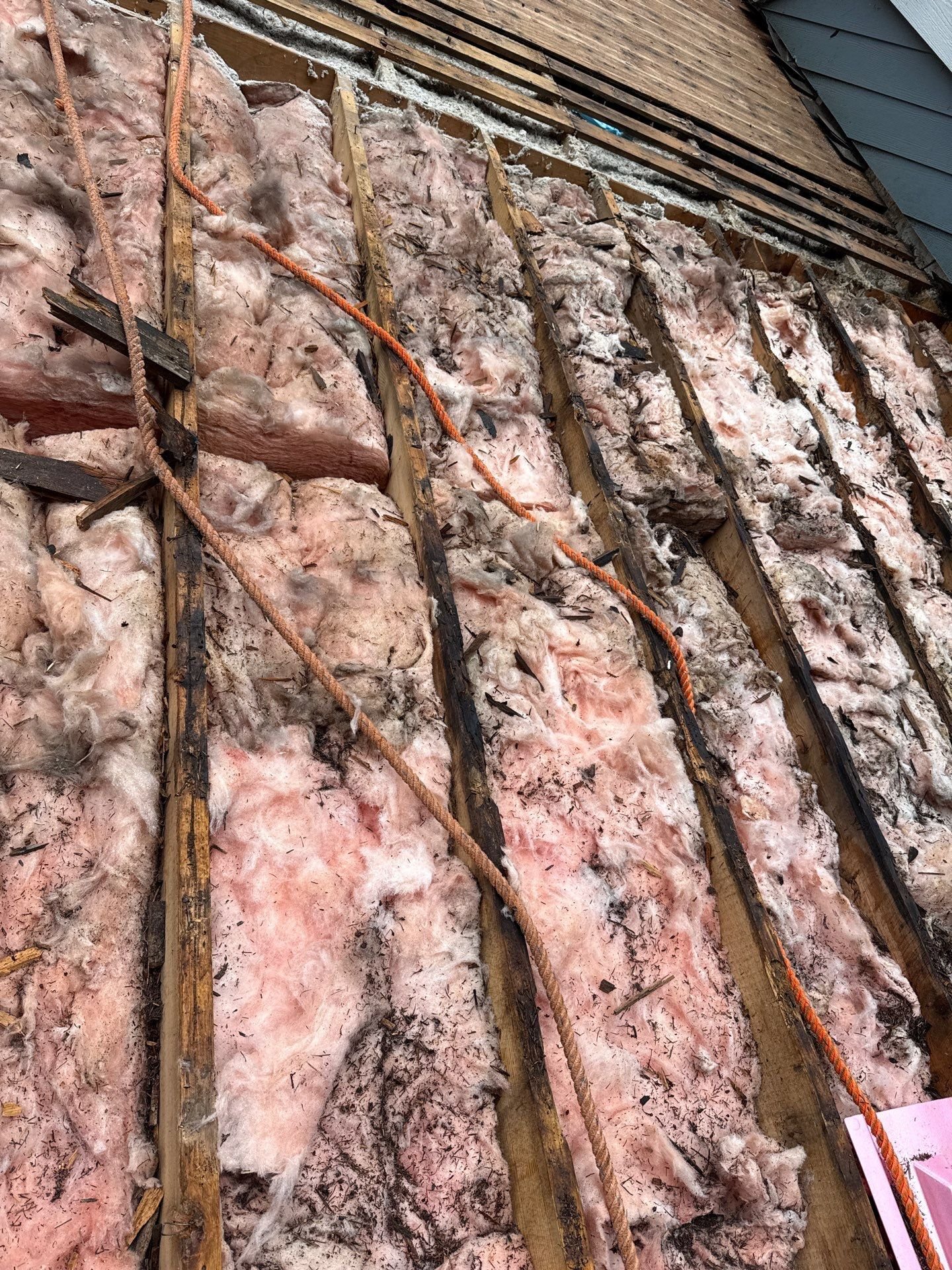
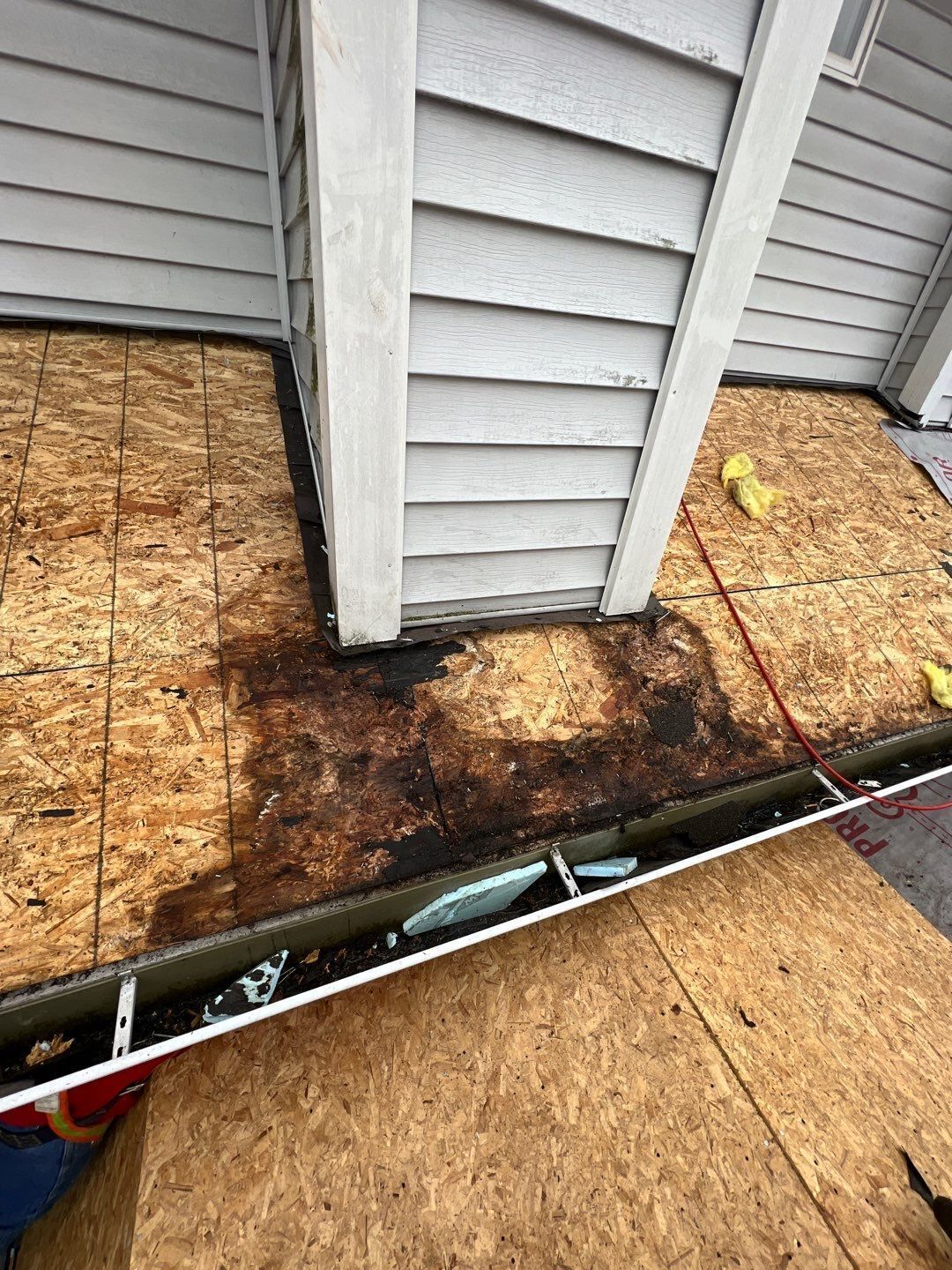
Waiting to fix a leak means that your roof is susceptible to these issues:

  • Mold

  • Rotting wood
  • Structural damage

On top of the cost to fix the leak and any original damage, you'll also be paying more in the spring or summer to fix extra damage. Depending on the severity of the leak, the damage can be quite expensive to fix. 

Signs That Your Roof Is Leaking During Seattle’s Rainy Season

Worried that your roof is leaking during the rainy winter months in Seattle? Knowing how and where to check for a leak can help ease your stress and help you to identify leaks before they become an even bigger problem. 

You can check for leaks

  • In your living spaces (walls and ceilings)

  • In your attic 
  • On your roof

To identify roof leaks, you need to know where to look and what to look for. Two things you’ll notice are water stains and dripping water. This section will go over the various places you should check for leaks, categorized by the three main areas where leaks appear.
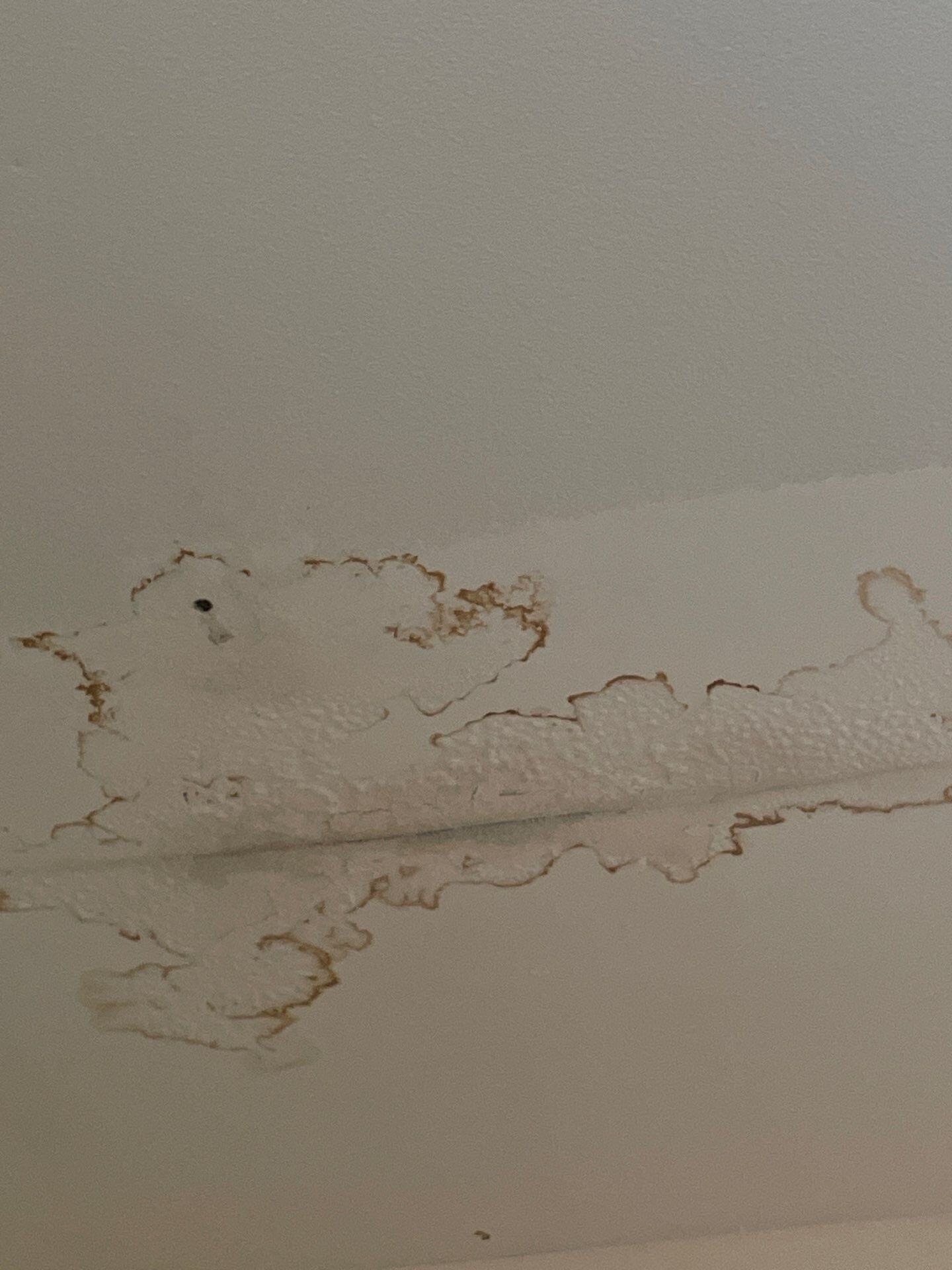
In your living spaces

  • Around your chimney: This is a very common leak point. Look for staining on the ceiling or any spots that are dripping.
  • Around bathroom vents: You’d want to look here for a leak because there’s a hole through the roof. Even if it’s supposed to be there, a hole in the roof is susceptible to leaking. It’s also a vulnerable spot where somebody could have made a mistake during installation. Look for dripping water or signs of staining.
  • Above a window: If you have a vaulted ceiling, the water will run down the ceiling because it’s angled all the way to the wall and then drip down. So, you might notice staining above the window. Sometimes people think it’s the window that’s leaking rather than the ceiling.
  • Light fixtures: If you have a flat ceiling, water can drip down through light fixtures and stain the area around them.

In the attic

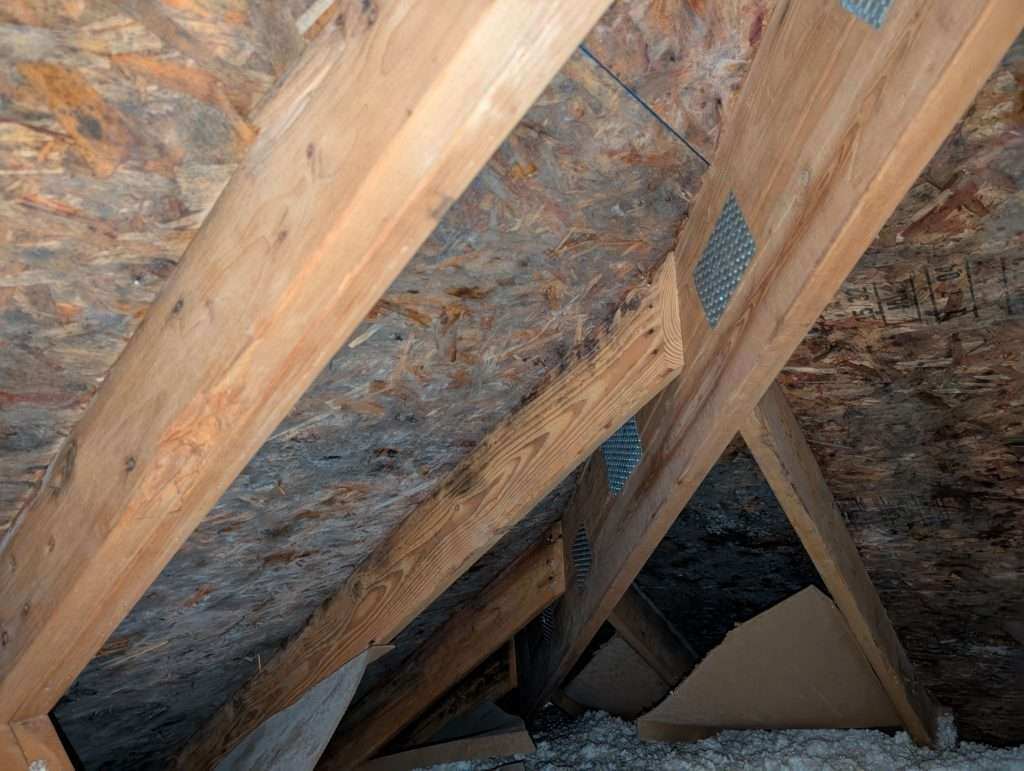
  • Water stains: These can be anywhere. Check the ceiling of the attic because that will likely be where water is coming from, but also check the floor of the attic. The wood will be stained, and perhaps even rotting.
  • Drip marks on insulation: You can see drip marks on insulation because the water wears it down. Think of when an icicle is slowly dripping into the snow below it and leaving tiny holes. That’s what your insulation looks like when water drips on it.
  • Rusty nails: It is not uncommon for nails to stick through the ceiling of your attic after the roof installation. Check the nails to see if any of them are rusty. The nails will only get rusty if water is leaking through the nail hole onto the nail.

Outside

If the roof is functioning properly, water will run down to the gutters and drain from there. Sometimes the water doesn’t make it to the gutter, though. The gutters can also leak, but if you notice a leak before you get to the gutters, then it’s your roof that’s causing the problem.

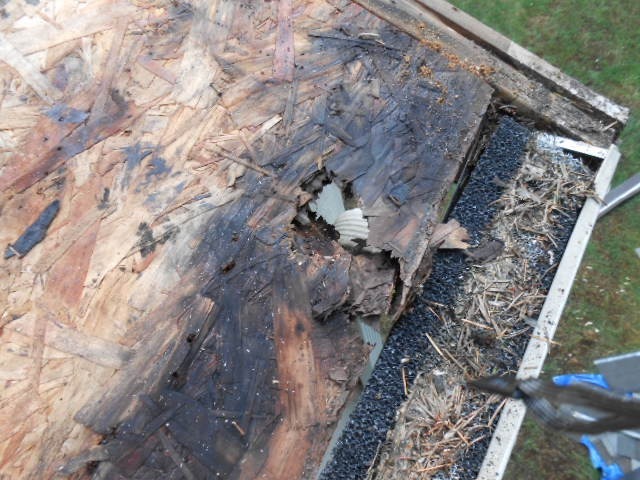
What you’ll notice outside when there’s a leak is rotten wood. This can be a variety of wood types, including:
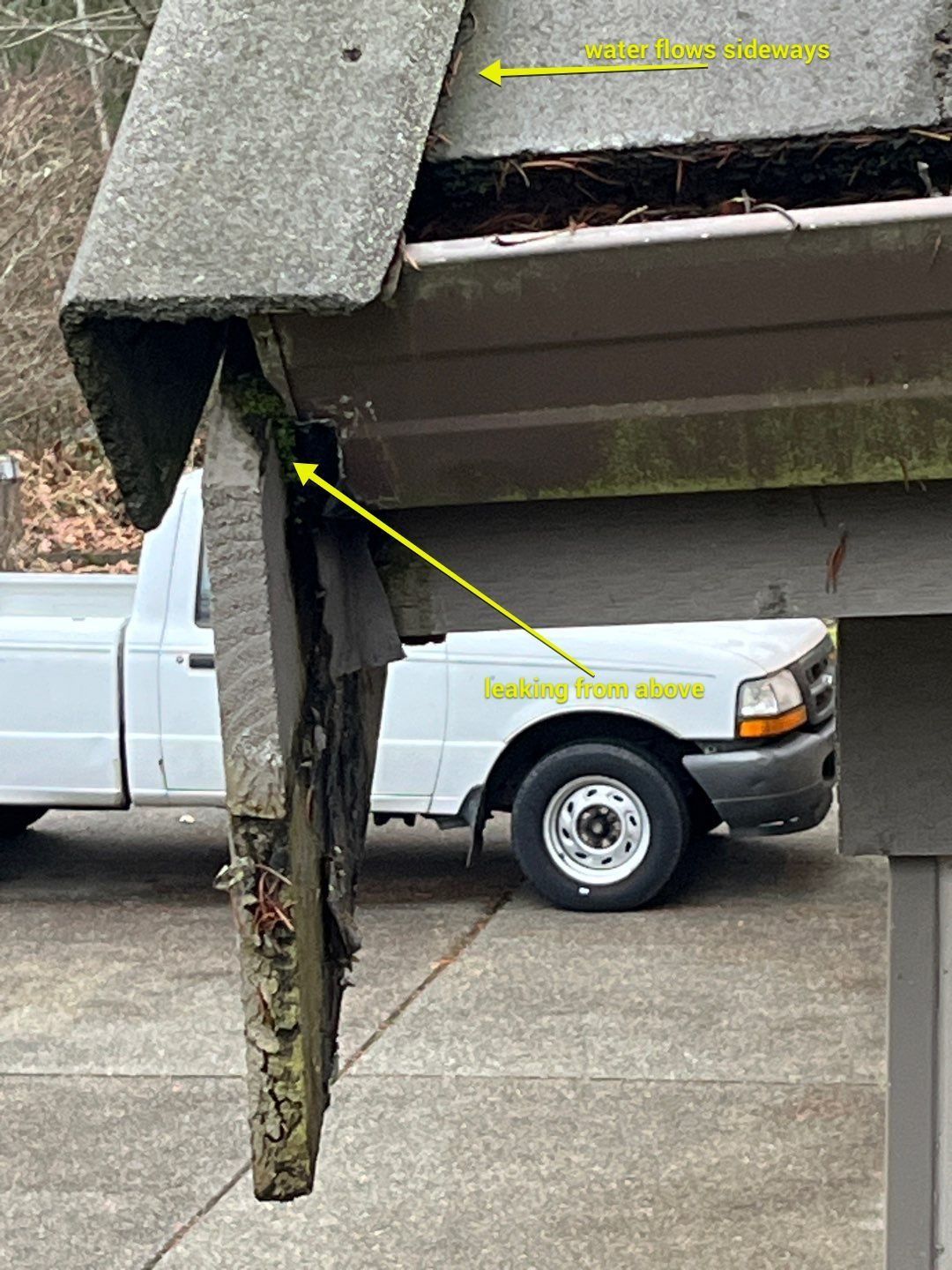
  • Soffit
  • Facia
  • Rafter tails

None of those are supposed to be water-stained, so if you notice this, it’s a clear indicator of a roof leak.

Roof Leak vs. Condensation: How Do I Tell the Difference?

In Seattle's rainy, humid climate, a lot of roofs suffer from leaks and excess moisture. If you notice that there's a leak or too much moisture in your home, then it's important to know what caused that issue. 

Condensation is an especially big issue in the winter because the warm air from your home is rising and hitting your cold roof. In a roof with poor ventilation, this can cause condensation to collect. 

For homeowners in the Seattle area, there are two main causes of moisture in the attic: leaks and condensation. 

Both are big problems, but they require different fixes. 

Here are the signs that your roof is leaking

  1. It leaks during or immediately after rain

  2. You see water entering through the attic where there are holes or gaps (around the chimney, skylight, or a pipe)
  3. You can see drip marks or water trails in the attic
  4. You see water stains on the ceiling

Here are the signs that your attic has a condensation issue:
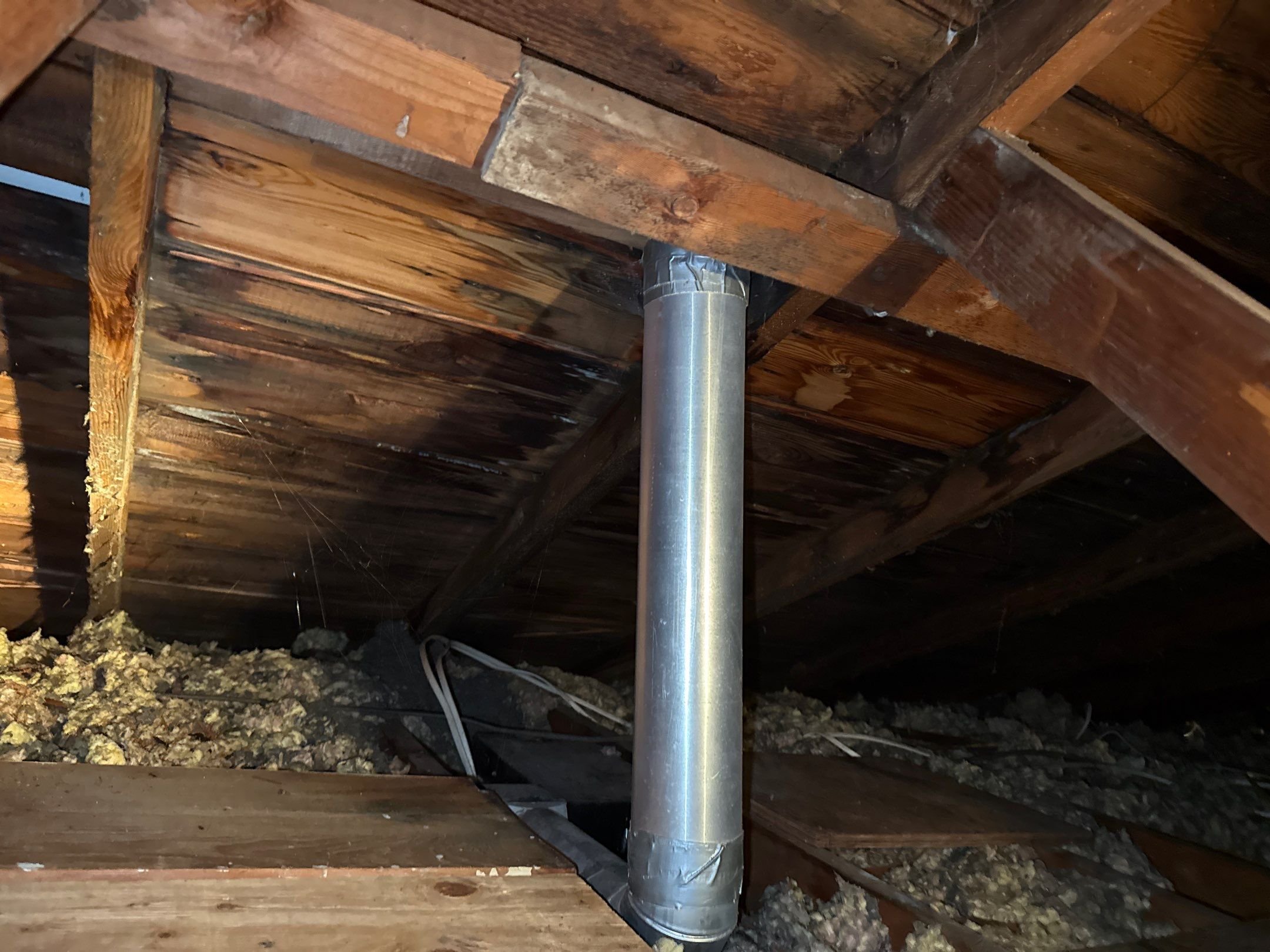
  1. You notice moisture in the attic during the colder winter months

  2. There is widespread moisture, mold, rot, or rust in the attic
  3. You know that your house is very humid
  4. Your attic has poor ventilation 

If you have a flat roof, it’s even more difficult to tell when you have a roof leak vs. condensation issues because flat roofs don’t really have attics. That means you have to rely on the signs you find on the roof:

  • For a leak: Look for failed seams or standing water. This indicates that you might have gaps where water can get in.
  • For condensation issues: If you live in an area with high humidity (like Seattle), it’s likely that you’ll have a condensation problem. Having high percentages of humidity and little to no ventilation is a strong indicator of condensation.

On a flat roof, leaks and condensation can happen at the same time and cause even more damage (this is a problem on standard roofs, too).

Meet with a meticulous roofing nerd

Ready for an inspection? Call today!

Schedule a free inspection to learn what’s wrong with your roof and how we can help you fix it.