

TL;DR: Summary
In Seattle’s damp winters, a "small" roof leak is rarely just a cosmetic issue; it is often the tip of a much larger iceberg. Because moisture can seep for months before a drip appears, hidden damage like rotting wood and ruined insulation is usually already present by the time you see a ceiling stain.
Waiting until spring allows this damage to spread, potentially turning a $1,000 repair into a $10,000 project involving mold remediation and structural replacement.
Are you hoping that your roof leak can wait until spring? Worried that calling a roofer now will be too expensive or inconvenient during Seattle’s cold, wet season?
You’re not alone. Many homeowners assume a small stain on the ceiling is no big deal and see it as just a cosmetic issue they can patch later. But in Seattle’s damp winters, that “small” problem is usually the tip of the iceberg.
At RoofSmart, we’ve repaired and replaced thousands of leaky roofs. Often, homeowners choose to wait to fix a leak, which results in far more damage happening. We understand that roof work can be spendy, but leaving a leaky roof to fend for itself in the Seattle rain is only going to worsen your roof damage.
In this article, we’ll break down how small leaks escalate into expensive winter damage, why Seattle’s climate accelerates that process, and how to tell when it’s time to take action.

What dangers does Seattle's winter pose for a damaged roof?
Winter weather in Seattle is damp and dreary, making many homeowners tempted to save their roof work for the summer months. However, in the rainy Seattle winters, small leaks become major, costly problems. That’s exactly why fixing leaks is actually an urgent issue. It should be done as soon as possible!
Leaks often soak and seep for months before dripping down onto the ceiling and causing water staining that you can actually see. If your roof has a leak, it will usually cause hidden damage for a long time before it becomes noticeable.
Sometimes leaks aren’t from a hole in the roof. If your roof is trapping and retaining moisture, then it’s basically soaking the whole roof and keeping it constantly damp. This continuous moisture isn’t good for your roof. It will seep into the wood and insulation and cause damage.
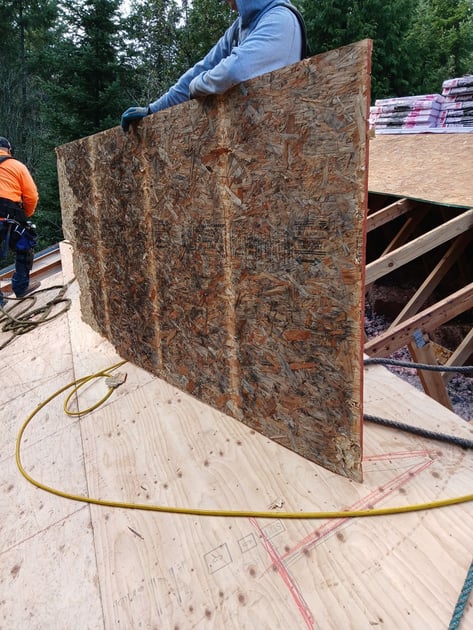
Here’s a board we pulled from an attic that was leaking and had poor ventilation. It is completely rotten, and also very moldy:
Another concern in the winter months in Seattle is condensation building up in your attic, which happens when warm air from your home rises and hits the cold roof. This acts the same as a leak, causing rot and mold in your attic. Eventually, it might start dripping down.
By the time you see those drip marks on your ceiling, you probably already have rotting wood, damaged insulation, and mold in your attic from the ongoing leak (or condensation issues). Once you learn about a leak, you should reach out to your roofer quickly to get it fixed.
Will my repair costs be higher if I wait to repair my roof?
If you notice your roof is looking damp or that it might have a small leak, it’s easy to convince yourself that it’s fine and you can wait a little longer until you can save up money to fix it.
Waiting for the summer gives time for the leak to get worse and for damage to spread further, which only increases the cost of fixing everything.
On average, Seattle homeowners pay around $1,000 to $3,000 to repair a roof leak. This is for situations where the leak can be traced back to one specific spot on the roof (as opposed to having multiple leaks across the roof, which would be more expensive).
But what happens when you wait to repair the leak? How much will it cost to fix the extra damage? Here are some examples of extra costs you might face:
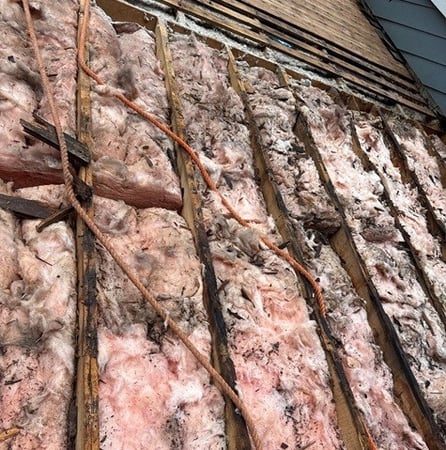
- Insulation replacement: $5,000–$8,000- Something really gross and unfortunate is that when mold grows in your attic, it can also grow in your insulation and ruin it. Here’s what that looks like:

Sadly, this is not just dirt. It looks that gross because it’s moldy.
- Replacing rotten wood: $1000 to $10,000- The total amount depends on the size of your roof and how much rot there is
- Mold: $4,000 to $9,000
As you can see, waiting too long to repair your roof leak or condensation problem can easily add thousands of dollars to your total cost.
Roof work can be expensive, and we respect that it’s not the most fun way to spend your money. However, protecting your home from the elements is important. If you’re worried about the cost of the project, then you might want to look into financing. A lot of roofing companies offer financing options for their customers.
Financing can help ease the financial burden of paying the full cost up front. Plus, it helps ease the emotional burden of waiting and trying to save up money.
It’s also a good idea to weigh the costs of repairing your roof now vs. waiting until the spring or summer. You might have to pay a few thousand dollars now, but how much will the repair cost after the roof has continued leaking unattended for several months?
How will inflation impact the cost of repairing or replacing my roof?
Another factor to consider is inflation. This can impact both the cost of materials and labor in the Seattle area. Inflation can make a big impact if you’re waiting a few years to do roof work, but if you’re waiting a few months, it might not be as noticeable.
However, material and labor costs can still go up through the winter. Plus, there is always the possibility of tariffs being implemented while you wait.
Your best bet for getting the lowest price possible is to get your roof fixed right away. But, at the end of the day, you know your financial situation best, and the decision is up to you.
How much will it cost to repair a roof leak in Seattle’s winter weather?
If you've made it this far, you understand that even a small leak in your roof can turn into a major problem if left alone during Seattle’s rainy season.
From rotting wood to moldy insulation, the longer you wait, the more costly the repair becomes. But how much should you actually expect to pay for a roof leak repair in Seattle and what factors influence that cost?
In this article, we break down the typical price range for roof leak repairs in the Seattle area, what affects the total cost, and how to know if you’re getting a fair deal: Roof Leak in Seattle? Here’s What It Will Really Cost to Fix It

Frequently Asked Questions
1. Why are roof leaks more urgent during a Seattle winter?
Our winters are characterized by constant, low-intensity moisture rather than short bursts of rain. This creates a "soaking" effect where water seeps into wood and insulation continuously, preventing it from ever drying out and accelerating rot.
2. Can I wait until the dry summer months to fix a small leak?
Waiting is the most expensive decision you can make. While you wait, a small leak can cause mold to grow in your insulation or rot your roof deck. Repairing the extra damage can easily add $4,000 to $9,000 to your final bill.
3. What is the typical cost to repair a roof leak in Seattle?
For a localized leak that can be traced to one specific spot, homeowners typically pay between $1,000 and $3,000. This is significantly cheaper than the cost of full remediation if the leak is ignored.
4. How do I know if the moisture is a leak or just condensation?
It can be hard to tell without an expert. Condensation in the attic happens when warm air from your home hits the cold roof deck, acting like a leak by causing rot and mold. Both require immediate attention to prevent structural failure.
5. What does "hidden damage" look like in an attic?
Hidden damage often manifests as completely rotten or moldy boards. By the time you see a drip on your ceiling, the insulation has likely been compromised and the wood framing may have begun to lose its structural integrity.
6. Is roof repair more expensive in the winter due to inflation?
While short-term inflation (a few months) is less noticeable, material and labor costs can still rise during the winter season. Additionally, potential tariffs or supply chain issues can cause unexpected price jumps while you wait.
7. Should I use financing for a winter roof repair?
If you are worried about the upfront cost, financing can ease the financial burden. It is often better to pay a monthly fee now than to wait and pay triple the amount in cash later due to expanded rot.
8. Can a roofer effectively fix a leak while it's raining?
Yes. Professional Seattle roofers are equipped to work in wet conditions. We use specialized techniques and materials designed to bond and seal even when the weather is less than ideal.
9. Will insurance cover my winter roof leak?
It depends on the cause. If the leak was caused by a sudden event like a windstorm, it is likely covered. However, "gradual" damage caused by lack of maintenance or old age is often excluded.
10. What is the first thing I should do if I spot a ceiling stain?
Don't wait. Reach out to a qualified roofing expert to diagnose the issue. Getting a professional inspection now can determine if you need a simple patch or if a larger condensation issue is threatening your home.
Topics:
