


Replacing a roof in Greater Seattle is easier to live through when you know the order of work. The calendar shifts from house to house, but the steps don't. There's no single timetable, because every house is a little different. The noise and mess can make it feel like the job will never end. I'll walk you through each step, from the first visit to the final nail sweep. I'll also cover how to get your home ready, what can push your dates around, and who this timeline doesn't fit.
Quick Answers
A typical RoofSmart roof replacement takes about 3 to 4 weeks overall, counted from the signed proposal. That includes 1 to 2 weeks of scheduling and prep and about 3 days on site on average, metal roofs included, and the rest allows for delays from extra unexpected work or additional time for a bigger, more complicated job.
What can I expect during each step of my roof replacement?
Each step has its own job: a free SmartMatch Needs Analysis and proposal, 1 to 2 weeks of scheduling and prep, then about 3 days on site for tear-off, the new roof and the final cleanup. The table below shows how long each one usually takes.
Having your Seattle roof replaced can be a daunting experience. With all the noise and mess, you might feel like it’s never going to end. Knowing what to expect each step of the way as well as what work should be completed during each step, will make the experience much easier to bear.
While there is no exact timetable for a roof replacement because circumstances vary, this roof replacement timeline can help make things a lot clearer for you.
At RoofSmart, we've been replacing roofs around Greater Seattle since 2011, and these days we do 500+ full replacements a year. Our Egghead Installation process has four steps, so we can walk you through what's coming before it shows up in your driveway.
In this article, I'll walk you through each step, from the first visit to the final nail sweep. I'll also cover how to get your home ready, what can push your dates around, and who this timeline doesn't fit.
How long does each step of a roof replacement take?
Here's the whole job on one page. The times below are typical for a single-family home, and the sections after the table explain what happens at each step.
| Step | What happens | Typical time |
|---|---|---|
| 1. SmartMatch Needs Analysis | A member of our sales team walks your roof and, where safe, your attic, then gives you plain-English findings | 60 to 90 minutes, about 1 week after you ask |
| 2. Proposal and signing | Custom proposal with side-by-side options; deposit paid at signing, before scheduling | Typically at the same SmartMatch visit, depending on complexity |
| 3. Scheduling and prep | You go on the install schedule; the date can shift | 1 to 2 weeks |
| 4. Material delivery | Staging material arrives at your home | 1 to 2 days before start |
| 5. Day 1 morning | Crew runs a pre-job check and reviews the inspection photos | First morning on site |
| 6. Tear-off, underlayment, flashing | All old layers come off down to a clean deck; underlayment and flashing go on | First day; tear-off takes a few hours to the whole day, depending on roof size |
| 7. New roof and finish | New roof, trim and vents | About 3 days on site on average, for steps 5 to 8 together |
| 8. Final inspection and cleanup | Final inspection, full cleanup and nail sweep | Last day on site |
| 9. Final bill | Final bill due; financing payments start | At completion |
| Total | About 3 to 4 weeks overall, from the signed proposal |
Want to know where your roof fits in this timeline? Book a free SmartMatch Needs Analysis. If you don't need a new roof, we say so.
What happens at the first visit?
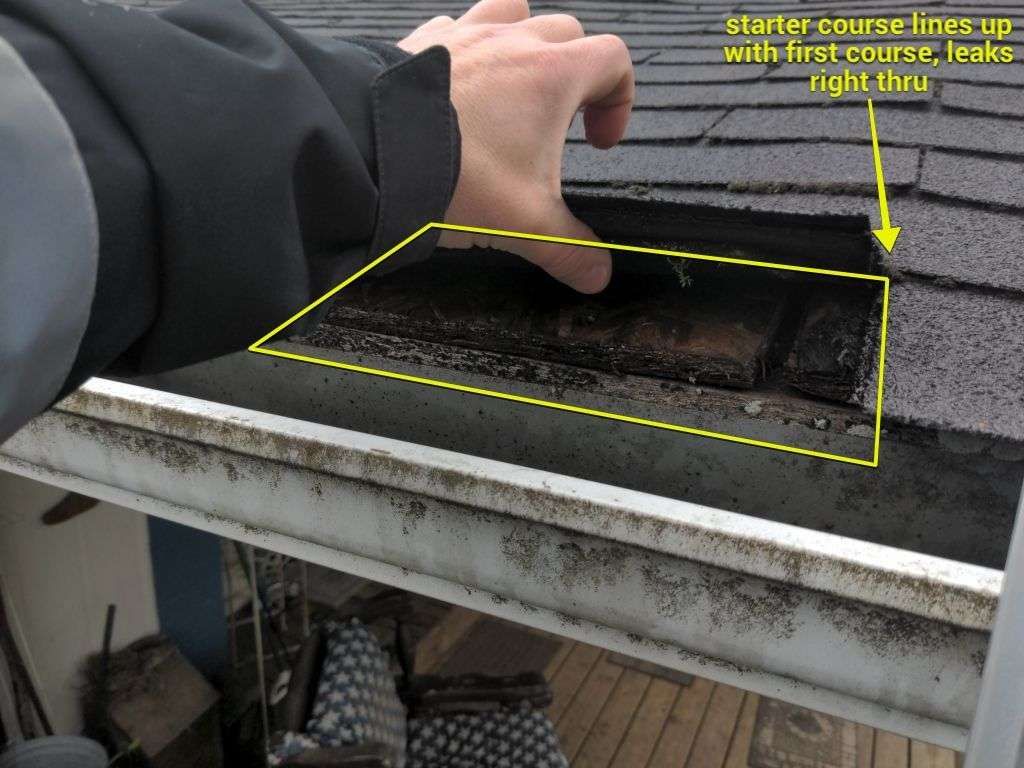
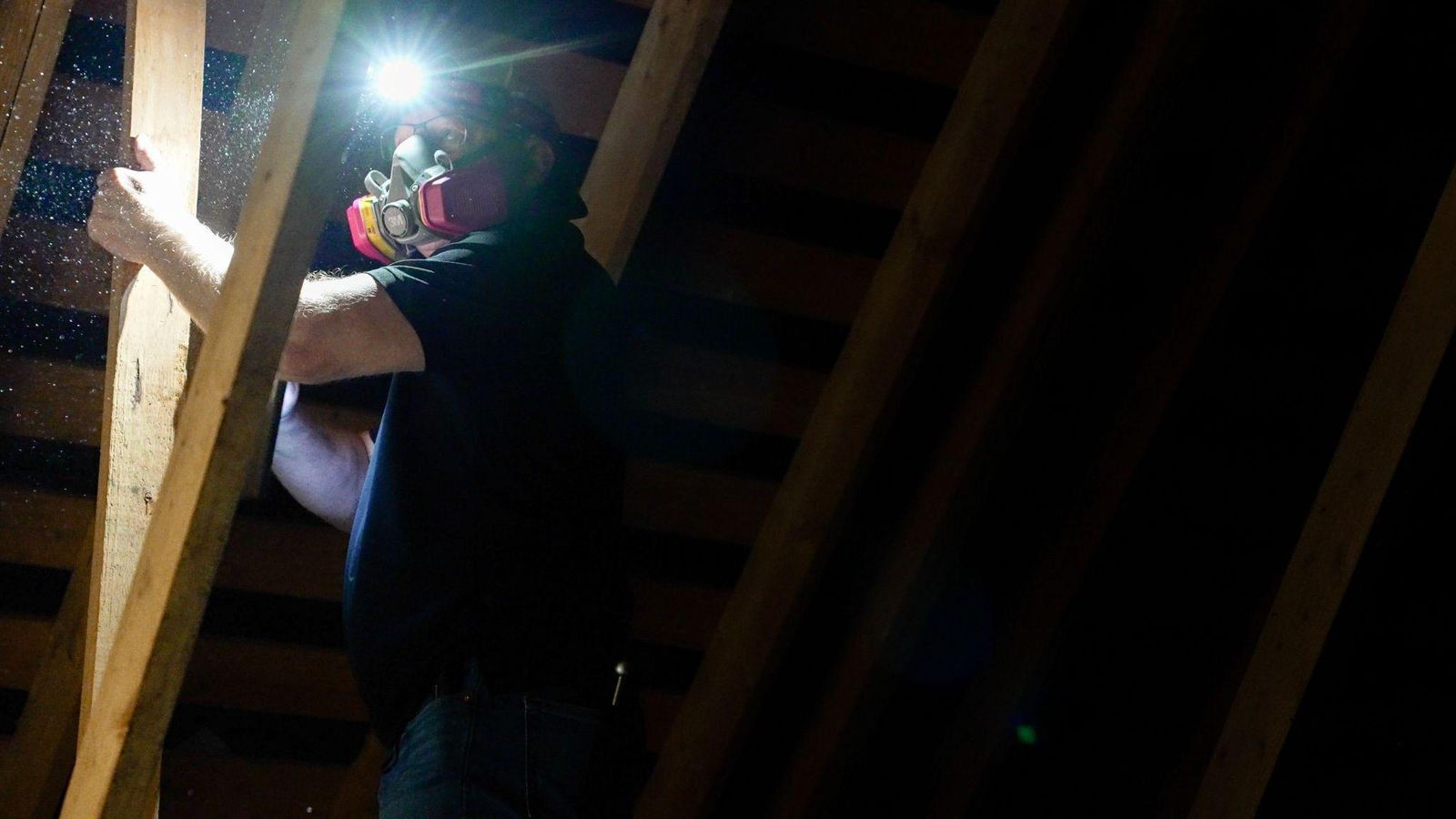
The first step of any roof replacement is a free SmartMatch Needs Analysis with a member of our sales team. Next, they will check for signs of mold and water damage. And flashing failures, ventilation defects, etc. And leaks!
Any issues that come up during the SmartMatch Needs Analysis may delay the overall timeline of the project. Your roof replacement will begin as soon as you choose your solution and get on the schedule.
We walk the outside of your roof and, where it's safe, the attic. You get a plain-English findings sheet that says whether to repair, replace or keep an eye on things, and if you don't need a new roof, we say so. Learn more about the SmartMatch Needs Analysis and the sales team who run it.
When do I get on the schedule?
Once the office receives your paperwork and deposit/financing agreement you will be put on the installation schedule. Consider this date flexible and tentative, because things can shift as time goes along. Weather and material delays are the usual reasons.
Usually though, things go pretty well according to plan. The office will update you of any known schedule changes right up until we commence your project.
If you want the full picture of what happens between signing and day one, read what to expect after signing your RoofSmart project. The deposit, final bill and progress payments are explained in when and how to pay for your roof.
How should I get my home ready?
One to two days before the installation actually starts, some staging material may be delivered to your home. You’ll want to plan on having your driveway clear and park on the street so you don’t get boxed in for the day the work starts.
Nails, debris and other safety hazards are a normal part of the process. It’s better if you don’t try to drive or walk over areas we haven’t been able to clean up yet.
How to get ready
- Take fragile things off walls and high shelves, since tear-off shakes the house.
- Cover or move anything stored in the attic. See will my attic get dirty during a roof replacement?
- You only need to be home if a locked gate or something else would keep the crew from reaching the property.
What happens on tear-off day?
Removal Of The Old Roof
This step can take anywhere from a few hours to the whole day, depending on the size of the roof.
This process is typically completed in two stages. The crew will start at one end of the roof and move toward the other, removing as much as they can easily reach. Next, they will come back through to remove any missed sections.
We take off every existing layer, because manufacturers require a clean deck install. That's also when we see the wood under your old roof for the first time, which matters if there's rot (see the next table).
Underlayment Installation
Tear-off and underlayment are done on the first day. In addition, flashing will be installed at this stage to ensure a leak-free roof.
Flashing covers the seams between chimneys, walls, valleys, and other areas that are prone to leaking. It provides a watertight seal that protects your roof from water damage.
Underlayment protects the home from rain if it occurs before the final roof is put on. Think of it as temporary protection while the crew is working.
Why underlayment matters so much here is covered in does roof underlayment matter in Seattle?
How long does the new roof take to install?
How the new roof goes on depends on the type of material you selected. Asphalt shingles are installed from one end of the roof to the other in an overlapping manner. Metal roofs take more detail work, but on our jobs they follow the same timeline shown in the table above.
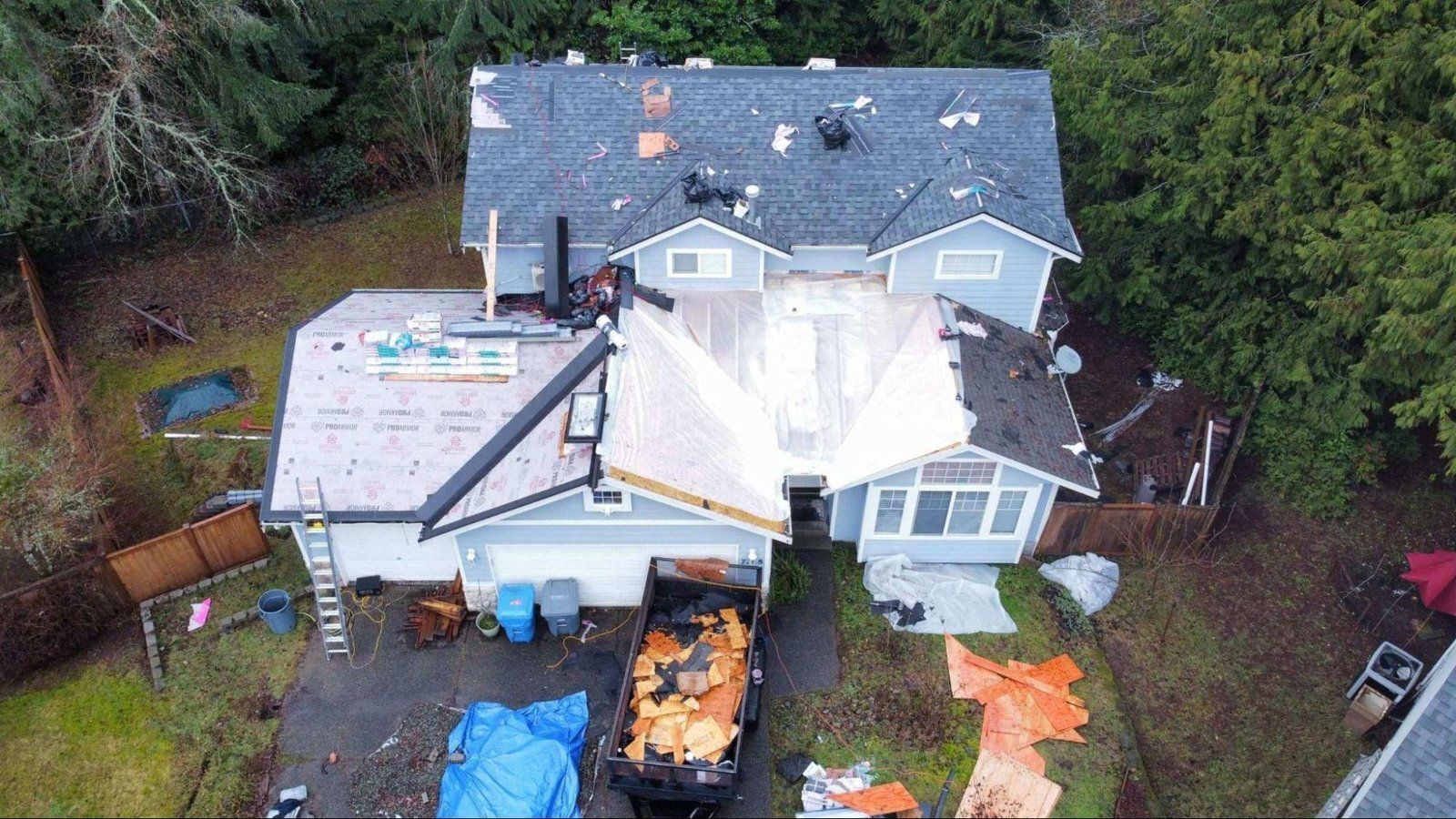
Your crew is 4 to 5 people, and everyone on it has previous roofing experience. RoofSmart's own crew does every roofing project, and you probably won't hear much from us unless something changes.
What about trim, vents and fascia?
When you review your proposal, you’ll choose the trim, what kind of vents you want, and whether to add fascias. You might consider changing out your trim to match your new roof and increase the curb appeal of your home. We’ll need to make sure you have the right number of vents on your roof to allow for Proper Ventilation.
Fascias are a great cosmetic addition to a roof. They will cover any gap between the siding and the roof, creating a seamless appearance.
They also provide a solid backing for the rain gutter, allowing proper slope and drainage while still looking good. Fascia also allows for enclosing the soffit with something more finished, like Hardie soffit or tongue & groove shiplap.
What happens on the last day?
Cleanup should take, on average, a few hours on the last day. The contractor will remove any debris that has accumulated, including nails, staples, and other dangerous items. The port-a-potty should get hauled away too!
The last day ends with step 4 of Egghead Installation: a final inspection, a full cleanup and a nail sweep.
What can change the timeline?
Most jobs run close to the table above, but a few things can move your dates. Here's what they are and what we do about each one.
| Factor | What happens |
|---|---|
| Rotted wood found at tear-off | We get your permission before major changes. If we find rot and can't reach you, we go ahead with the needed repair so your home isn't left open. Rot repair usually adds 1 to 3 days. See unexpected problems during a roof replacement. |
| Rain | Tear-off needs a dry window. See the rain FAQ below. |
| Permit, when one is required | See when do I need a permit for roof work in Seattle? |
| Busy season | Scheduling backlog grows; see FAQ 3 below |
| Roof size and complexity | Larger or cut-up roofs usually add 1 to 3 days |
| Plumbing, electrical or solar work | Licensed subcontractors handle plumbing and electrical, and a licensed electrician does solar hookups. This work usually adds 1 to 3 days. |
| Metal instead of asphalt | No change to the timeline |
Who doesn't this timeline fit?
This timeline is for a typical single-family home. Multi-story buildings follow a different process, which we cover in our roof replacement process for multi-story buildings.
Commercial roofs follow their own schedule as well; see why commercial roofs take longer to install. Rooftop decks take longer, too: a rooftop deck install alone runs 2 to 4 weeks (see how rooftop decks are installed).
It also won't fit if you need the work done this week. The SmartMatch, proposal and scheduling steps are there so the roof is planned right, and we'd rather take that time than rush a crew onto a roof nobody has looked at.
Ready to plan your roof replacement?
Here at RoofSmart, we’re run by the industry’s outliers, and that shapes how we plan and run every roof replacement. You know each step, and about how long it takes, before the crew shows up.
We can take care of your roof replacement with our team of experts who will make sure your project is completed efficiently and professionally. We’ll provide you with the support you expect from a roofing company but don’t always receive. Our goal is to do a fanatical, meticulous job for you.
Take advantage of our free SmartMatch Needs Analysis. We’ll send a member of our sales team over to look at your roof and, where safe, your attic. We make it our priority to make sure you have a safe, sound, and secure roof over your head.
Now you know what's coming, from the first visit to the nail sweep, and what can move your dates. That's the point: no surprises in your driveway.
We're licensed, bonded and insured, and we're the meticulous roofing nerds who'd love to look at your roof. Wondering what it costs? Start with our Seattle roof replacement cost guide.
Book your free SmartMatch Needs Analysis. A member of our sales team looks at your roof and, where safe, your attic, and gives you plain-English findings. If you don't need a new roof, we say so.
Or call (206) 487-4877.
Read next: How long does it take RoofSmart to complete a repair or replacement?
Other Articles You’ll Find Interesting:
Want to see how we'd look at your roof?
Start with a SmartMatch™ Needs Analysis, or call (206) 487-4877.
Frequently asked questions
How long does a roof replacement take from start to finish?
A RoofSmart roof replacement takes about 3 to 4 weeks overall from the signed proposal, including 1 to 2 weeks of scheduling and prep and about 3 days on site on average. Every job is different, so the rest of that time allows for delays from extra unexpected work or additional time for a bigger, more complicated job.
Dates can still move for weather or for rot we find at tear-off. For a side-by-side look at repairs and replacements, see how long it takes RoofSmart to complete a repair or replacement.
What happens at the first visit, and how long does it take?
The first visit is a SmartMatch Needs Analysis with a member of our sales team, and it takes 60 to 90 minutes, usually about 1 week after you ask. We walk the outside of your roof and, where it's safe, the attic, then give you plain-English findings: repair, replace or keep an eye on it. If you don't need a new roof, we say so.
How soon can my roof replacement start after I sign?
Most roof replacements start 1 to 2 weeks after you sign, once your deposit is in and you're on the schedule. The date is flexible, and the office updates you if anything changes.
In busy season, the scheduling backlog can run a few weeks to a few months. Read what to expect after signing and when and how to pay for your roof.
Do I need a permit to replace my roof?
In Seattle, re-roofing a one- or two-family home or townhouse doesn't need a permit as long as the only change to the building envelope is adding or replacing insulation of equal or better value. Any other change to the envelope needs a construction permit. Commercial and multifamily buildings need a re-roof permit to replace roofing or to repair more than 500 square feet.
Other cities' rules differ, and some require a permit for every re-roof. Our permit guide for Seattle roof work has more.
How should I get my home ready for a roof replacement?
Clear your driveway and park on the street before start day, and stay off areas the crew hasn't cleaned up yet, since nails and debris are part of the job. Move fragile wall items and cover attic storage (will my attic get dirty during a roof replacement?). You only need to be home if a locked gate or something else would keep the crew from reaching the property.
Who will be working on my roof, and will I hear from them?
RoofSmart's own crew does every roofing project, and each crew is 4 to 5 people with previous roofing experience. They run a pre-job check the first morning, and you probably won't hear much from us unless something changes. We get your permission before major changes.
We're licensed, bonded and insured, and you can check any Washington contractor's license with WA Labor & Industries. L&I also has tips on hiring a contractor. Meet the sales team who run the free SmartMatch Needs Analysis.
What happens if the crew finds rotted wood?
If the crew finds rotted wood, we get your permission before any major change. If we find rot and can't reach you, we go ahead with the needed repair so your home isn't left open.
Rot or deck damage is usually first seen at tear-off. Learn how to tell if your roof has dry rot and what other unexpected problems can come up.
Can you replace a roof in the rain?
Not during tear-off, because tear-off needs a dry window. Roofers tear off and add underlayment in small sections rather than all at once, so moisture can't get in if rain starts up again. Tarps go on as needed before the roofing begins to protect leak points from rain.
Underlayment protects the home from rain before the final roof goes on. You can watch the National Weather Service Seattle forecast for planning, and read why underlayment matters in Seattle.
Does a metal roof take longer to install than asphalt shingles?
No, a metal roof takes about the same time as asphalt: about 3 days on site and 3 to 4 weeks overall. We install 24 and 26 gauge metal and recommend 24 gauge, and metal roofs last 40 to 70 years. See our metal roofing page.
What happens on the last day, and when do I pay?
The last day ends with a final inspection, a full cleanup and a nail sweep, which is step 4 of Egghead Installation. Your final bill is due at completion, and if you finance, payments start at completion too. Larger or more complex projects have progress payments along the way.
Eligible roofs are covered by TripleGuard, our lifetime workmanship and lifetime material coverage plus a promise the work meets code. See TripleGuard warranty details and financing options.
Topics:
