

TL;DR: Summary
If you have shiplap planks as your roof deck, here’s what to do next:
• Cover it with plywood or OSB – This meets Seattle building code, creates a stable surface, and prevents leaks from shiplap movement.
• Avoid installing asphalt shingles directly – Modern shingles are too stiff and will fail faster over shiplap.
• Choose metal roofing as the smarter upgrade – Standing-seam metal flexes with the shiplap and requires no new decking.
• Always get a structural inspection first – Check for rot, gaps, or code issues before any work begins.
So I Have Shiplap Planks For My
Roof Deck – What Now?
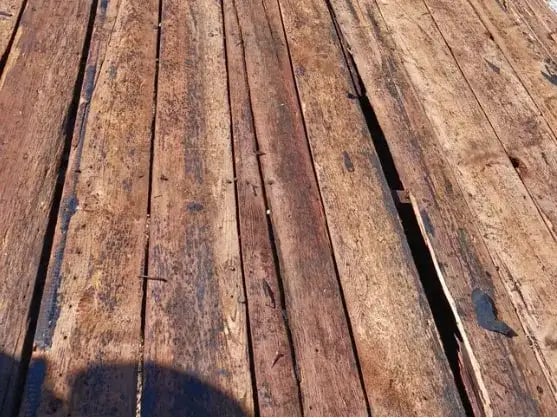
Originally, “shiplap” was used for roof decking due to the watertight nature of its design. The overlapping wooden boards of a shiplap deck formed a perfect seal with their tongue and groove structure, kind of like modern flooring.
It was a great system when paired with the soft, flexible, felt-backed shingles of the day, but modern shingles aren’t nearly as flexible.
Since Seattle’s temperatures (and humidity) can jump from one extreme to another, the thin slats of shiplap decking move quite a bit. Modern asphalt shingles are not meant to move around, so this can cause nail pops and leaks.
So instead of the intended wind and waterproof barrier, you have an unstable surface covered with inflexible shingles. A roof like that will fail in half the time it should.
Why Do Some Seattle Roofers Say Shiplap Is OK?
Most Seattle roofers are all about getting that sale, and nothing else. So, when they see that you have shiplap decking, they tell you not to worry.
Why?
Because giving you the right answer – that shiplap decking is a problem with asphalt shingles – will make their bid go up, and they hate that more than anything. Their game is one of numbers; a race to the bottom. But we refuse to play that game. We guarantee our work for life, we won’t compromise quality to just tell you what you want to hear.
So when we come across shiplap decking, we cover it with modern decking materials that meets current building codes so we can ensure that your asphalt shingle roof will last it’s intended life.
The Many Problems With Shiplap Decking
Nailing modern shingles over old-school shiplap decking is never a good idea. It may seem like a handy cost-cutting solution, but you end up with a roof that simply won’t last.
Here are just a few of the problems you can experience if you don’t cover shiplap with modern decking materials.
Swiss Cheese Decking
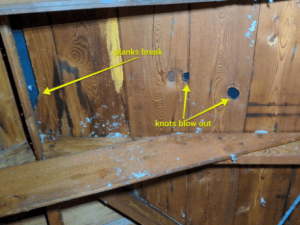
Over time, the movement from the boards expanding and contracting as temperatures change will make the knots in the boards fall out, causing what we like to call “swiss cheese decking.”
As you can see to the left, many knotholes have fallen out of the shiplap boards, leaving space for outdoor temperatures to enter the attic space without hindrance.
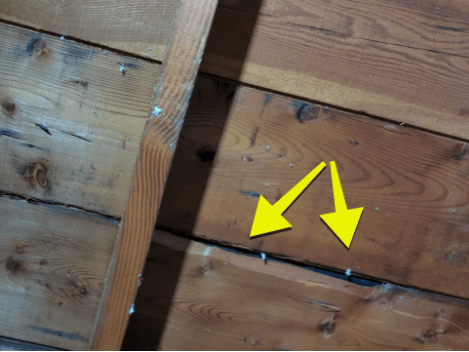
So when the new shingles are installed, the nails can shoot right through the open knotholes without the installer noticing. The result is a roof that leaks from day one.
Look at the nails in this image. They have gone straight through a crack between the shiplap planks. Water will be able to travel directly from the shingles and into your home.
Nail Pops, Loose Shingles, And Leaks
When you nail through a modern shingle into shiplap decking, you are setting your nails up for failure. The movement of the shiplap beneath the rigid shingle acts as a slow-motion prybar on the nails. Eventually, they will work themselves out leaving you with nail pops.
These raised nails then allow your shingles to loosen, creating gaps in your roof’s protective layer. So instead of directing rainwater to your gutters, it’s directed straight into your decking to cause leaks throughout your roof system.
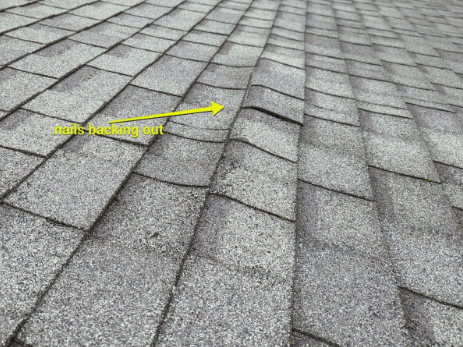
Trouble above, popped nails, leads to:
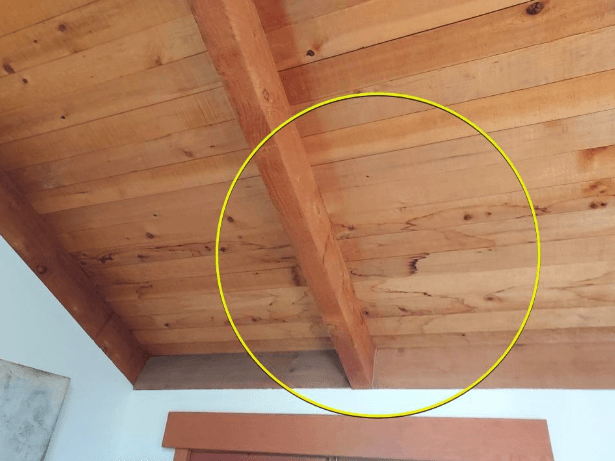
Decreased Energy Efficiency
With all the missing knots and nails that have wiggled loose, you can also have problems with your roofing system’s integrity.
Gaps and missing knots in the shiplap roof decking will allow airflow through the roof’s surface, causing decreased energy efficiency in winter and summer. This can prematurely degrade the quality and performance of your roofing membrane, costing you extra money on heating and cooling. It can also accelerate condensation and saturation of the wood from underneath.
Code Violations
Local building code specifies that shiplap or plank roof decking must be covered with modern decking materials when working with asphalt shingles. Considering all the problems shiplap and wide boards can cause, this is no surprise. Humanity has been learning as we go, new codes are the additive result of this.
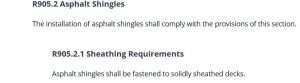
Building Code for Sheathing
Manufacturer’s Warranty Could Be Voided
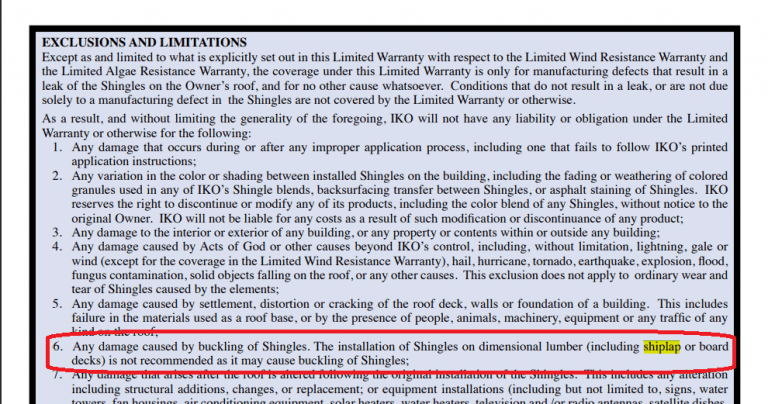
The picture above is from IKO’s Limited Warranty on their asphalt shingles. As you can see, it clearly states that installing asphalt shingles over shiplap is not recommended.
If the manufacturer finds out your shingles are mailed to shiplap, your warranty is voided on the spot.
Your Best Solutions For Dealing
With Shiplap Decking
When we go to a home that has shiplap decking, there are only two acceptable solutions: cover the decking with modern materials like plywood, or convert to a metal roof.
While a bad surface for shingles, shiplap is a great surface for installing modern deck sheeting. And you don’t need to rip up or cover shiplap decking unless there are areas with rot or mold. With the larger panels in place, the movement in the shiplap is negated.
With metal roofing, you don’t even need to add modern decking.
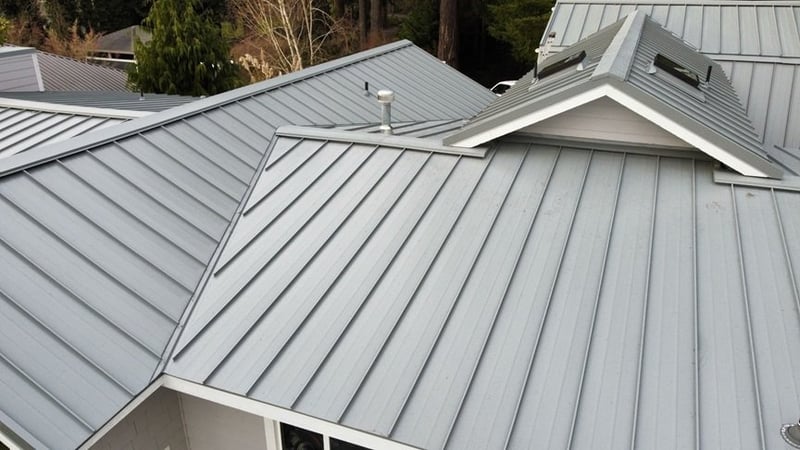
With massive, flexible panels, standing-seam metal roofs are able to ignore the movement of the shiplap layer. While a little bit more costly over the price of new decking and a shingle roof, metal roofing means you’ll never have to mess with it ever again.
If you need help with a roofing project of any kind in the Seattle area and want it done by installers who know the rules, contact RoofSmart to schedule your free consultation.
FAQs About Shiplap Roof Decks in Seattle
Can I install asphalt shingles directly over shiplap planks?
No. Shiplap moves too much in Seattle’s wet, freeze-thaw climate. Modern asphalt shingles are stiff and will develop nail pops, gaps, and leaks within a few years. Seattle building code requires a solid, nailable surface (plywood or OSB) under asphalt shingles.
What does Seattle code require if I have shiplap roof decking?
You must overlay the shiplap with at least ⅝-inch plywood or OSB before installing asphalt shingles. This is non-negotiable for a permitted roof replacement in King County.
Is it better to overlay shiplap with plywood or switch to metal roofing?
Overlaying with plywood is cheaper upfront but adds weight and labor. A standing-seam metal roof is the smarter long-term choice because the metal panels flex with the shiplap and require no new decking at all.
How much does it cost to cover shiplap with plywood in Seattle?
Expect $4.50–$7.50 per sq ft installed (labor + materials). For a typical 1,800 sq ft roof, that’s roughly $8,000–$13,500 before the new shingles.
Can I put a metal roof directly on shiplap planks?
Yes. And it’s often the best solution. Standing-seam metal roofing is designed to be installed directly over shiplap with proper underlayment and clips. No plywood overlay needed.
What problems happen if I leave shiplap as the roof deck?
Uneven movement, nail pops, water intrusion between planks, premature shingle failure, and potential insurance or warranty denials.
How long will shiplap last as a roof deck without covering it?
In Seattle’s climate, shiplap exposed to repeated moisture typically lasts 8–15 years before rot or structural issues appear.
Should I replace the entire deck or just overlay it?
Overlaying is usually sufficient and far less expensive unless your inspector finds rot, delamination, or code violations.
How can I ensure I'm choosing the right roofing contractor for my home?
Choosing a contractor is about more than just the lowest bid; it’s about finding a team that understands local building codes and quality standards. To help you navigate this process, we’ve put together a guide on how to choose a roofing contractor that prioritizes long-term value over short-term savings.
What should I expect during a professional roof replacement estimate?
A high-quality estimate shouldn't be a high-pressure sales pitch. It should involve a thorough diagnostic of your roof’s current state, including the decking and ventilation. You can learn more about our process and what our roof replacement estimates are like to see how we provide a detailed, "expert-biased" analysis of your home's needs.
Is it possible to replace a roof during the Seattle winter?
While many homeowners worry about the rain and cold, roofing in the Pacific Northwest doesn't have to stop during the colder months if the right precautions are taken. We break down the technical requirements and safety measures in our article on what you need to know about roofing in winter.
Topics:
