

.png?width=800&height=450&name=Brava%20vs.%20DaVinci%20(2).png)
TL;DR: Summary
Brava and DaVinci are the top contenders for synthetic slate and shake in Seattle, offering the luxury look of stone at one-third the cost of natural slate. Brava is the clear winner for performance, boasting superior wind resistance (up to 211 mph) and a more eco-friendly, recycled composition. DaVinci wins on fire safety with a consistent Class A rating but uses virgin resins. While both offer 50-year warranties, Seattle homeowners should expect color fading after 10–15 years and potential algae growth due to the PNW's constant moisture.
Thinking about installing synthetic slate tiles, but feeling unsure what the difference is between Brava and DaVinci? Wondering which synthetic tile brand holds up better in the rainy Seattle weather?
You’re making a major investment in your home’s roof, and it’s natural to feel cautious when you're just trying to balance longevity, looks, and cost without regretting your choice later.
At RoofSmart, we help customers find the best roofing material for their home by making recommendations based on your budget, aesthetic preferences, and your roof's needs. We believe it’s important to be honest about the pros and cons so you always know what you’re signing up for.
In this article, we’ll break down the real-world pros and cons of Brava vs. DaVinci synthetic slate roofing based on Seattle-specific conditions so you can confidently choose the best option for your home.

Why do Seattle homeowners choose synthetic tile?
Brava and DaVinci are two of the top manufacturers of synthetic imitation slate and shake tiles.
Brava’s slate tiles are made of recycled plastic (polymer) and other materials.
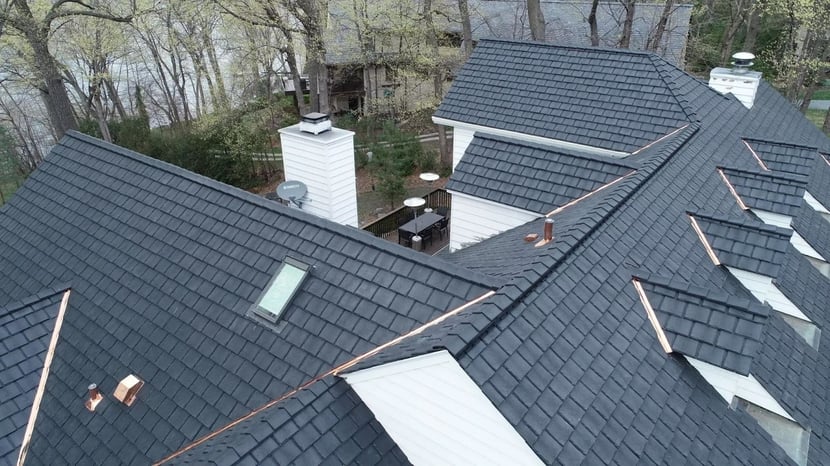
Image from Brava Roof Tile
DaVinci makes its slate tiles out of virgin resin using top-quality UV stabilizers.
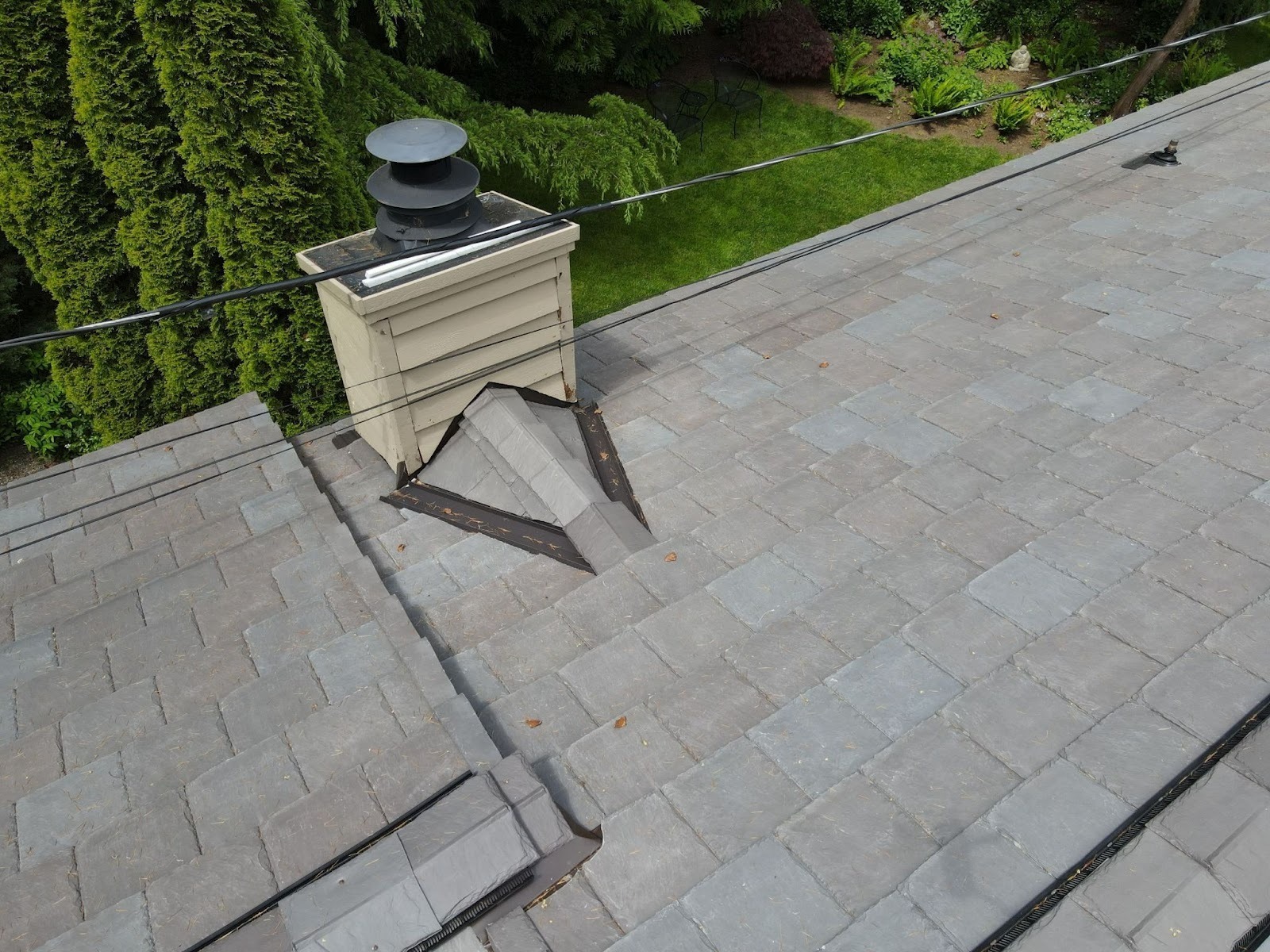
Imitation slate and shake appeal to Seattle homeowners because they:
- Cheaper than regular slate: Traditional slate roofs cost $100,000 or more to install. The material must be shipped in from across the country and then installed by an experienced roofing contractor. Synthetic slate tiles cost less to install, but keep in mind that they’re still expensive because they are a luxury product. Typically, synthetic slate tiles cost 3 to 4 times as much as an asphalt roof (which is about $30,000 to $35,000). In addition, the cost of shipping them to Seattle is $5,000. Despite that, it’s still less money overall than a regular slate roof.
- Lighter weight than regular slate: Traditional slate tiles are very heavy. Average Seattle homes are not built to withstand the weight of slate tile; you’d have to reinforce your roof to hold that weight before installing the tile. This would increase the cost of the project by a lot. However, synthetic slate tiles are lightweight and can go on your roof without needing extra reinforcement and adding a huge extra cost to the project. This also makes them much easier to work with during installation.
- Last a long time: Although synthetic tile won’t last a hundred years (or more) like traditional slate tile, it does last 50+ years. This is a lot longer than the 15 to 25 years you’d get from asphalt shingles, which is the most common roofing material used in the Seattle area.
How do Brava and DaVinci slate tiles perform on the roof?
Although Brava and DaVinci create a similar product for a similar price, there are also some key differences in the features and performance of their shingles.
In this section, Brava and DaVinci’s synthetic slate tile products will be compared and assessed on how they perform in a variety of categories. Each category will have a winner. The winner of the category is the one that performs the best (if there is a tie, then no clear winner can be identified).
1. Best Wind Resistance
Winner- Brava
Brava: Brava approves its slate tile to withstand winds up to 188 mph with nails and up to 211 mph wind speeds with special high-wind installation precautions.
DaVinci: DaVinci slate tiles are approved to be used in winds up to 110 mph.
2. Algae Resistance
Winner- Tie
Brava: Brava advertises that their roof tiles are made from “closed-cell” plastics, which makes them resistant to moisture absorbing into the tile and helps prevent algae and moss from growing or spreading. They don’t use any particular algae-resistant technology.
DaVinci: Like Brava, DaVinci says that the non-porous tiles help to prevent algae growth. They don’t advertise any algae-resistant technology either.
3. Best Fire Resistance
Winner- DaVinci
Brava: Brava offers slate tile options in both a Class A and Class C fire rating.
DaVinci: DaVinci slate tiles have a Class A fire rating. This is the highest rating you can get and means that they offer the best protection.
4. Most Eco-Friendly
Winner- Brava
Brava: Brava is made of recycled and sustainable materials, making it an incredibly environmentally friendly product. In addition, the tiles themselves can be recycled after they’ve done their time on your roof.
DaVinci: DaVinci does not make its roofing tiles out of recycled materials. However, they do have a recycling program to reuse their old products for starter tiles.
5. Most Durable
Winner- Tie
Brava: Brava tiles have a Class 4 impact rating, which is the highest level you can get for any roofing material. This means they are very impact-resistant.
DaVinci: DaVinci tiles also have a Class 4 impact rating, making them just as durable as Brava tiles.
Are synthetic tiles a good choice for my Seattle roof?
Brava and DaVinci’s synthetic slate tiles are appealing to Seattle homeowners because of their durability, longevity, and water resistance.
However, there are some cons to having plastic tiles on your roof in the damp, rainy Seattle weather:
- Fading tile color: Although these synthetic tiles have a 50-year warranty, we’ve noticed that their color typically fades after about 15 years. Brava’s warranty and DaVinci’s warranty provide coverage for a certain amount of fading for only 10 years.
- Algae resistance: In such a rainy area, it’s almost guaranteed that your roof will grow moss and/or algae at some point, especially if your roof doesn’t protect against it. Despite the claims on the website, we have seen this type of synthetic roof tile grow algae. This type of roof is very slippery when wet, making it dangerous to clean algae off.
How do I decide between Brava and DaVinci for my slate tile roof?
Since Brava and DaVinci’s slate tile roofing is so similar, it’s hard to choose between them. But there are some key differences between them.
For the best fire resistance, choose DaVinci for its consistent Class A rating. For the best wind resistance or the most eco-friendly product, choose Brava.
If none of the above criteria is particularly important to you, then choose the one that matches the aesthetic of your home better.
How can I find a Seattle roofer who is qualified to install synthetic roof tiles?
Now that you understand the pros and cons of Brava vs. DaVinci synthetic slate roofing, you might be wondering how to ensure your installer can do the job right. Choosing the best product is only half the battle. Even the most durable tile can fail early if it's installed by a roofer who doesn’t understand synthetic roofing systems or Seattle’s unique climate challenges.
Not all roofing contractors have experience with premium products like Brava or DaVinci, and the installation techniques are different from those used for standard asphalt shingles.
If your contractor hasn’t worked with these materials before, or doesn’t follow manufacturer specs, you could end up with wind damage, leaks, or even voided warranties.
So, how do you know if your roofing contractor is actually qualified to install high-end synthetic tile?
Read our article “Is Your Seattle Roofer Actually Good? Here’s How to Tell Before It’s Too Late” to find out to learn the questions to ask, the red flags to watch out for, and the qualifications that truly matter.
Frequently Asked Questions
1. Is synthetic slate really cheaper than natural slate?
Yes. A natural slate roof can exceed $100,000 in Seattle, whereas synthetic tiles typically cost 3 to 4 times the price of an asphalt roof (roughly $30,000–$40,000). You also save significantly because synthetic tiles don't require expensive structural roof reinforcements.
2. Which brand handles Seattle windstorms better?
Brava is the heavy hitter here. It is rated for winds up to 188 mph (and even higher with specialized installation), while DaVinci is typically approved for up to 110 mph. If your home is in a high-wind coastal area, Brava offers better peace of mind.
3. Will synthetic tiles grow moss or algae?
Despite being non-porous "closed-cell" plastic, yes. In Seattle’s damp environment, algae can still form on the surface. Because these plastic tiles become incredibly slippery when wet, professional cleaning is a must for safety.
4. Are these tiles truly fireproof?
DaVinci holds the edge here with a standard Class A fire rating (the highest possible). Brava offers Class A options, but some of their products carry a Class C rating, so you must verify the specific line you are purchasing.
5. How long does the color actually last?
While the structural warranty lasts 50 years, the aesthetic warranty is much shorter. Most manufacturers only cover significant fading for the first 10 years, and visible fading often begins around the 15-year mark in the PNW.
6. Can I walk on a synthetic tile roof?
Both Brava and DaVinci carry a Class 4 impact rating, meaning they are highly durable against hail and foot traffic. However, you should avoid walking on them when wet, as the polymer surface offers zero traction.
7. How do I know if my roof leak is from the tiles or my gutters?
Water backing up at the eaves is a common issue in Seattle. Before assuming your premium tiles have failed, you should determine if your roof leak is caused by the roof or gutter guards to rule out drainage clogs.
8. Does a manufacturer's warranty cover the labor to fix a leak?
Generally, no. Most synthetic tile warranties cover replacement materials only. It is vital to check if a manufacturer’s warranty actually protects your roof or if you’ll be stuck paying high Seattle labor rates for the repair.
9. Will poor attic ventilation cause my synthetic tiles to fail?
While the plastic won't rot, trapped heat can cause decking issues. You should look for signs that your attic does not have proper ventilation to ensure your expensive new roof isn't being damaged by condensation from below.
Topics:
