

When it comes to buying a roof, the number one question is how much it will cost.
The total cost depends on a few different factors, which we will break down in depth on this page. But the average Seattle homeowner pays about $30,000 to $35,000 to get a new roof installed in the Seattle area.
Roofers are pretty vague about how much roof work will cost until after they've inspected your roof. But that's not really helpful to you when you're trying to do research beforehand. Their classic go-to phrase is "it depends", which is not untrue, but also an annoying answer when you're looking for a real number.
This guide gives you the actual cost estimates and explains why roofing costs as much as it does in the Seattle area.
Depending on the roof material that you choose, the total cost of your roofing project can vary drastically.
Each type of roofing material has different pros and cons. The one that you choose will depend on your budget, your aesthetic preferences, and your roof's needs.
As you can see, asphalt shingles are going to be the cheapest option, which is why they are so popular in the Seattle area (and across the country).
| Roof Material | Cost per Sq Ft (2026 est.) | Typical Total for 2,500 sq ft Roof | Lifespan (Years) | Best For in Seattle |
|---|---|---|---|---|
| Asphalt Shingles | $8 – $14 | $20,000 – $35,000 | 20–30 | Most homeowners (affordable) |
| Metal Roofing | $15 – $25+ | $40,000 – $70,000+ | 40–70 | Long-term durability, modern look |
| Cedar Shake | $18 – $30+ | $50,000 – $80,000+ | 30–50 | Traditional aesthetic |
| Concrete/Clay Tile | $15 – $40+ | $45,000 – $100,000+ | 50+ | Premium, fire-resistant |
| Flat/Low-Slope (PVC etc.) | $12 – $22 | $25,000 – $50,000+ | 20–40 | Flat roofs, commercial-style homes |
The cost of installing a flat roof in Seattle can vary a lot. The materials themselves aren't super expensive. You have three general choices: torch down, TPO, and PVC. PVC is the most expensive (about $12 per sq ft), and torch down is the cheapest (about $9 per sq ft). TPO is in between, costing around $10 per sq ft.
However, a flat roof installation can easily reach a cost of $200-$300 per square foot or more when factoring in necessary insulation, deck repairs, tapered systems, and other requirements.
The cost can really start to add up on a lot of flat roofs in the Seattle area because they have major condensation problems. Most flat roofs haven’t been insulated properly, so any moisture coming up has nowhere to go.
To prevent condensation, you almost always need to add rigid foam insulation on top of the roof decking (this is a best practice suggestion, but it's not necessarily going to be required by code).
Pretty much every time you try to look up roofing costs in your area or call up a roofing company to ask, they give you a vague non-answer. It's usually something along the lines of "We cannot give a price until we see your roof."
So, why are roofers so secretive when it comes to pricing? They don't want to quote you a price that might be inaccurate.
There are many factors that go into figuring out how much it will cost to replace your roof. Every roof is unique, so there is no one-size-fits-all answer. Roofers are hesitant to even give an estimate because there are so many variables, and they don't want to be held to any amount they might say to you.
While it's technically true that a fully accurate estimate cannot be given until you have your roof inspected, it's frustrating to be dismissed without even getting an estimate.
This page is the solution. It allows you to walk into an inspection with your roofer ready to have a realistic discussion about roofing costs.
The roof material you choose can drastically change the price of your roof work, but there are also other factors that you need to consider when thinking about cost.
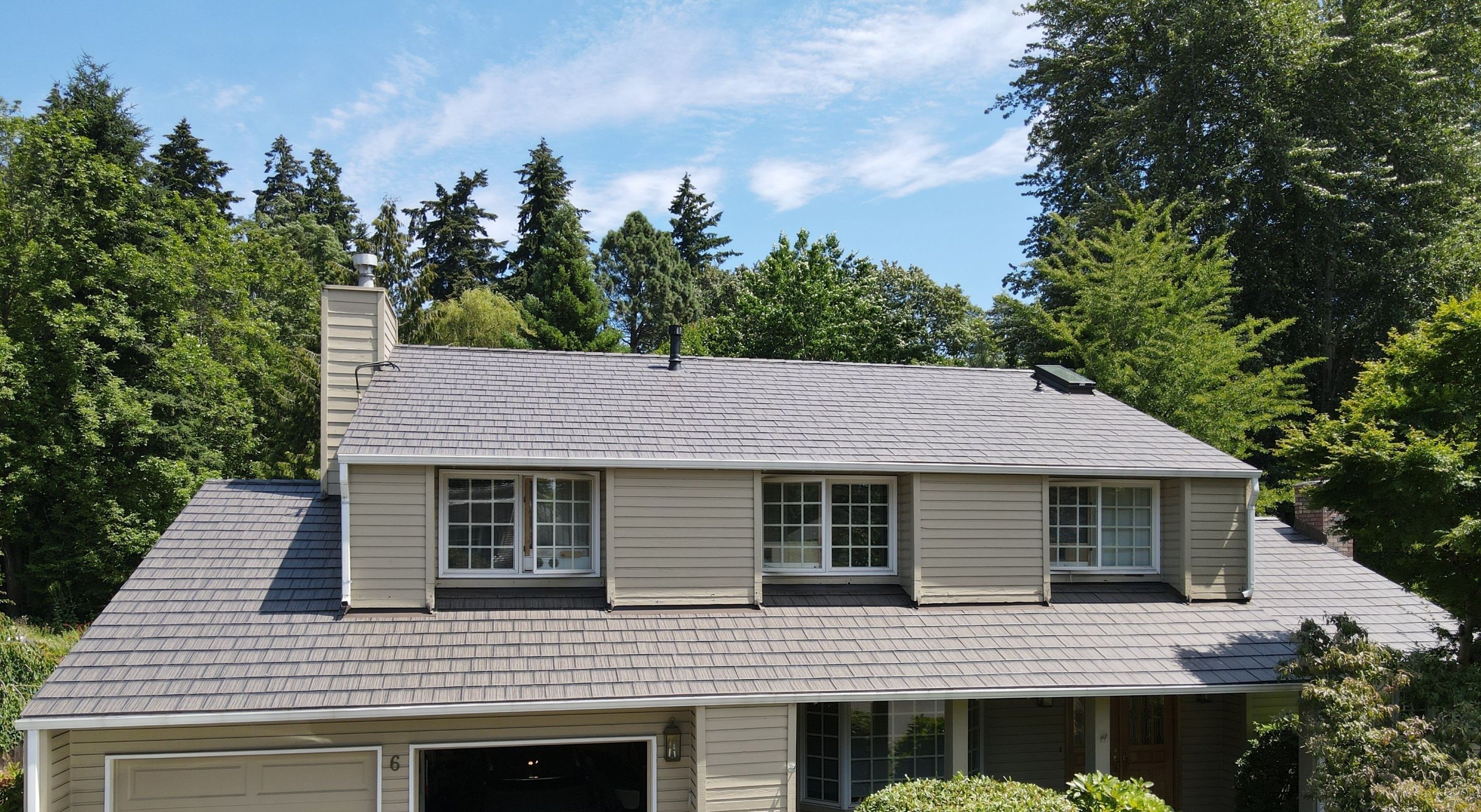
1. Roof Size and Shape: The square footage of your roof will help determine the cost. The bigger your roof is, the more expensive it will be. But also, the more slopes, corners, valleys, and levels your roof has, the more that will add to the cost. If your roof has a complicated layout (even if it's only in a few spots), then it will take longer for the crews to roof it. The same thing applies to the steepness of your roof. A steeper roof requires more safety precautions, which adds to the cost.
2. Limited Yard Access: If you have a wide open yard that makes it easy to back a trailer up to your house, then this isn't a problem. But a lot of homes in the Seattle area have narrow driveways or small properties that are close to their neighbors. This can make it tough for roofing crews to access your property. If they can't back up a dump trailer to your house for disposing of old shingles, then they'll have to transport them by hand from the roof to the dump trailer. This will add a little bit to the total job cost.
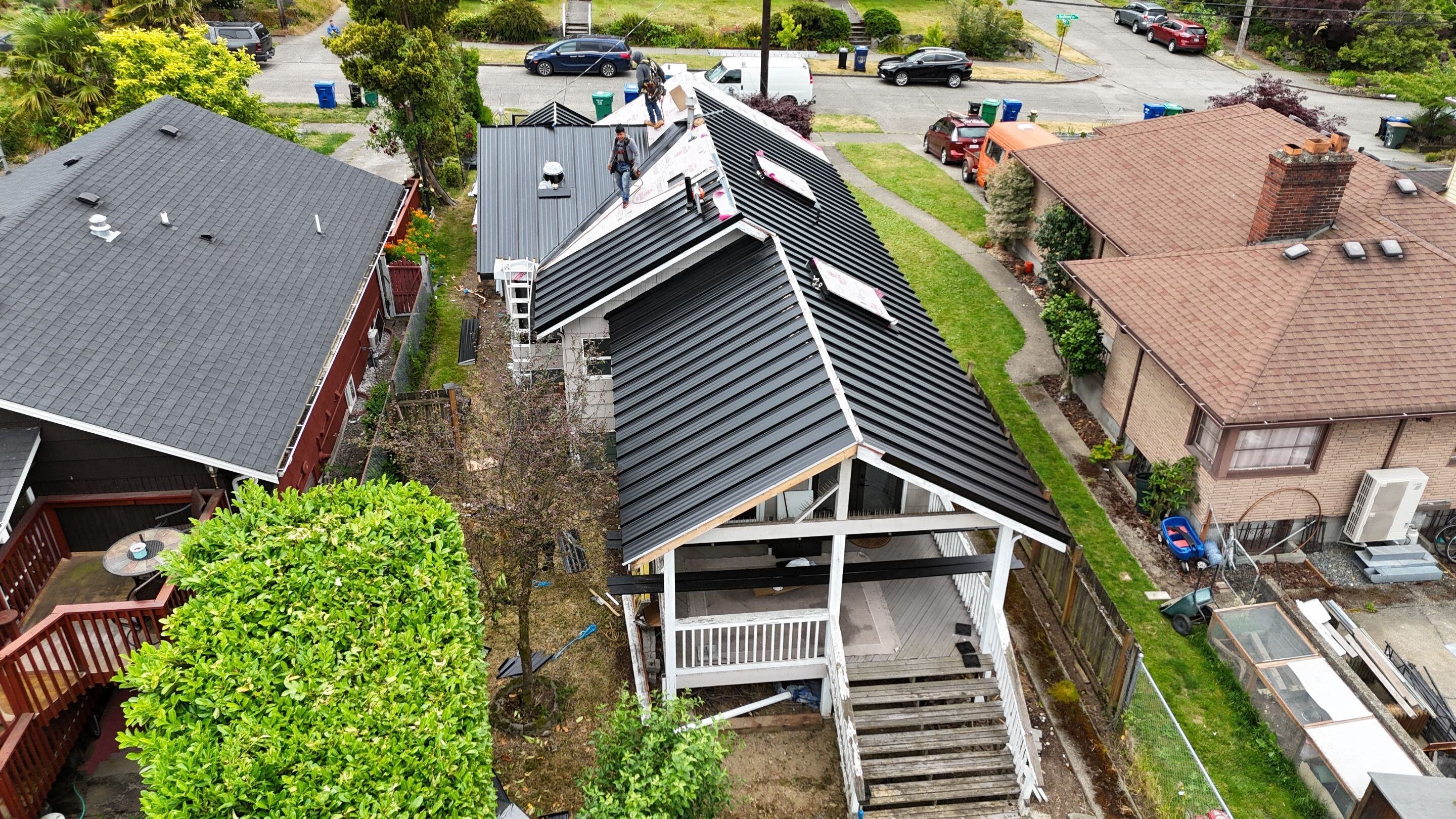
It's a good idea to anticipate that there might be some unexpected costs during your roof installation. We recommend setting aside a contingency budget of at least a few thousand dollars.
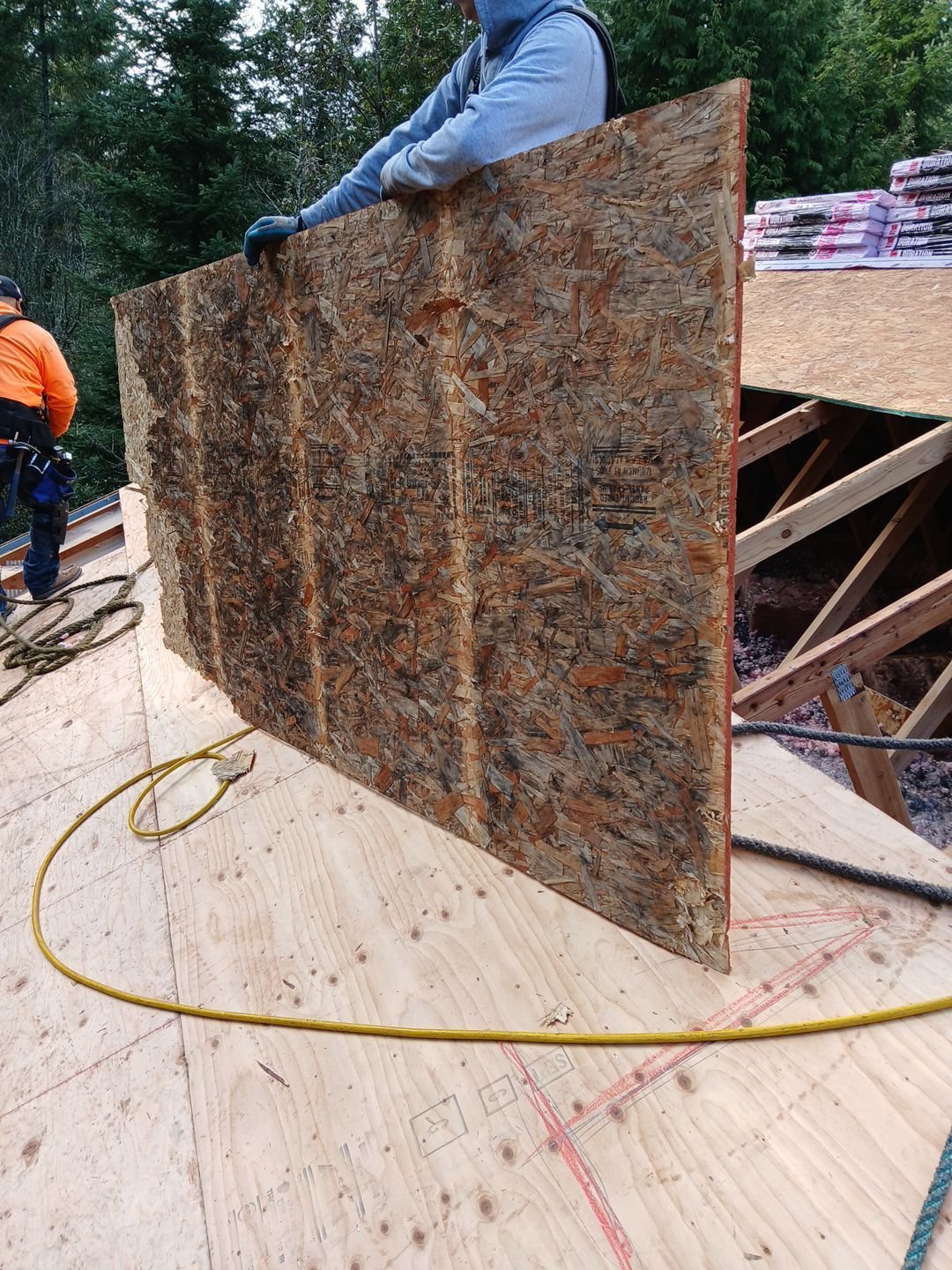
3. Rotting Roof Decking: In some cases, your roofer might notice that your roof decking is rotting as they are removing your old roof. Sometimes, rotting wood cannot be seen until this point in the roofing process. It's a pretty common issue in the Seattle area. If this happens, you have to pay a little bit more to replace the rotting boards. If it's only a few, this won't be too much extra (like a few hundred dollars). If the rot is pretty extensive, this might cost several thousand dollars.
4. Replacing Insulation: If your insulation is too low or it needs to be replaced for some reason, then you'll have to pay an extra few thousand dollars to replace it. Usually, the reason that it all needs to be replaced is that it is moldy. This can't really be cleaned off.
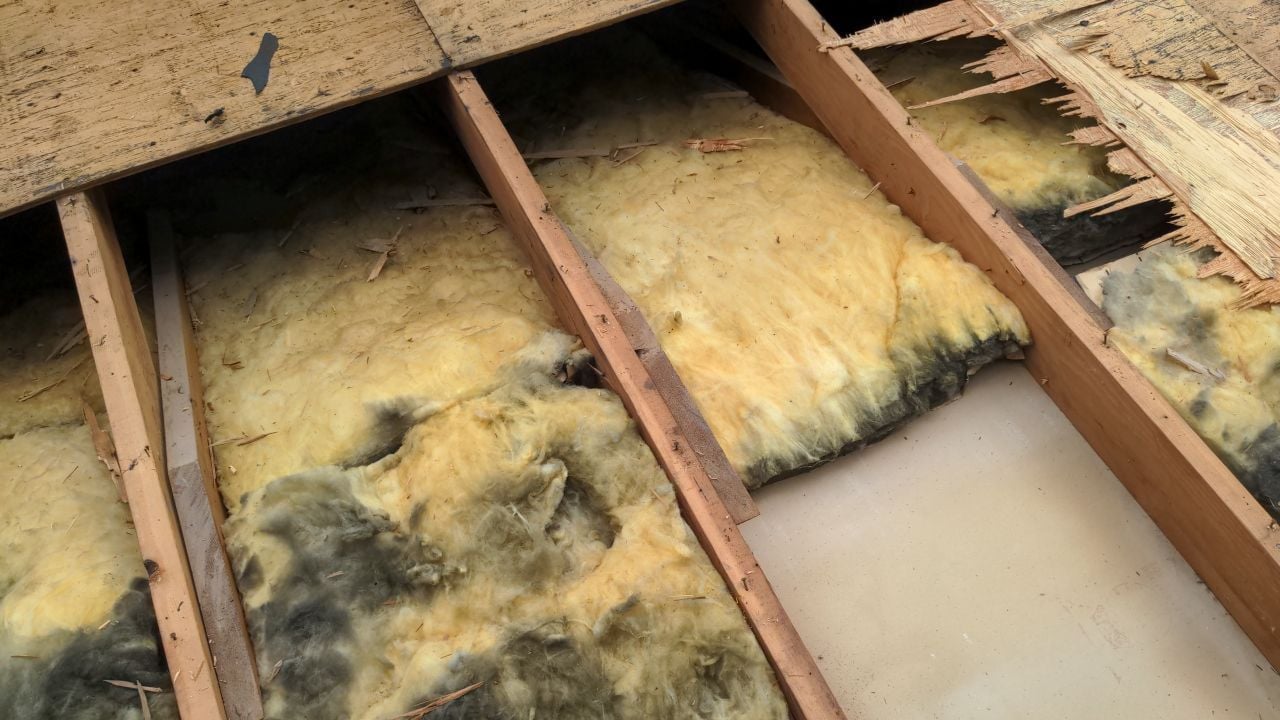
5. Mold Remediation: Mold is another common issue in the Seattle area due to the constant dampness and large quantities of rain. Mold remediation typically costs a few thousand dollars. If your attic is moldy, you might also need to replace your insulation and some of your roof decking.
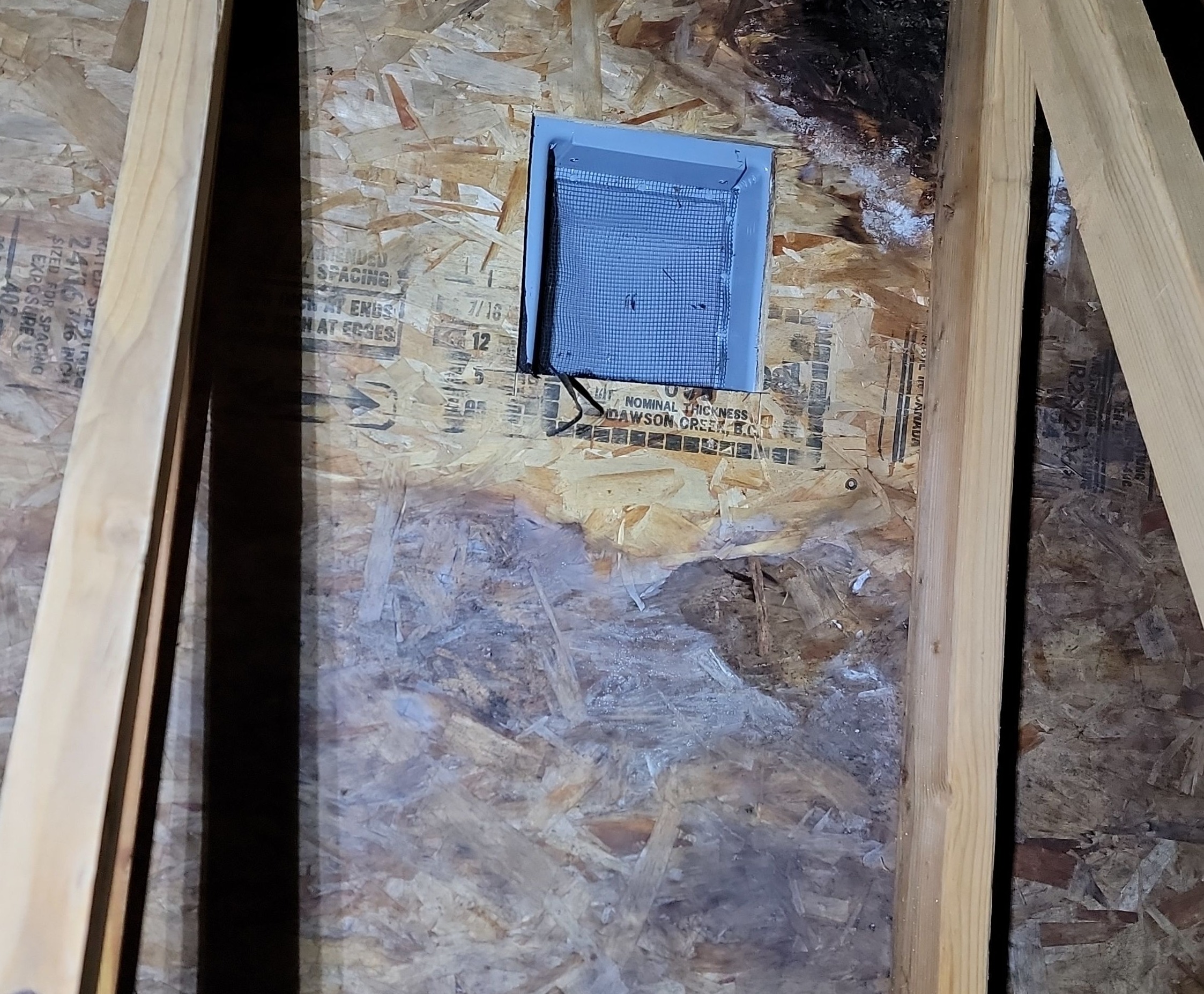
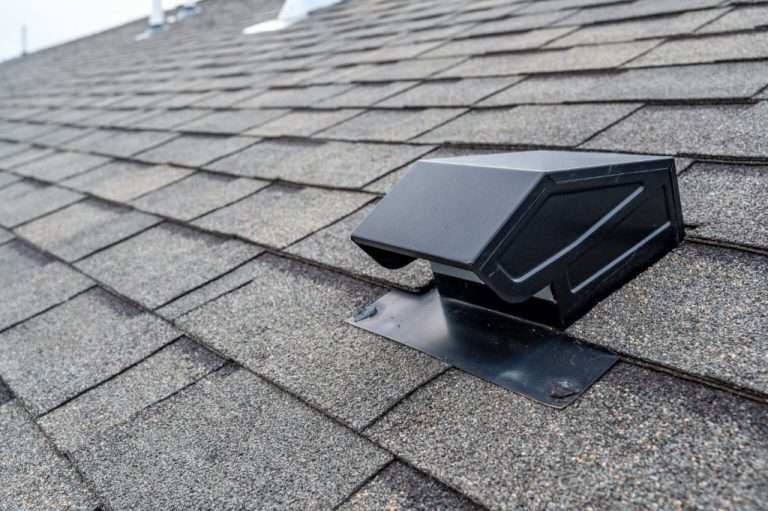
6. Updating Attic Ventilation: A lot of houses in the Seattle area were built a long time ago and do not meet current attic ventilation code requirements. This means that your attic isn't getting proper airflow. At RoofSmart, we check to see if your ventilation is working properly and then fix it if needed (it usually is). The added cost for this can vary widely. Sometimes you only need to pay a few hundred dollars to add a few vents, while other times you need to pay several thousand dollars to completely redo your attic's ventilation system.
Although replacing shingles is a big part of installing a roof, it's not the only thing that happens. Every roof is unique, so some of these extra expenses might apply to your home while others won't.
This is something that your roofer should warn you about ahead of time. And, as they notice problems that will cost extra, they should clearly communicate this with you and send you change orders in writing.
Get an inspection so we can spot the hidden costs before you sign anything.
In addition to the initial price that you pay for your roof, you can also expect that you might occasionally pay for maintenance or repairs throughout the life of your roof.
Repairs and maintenance are the two big lifetime expenses that you might face. It's hard to say how much you'll spend on these because it's different for everyone.
Most roofers charge a minimum of $300 to $500 for maintenance (an annual cleaning and inspection). You probably won't spend much more than this in maintenance in a year unless you're having a lot of problems with moss or algae.
The amount you pay for maintenance is mostly up to you. A lot of homeowners choose to do roof maintenance on their own to save money.
Repairs are also tricky to calculate because ypu might need several, or you might never need a repair. There are a lot of different things on your roof that might need to be repaired, so you might spend anywhere from $600 to $5,000. If the repair is really extensive, then you might spend even more than this.
It can be shocking to learn that an asphalt roof, which is the cheapest option, will cost around $30,000. You might think to yourself, "Wait, how is that even possible?"
But keep in mind that the total estimated costs on this page aren't just for materials (which is what a lot of people focus on). There are other factors that impact the total cost of your roof replacement. This can be broken down into 3 categories:
1. Materials: Materials and labor each take up about 1/3 of the total job cost. These are generally pretty straightforward costs and are consistent throughout the country. You'll need to pay for the new roofing material and a handful of other materials (like plywood or vents).
2. Labor: Labor costs in the Seattle area are higher than the national average because of the high cost of living in this area. That's why it's much more expensive to install a new roof in Western Washington, even just compared to Eastern Washington.
3. Taxes and other government-mandated fees: And, of course, you also have to pay for the labor to install all of these products. Taxes and other government-mandated fees take up the rest of the project cost. This includes things like sales tax, permit fees (if applicable), worker's comp fees, and other assorted taxes.
In a typical roof estimate or proposal, you’ll get the cost breakdown for the materials and labor needed to install your new roof. On top of that, there are a few other fees that are included in the total job cost:
These fees are usually included in other costs, making them hidden. They’re most noticeable when you’re comparing costs between roofers and see an increase in cost for the same amount of work
Another thing that can increase the cost of your roof installation is when your roof is damaged or doesn't meet code and needs to be fixed. This adds to labor and material costs:
In an ideal world, you get the best work for the lowest price. But in the world of roofing, if someone tells you that they can do the same work for a lower price, it's not true. A lower price means lower quality and the potential to have roof problems as soon as a few years down the line.
If you get a roof proposal that is significantly cheaper than the others, this means that they are skipping important steps or only choosing the cheapest materials.
Vague descriptions in a roof proposal are the easiest way for roofers to get away with sketchy practices that make the job cheaper. Avoid anyone who is vague and unwilling to answer your clarifying questions.
When you're evaluating a roof work proposal, make sure that the scope of work is clearly explained. You should be able to tell what steps your roofers will take to replace your roof and the specific materials they'll use for each step.
Ways roofers make their proposals cheaper include:
There are a ton of ways that roofers can cheap out on your proposal. If you want a quality roof that will last as long as possible, avoid the cheapest roofer (especially if their price is suspiciously lower than everyone else).
If you're worried about paying for a roof replacement, you can also consider looking into our financing options. Financing is a great option if you're not sure that you can afford a roof right now, but are really in need of a replacement.
There is a wide variety to choose from, so you can find a plan that works best for your budget.
A lot of homeowners are tempted to put off roof replacements due to the high cost.
We understand the urge to wait, but before you make that decision, keep in mind that it could potentially cost you more money.
If your roof has a hidden leak or is vulnerable to leaks, then your roof will start to rot, grow mold, and could even face structural issues.
You might have to pay thousands of dollars more to repair the damage from the leak, which can include:
Waiting just one more year can potentially wreak havoc on your roof and cost you thousands more than you were expecting to pay. If you decide to wait to replace your roof without checking for leaks or potential leaks, then you're likely only adding to the cost of your roof.
Our free instant estimate tool is designed to provide you with an instant ballpark cost estimate tailored to your specific roofing needs.
Simply enter a few details, such as your roof’s dimensions and condition, and we’ll generate a personalized estimate based on up-to-date industry standards and material costs.
Schedule a free inspection to learn what’s wrong with your roof and how we can help you fix it.