How Do You Choose the Right Roofing Material for Your Seattle Home?

With so many roof material options out there, it can be hard to narrow down your decision. How do you really know that the one you choose it the right one for you?

When making your decison it's important to consider your budget, your aesthetic preferences, and your roof's specific needs. That's how you can find the best roof for your home.

This guide will walk you through the different material options, how much each one costs, and what challenges your roof will face in Seattle's unique climate. By the end, you'll be able narrow your focus to the roofing material options that are right for your roof. 

How Does Seattle's Weather and Environment Impact Your Roof?

If you live in Seattle or the surrounding area, you know that we live in a pretty unique climate.

Here are the top five things about our environment that impact roofs: 

1.) The humidity: Humidity in the Seattle area drives up the dew point, making moisture collecting on your roof a more prevalent issue. This can also impact how easily condensation forms inside your attic during the cooler fall and winter months. Moisture build-up in the attic can lead to rotting wood and mold.

Seattle Rooftop Deck Project (33)

2.) Lots of rainfall throughout the year: If you have an asphalt shingle roof, then it is suffering in the rain. If it stays wet for long periods of time, then it can start to deteriorate faster than normal. Even roofs that are more water-resistant, like steel standing seam roofs, can potentially grow algae if it's consistently damp. Some roofs handle water better than others, but a lot of them are impacted in one way or another due to the large quantities of rain that we get here in the Seattle area.

3.) Proximity to the ocean: The salty ocean air is hard on your roofing materials and can cause them to deteriorate faster than usual. You especially have to be cautious when installing a metal roof near the ocean because some types are naturally prone to rusting in ocean air. 

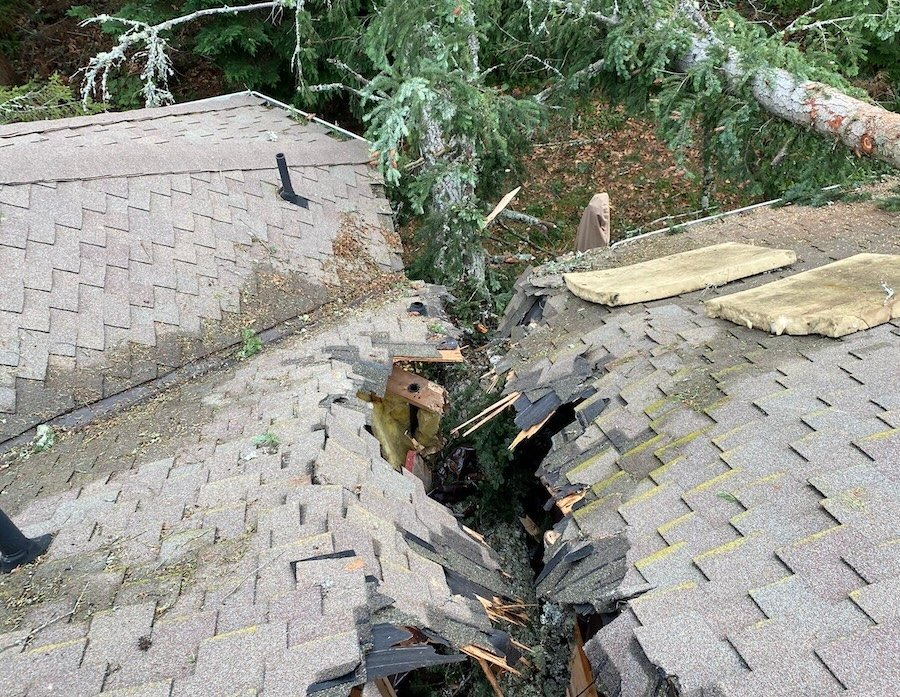
4.) Windstorms in the fall and winter: In Seattle and the surrounding areas, it is common to get windstorms with severe gusts during the rainy season. These storms can tear shingles off the roof, and even cause trees or branches to fall on your roof. This level of damage can become a huge headache, especially if your insurance company needs to get involved. 

damaged roof after tree removal

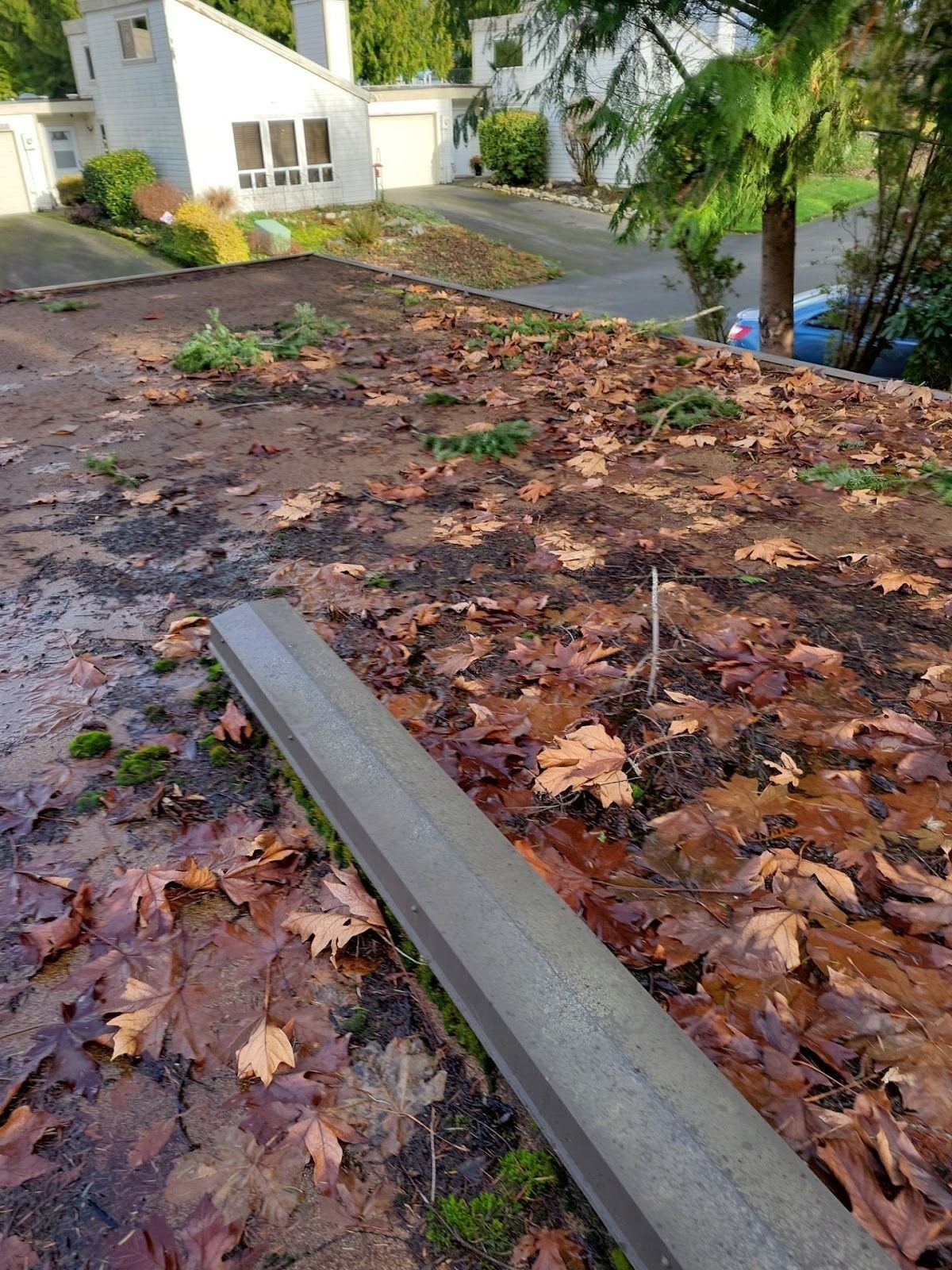
5.) Excessive debris falling from trees: Leaves, pine needles, sap, and other debris can easily shed onto your roof if you have trees on your property or hanging over your roof. Pine needles can fall off at any time of the year, so you have to worry about debris collecting at all times. This debris sits on the roof and gets wet when it rains. Then, it retains that moisture and prevents the roof from drying, which can lead to premature failure, granule loss, and leaks.

leaves and debris on flat roof 

Roof Material Decision Matrix

Comparison Factor Asphalt Shingles Metal Roofing Cedar Shake Synthetic Shake/Slate Concrete/Clay Tile
Best For Budget-conscious homeowners Long-term homeowners seeking longevity and low maintenance Homeowners who want a natural Northwest aesthetic Homeowners who want the look of cedar or slate with less maintenance Homes designed for tile architecture and long-term ownership
Upfront Cost $ $$$ $$$ $$$$ $$$$
Lifetime Value Good Excellent Good Excellent Moderate/Excellent
Expected Lifespan Moderate Excellent Good Excellent Excellent
Maintenance Low Low High Low Low to Moderate
Moss Resistance Fair Excellent Fair Excellent Excellent
Moisture Resistance Good Excellent Good (with maintenance) Excellent Excellent
Performance in Seattle Rain Good Excellent Good (requires upkeep) Excellent Excellent
Coastal Performance Good Excellent Varies by exposure Excellent Excellent
Wind Resistance Good Excellent Good Excellent Excellent
Fire Resistance* Varies by product Excellent Varies by treatment Varies by manufacturer Excellent
Weight Medium Light Medium Medium Heavy
Architectural Styles Most home styles Modern, farmhouse, contemporary, traditional Craftsman, historic, Northwest Traditional, luxury, contemporary Mediterranean, Spanish, luxury
Curb Appeal Good Excellent Excellent Excellent Excellent
Sustainability Moderate High Low Varies by manufacturer High longevity
Repair Complexity Easy Moderate High Moderate Moderate to High
Typical Maintenance Tasks Occasional inspections, clean off debris, and moss removal Inspect flashings and fasteners; clean debris Moss removal, cleaning, maintenance treatments Occasional inspections and debris removal Replace damaged tiles as needed and clean valleys every 5 to 10 years
Structural Considerations Minimal Minimal Minimal Minimal May require structural evaluation due to weight
Good Choice for Long-Term Ownership Good Excellent Excellent Excellent Moderate/Excellent
Overall Investment Level $ $$$ $$$$ $$$ $$$$


*Note: Fire ratings depend on the specific roofing product and installation assembly. Always verify the rating for the exact roofing system you're considering.

When Are Asphalt Shingles the Right Choice?

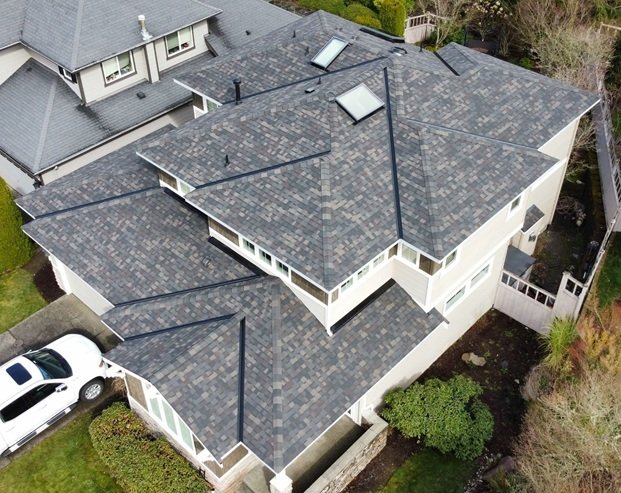
asphalt shingles black sable

For many homeowners in Seattle and the surrounding areas, asphalt shingles are the default because they are the most affordable option. 

If cost is your biggest deciding factor, then you'll probably gravitate toward asphalt shingles. As long as you hire a quality roofer, your asphalt shingles should provide great protection for your roof. 

Typically, asphalt shingles last 15-25 years in Seattle's climate. Buying thicker shingles and keeping up with regular maintenance can help your roof to last longer. 

There are four main types of shingles: 

  • Thin budget shingles: 3-tab and thin architectural shingles are the lightest option. Usually, this also means that they're the cheapest, but since 3-tab shingles aren't really being made anymore, they can get expensive. These lightweight shingles get worn down quickly and lose granules like crazy. They're not really an ideal option unless you need a quick or extremely cheap roof solution. 
  • Standard architectural shingles: These are the standard middle-ground shingles used now. These will provide good coverage and last a reasonable amount of time without breaking the bank. 
  • Heavier luxury shingles: If you want an asphalt shingle roof but you want it to last a little longer or want to elevate the look of your roof, then you might want to consider luxury shingles. These cost a little more than standard shingles, but they are thicker and have more design elements to increase your home's curb appeal. 
  • SBS modified (rubberized) shingles: A newer option these days is asphalt shingles with rubber mixed in. This creates a more durable shingle that lasts longer, has better impact resistance, and is more flexible in colder weather. These cost about the same as luxury shingles. They're a good option if you want the look of asphalt shingles but with additional durability and longevity. 

Asphalt shingles are a good option if you want quality coverage for a good price. In most cases, they are a good fit. 

However, they are not recommended if you: 

  • want to install solar panels
  • have a low slope roof

Both scenarios will lead to leaks and extreme rot. We've seen it happen a ton in the last 15 years. 

If you have a lot of trees on your property, you'll need to be vigilant about removing debris from your roof. When wet debris (from the rain) sits on the roof, it prevents it from drying out and causes the asphalt shingles to deteriorate faster.

When Is Metal Roofing the Right Choice?

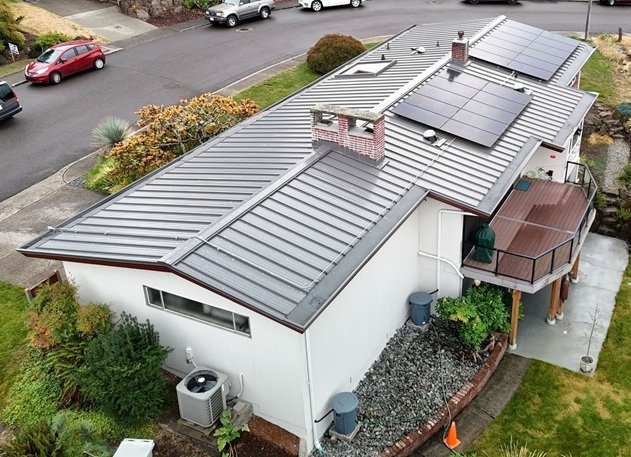
metal charcoal gray

If you're considering a roof replacement in the Seattle area, metal roofing is the second most popular roofing option. It lasts for decades, stands up to harsh weather, and gives homes a distinctive appearance. But it's not the right fit for every home or every homeowner.

The best roofing material depends on your budget, long-term plans, the style of your home, and how much maintenance you're willing to take on. Here's what Seattle-area homeowners should know about metal roofing before deciding if it's the right investment.

Metal roofing is a good choice if you want a roof that lasts for decades

One of the biggest reasons homeowners choose metal roofing is its longevity. While asphalt shingles typically require replacement sooner, a properly installed metal roof can protect your home for many decades.

For homeowners planning to stay in their home long-term, that durability can offset the higher upfront investment. Instead of planning for another roof replacement in the future, many homeowners see metal roofing as a "buy it once" solution.

Metal roofs perform well in Seattle's wet climate

Seattle's climate presents challenges that roofing materials must withstand year after year:

  • Heavy rainfall
  • Moisture that encourages moss growth
  • Windstorms
  • Coastal salt exposure in some areas

We recommend metal roofs because they shed water efficiently and are naturally resistant to moss growth. Unlike rougher roofing materials, metal's smooth surface doesn't provide an ideal environment for moss to establish itself.

For homeowners living near Puget Sound or the coast, metal can also be an excellent choice because many systems offer strong resistance to moisture and corrosion when paired with the appropriate coatings.

Metal roofing is ideal if you want minimal maintenance

Every roof requires inspections and occasional maintenance, but metal roofs generally require less routine upkeep than materials like cedar shake.

Because they resist moss growth and don't absorb moisture like asohalt shingles do, maintenance is much quicker and easier.

Debris won't harm the roof, so you can leave it there without worrying. 

The only downside for maintenance is that metal roofs can be very slippery, so proceed with caution when it's wet. 

Metal roofing comes in several styles

Not all metal roofs look alike. Understanding the differences helps homeowners choose the right appearance for their home.

Standing seam metal roofing

Standing seam is the premium option and one of the most popular metal roofing systems in the Seattle area.

Its concealed fasteners help protect against water intrusion while creating the clean, modern appearance many homeowners want.

Standing seam is often a great fit for:

  • Homes exposed to severe weather
  • Homeowners planning to stay in their home long-term

You can choose between the following materials: 

  • Steel (most common)

  • Aluminum
  • Zinc
  • Stainless steel
  • Copper

Each one varies in terms of cost, longevity, and corrosion resistance. 

Standing seam and aluminum are the least expensive, while copper has the highest cost. 

Steel requires special coatings to avoid corrosion, whereas the other materials don't need additional protection. 

Exposed fastener metal roofing

Exposed fastener systems use visible screws to secure the panels.

While they typically cost less initially, they generally require more maintenance over time because the exposed fasteners can eventually need replacement as washers age and weather.

For many residential homes, standing seam remains the preferred long-term option.

Gauge matters more than many homeowners realize

If you've started researching metal roofing, you've probably heard about 24-gauge and 26-gauge steel.

While both are used in residential roofing, thicker steel (24-gauge) generally offers greater resistance to denting and oil canning, particularly in areas with heavy tree coverage or weather exposure.

The best choice depends on your home's needs, budget, and the specific roofing system being installed.

The paint coating is just as important as the metal itself

Many homeowners focus on the steel but overlook the finish protecting it.

Metal roofing commonly uses three coating systems:

  • Polyester
  • SMP (Silicone-Modified Polyester)
  • PVDF

While each has its place, they differ significantly in color retention, chalk resistance, fade resistance, and long-term appearance.

For homeowners planning to keep their roof for decades, understanding these differences is just as important as selecting the roofing panel itself.

Metal roofing costs more upfront but may provide better long-term value

Metal roofing is one of the more expensive residential roofing materials.

However, homeowners should compare more than just installation cost.

When evaluating value, consider:

  • Expected lifespan
  • Maintenance requirements
  • Energy efficiency (where applicable)
  • Repair frequency
  • Future replacement costs

For homeowners planning to stay in their home for many years, metal roofing often becomes more cost-effective over time than replacing lower-cost materials multiple times.

When is metal roofing not the best choice?

Despite its advantages, metal roofing isn't ideal for everyone.

It may not be the right fit if:

  • Your primary concern is minimizing upfront cost.
  • You're replacing the roof before selling and don't expect to benefit from its long lifespan.
  • The architectural style of your home is better suited to another roofing material.
  • You're looking for a roof that closely resembles traditional cedar or slate.

Like every roofing material, metal involves trade-offs. The key is deciding whether its durability, longevity, and low maintenance justify the higher initial investment.

Owens Corning Platinum Preferred Contractor
Certainteed select shinglemaster premier
RoofSmart is a Seahawks small business partner
GAF Certified Weatherstopper contractor
 
Google 4.9 ★ | A+ BBB | 15 yrs in Business | CertainTeed Select ShingleMaster PREMIER | Owens Corning Platinum | GAF Certified Plus | Official Seahawks Small Business Partner 

When Is Cedar Shake the Right Choice?

Cedar shake roof

For many Seattle-area homeowners, cedar offers a classic look that complements any home's architecture. However, it also requires more maintenance than many alternative roofing materials, making it a better fit for some homeowners than others.

Cedar shake is ideal if appearance is your top priority

The biggest reason homeowners choose cedar is its timeless aesthetic.

Natural cedar creates warmth, texture, and character that manufactured roofing materials often try to replicate. It's especially popular on:

  • Craftsman homes
  • Northwest contemporary homes
  • Historic homes
  • High-end custom homes

If maintaining an authentic wood appearance is important to you, cedar remains one of the most distinctive roofing options available.

Understanding cedar shake grades

Not all cedar shakes are created equal.

Cedar roofing is available in different grades, each affecting durability, appearance, and price.

Higher-grade cedar products use better portions of the tree with fewer imperfections, providing a more consistent appearance and longer performance.

Choosing the right grade can significantly impact how your roof ages over time.

Cedar performs well but requires ongoing maintenance

Seattle's climate is beautiful for trees, but it's also ideal for moss.

Unlike metal roofing, cedar naturally requires more maintenance because moisture and organic debris can encourage moss and algae growth if left unmanaged.

Not to mention that it collects debris (especially small pine needles) pretty easily and that it needs to be retreated every 5 years.  

Homeowners considering cedar should expect to do regular maintenance to preserve both appearance and longevity.

For many homeowners, the maintenance is worth it because of cedar's natural beauty.

When cedar shake is the right choice

Cedar is often the right roofing material if you:

  • Love the authentic appearance of natural wood.
  • Own a traditional or historic home.
  • Are willing to invest in regular maintenance.
  • Want a premium roofing material that complements your home's architecture.

If your priority is minimizing maintenance, then you may want to compare cedar with today's synthetic alternatives.

When Is Synthetic Cedar Shake or Slate the Right Choice?

euroshield slate close up

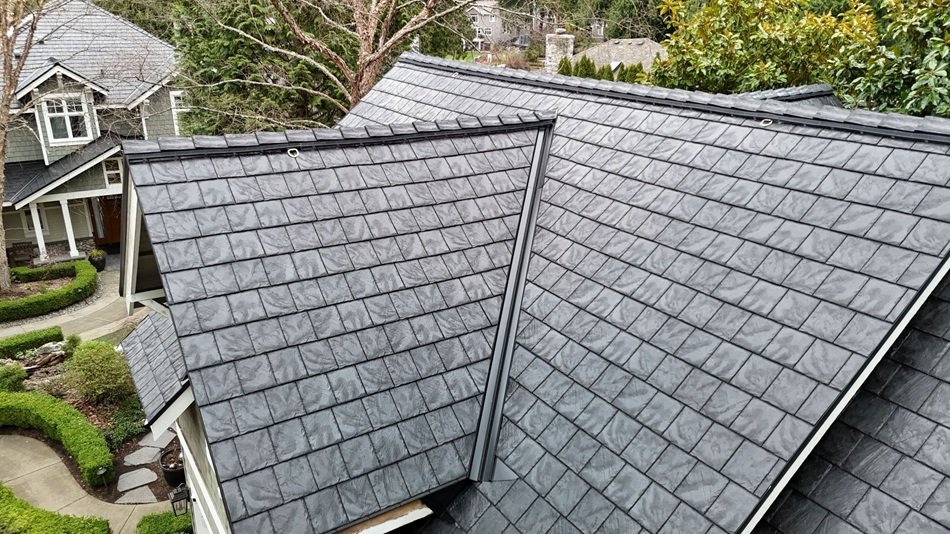
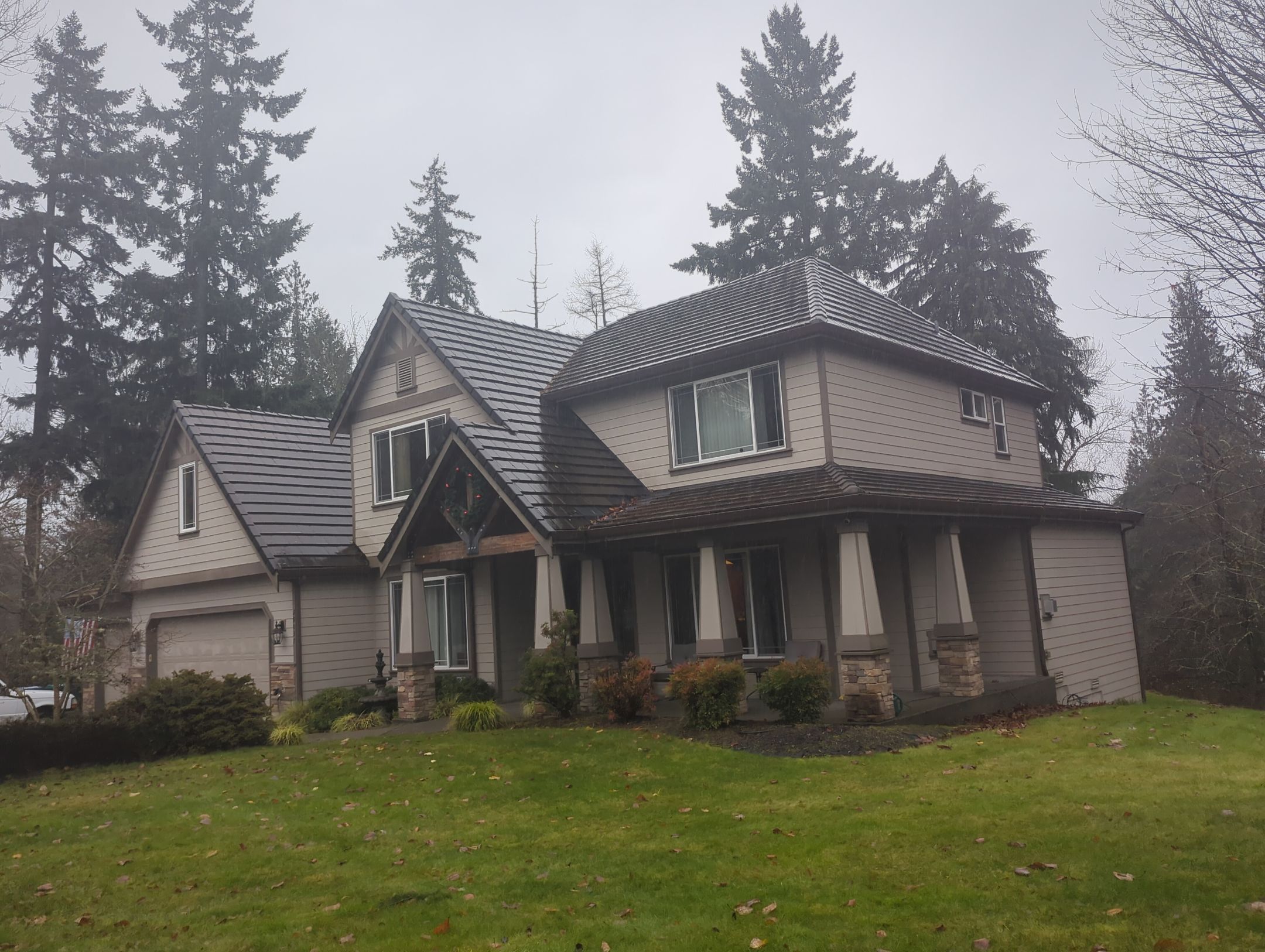
Synthetic roofing is becoming an increasingly popular premium roofing category because it combines the appearance of natural materials with lower maintenance requirements.

For many Seattle homeowners, synthetic shake and slate provide an appealing middle ground between natural cedar and metal roofing.

Synthetic roofing is a good choice if you want the look of cedar without the maintenance

Many homeowners love cedar, but not the maintenance that comes with it.

Synthetic shake and slate roofing products are designed to mimic the appearance of cedar shake or natural slate for a lower cost and without the maintenance concerns.

For homeowners who want curb appeal with less upkeep, synthetic roofing deserves serious consideration.

There isn't one "best" synthetic roof

RoofSmart compares several leading manufacturers because each offers different strengths.

Among the most common options are:

  • Brava
  • DaVinci
  • Euroshield

Each of their synthetic roofing products differ in appearance, material composition, impact resistance, and installation considerations.

Rather than asking which manufacturer is "best," homeowners should determine which product aligns best with their priorities.

Euroshield offers a unique approach

Euroshield differs from many other synthetic roofing products because it's manufactured from recycled rubber.

That construction provides characteristics that appeal to homeowners looking for durability while also considering sustainability.

Depending on the product selected, homeowners may also appreciate its ability to absorb impacts differently than more rigid roofing materials.

Synthetic roofing is often a strong fit for Seattle homes

Synthetic roofing can be an excellent option if you:

  • Want the appearance of cedar or slate.
  • Prefer lower maintenance than natural wood.
  • Plan to stay in your home long-term.
  • Are investing in a premium roof replacement.

Although the upfront investment is significant, many homeowners find the combination of aesthetics and reduced maintenance worth the additional cost.

When Is Tile the Right Choice?

tile roof

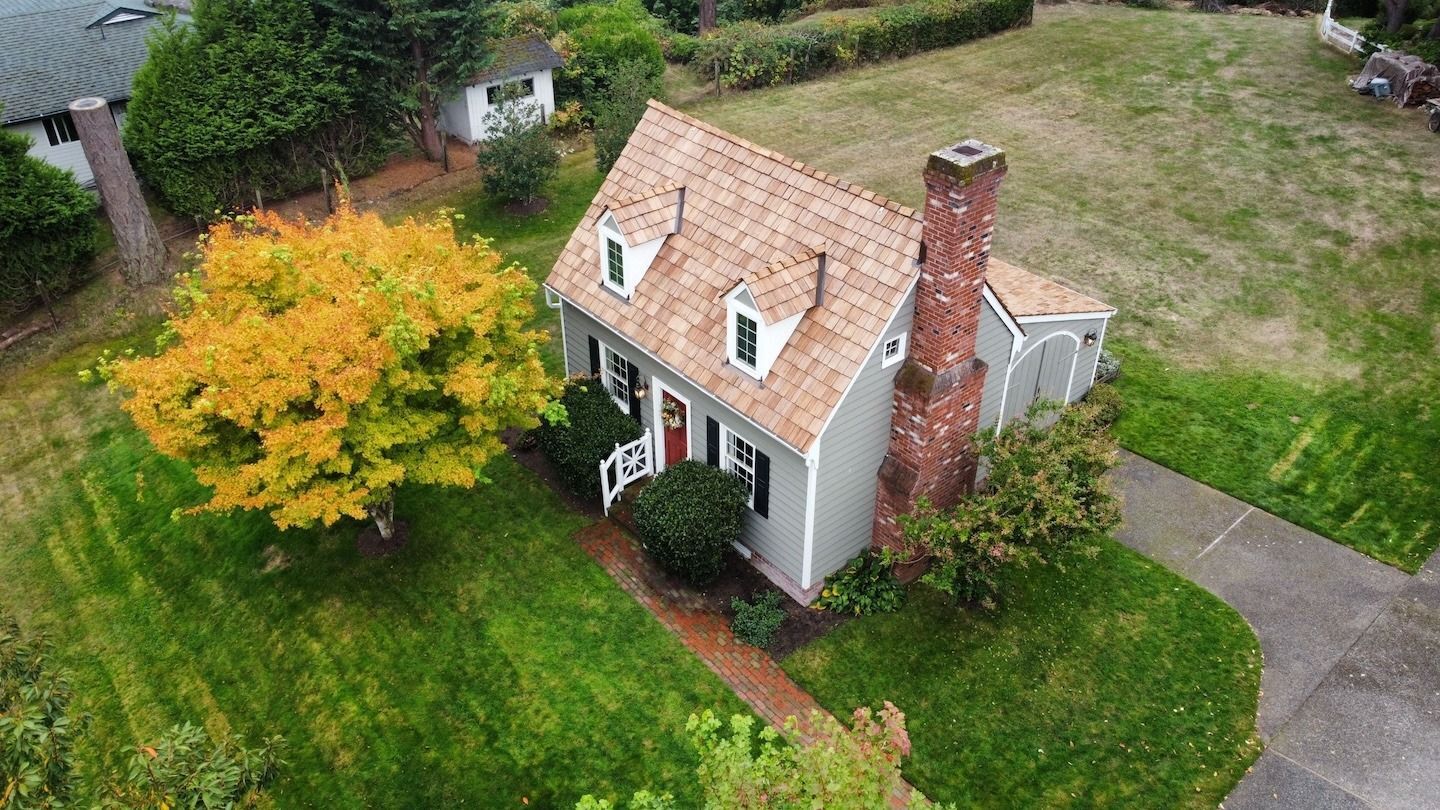
Concrete and clay tile roofs are known for their distinctive appearance. While they aren't as common as asphalt or metal roofing in the Seattle area due to their high installation cost, they can be an excellent choice for certain homes.

Tile is ideal if your home is designed for it

Tile roofing works best when it complements the architecture of the home.

It's commonly found on:

  • Mediterranean homes
  • Spanish-style homes
  • Tuscan-inspired designs
  • Some custom luxury homes

The weight and appearance of tile make it a material that should be selected intentionally rather than simply replacing another roof type.

Clay tile can last for decades

One reason homeowners invest in tile roofing is its long service life.

However, even though the tiles themselves often last a very long time, individual tiles can crack or become damaged over the years.

Knowing when to repair versus replace becomes an important part of owning a tile roof.

Related reading: Should You Repair or Replace a Concrete Tile Roof?

Clay tile performs well in many weather conditions, but concrete doesn't

Clay tile resists moisture, insects, and rot, making it a durable roofing material.

For homeowners near the coast, clay tile is a great option for homes exposed to salt air.

However, concrete tile can absorb moisture, making it a prime growth spot for moss and algae. It can also crack if it has absorbed too much moisture and then gets cold. 

Concrete tile costs less than clay tile, but it is also less durable. 

Tile isn't right for every home

Because tile roofing is significantly heavier than many other materials, homeowners should understand that switching to tile often involves additional structural considerations.

This is one reason tile replacements frequently make more sense than converting from another roofing material.

When Is a Flat Roof Membrane the Right Choice?

PVC low slope

Not every roof is steep enough for shingles, shake, or tile.

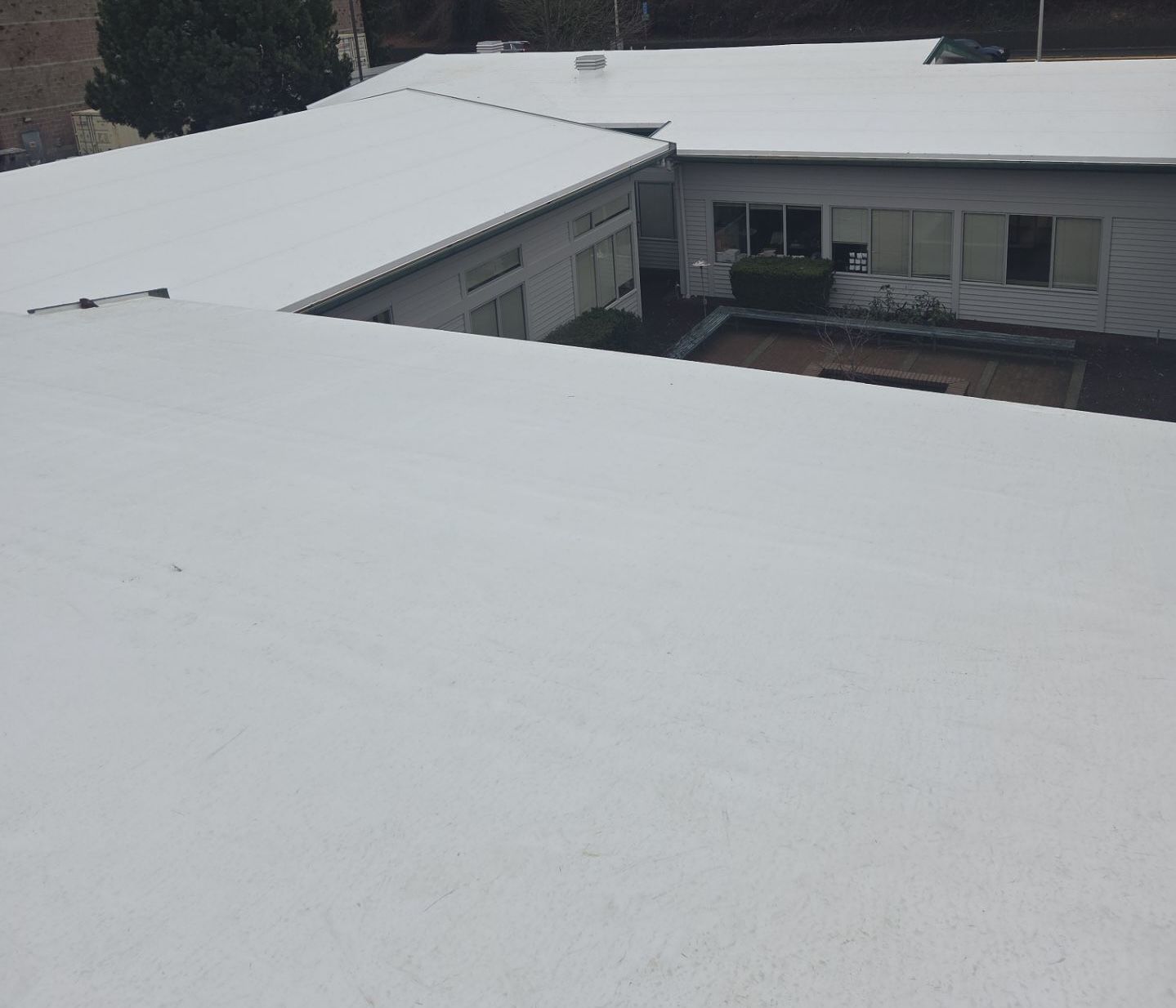
If your home has a flat or low-slope roof, you'll need a roofing system specifically designed to manage standing water and slower drainage.

Flat roof membranes are designed for low-slope roofs

Traditional shingles are designed to shed water on moderate to high slopes.

On flat or low-slope roofs, water drains much more slowly, so specialized membrane systems are required to provide long-term waterproof protection.

There are several flat roofing systems

Several common options include:

  • PVC
  • TPO
  • Torch down

Each offers different advantages depending on your home's design, budget, and long-term goals.

PVC vs. torch down

For many homeowners replacing a flat roof, one of the biggest decisions is choosing between PVC and torch down.

These systems differ in:

  • Durability
  • Installation
  • Maintenance
  • Longevity
  • Cost

PVC is more durable and handles standing water better than torch down, which is why it's the more expensive option. 

Insulation matters just as much as the roofing membrane

For flat roofs, choosing the right insulation can affect both energy performance and long-term roof performance.

Condensation is a huge issue for flat roofs and rooftop decks in the Seattle area that don't get the right type and amount of insulation

Your flat roof needs a warm roof setup, which layers foam insulation against the rooftop deck to prevent condensation. 

Can you install metal on a low-slope roof?

Some homeowners love the appearance of metal roofing but have low-slope roof sections.

Metal can be used on low-slope roofs, but not completely flat roofs. Getting your metal roof mechanically seamed gives it the extra leak protection it needs to work on lower slopes. 

Homeowners choose metal for their low-slope roof because it has better curb appeal and lasts longer than the other flat roof material options. 

What Do I Need to Consider When Switching Roof Materials?

Switching from one roofing material to another can completely transform your home's appearance, performance, and longevity. But it's not as simple as choosing a new look.

Different roofing materials have different structural requirements, installation methods, and maintenance needs. Before making the switch, it's important to understand how your choice could affect your home, your budget, and the installation process.

Whether you're replacing an aging cedar shake roof with asphalt shingles or upgrading from concrete tile to metal roofing, here are the most important factors Seattle-area homeowners should consider.

1. Can Your Roof Structure Support the New Material?

One of the first questions to answer is whether your home's framing can support the weight of the new roofing material.

Some materials, like metal roofing, are relatively lightweight. Others (particularly concrete and clay tile) place significantly more weight on your home's structure. If you're switching to a heavier roofing system, your contractor may need to evaluate the roof framing to determine whether structural reinforcement is required.

2. Is Your Roof Slope Compatible?

Not every roofing material works on every roof.

Roof slope plays a major role in determining which roofing systems are appropriate. Materials like asphalt shingles, cedar shake, and many metal roofing systems are designed for moderate to steep slopes. Flat and low-slope roofs, however, require specialized membrane roofing systems that are engineered to handle slower drainage and occasional standing water.

Even among metal roofs, some products are better suited for lower-slope applications than others. Choosing a roofing material that matches your roof's pitch is essential for long-term performance and warranty compliance.

3. Converting from Cedar Shake Requires More Than Removing the Shakes

Many Seattle-area homeowners eventually replace aging cedar shake roofs with asphalt shingles or another roofing material. While this is a common upgrade, the process involves more than simply tearing off the old roof.

Cedar shake (and tile) roofs are built differently than modern asphalt shingle roofs. Before installing shingles, contractors may need to address items such as the roof deck, underlayment, and ventilation to ensure the new roofing system complies with current building standards and manufacturer installation requirements.

Skipping these steps can compromise the performance and lifespan of your new roof.

4. Will You Need a Roofing Permit?

Many homeowners are surprised to learn that some roofing projects require permits while others do not.

Permit requirements depend on factors such as the scope of work, where you live, and whether structural changes are involved. In general, straightforward roof replacements may have different permitting requirements than projects that alter the roof structure or involve significant modifications.

If you're changing roofing materials, especially when structural changes may be necessary, it's important to determine whether a permit is required before work begins.

A reputable roofing contractor should understand the permitting process in your municipality and help ensure the project complies with local requirements.

5. Don't Overlook Attic Ventilation

Your roofing material may change, but your attic ventilation still plays a critical role in the health of your roofing system.

Proper ventilation helps regulate attic temperatures, manage moisture, and support the long-term performance of your roof. During a roof replacement, your contractor should evaluate whether the existing ventilation system meets current code requirements and whether improvements are needed.

In Seattle, ventilation requirements are governed by building code, and older homes don't always meet today's standards. A roof replacement often presents the best opportunity to correct ventilation deficiencies before the new roof is installed.

6. Consider Your Long-Term Maintenance Expectations

Every roofing material requires maintenance, but not all require the same amount.

Before choosing a new roof, ask yourself how much ongoing maintenance you're comfortable with over the coming decades.

For example:

  • Cedar shake requires regular treatments to help manage moss growth and preserve the roof's appearance.
  • Metal roofing generally requires less maintenance, though periodic inspections and keeping valleys and gutters clear remain important.
  • Synthetic roofing products are often chosen by homeowners who want the look of cedar or slate with reduced maintenance requirements.
  • Tile roofs may require occasional replacement of damaged individual tiles and valley cleaning while the overall roofing system continues to perform.

Understanding these differences can help you choose a roofing material that aligns with your lifestyle and budget.

7. Think Beyond Today's Cost

It's easy to compare roofing materials based on installation price alone, but the initial investment is only part of the equation.

When evaluating a new roof, consider:

  • Expected lifespan
  • Maintenance requirements
  • Future repair costs
  • How long you plan to stay in your home
  • The overall value you expect to receive over the life of the roof

A roofing material with a higher upfront cost may provide greater long-term value if it lasts significantly longer or requires less maintenance over time.

8. Check for HOA or Neighborhood Requirements

If you live in a neighborhood with a homeowners association (HOA) or architectural review committee, don't assume you can install any roofing material you want.

Some HOAs have guidelines governing roofing colors, profiles, or approved materials to maintain a consistent neighborhood appearance. Historic districts and planned communities may also have architectural requirements that influence your options.

Before selecting a new roof, review your HOA's design guidelines and obtain any required approvals. Taking this step early can help prevent delays once your project is ready to begin.

9. Choose a Contractor Who Understands Roofing System Conversions

Different materials have different installation methods, flashing details, ventilation requirements, and manufacturer specifications. That's why it's important to work with a contractor who understands how all of these components work together, rather than simply replacing one roof with another.

An experienced contractor should help you evaluate your home's structure, explain the trade-offs of each roofing material, identify any code or permitting requirements, and recommend a solution that's appropriate for your home (not just the generic option).

Make an Informed Decision About Getting a New Roof 

Changing roofing materials is an opportunity to improve your home's durability, appearance, and long-term performance, but only if the new system is designed with your home's structure and Seattle's climate in mind.

Before making your decision, ask questions about structural requirements, roof slope, ventilation, permits, maintenance, and long-term value. Taking the time to evaluate these factors now can help you avoid costly surprises later and ensure your new roof performs as expected for years to come.


Wondering how much your roof costs?

Get a Free Instant Estimate

Our free instant estimate tool is designed to provide you with an instant ballpark cost estimate tailored to your specific roofing needs.

Simply enter a few details, such as your roof’s dimensions and condition, and we’ll generate a personalized estimate based on up-to-date industry standards and material costs.

Roofing job cost breakdown
Meet with a meticulous roofing nerd

Ready for an inspection? Call today!

Schedule a free inspection to learn what’s wrong with your roof and how we can help you fix it.