{---- Always-critical preconnects ---- ---- dns-prefetch for origins hit within ~5s ---- #}
Skip to main content

Do I Need a New Roof? A Guide For Seattle Homeowners

The first step of looking for a new roof is deciding if you really need one in the first place. If your roof is leaking all over or is really old, then it's pretty likely that you do. But it's not always that obvious. 

This guide will help you assess your roof so that you can confidently choose to move forward with your roof replacement or wait it out another year or two. 

Ideally, every homeowner would read this guide before calling a roofer because when you have the tools to assess your own roof, you can't be sold something you don't need.

Do you really need a roof replacement?

Most People Are Wrong About Their Roof

There are two common camps that Seattle homeowners fall into: 

1.) They think their roof is fine, but it's actually rotting from the inside out

2.) They think that their roof is in desperate need of an update, even though it might have a few good years left.

With this guide, you can examine your roof and decide if it's time to replace your roof before it gets into worse shape, or if you can get away with waiting a little bit longer. 

old, worn out roof
The 30-second age check

How old is too old for a Seattle roof?

Some roofing materials last longer than others, but eventually they all wear out and need to be replaced. 

Here's about how long each roofing material lasts in Seattle weather: 

  • Asphalt shingles: 15 to 30 years
  • Metal roofing: 40 to 70 years
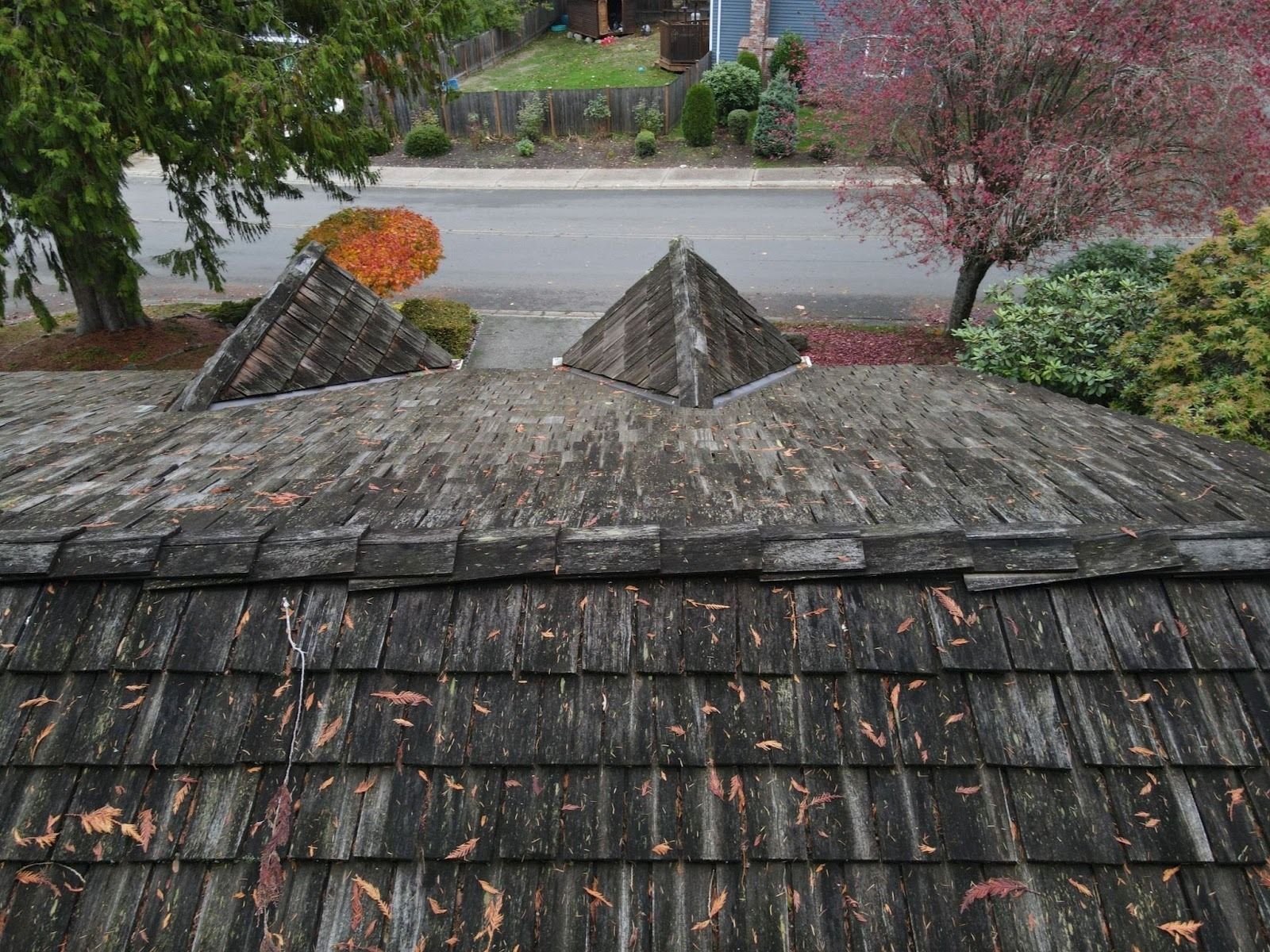
  • Cedar shake: 30 to 50 years
  • Clay tile: 50+ years
  • Concrete tile: 30 years
  • Flat roofs (PVC, TPO, or torch down): 20 to 40 years

Once your roof reaches this age range (especially if it's on the higher end), it's probably time to start thinking about getting it replaced. 

Keep in mind that the lifespan of your roof depends on the quality of the materials that you choose. So, if you picked thin budget shingles or a lower-grade wood shake, then those items aren't going to last as long as their premium alternatives. 

Your roof might be older than you think. Take into consideration the fact that the previous owner of your home might not have remembered exactly when the roof was replaced, or there might have been undocumented repairs. 

If your roof is past its expected age, get a free inspection with an estimate.

old wood shake roof with debris

How can I tell if my roof is getting old without climbing on the roof?

Here's what you can look for on the ground to confirm that your roof is showing signs of aging: 

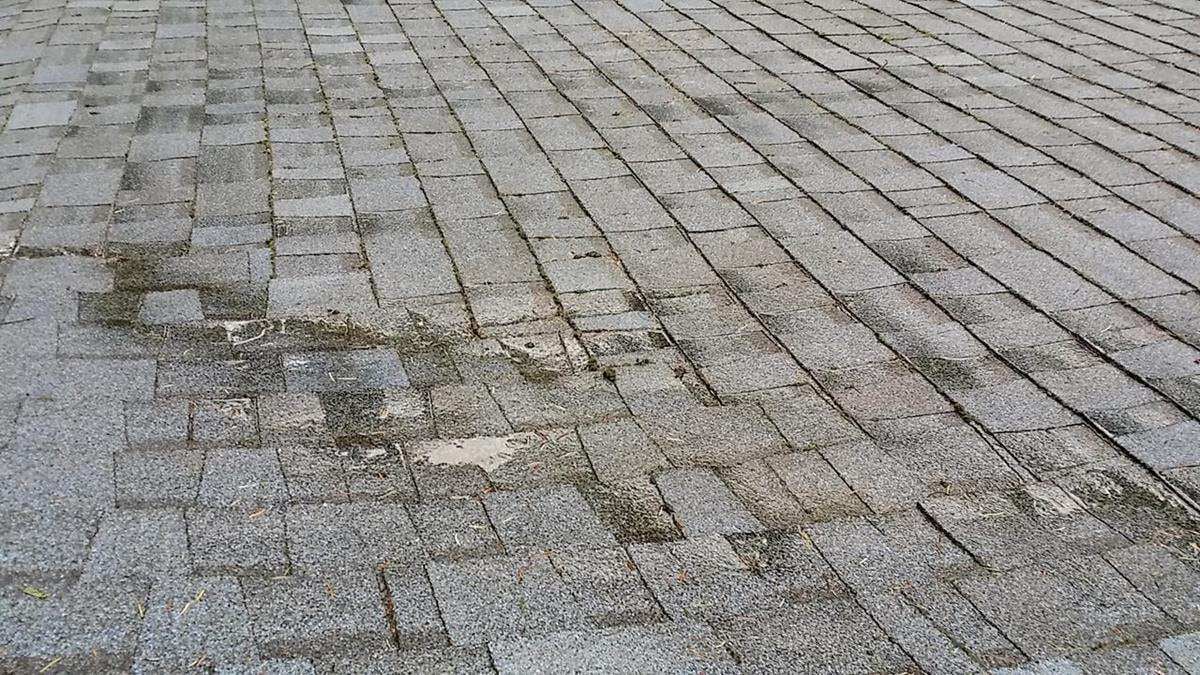
  • Shingles that are missing, curling, or cupping

missing shingles

  • Extreme granule loss (asphalt shingles look bald) all over. A lot of granules might even be collecting in the gutter
    granule loss with granules in gutter
  • Dark streaks, algae growth, or moss growth
    moss-roof-1152x1536
  • Tiles or wood shakes that are cracked, broken, or missing
    cedar shake roof failing
  • Sagging or uneven roofline
    sagging roof from uneven roof deck
  • Shingles are faded or discolored

same shingle different color


What are the signs of an old roof that I can find in my attic?

The next step is to check your attic to find signs that your roof is aging or in bad enough shape that it needs to be replaced. 

Most roofers skip the attic entirely during inspections, but it can tell you a lot of crucial information about the state of your roof. 

Here are some examples:

  • Drip marks or stains on the roof decking or framing
    attic condensation with drip marks
  • Nails (or fasteners) are rusty

rusty press plate on truss

  • Daylight coming through (ex. by the chimney or pipe vent)

gap in roof around vent

  • Mold
    moldy-osb-in-attic-1024x771
  • Frost on the roof decking in winter

frost in attic causing damage

  • Blocked intake vents (NO daylight coming from the outer edge of the roof)

blocked attic intake

These are all signs that moisture is accumulating in your attic due to poor airflow. This is a common issue in the Seattle area because there are a lot of older homes with attic ventilation systems that were built long before the current code requirements were established. 

If your roof has a leak or condensation, it can cause widespread damage to your roof and needs to be addressed immediately. In some cases, a repair is the right choice, but if the damage is extensive, then you most likely need to do a full roof replacement. 

What should I look for inside my house to see if my roof needs to be replaced?

If your roof is old or damaged, you might be able to see evidence of these issues inside your house. 

Here's what you should look for on the ceilings and walls: 

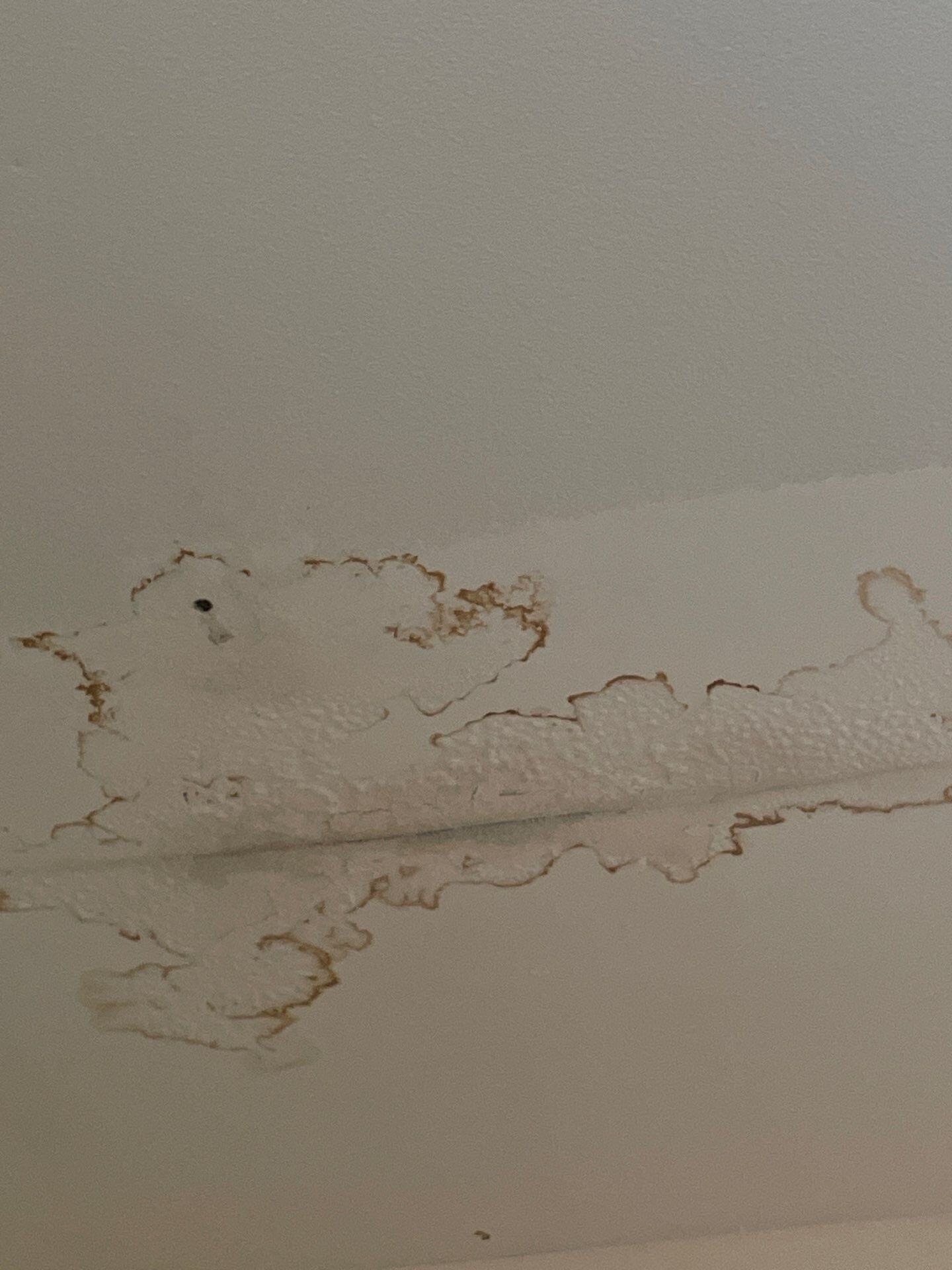
  • Water stains on the ceiling or high on the wall by the ceiling
  • Peeling or bubbling paint near exterior walls
  • Musty smell that wasn't always there 

Keep an eye on your ceiling and walls for these potential signs of leaks. Water stains can start out as a faint spot that barely looks darker than the shade of your roof. Then, as they get worse, they turn into a large brown stain: 

roof leak from poor installation

This is a clear sign that your roof leak has a lot of water coming in. Peeling paint is also an indicator that you have a pretty significant leak. The bigger the stain, the worse the leak is.

What Seattle-specific issues seem bad but don't always require a roof replacement?

Seattle weather can be hard on your roof, but even when it looks like your roof is in rough shape, it might not be time for a full replacement yet. 

  • Color fading: Over time, the color of your asphalt shingles (or other roofing materials) might fade. This is a sign of aging, but a faded roof might still have several good years of protection left. Make sure it's not paired with other issues like leaks or granule loss, though. 
  • Algae growth: You might notice that your roof has a bunch of black streaks all over it and start to panic. But don't worry, because it's likely just moss, which is easily treatable. As long as you don't put off cleaning the moss with special chemicals, your roof should be good to go. You can treat the roof yourself or hire a roofer to do it for you. 

shingles streaked with algae

  • Small amounts of moss: The reason that you want to treat algae right away is because it is the predecessor to moss. Now, having a little bit of moss on your roof isn't the end of the world, but it should be taken seriously. You'll need to hire a roofer to treat it and then scrape it off. If you allow moss to grow without doing anything, it will damage your roof, and then you'll need to replace it. 

unnamed-Mar-18-2025-11-47-17-5861-PM

  • Wind damage: Windstorms are common in the Seattle area during fall and winter. This can cause loose shingles to blow off the roof or branches to hit the roof. If the damage is fairly minor, you can get away with a repair. If the damage is extensive, then you'll need to replace the roof (the good news is that it should be covered by insurance). 

The bottom line is that cosmetic issues are an eyesore, but they don't have to mean a full roof replacement as long as you stay on top of maintenance and repairs. 

Roof Repair vs Replace vs Wait: Decision Checklist

Criteria Repair (Best Fit) Replace (Best Fit) Wait (Best Fit)
Roof Age 0–10 years old 20+ years old 10–20 years old
Active Leak No active leak OR small, isolated leak Active, recurring, or widespread leaks No active leak
Extent of Damage Minor (a few shingles, small area, localized issue) Severe (widespread damage, structural issues, decking problems) Minor but manageable (not spreading quickly)
Frequency of Issues First-time issue or rare problems Frequent repairs or ongoing issues Occasional issues but not worsening quickly
Structural Integrity Structure and decking are solid Decking rot, sagging, or structural concerns No structural issues
Length of Homeownership Plans Planning to move in 1–5 years Planning to stay 10+ years Unsure or planning to stay 2–5 years
Budget Limited budget, need lowest upfront cost Budget allows for long-term investment Budget is tight now but may improve later
Long-Term Cost Efficiency Repair is significantly cheaper than replacement Repairs are adding up close to replacement cost Repair works for now without major financial waste
Energy Efficiency / Ventilation No major ventilation or efficiency concerns Poor ventilation, high energy bills, or system-wide roofing issues Some inefficiencies, but not urgent
Curb Appeal / Home Value Goals Not a major concern right now Want to improve home value, appearance, or selling potential Improvements can wait
Risk Tolerance Comfortable with minor short-term fixes Want peace of mind and to eliminate future risk Willing to monitor and reassess later
Overall Recommendation ✅ Repair the roof 🔴 Replace the roof 🟡 Wait and re-evaluate in 1–2 years
Owens Corning Platinum Preferred Contractor
Certainteed select shinglemaster premier
RoofSmart is a Seahawks small business partner
GAF Certified Weatherstopper contractor
 
Google 4.9 ★ | A+ BBB | 15 yrs in Business | CertainTeed Select ShingleMaster PREMIER | Owens Corning Platinum | GAF Certified Plus | Official Seahawks Small Business Partner 

What does a thorough inspection from a roofer actually look like?

At this point, you've inspected your roof enough on your own to decide if you think that your roof needs to be replaced.  If you think that you need a new roof, or you're on the fence about the state of your roof, it's time to get an inspection from a professional. 

Make sure that your roofer does a thorough inspection of your roof.

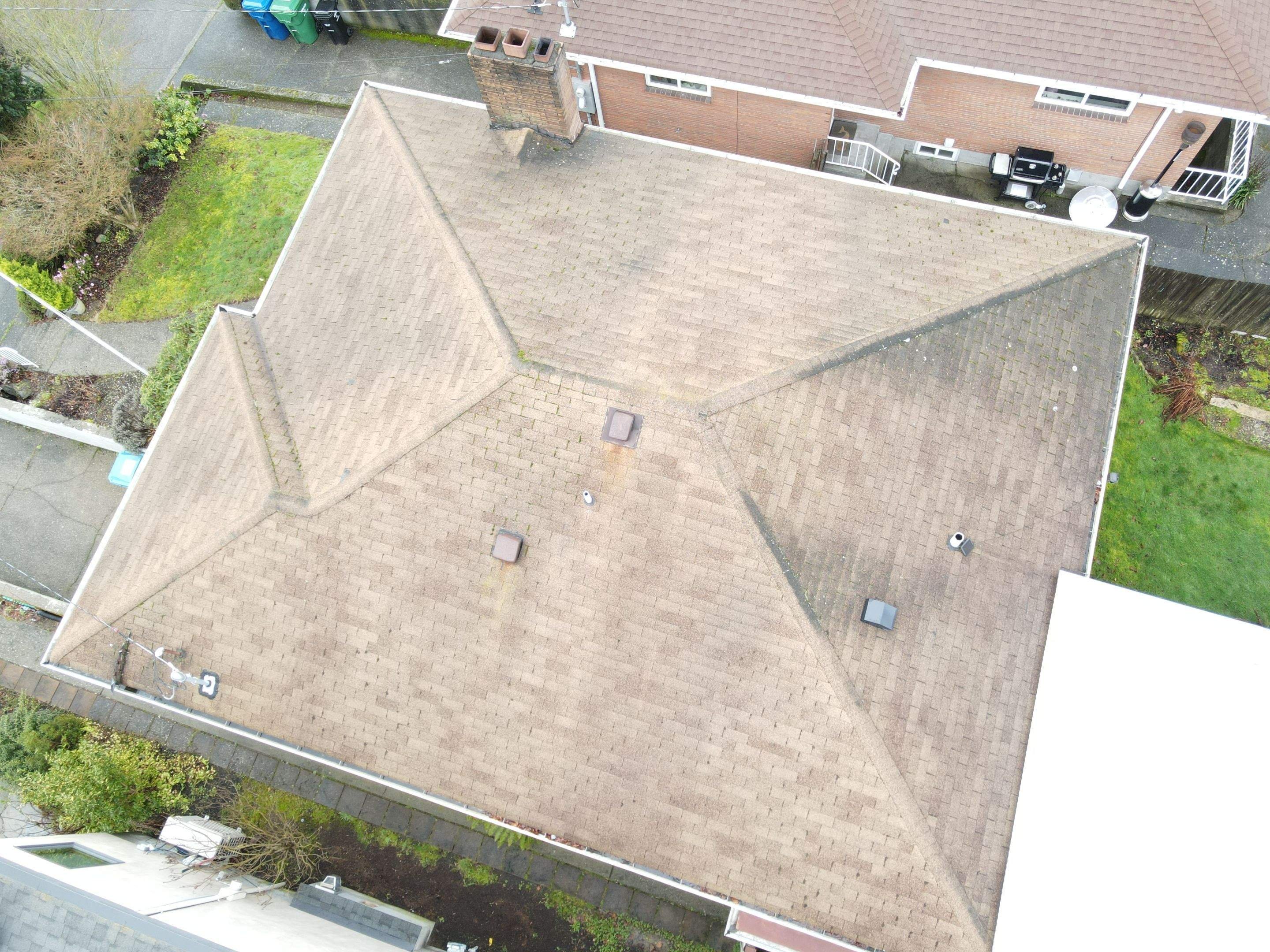
1.) Your roofer should physically get on the roof and walk around (unless the roof is inaccessible or unsafe). If your roofer cannot access your roof, they might use a drone to look at your roof instead. No matter what, they should be making their best effort to actually see your roof up close. 

2.) Your roofer should check in the attic. This is how they can verify if your attic ventilation is working. They might also do a smoke test. Inspecting areas beyond the roof gives your roofer the full picture of what's going on with your roof. They'll probably also want to take a look at the ceiling inside and walk along the perimeter of the roof outside. 

3.) During the inspection, your roofer should take pictures and videos to document the state of your roof and any damage or issues they find. This is a way for them to assess what your roof needs and easily show you proof of the issues they found. 

4.) Your roofer should be asking you questions and asking you to participate. Bonus points if you're up for joining them on the roof! It's important that you have the opportunity to share your concerns and your vision for your new roof so that your roofer can create a proposal that matches your roof's unique needs. 

A thorough roof inspection means that your roofer isn't just looking at your roof. They should be looking at the areas around the roof in case there are any problems that might impact the roof. It's also important that they talk to you about what problems you noticed on the roof and what kind of roof work you're looking for. 

At RoofSmart, we look at your roof and the surrounding areas so that we know what needs to be fixed. We also ask that homeowners join us during the entire inspection appointment so that we can learn about your concerns and preferences. That way, we can create a proposal that addresses your roof's unique needs. Our goal is to find solutions to your problems, not sell you something you don't need. 

When do I absolutely need to replace my roof?

If your roof is exposed to moisture or is structurally unsafe, then you should repair or replace it as soon as possible. 

What does your roof being exposed to moisture mean? Basically, anything that is actively leaking or is likely to start leaking soon is a huge vulnerability in your roof. 

Here are some examples:

  • Missing shingles 
  • Holes or punctures 
  • Improperly sealed or installed flashing (has gaps)
  • Unsealed shingles (water gets underneath)

Leaks should be taken care of immediately. The longer they continue, the more damage they cause. This means rotting wood in your attic, and potentially even mold. 

There are countless places on your roof where something could have been installed improperly or gotten worn out, creating a place for water to leak into the roof. Having a roof leak is a sign that your roof is somehow defective or just getting old. 

What does a structurally unsafe roof look like? This means that the framing of your roof is clearly weak or defective. This is a major safety risk, and your roof needs to be replaced immediately. 

Here are some examples: 

  • Extensive amounts of rotting wood (caused by a leak or condensation)
  • Broken or cracked trusses
  • Roofline or spots on the roof are clearly sagging or uneven

If your roof has been leaking for a while, was hit by a tree or a large branch during a windstorm, or was underframed when it was originally built, it might be suffering from one or more of the issues listed above. 

Structural issues should be fixed as soon as possible to keep you and your family safe. Your roof is your first line of defense from the elements. You should be able to trust that it can protect you, not worry that it might collapse on you. 

When is it ok to wait to replace your roof?

When your roof starts to get old, the top question on your mind is when the best time is to replace it. If there's damage, then it probably needs to be replaced right away. However, you can choose to wait another season. 

If your roof is starting to look old and worn out or even has some discoloration due to color fading, it might still last another few years. Seattle weather is harsh on shingles, so they start to look a little rough, even though they might still have some life left in them. 

While we at RoofSmart recommend replacing your roof as soon as possible to avoid increasing inflation problems and protect your roof from further damage, we understand that replacing your roof is a big expense, and not everyone wants to do it right away.

If you don't want to do a full roof replacement but you have a small leak, some moss or algae growth, missing shingles, or other minor issues, you might consider doing a repair to give your roof some more time. 

So, what's the next step in your roofing journey?

At this point, you've had the chance to evaluate your roof and decide if you want to move forward with a roof inspection or not. 

Here are three options you have: 

  1. Click the button below to fill out a form on our website requesting an inspection
  2. Use our Instant Estimate tool to get a ballpark estimate of how much your roof replacement will cost (click the button below)
  3. Do nothing. If you've followed the advice on this page and have decided to see if your roof lasts another year, then you're all done here! 


Meet with a meticulous roofing nerd

Ready for an inspection? Call today!

Schedule a free inspection to learn what’s wrong with your roof and how we can help you fix it.