

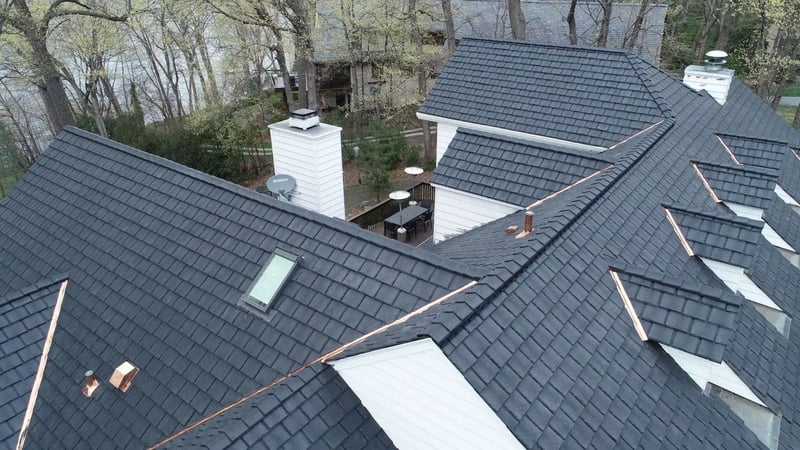
Are you looking for a premium roof that captures the look of cedar shake, slate, or tile but worried about the maintenance, durability, or long-term cost of the real thing? Have you come across Brava roofing and wondered if it's actually worth the investment, or if it's just another synthetic product that won't live up to the hype?
Brava roofing has become increasingly popular among homeowners because it offers the appearance of high-end natural roofing materials without many of the drawbacks that come with cedar shake, slate, or clay tile.
At RoofSmart, we pair hundreds of homeowners with the right roof for them by making recommendations based on their roof’s needs, their aesthetic preferences, and their budget. We also make sure to give an honest overview of the products (including pros AND cons) so that the homeowner can make an informed decision.
In this article, we'll break down the features, benefits, drawbacks, and costs of Brava roofing in the Seattle area so you can decide whether their synthetic shake, slate, or tile product is the right fit for your home, budget, and long-term goals.
Brava Roofing at a Glance: Key Features and Benefits
|
Category |
Brava Roofing |
Why It Matters |
|
Material Type |
Synthetic composite roofing |
Designed to mimic natural materials |
|
Available Styles |
Cedar Shake, Slate, Spanish Barrel Tile |
Multiple architectural looks |
|
Expected Lifespan |
50+ years (according to manufacturer) |
Long-term roofing solution |
|
Warranty |
50-year limited warranty |
Long-term product protection |
|
Impact Resistance |
Class IV |
Highest impact-resistance rating available |
|
Wind Resistance |
Up to 188 mph (nails) / 211 mph (screws) |
Excellent storm protection |
|
Moisture Resistance |
Closed-cell composite material |
Helps prevent water absorption |
|
Color Retention |
Mineral-based coloring |
Resists fading better than many synthetic products |
|
Maintenance Requirements |
Low |
No splitting, cracking, or moss issues common to natural materials |
|
Environmental Impact |
Made with recycled materials |
More sustainable than many roofing products |
|
Cost in Seattle |
Approximately $85,000+ |
Premium roofing investment |
|
Best For |
Homeowners seeking premium aesthetics with lower maintenance |
Combines appearance and durability |
Why do Seattle homeowners choose Brava roofing?
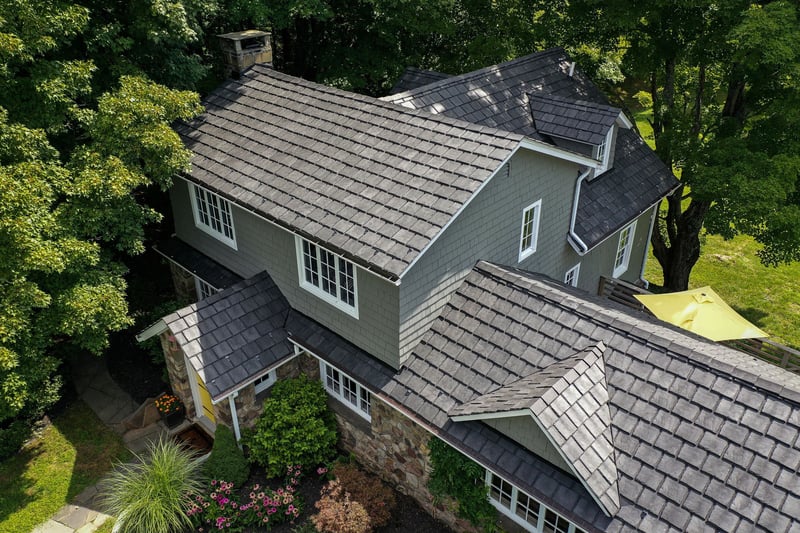
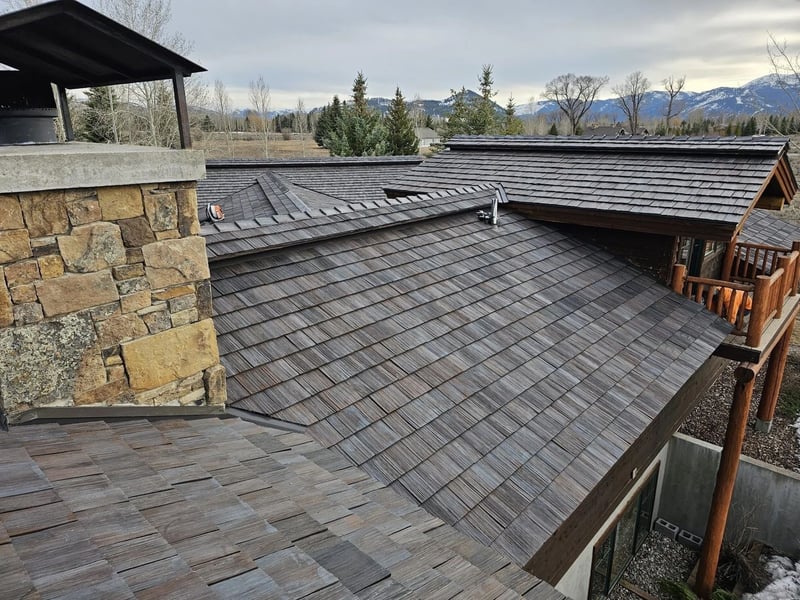
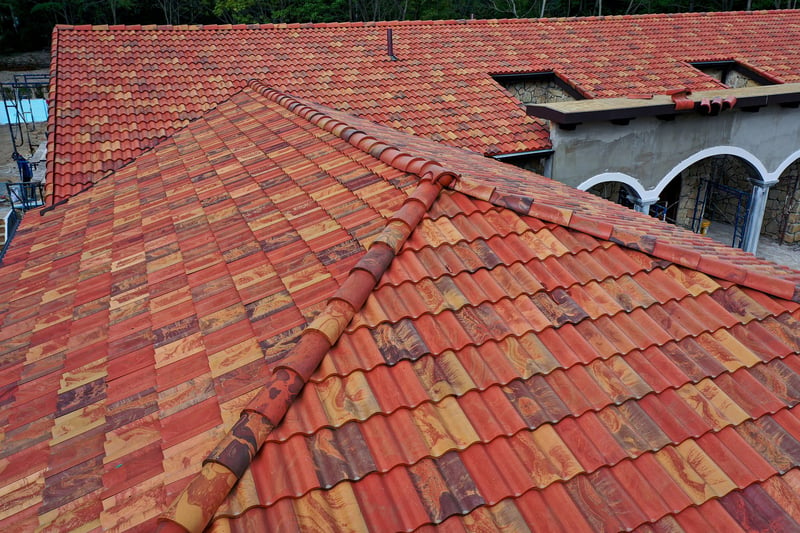
Brava roof tile is a synthetic roofing material that imitates the look of cedar shake, slate, or Spanish barrel tiles. This allows you to elevate the curb appeal of your home while also getting great protection.
Here’s why Brava roofing tile is great for homeowners in the Seattle area:
- Long-lasting: Brava has a 50-year warranty on its roofing products and advertises that they’ll last 50 years or longer. This is ideal for homeowners who want to stay in their house for a long time without having to worry about replacing the roof.
- Resistant to color fading: Brava stands out from its competitors because it's made with natural minerals instead of dyes, so it's not going to fade in the sun like other products. The color lasts way longer.
- Eco-friendly: Brava roofing products are made of recycled plastic and other sustainable materials. A lot of roofing products have a heavy carbon footprint and are made of only new materials that cannot be recycled, so Brava’s dedication to sustainability is a great way to get a new roof while making a positive impact.
- Cheaper than real shake or tile: Although Brava roofing is on the more expensive side, it still costs less to install than authentic cedar shake, tile, or slate.
- Good impact resistance: All Brava roofing products have a Class IV impact resistance rating. Class IV is the highest rating you can get, meaning that Brava roofing tiles are strong and durable.
- Strong wind-resistance: Brava roofing products are wind-resistant in winds up to 188 mph with nails and even up to 211 mph with screws. This means that your roof is highly resistant to getting blown away, even during Seattle’s most intense windstorms that hit in the fall and winter.
- Moisture-resistant: Brava roofing products are made with “closed-cell” materials, which help prevent moisture absorption. This level of water resistance is great for homeowners in Seattle and the surrounding areas who deal with excessive rain and moisture all year long.
Brave roofing products (cedar shake, slate, and Spanish barrel tile) are a great option if you want the aesthetic of these materials on your roof, but you want to avoid the cost, maintenance, and extra hassle of the real materials.
What are the disadvantages of Brava roofing tile products?
Brava roofing products clearly have a lot of benefits, but it’s important to understand the full picture before you make your final decision. Because it looks great and offers excellent benefits, Brava roofing tile is expensive to install in the Seattle area.
Just like other top-quality products like metal or Euroshield, Brava comes at a premium price. It’s a roofing material you choose because you like the way it looks, since it costs more than most things and lasts about the same amount of time as other premium products.
One other point to consider is that it hasn’t been around long enough to truly test how long it lasts, so no one can say for sure. It has a 50-year warranty, and Brava says that it should last around that long on their website. It has held the test of time over a few decades on older installs, but none of them are at the 50-year mark yet.
How much does it cost to install a new Brava roof on my Seattle home?
In the Greater Seattle area, it will cost around $85,000 to install Brava shake, slate, or Spanish barrel tiles on your roof. This estimate includes the cost of materials and labor for a standard installation on an average home.
Seattle has a high cost of living, which means that labor costs in this area are higher than the national average. So, if you research the cost of installing Brava roofing materials and you get an estimate that’s lower than ours, that’s most likely because it’s based on the national average.
Other factors that might potentially increase the cost of your new roof installation include:
- The size and slope of your roof
- How easily accessible your house is
- If your roof has additional damage, like:
- Rotting wood
- Mold
- Leaks
- Weak or damaged framing
- Updating your attic ventilation (if needed)
- Installing or replacing skylights
- Moss removal
- Removing multiple layers of shingles
Every roof is unique, so there are countless factors that might impact the cost of your roof replacement, no matter what roofing material you choose. In other words, each roof will cost a different amount. This number is just an approximate estimate.
|
Roofing Material |
Typical Lifespan |
Maintenance Level |
Relative Cost |
|
Asphalt Shingles |
20–30 years |
Low–Moderate |
$$ |
|
Cedar Shake |
30–50 years |
High |
$$$$ |
|
Brava Shake |
50+ years |
Low |
$$$$ |
|
Metal Roofing |
40–70 years |
Low |
$$$$ |
|
Natural Slate |
75–100+ years |
Low |
$$$$$ |
How does Brava roofing compare to the average cost of a new roof in Seattle?
As you've seen, Brava roofing offers a unique combination of premium aesthetics, durability, impact resistance, and low maintenance. For homeowners who love the look of cedar shake, slate, or tile but want a longer-lasting, more weather-resistant alternative, Brava can be an excellent investment.
However, with an installed cost of roughly $85,000 or more in the Seattle area, it's important to understand where Brava fits within the broader roofing market.
How much more does Brava cost than asphalt shingles? How does it compare to metal roofing, Euroshield, cedar shake, or slate? And what should you realistically expect to spend on a new roof in today's Seattle market?
Read next: How Much Does a New Roof Cost in Seattle in 2026? Updated Prices & Breakdown
https://getroofsmart.com/blog/what-is-the-average-cost-of-a-new-roof-in-the-seattle-area
This guide breaks down average roof replacement costs by material type and explains the factors that have the biggest impact on pricing so you can determine whether a premium roofing product like Brava fits your budget and long-term goals.
Frequently Asked Questions About Brava Roofing Products
1. What is Brava roofing made of?
Brava roofing products are manufactured from recycled composite materials designed to replicate the appearance of natural roofing products such as cedar shake, slate, and clay tile.
Unlike natural materials, Brava products are engineered to resist moisture absorption, impact damage, and color fading while maintaining a similar appearance.
2. How long does a Brava roof last?
Brava offers a 50-year limited warranty on its roofing products and markets them as a long-term roofing solution.
While the product has demonstrated strong durability over several decades, it has not been installed long enough to fully verify performance beyond the 50-year mark.
3. Is Brava roofing a good choice for Seattle's climate?
Yes.
Brava roofing performs well in Seattle because it is:
- Highly moisture resistant
- Resistant to moss and algae growth
- Durable in heavy rain
- Capable of handling strong wind events
These characteristics make it well-suited for the Pacific Northwest's wet climate.
4. How much does a Brava roof cost in Seattle?
Most homeowners can expect a Brava roof replacement to start around $85,000 for an average-sized home.
However, the final cost depends on factors such as:
- Roof size
- Roof complexity
- Accessibility
- Existing roof condition
- Ventilation upgrades
- Structural repairs
Large or complicated roofs can cost significantly more.
5. Is Brava roofing cheaper than real cedar shake or slate?
Generally, yes.
Brava provides a similar appearance to premium natural materials while often costing less than:
- Natural cedar shake
- Natural slate
- Clay tile roofing
It also typically requires less maintenance over its lifespan.
6. Does Brava roofing fade over time?
Brava is specifically designed to resist color fading.
The manufacturer uses natural mineral colorants instead of surface-applied dyes, helping the product maintain its appearance longer when exposed to sunlight and weather.
7. How does Brava compare to natural cedar shake?
Brava offers many of the visual benefits of cedar shake without some of the common drawbacks.
Compared to cedar, Brava:
- Requires less maintenance
- Resists moisture absorption
- Does not split or crack like wood
- Offers better impact resistance
However, some homeowners still prefer the authenticity of real wood.
8. Is Brava roofing impact-resistant?
Yes.
Brava products carry a Class IV impact rating, which is the highest impact-resistance classification available for roofing materials.
This makes the roof more resistant to:
- Falling branches
- Hail
- Storm debris
9. Can Brava roofing withstand strong winds?
Yes.
Brava roofing systems are designed to perform in extreme wind conditions.
Depending on the installation method, products may be rated for winds ranging from approximately 188 mph to over 200 mph, making them one of the more wind-resistant roofing options available.
10. Is Brava roofing worth the cost?
For homeowners prioritizing appearance, durability, and low maintenance, Brava can be a worthwhile investment.
It is often chosen by homeowners who want:
- Premium curb appeal
- Long-term performance
- Reduced maintenance compared to natural roofing materials
- Strong resistance to weather and impact damage
While the upfront cost is high, many homeowners view it as a long-term roofing solution that balances aesthetics and durability.
Topics:
