

TL;DR: Summary
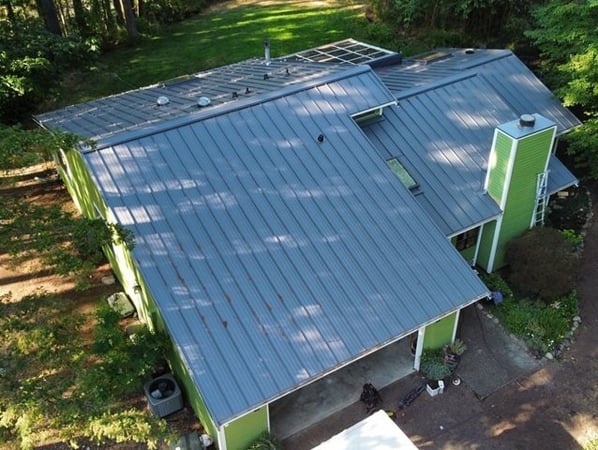
A metal roof in Seattle costs more up front. On RoofSmart proposals, metal roofs had a median base of $18.60 per sq ft, plus tax, before add-ons, steep and pack charges. Asphalt shingles wear out faster in our wet climate, and a standing seam roof lasts 40 to 70 years. Pick a PVDF paint system to hold off chalking and rust. Metal needs little upkeep, so it pays off best on a home you plan to keep.
Are you wondering why a metal roof costs so much upfront and whether it’s really worth it in the long run? Worried that there might be hidden or long-term costs that come with owning a metal roof in Seattle?
At RoofSmart, we respect that you want to make sure your hard-earned money is being used wisely. Metal roofs are expensive, so we make sure to explain the pros and cons of installing a metal roof on your Seattle home.
We also explain all the installation costs and potential extra costs in advance so that there are no surprises.
In this article, we’ll break down the lifetime cost vs. initial price of metal roofs in the Seattle area. You'll learn what makes metal roofs more expensive upfront, how long they actually last, what types of maintenance or repairs to expect, and how inflation affects your decision today.
By the end, you'll know whether a metal roof is a smart financial choice for your home.
How much does it cost to install a new metal roof in Seattle?
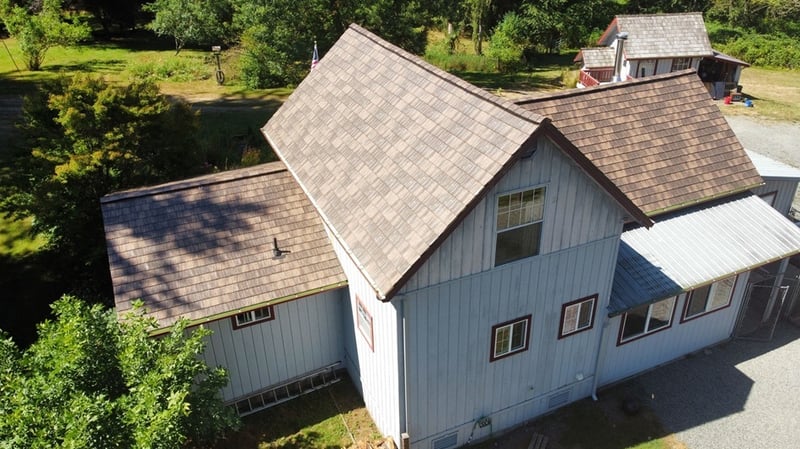
A metal roof in the Seattle area has a median base price of $18.60 per sq ft, plus tax. That’s from 122 metal options on 83 RoofSmart jobs from Oct 2025 to Oct 2026, with outliers left out. Half fell between $16.70 and $20.56 per sq ft, and the median base price per option was about $38,900. Add-ons, steep and pack charges, and tax are separate. See how much a metal roof costs to install for the full breakdown, and our Seattle roof replacement cost page for shingle prices on the same basis.
Steel standing seam metal is the most affordable option for metal. You can also choose other metal roof materials, but those are more expensive.
Panel thickness matters too. 24-gauge standing seam had a median base of $19.63 per sq ft and 26-gauge $16.73.
Aluminum, zinc, stainless steel and copper all cost more than steel, and copper costs the most by far. We don’t have enough recent proposals on those metals to publish a price.
Each metal roof type has its own pros and cons. This article will focus mainly on standing seam roofs because they are the most popular option.
How does a longer life change the cost?
A standing seam metal roof lasts 40 to 70 years, so a shingle roof will likely need replacing before it does. Every replacement is paid at that day’s prices, plus tear-off and disposal again. Metal costs more now. On our proposals the median metal base was $18.60 per sq ft, plus tax, against $9.48 for shingles. But fewer replacements means fewer tear-offs, and each one is priced at that day’s rates.
Remember that metal roofs last for a long time, so this also helps you avoid the cost of replacing multiple asphalt shingle roofs (which are also impacted by inflation).
How long does a metal roof last in Seattle?
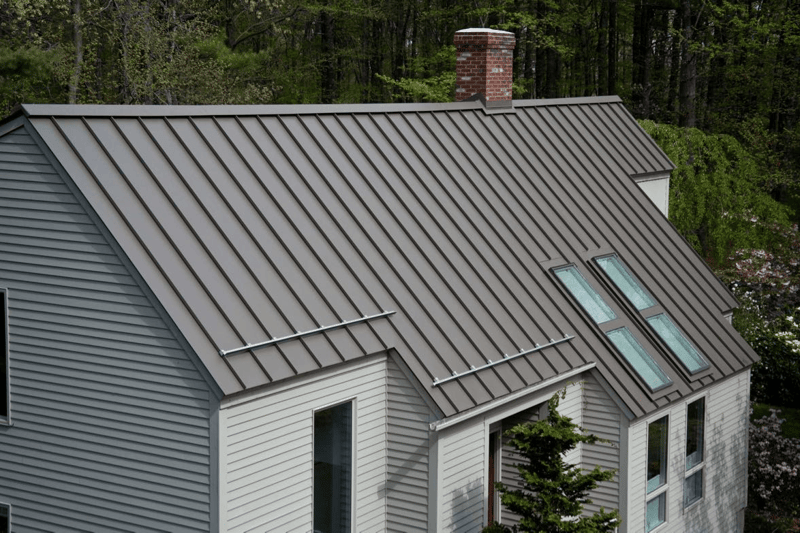
Standing seam metal roofs typically last 40 to 70 years, which is much longer than an asphalt roof. The advantage to this is that you likely won’t have to replace your roof again, which will help you avoid inflated prices.
Unlike asphalt shingle roofs, metal roofs will not deteriorate due to excessive moisture. So, if you don’t clean off wet leaves and pine needles, your roof will still be fine.
The key to getting a standing seam metal roof to last a long time is making sure that you choose the right kind of paint system. Steel roofs are naturally prone to corrosion, so they need an extra protective layer to prolong their life. There are two main options: PVDF and SMP.
- PVDF: This is the best and longest-lasting type of metal roof paint system you can get. This will protect your roof from breaking down under the sun’s UV rays and rusting. This is the most widely available option and has the biggest variety of paint color options. It is more expensive, but since it offers better protection, we recommend choosing it. You can expect it to last 40 to 70 years.
- SMP: This is a cheaper alternative to PVDF paint systems. Another advantage to SMP paint systems is that they are strong enough to be resistant to scuffing (whereas your PVDF paint system might scuff a bit if it gets hit by something). However, it might start chalking. This is a sign that it’s starting to break down under the sun’s UV rays. It will still protect your roof, but it won’t look as good.
As long as your paint system holds up, your roof should last 40 to 70 years. Aluminum and stainless steel roofs also last 40 to 70 years. But if you want a longer-lasting roof, choose zinc (80 to 100 years) or copper (300 years).
What additional or unexpected costs come with a metal roof?
Throughout the life of your roof, you may end up paying a few hundred or a few thousand dollars on maintenance or repairs. Since these are unexpected costs, there’s no way to know for sure what you might pay.
To help you understand what could happen and how much it will cost, here’s an overview of maintenance and repair costs for metal roofs.
Maintenance
Since metal isn’t really impacted by the excessive moisture or debris that we get in the Seattle area, you might not need to spend much money or effort on maintenance.
Most homeowners choose to save money by cleaning off their own roof. However, standing seam metal roofs in Seattle are prone to growing algae if they’re under trees. You can choose to wash it off and treat the roof yourself.
But, if the algae problem gets really bad or if your roof is steep and difficult to navigate, you might decide to hire a roofer to help you out. This will probably cost you around $1500+ these days.
Repairs
The nice thing about metal roofs is that they’re more durable than asphalt shingles, so they don’t need to be repaired as often. However, when they do get repaired, it is more expensive.
This is because metal panels are long and cumbersome to deal with. If you have issues with a panel, you’ll need to replace the entire thing, which means your roofer will have to work along the entire length of the roof.
This can cost up to a few thousand dollars because you’ll have to order a new custom panel and have it installed.
What’s the actual cost to install a metal roof in the Seattle area?
Now that you understand how the lifetime cost of a metal roof compares to its initial price, you’re one step closer to making a confident decision for your home.
We’ve walked through why metal roofs cost more upfront, how long they really last, and the long-term savings they can offer over multiple asphalt roof replacements, especially in Seattle’s moisture-heavy climate.
But what does installation really cost today in your area? Read our article “How Much Does It Cost to Install a Metal Roof in the Greater Seattle Area” to get a clear price breakdown and the factors that impact job costs.
That way, you can budget with confidence and avoid surprises down the road.
Frequently Asked Questions
1. How much do different metal materials cost in Seattle?
Metal roofs had a median base of $18.60 per sq ft on our proposals, plus tax, before add-ons, steep and pack charges. Aluminum, zinc, stainless steel and copper all cost more, and copper costs the most. We don’t have enough recent proposals on those to publish a price.
2. How does a metal roof’s lifespan affect its cost?
A standing seam roof lasts 40 to 70 years, longer than asphalt. Metal costs more up front, but you’re less likely to pay for another tear-off and new roof down the road.
3. What is "chalking" and how do I avoid it?
Chalking is a white, powdery residue that appears when cheaper SMP paint systems break down under UV rays. To ensure your roof looks good for 50+ years, it is recommended to upgrade to a PVDF paint system, which is more resistant to fading and environmental wear.
4. Do metal roofs require regular professional cleaning?
Generally, no. Metal isn't damaged by moisture or debris like asphalt is. However, if your home is under heavy tree cover, you may develop algae. Hiring a professional for algae treatment or deep cleaning typically costs around $1,500+.
5. Why are repairs more expensive for metal roofs?
Metal panels are custom-cut and cumbersome. If one section is damaged, you often have to replace the entire panel rather than a few small shingles, which can lead to repair bills in the thousands.
6. Can I save money by choosing a different metal type?
Steel standing seam is the most affordable metal option. While aluminum is slightly more expensive, it is often preferred in coastal areas because it is naturally resistant to salt-water corrosion.
7. How do I know if my metal roof leak is actually a gutter issue?
Before paying for an expensive panel replacement, check your drainage. It’s common for water to back up at the eaves, so determine if your roof leak is caused by the roof or gutter guards first.
8. Does a manufacturer’s warranty cover the labor for metal repairs?
Rarely. Most metal warranties cover the paint or finish but not the labor to replace panels. Always verify if a manufacturer’s warranty actually protects your roof and look for a strong contractor workmanship guarantee.
9. Will my attic stay cooler with a metal roof?
Yes, metal is highly reflective. To further prevent moisture issues, ensure your system has proper intake and exhaust ventilation to keep the underside of the panels dry in Seattle's humidity.
10. Do I need to remove my gutter guards if I replace my roof with metal?
A metal roof installation often changes the drip line of your home. You should find out if MasterShield guards need to be removed during a roof replacement to ensure they are reinstalled correctly to match your new metal panels.
Topics:
