

Search for topics or resources
Enter your search below and hit enter or click the search icon.
Last updated: October 24, 2026
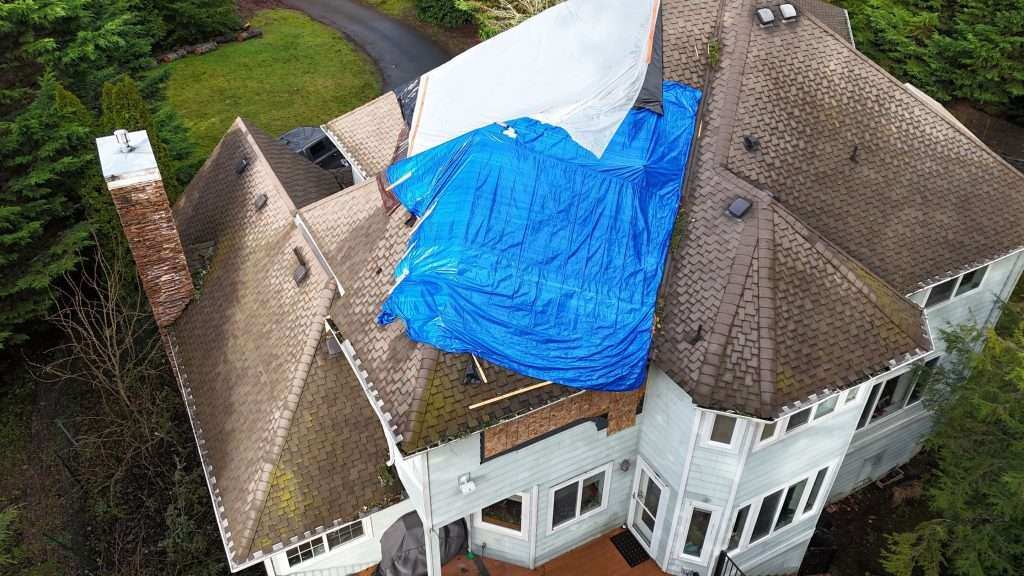
After storm damage or a roof leak, stop the water at the roof first, then dry whatever got wet within 24 to 48 hours, as the EPA advises, to prevent mold growth. RoofSmart repairs storm damage on every roof type in King, Pierce, south Snohomish, Thurston and Kitsap counties, and every repair visit starts with a $475 dispatch that includes the first hour.
Key takeaways
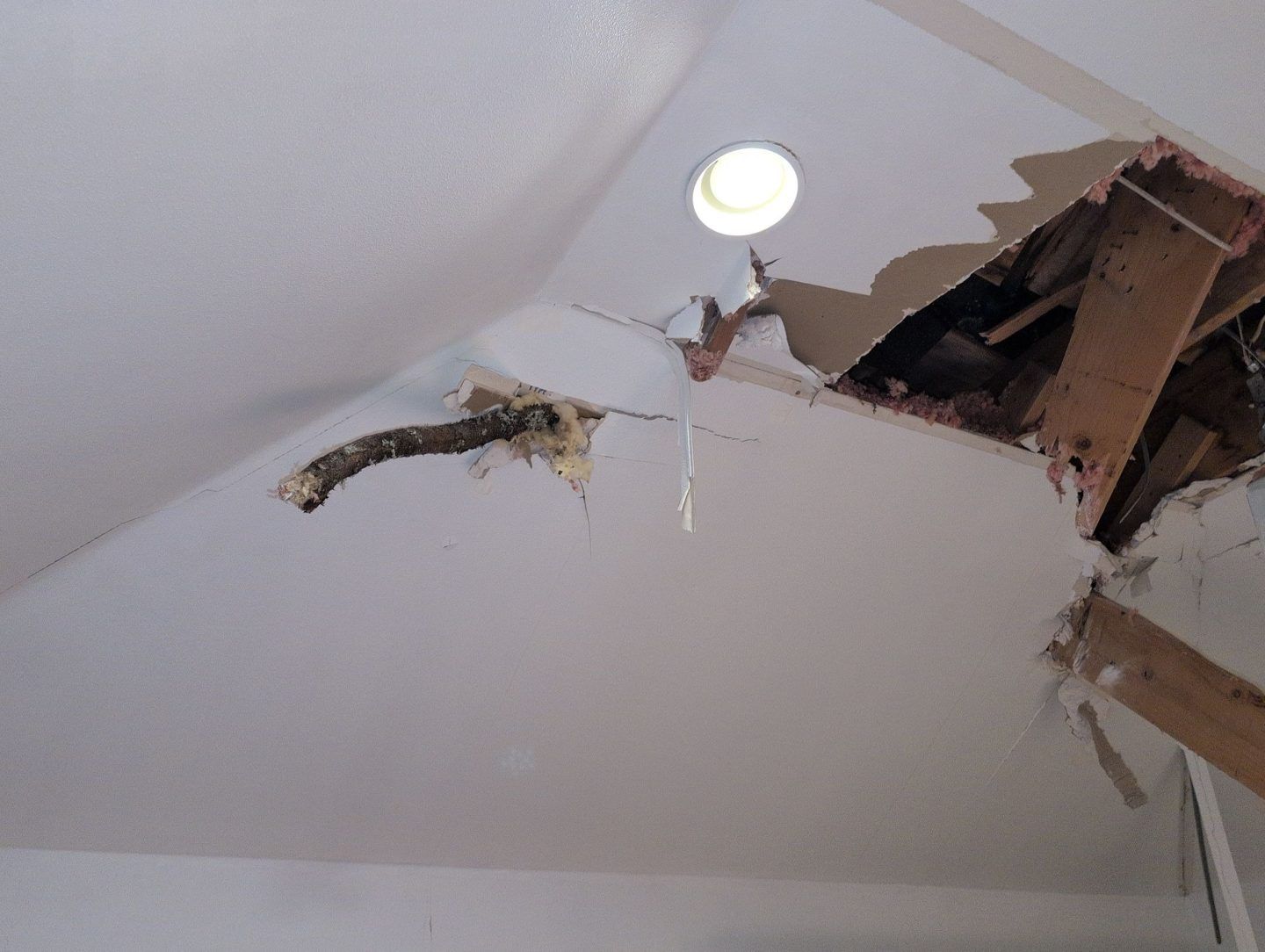
“My roof was damaged by a fallen branch during a wind storm. ... Jim with Roof Smart made it a seamless, stress-free experience.”
 A+
 GAF Certified Plus
 CertainTeed ShingleMaster PREMIER
 Owens Corning Platinum Preferred
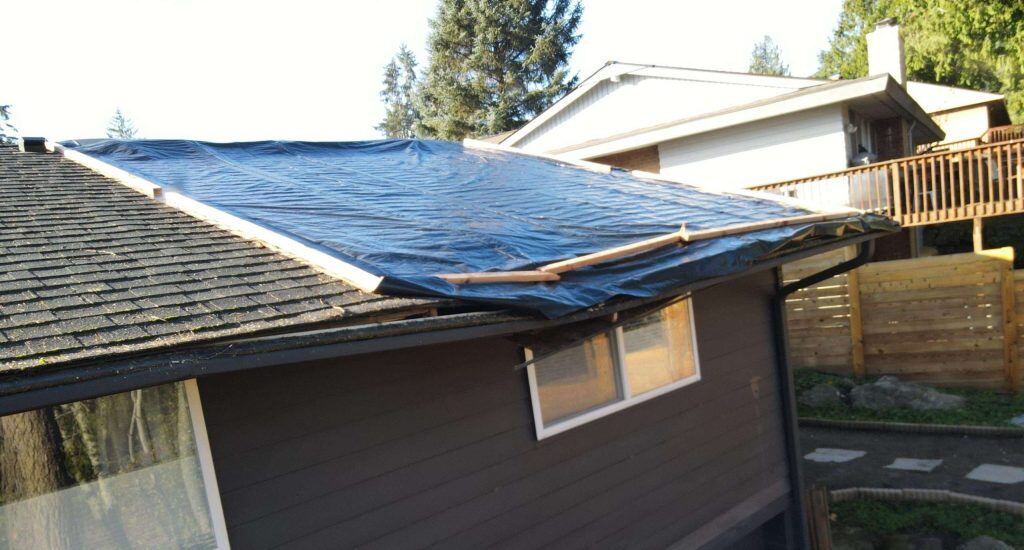
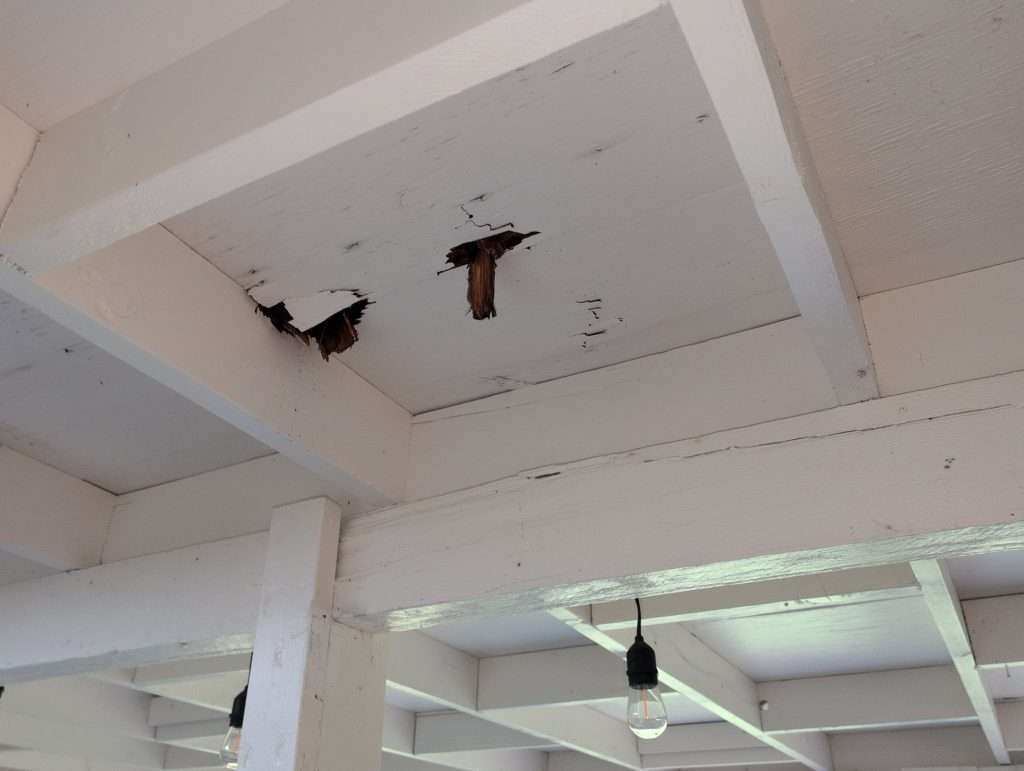
After storm damage, stay off the roof, photograph what you can see from the ground, and call a roofer to cover any opening that is letting water in. If water is coming in now, use the emergency repair form.
Take dated photos of missing shingles, debris and ceiling stains before anything is moved. Our guide to the steps to take after a wind storm damages your roof covers the full list.
A tarp stops water from entering until the repair, and what a tarp can and cannot do on a Seattle roof explains the limits. Tarping is time and materials.


The EPA advises drying wet materials within 24 to 48 hours to prevent mold growth. Its "A Brief Guide to Mold, Moisture and Your Home" says that in most cases mold will not grow if they are dried in that time.
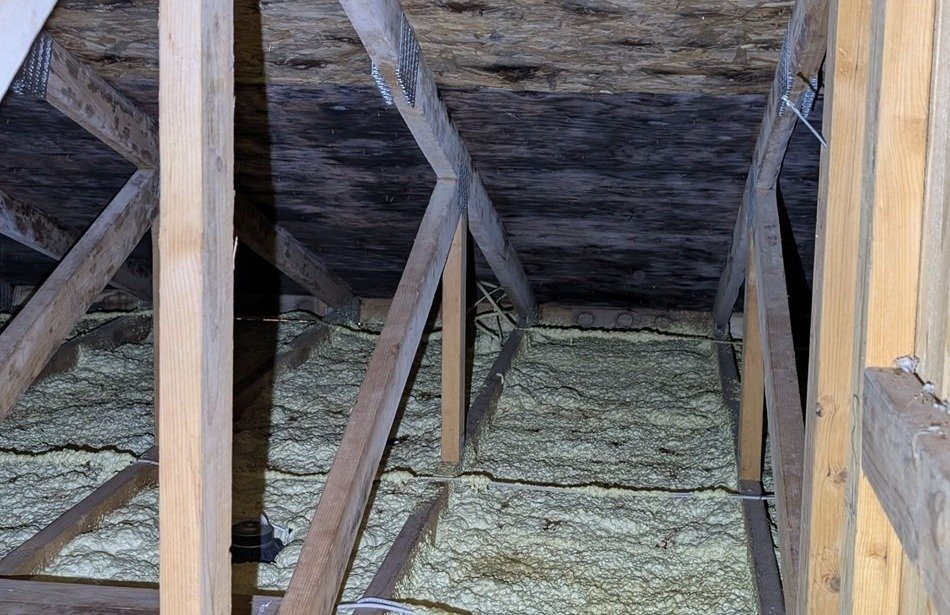
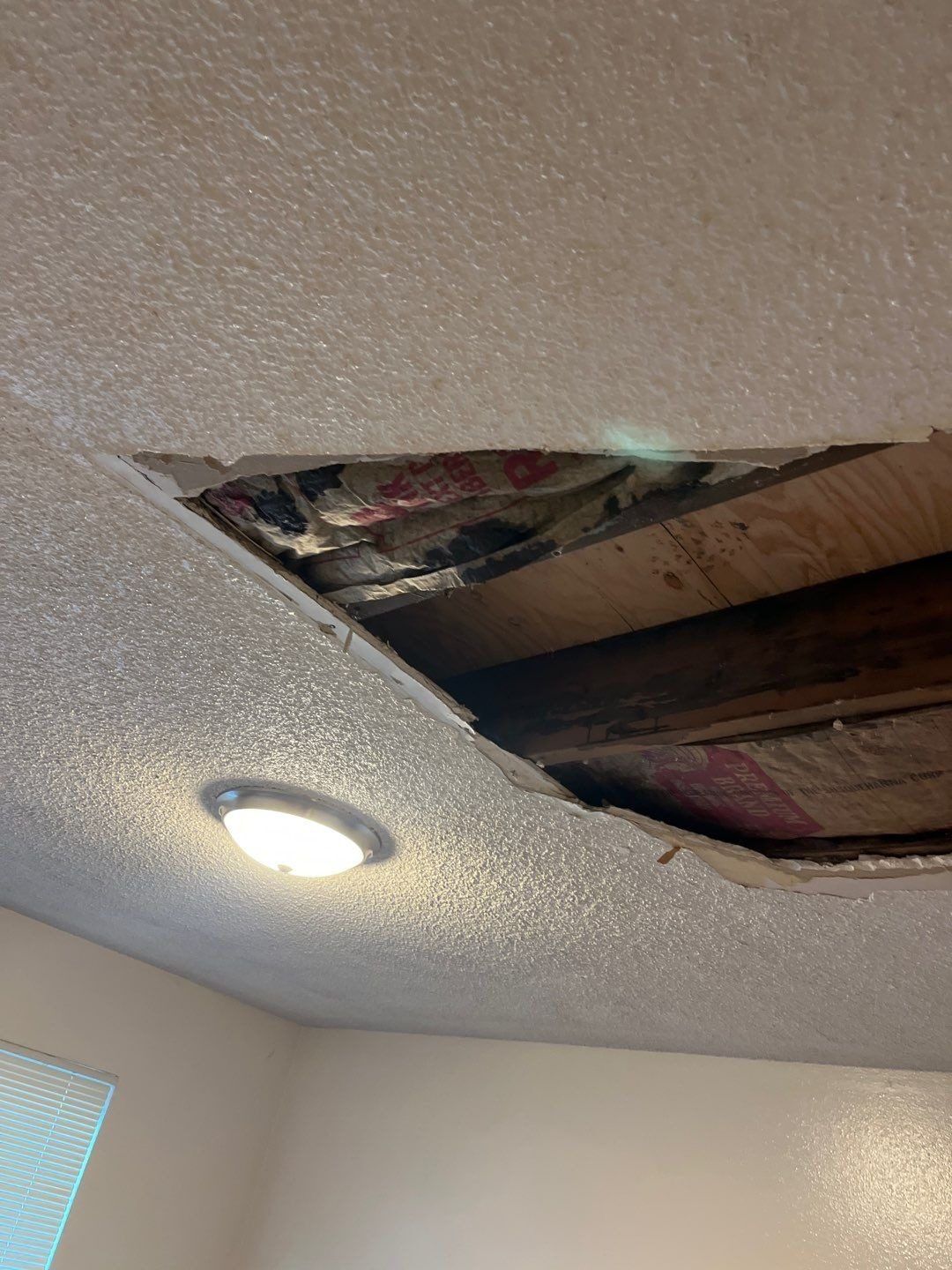
That is general guidance for wet materials in a home. Mold can grow on wet insulation, drywall and wood.
If growth is already in the attic, attic mold treatment and ventilation explains how we separate removal, treatment and the moisture fix.
A roof leak usually leaves a localized stain, typically near a penetration, flashing or damaged spot. Widespread mold on attic roof sheathing in the Pacific Northwest is often caused by condensation or indoor moisture, because warm indoor air meets a cold deck.
Environix, a Seattle mold remediation company, says on its website that in its experience over 95% of attic mold cases in the Seattle region come from condensation. That is one company's view, not a study.
The two need different fixes, and our guide to roof leak versus condensation shows how to tell them apart.
RoofSmart handles whatever the job needs, roof, attic and interior, in this order:
Stop the water. If water is coming in, we book a repair visit and send a repair tech. Every repair visit starts with the $475 dispatch, which includes the first hour. Each additional hour is $125 per worker, plus materials. If your home is more than 45 minutes away, time is billed door to door.
Find the cause. The tech looks at the roof and, where safe, the attic for moisture. Infrared leak testing, when used, is paid work.
Repair or replace. We do roof repair on every roof type and replace roofs that are finished. Our guide to repairing or replacing a roof after storm damage explains the choice, and roof replacement is scoped in a free written proposal.
Check for moisture and mold. We look in the attic and, where water reached, the interior for wet insulation, stained sheathing, damp drywall and growth, and for the ventilation or air path that let moisture build up.
Repair and document. We handle the roof, attic and interior repairs the job calls for, with our own crews and the trades we bring in. You get photos and notes on what was found and what was done.
Nothing leaking? Contact us to set up a free SmartMatch Needs Analysis, a free estimate, or a professional roof inspection.
Whether insurance pays depends on your policy and on what caused the damage, and your insurer makes that decision.
The Washington Office of the Insurance Commissioner says homeowners insurance often covers sudden, accidental water damage. It adds that most policies do not cover gradual leaks, and that mold coverage is often limited to mold that results from a covered loss.
Gradual leaks, condensation and maintenance problems are often not covered, and your policy language decides.
Insurers also expect you to protect the property, so delaying repairs can put coverage at risk. Protect the roof now, but ask your insurer before permanent repairs.
The Commissioner's homeowner insurance guide also advises protecting your home from further damage. It says to save receipts for temporary repairs like tarping and send them to your insurer for reimbursement.
Check your policy, because coverage and limits vary. RoofSmart is not your adjuster and does not promise a claim payout.
Before you file, read how RoofSmart can help with a roof damage insurance claim and the roof insurance claim deadlines in Seattle. Then check the mistakes homeowners make filing a roof claim.
$475
Includes the first hour
$125 per worker
Plus materials
About $1,000 to $20,000
Plus tax, including a tree branch through the roof
Priced on its own
A full replacement is a different, larger project with its own written proposal, and proposals are free.
For more, see what storm damage repair costs in Seattle and what a roof replacement costs.
RoofSmart is a licensed Washington general contractor. We handle the repairs the damage calls for, roof, attic and interior, with our own crews and the trades we bring in.
That includes treating mold in the attic, on the roof deck and in the interior spaces the water reached, and removing insulation and drywall that are too wet to keep. If water reached ceilings, drywall or flooring, we repair those too. The moisture source has to be fixed first, or the growth is likely to return.
The Washington Department of Health says there are no specific state certification requirements for mold or water damage restoration. Construction contractors, including those who do repairs, must be registered with the state Department of Labor and Industries.
You can check any contractor on the L&I contractor lookup.
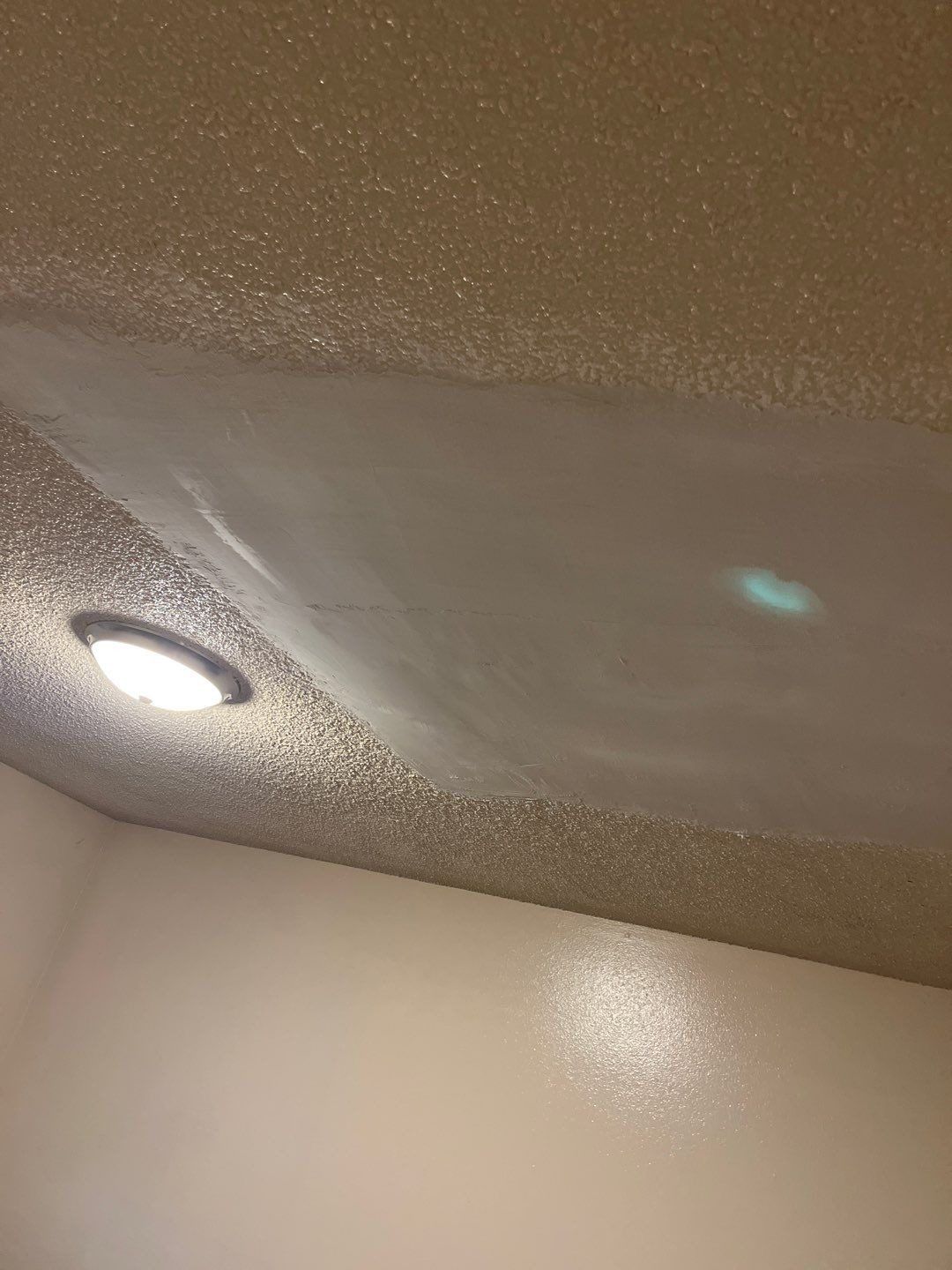
Sound flashing, balanced attic ventilation and a sealed ceiling reduce both leak risk and condensation. A roof check before the rainy season catches small problems early. Moss removal and other maintenance are paid services, and roof warranties do not cover them.
Not always. A roof leak usually leaves a localized stain, while widespread mold on attic roof sheathing is often caused by condensation or indoor moisture. Either way, the moisture source has to be fixed first. RoofSmart checks the roof and the attic to tell which one you have.
Tarp the roof as soon as it is safe, because rain keeps entering through an open spot until it is covered. Do not climb the roof yourself. Call a roofer, and expect tarping to be billed as time and materials.
Ask for the contractor's Washington license number and look it up in the state Department of Labor and Industries contractor lookup. RoofSmart's license number is ROOFS**797BK.
Yes. RoofSmart is a licensed Washington general contractor and handles the repairs the damage calls for, roof, attic and interior, with our own crews and the trades we bring in. We fix the roof that let the water in, then repair the attic, drywall and other interior damage that followed.
Dated photos of the damage, notes on when it happened and what you saw, receipts for tarps and other repairs, and the roofer's written findings. Protect the roof now, but wait until your insurer has inspected the damage before permanent repairs, as the Washington Insurance Commissioner advises.
Water coming in now? Book a repair visit, or call (206) 487-4877, Monday to Friday, 9 AM to 5 PM. Same-day replies depend on business hours and on whether the request is an emergency.
RoofSmart is a roofing contractor in Kent, Washington, founded in 2011. Jim Singleterry is Founder and President. Washington contractor license ROOFS**797BK. 400+ reviews, including 4.9 from 184 Google reviews. 801 Central Avenue North, Kent, WA 98032. Call (206) 487-4877.