


TL;DR: The Bottom Line on Seattle Metal Roofing
A metal roof in the Greater Seattle area runs about $18.60 per sq ft base, plus tax. That’s the median of 122 metal options on 83 RoofSmart jobs from Oct 2025 to Oct 2026, with outliers left out. Half fell between $16.70 and $20.56 per sq ft. Add-ons, steep and pack charges, and tax are separate.
It’s a high-upfront investment (roughly double the cost of asphalt), but it offers double the lifespan, superior energy efficiency, and high durability against Pacific Northwest weather.
Are you interested in getting a metal roof but frustrated about the lack of accurate cost information online about getting a metal roof in the Seattle area? Do you want to be able to walk into meetings with roofing contractors with a realistic sense of what you can expect to pay for a metal roof in the Seattle area?
At RoofSmart, we install around one hundred metal roofs per year. Before the roof replacement begins, we sit down with each customer to go over their options for different roof materials and any other roof work we recommend doing so that the customer understands the cost of the job, including the potential for extra costs added later on.

A metal roof in the Seattle area currently runs about $18.60 per sq ft base, before add-ons, steep and pack charges, and tax. We wrote this article for residents of the Greater Seattle area because many online resources give a lower estimate that does not reflect Seattle prices. Labor costs drive up the price in this area, making it difficult to find accurate information.
In this article, you’ll learn how much each type of metal roof material costs to install and the factors that impact the overall cost. By the end, you’ll be able to decide if the cost of a metal roof is right for your budget.
What is the average cost of a metal roof?
On RoofSmart proposals, metal roofs had a median base price of $18.60 per sq ft, plus tax. Half of them fell between $16.70 and $20.56 per sq ft. The median base price per option was about $38,900.
That base covers the metal roof itself. Add-ons like ventilation or sheathing, steep and pack charges, and tax are priced on their own lines, so a real bid will be higher than the base. Those numbers come from 122 metal options on 83 jobs from Oct 2025 to Oct 2026, with outliers left out. Labor costs here run higher than in many parts of the country, so national averages tend to read low for Seattle. For shingle numbers on the same basis, see our Seattle roof replacement cost page.
How much does each type of metal roof cost?
A major factor that will impact the cost of the roof is the type of metal that you choose. Steel is by far the most common type of metal roof that gets installed because it is the most affordable option.
Other types of metal roof materials cost much more, so it’s important to weigh the pros and cons of each to find the one that’s the best fit for your needs and your budget.
The prices below are base prices from RoofSmart proposals, plus tax, before add-ons, steep and pack charges.
- Steel, 24-gauge standing seam: median $19.63 per sq ft. Half fell between $18.36 and $21.23. This is the thicker panel.
- Steel, 26-gauge standing seam: median $16.73 per sq ft. Half fell between $15.42 and $18.35.
- Aluminum: costs more than steel for a similar-looking roof. It resists corrosion, so it’s worth a look for homes near saltwater.
- Zinc: rarely installed here. It costs more than steel. It doesn’t match the color of copper.
- Stainless steel: rarely chosen. It costs more than standard steel.
- Copper: the most expensive metal we install. It’s slow, careful work, it lasts a very long time, and it resists corrosion.
We don’t have enough recent proposals on aluminum, zinc, stainless or copper to publish a price. Ask us for a quote on your roof.

What are the factors that impact the cost of a metal roof?
Aside from the estimated costs of materials and labor, it is still possible that the cost of your metal roof replacement can increase if extra work needs to be done or if your project deviates from the standard used to estimate the cost.
Here are some examples of things that might increase the cost of your roofing project:
Different thicknesses of metal (gauge)
Each type of metal comes in different gauges, but they are all measured in different ways. A thicker panel is stronger, and it costs more. On our proposals, 24-gauge standing seam had a median base of $19.63 per sq ft, and the thinner 26-gauge came in at $16.73. That’s about $2.90 per sq ft, before add-ons, steep and pack charges, and tax.
Amount of labor needed to install that type of metal
Labor is part of the base prices above, but some metals cost more mainly because they take longer to install, not just because the material costs more.
Some metals are easier to work with, whereas others require more skill to handle. For example, copper roofs are very delicate and take a lot of extra time and skill to install, which adds quite a bit to the labor costs.
Accessibility of your roof and property
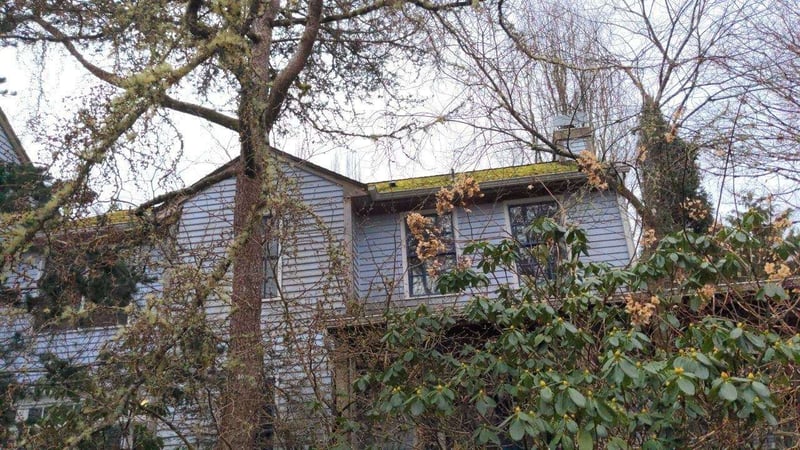
If your house is difficult to access or you have things near the house that we want to avoid damaging, this can add to labor costs because it will take more time to transport materials.
For example, if we cannot back our dump trailer up to your house while tearing off the old roof, then someone is going to have to walk the old shingles from the roof all the way to wherever the trailer is.
This might also make it more difficult and time-consuming to get the metal panels onto the roof because the crew has to navigate the obstacles in your yard to get each long, heavy metal panel onto the roof.
Complexity of the roof

If your roof is steep or has a lot of layers, this can make it dangerous and difficult to work on, which will add to the labor costs. Safety is our top priority, so the roofing crew will need to take extra precautions on a steep roof and it will take them longer to move around and get things done.
Installing metal panels on a roof with many layers, dormers, or valleys requires extra skill and precision from your roofers, which will increase labor costs.
Style of the metal
Standing seam metal is the most common style of metal roof and is also the cheaper option. The other option is stamped metal, which imitates the look of other roofing materials, like shake, slate, or tile. It is more expensive than standing seam metal.

Is a Metal Roof Worth the Cost?
The cost of a metal roof in Seattle can be higher than the national average, but the durability, energy efficiency, and potential for long-term savings make it a strong investment for many homeowners. From steel to copper, each metal type offers its own pros and cons, and understanding the factors that drive the price can help you make the right choice.
Want to learn more about the pros and cons of different types of metal roofs? Read our article “6 Types of Metal Roof Materials: Pros, Cons, and Costs” to find the right metal roof for you.
After reading this article, are you wondering if you should choose a cheaper alternative to metal? Check out our article “Asphalt Shingles vs. Metal Roofs: Which One is Better for My Home?” to help you assess the pros, cons, and costs of each roof type.
To learn more about how much it will cost to get a new metal roof use our instant estimator:

Frequently Asked Questions
1. Why is roofing more expensive in Seattle than in other cities?
Mostly labor. Seattle has a higher cost of living and a tight labor market, so installed prices here run above national averages.
2. Which metal material is the most cost-effective?
Steel standing seam. On our proposals, 26-gauge had a median base of $16.73 per sq ft and 24-gauge $19.63, plus tax, before add-ons, steep and pack charges.
3. How does roof complexity affect my quote?
If your roof is very steep, has multiple layers, or features many dormers and valleys, labor costs will increase. These factors require more safety equipment and specialized precision during installation.
4. Is aluminum better than steel for coastal homes?
Often, yes. Aluminum costs more than steel, but it resists corrosion, so it holds up well near Puget Sound saltwater.
5. What is the difference between "Gauge" and price?
Gauge is the thickness of the metal. A lower number means thicker metal. On our proposals, 24-gauge standing seam had a median base of $19.63 per sq ft and 26-gauge $16.73, plus tax, before add-ons, steep and pack charges.
6. What are the common pitfalls I should watch out for during installation?
Common issues can range from poor attic ventilation to improper flashing. Learn more in What Are Common Issues with Metal Roof Installations?
7. Will a metal roof actually hold up during a major Seattle windstorm?
Metal is one of the most resilient materials against high winds, but its performance depends on the style you choose. Compare the options in Will My Roof Survive a Seattle Windstorm? Pros and Cons of Different Roof Types
8. What are the specific disadvantages of choosing metal over other materials?
While durable, metal isn't perfect. Factors like noise, higher initial cost, and material expansion are worth considering. Read the details in What Are the Downsides of Getting a Metal Roof?
9. How does Standing Seam compare to Exposed Fastener panels?
Standing seam is the industry standard for residential homes because it hides the screws, reducing leak risks. Explore the differences in Exposed Fastener vs. Standing Seam: Which Type of Metal Roof Panel Is Right for Me?
10. Are there myths about metal roofs I should ignore?
Many people worry about lightning or cell service interference, most of which are untrue. Get the facts in 5 Common Metal Roof Myths Debunked
Topics:
