

TL;DR: Summary
Euroshield slate shingles are made primarily from recycled rubber tires and are designed to imitate the appearance of natural slate without the weight or high cost of real slate. They offer several advantages for Seattle homeowners, including excellent impact resistance, low maintenance, moisture resistance, distinctive curb appeal, and an expected lifespan of up to 50 years.
Euroshield offers two slate options, Vermont Slate and Rundle Slate. Both are premium roofing products, so they cost more and require a more technical installation than standard asphalt shingles. They also shouldn’t be installed on roof slopes below 4/12.
However, they can be a good alternative for homeowners who like the look of slate but want something lighter, less expensive than real slate, and better suited for handling impacts from branches and storm debris.
The key takeaway: Euroshield slate shingles are worth considering in Seattle if you want a unique, durable, low-maintenance roof and are willing to pay more than you would for asphalt shingles. They may not be the right choice if your main priority is keeping costs as low as possible or you don’t like the appearance of slate.
Do you love the unique look of a slate roof but worry that the cost, weight, and installation requirements of real slate make it unrealistic for your home? Have you come across Euroshield slate shingles as an alternative but aren’t sure whether a roof made from recycled rubber tires can actually look good, withstand Seattle’s weather, and last long enough to justify paying for a premium roofing product?
At RoofSmart, we’ve installed Euroshield on Seattle-area homes and have seen firsthand how the material performs in our climate, including how well it can hold up when a roof takes a direct hit from a falling tree. While Euroshield offers some impressive advantages, it also has limitations that make it a poor fit for certain roofs.
In this article, we’ll review Euroshield’s Vermont Slate and Rundle Slate shingles, including their appearance, durability, impact resistance, lifespan, maintenance requirements, environmental benefits, installation limitations, and cost. By the end, you’ll have a clearer idea of whether Euroshield slate shingles are the right fit for your Seattle-area home.
What are Euroshield slate shingles, and what are they made of?
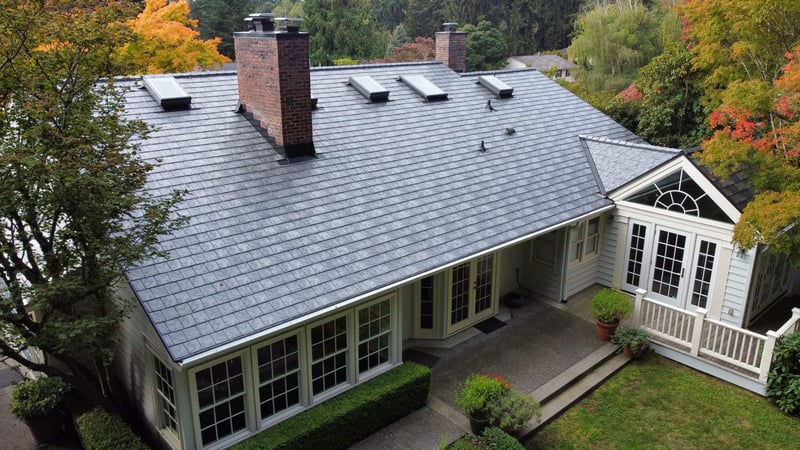
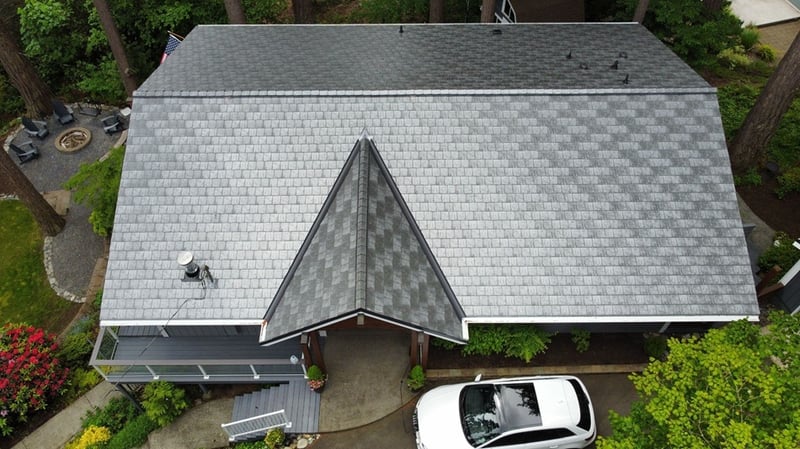

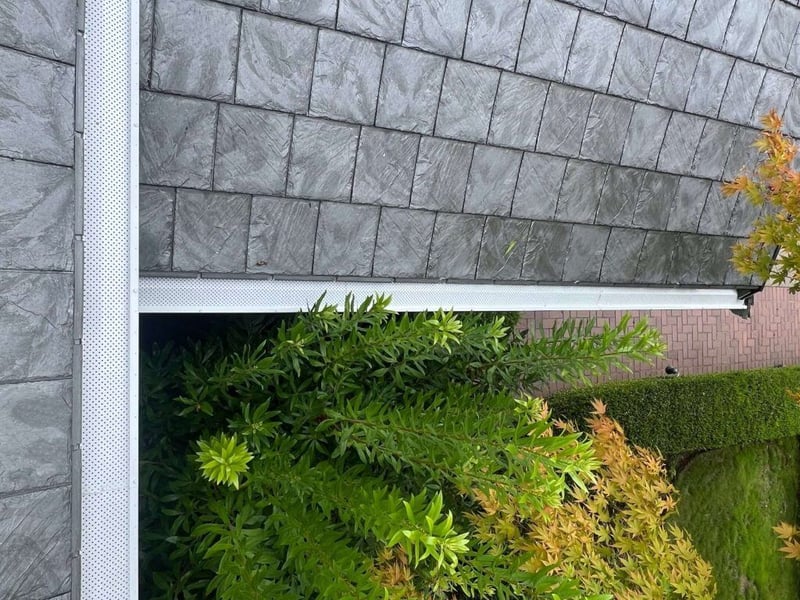
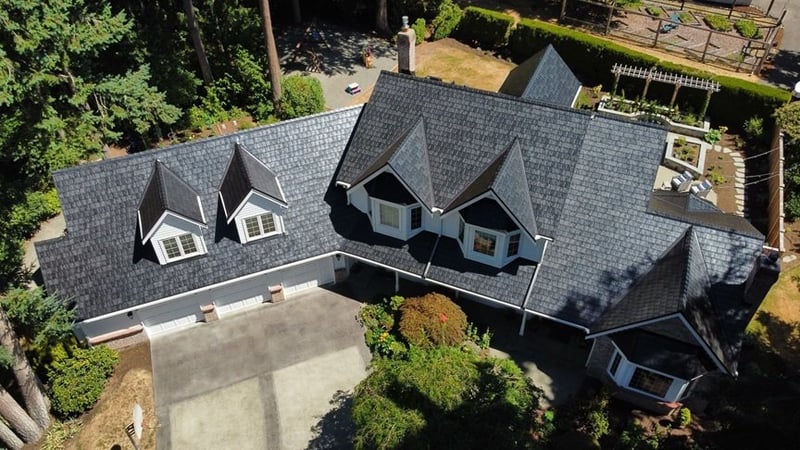
Euroshield shingles are made of recycled rubber tires. They are designed to imitate the look of slate tiles and cedar shakes (but the focus of this article is on the slate imitation options).
Euroshield has two slate shingle options: Vermont Slate and Rundle Slate. Both look the same, but the Rundle Slate is a bit heavier.
Euroshield Slate Shingles: Quick Product Review
|
Category |
Euroshield Slate Shingles |
What Seattle Homeowners Should Know |
|
Material |
Made primarily from recycled rubber tires |
Provides a slate-like appearance without using natural slate |
|
Product options |
Vermont Slate and Rundle Slate |
Both have a similar appearance, but Rundle Slate is heavier |
|
Appearance |
Designed to imitate natural slate |
A distinctive option for homeowners who want their roof to stand out |
|
Impact resistance |
Excellent impact resistance due to the flexible rubber material |
Can provide added protection from falling branches and storm debris |
|
Expected lifespan |
Up to 50 years |
Potentially about twice the expected lifespan of asphalt shingles in Seattle cited in this article |
|
Moisture resistance |
Rubber does not absorb moisture |
Wet debris is less likely to deteriorate the roofing material compared with moisture-sensitive materials |
|
Weight |
Significantly lighter than real slate |
Can be installed on standard roof framing, unlike real slate that may require reinforcement |
|
Maintenance |
Relatively easy maintenance; material is grippy underfoot |
Makes accessing the roof to remove debris easier, although roof safety precautions are still important |
|
Environmental impact |
Made with 95% recycled material and can be recycled after removal |
An option for homeowners prioritizing recycled roofing materials |
|
Minimum roof slope |
Should not be installed below a 4/12 slope |
Low slopes can allow debris and water to create potential leak problems |
|
Installation difficulty |
More technical than asphalt shingles |
Requires a roofing contractor with experience installing the product correctly |
|
Cost |
Premium roofing product; less expensive than real slate but more expensive than lower-cost roofing options |
Best suited to homeowners willing to pay more for durability, appearance, and other performance benefits |
|
Best for |
Distinctive appearance, impact resistance, easy maintenance, and slate aesthetics |
A strong option for homeowners who want several premium features in one roofing material |
What are the advantages of installing Euroshield slate shingles?
Euroshield slate imitation tiles are strong and durable. I often recommend them to customers because they hold up well and are great at protecting your roof in the Seattle weather.
Here’s an overview of the benefits that Vermont and Rundle Slate offer:
- Great curb appeal: Euroshield slate has a unique and distinctive look. Slate is not a common roofing material in the Seattle area, so choosing Euroshield’s slate option immediately makes your roof stand out. It’s a good choice for homeowners who want a roof that looks different than everyone else’s, or even if you’re just looking to elevate your home’s curb appeal.
- Less expensive than real slate: Real slate is a very expensive material on its own, but the high shipping and labor costs for installation make it hard to justify the total price. Euroshield’s slate shingle options cost significantly less.
- Less heavy than real slate: Slate tiles are very heavy, and installing them on your roof can often require that you reinforce the framing. Euroshield slate shingles weigh a lot less than slate and can be installed on standard roof framing.
- Excellent impact resistance: Since Euroshield is made of rubber, its slate shingles are incredibly bouncy and durable. It holds up really well in a Seattle windstorm where trees get knocked over, and branches fly around. In fact, we’ve even seen a roof with Euroshield slate get hit by a falling tree and cost significantly less.
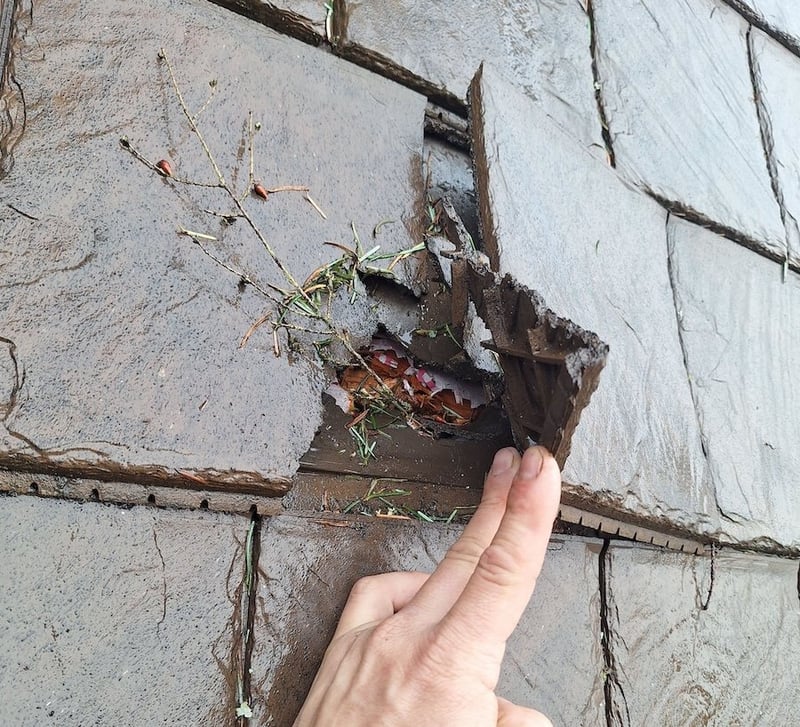
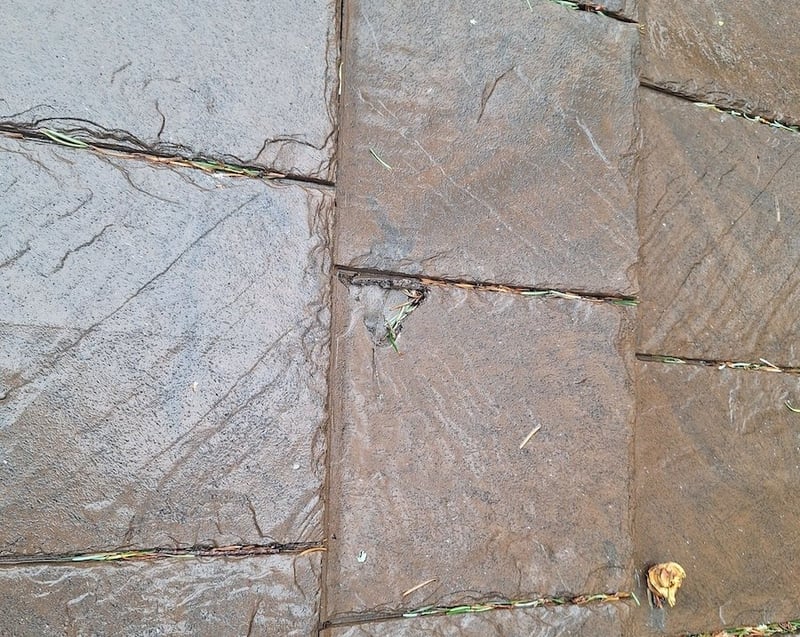
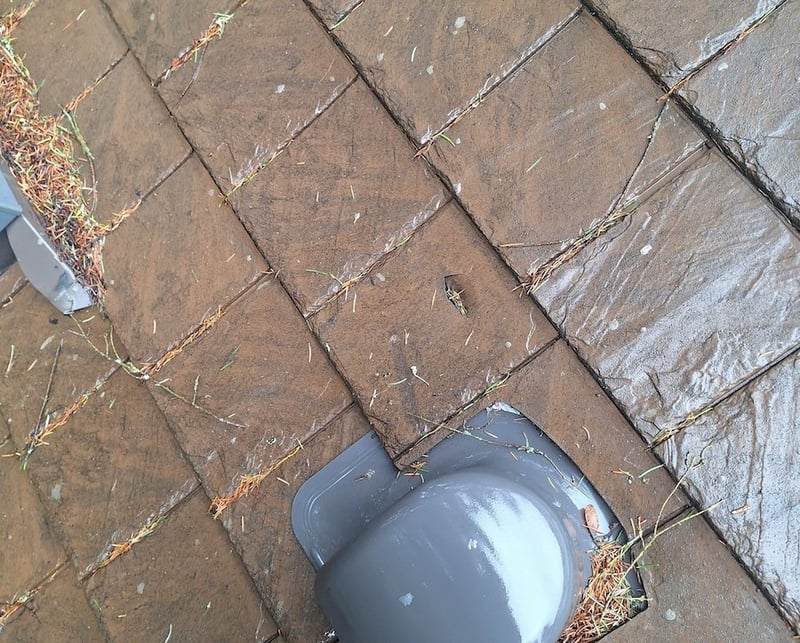
- Eco-friendly: Euroshield slate roofing is made using recycled rubber tires and is made of 95% recycled material. In addition, once it’s time to remove it from your roof, it can be recycled. It is one of the most eco-friendly roofing material options on the market.
- Long lifespan: Euroshield slate shingles have an expected made of 95% recycled material, which is twice as long as asphalt shingles are expected to last in Seattle weather.
- Easy maintenance: The rubber material that Euroshield slate shingles are made of is grippy to walk on, making it a safer option for walking on the roof to get rid of debris.
- Not impacted by moisture: Euroshield slate shingles are made mostly of rubber, which does not absorb moisture. Unlike asphalt shingles, you can let wet debris sit on your Euroshield shingles without worrying about them deteriorating due to extra moisture.
What are the cons of installing Euroshield slate shingles?
Euroshield shingles do have plenty of benefits, but no roofing material has only pros. It’s important to be aware of the full picture before choosing a roofing material.
With that in mind, here are the potential downsides of installing Euroshield slate roofing:
- Not meant for low slope: Euroshield slate products shouldn’t be installed on slopes below 4/12. Putting it on a low slope can cause leaks or make the roof fail because debris can build up in keyways, causing water to migrate sideways and potentially find a nail hole.
- Expensive: Euroshield slate shingles are not the cheapest option. They cost less than real slate tiles, but they’re a premium product, so they cost more.
- More technical installation: Euroshield slate shingles can take a little longer to install than asphalt shingles, but that’s because they require a higher level of expertise to be installed.
When are Euroshield slate shingles right for your roof?
Although Euroshield slate shingles are a great product, they aren’t always the right fit for everyone. Take a look at the criteria listed below to help you determine if Euroshield slate shingles might be right for your roof.
I typically recommend Euroshield’s slate products to homeowners who want a cool, unique roof with easy maintenance and great impact resistance. Other materials may have some of these features, but Euroshield products offer them all at once.
Euroshield slate shingles are a good fit for your roof if:
- You want to elevate your roof’s curb appeal
- You want a roof that stands out
- You’re worried about roof damage during a storm
- You want a roof with easy maintenance
- You like the look of slate, but want a lower-cost option
- You prefer an environmentally friendly roofing material
Euroshield slate shingles are a bad fit for your roof if:
- You want the most affordable roof option possible
- You don’t like the look of slate
Are Euroshield slate shingles worth it on my Seattle roof?
Euroshield slate shingles can be worth installing if you want the unique appearance of slate without the weight and expense that come with installing real slate. Their impact resistance, long lifespan, low maintenance requirements, and resistance to moisture also make them particularly appealing for homeowners concerned about how their roof will perform in Seattle’s wet and stormy weather.
However, Euroshield isn’t right for every home. It’s a premium roofing product that requires an experienced installer, and shouldn’t be installed on roof slopes below 4/12. If keeping your roof replacement as affordable as possible is your priority, there are less expensive materials to consider.
Read our article “Pros and Cons of Euroshield: Is It Right For My Seattle Roof?” to dive deeper into the advantages and disadvantages of Euroshield roofing shingles that you should consider before deciding whether Euroshield is right for your Seattle-area roof.
Frequently Asked Questions About Euroshield Slate Shingles
1. Are Euroshield slate shingles worth it for Seattle homes?
Euroshield slate shingles can be worth considering for Seattle homeowners who prioritize impact resistance, distinctive curb appeal, easy maintenance, moisture resistance, and a long expected lifespan.
They aren't likely to be the best choice if your primary goal is getting the least expensive roof possible. Euroshield is a premium roofing product, so you're paying more to get its combination of appearance and performance benefits.
2. What are Euroshield slate shingles made of?
Euroshield slate shingles are made primarily from recycled rubber tires and are designed to imitate the appearance of natural slate roofing. According to the product information cited in this article, Euroshield roofing is made with 95% recycled material.
Unlike real slate, the material is flexible and significantly lighter, which contributes to some of its durability and installation advantages.
3. What is the difference between Euroshield Vermont Slate and Rundle Slate?
Euroshield offers two slate-style options discussed in this article: Vermont Slate and Rundle Slate. Both provide a similar slate appearance, but Rundle Slate is the heavier of the two products.
If you're deciding between them, talk with your roofing contractor about which product makes the most sense for your specific roof and priorities.
4. How long do Euroshield slate shingles last in Seattle?
Euroshield slate shingles have an expected lifespan of up to 50 years. That's significantly longer than the expected lifespan of a typical asphalt shingle roof in Seattle referenced in this article.
Actual roof lifespan can vary, so homeowners should consider installation quality, roof design, maintenance, and environmental conditions rather than assuming every Euroshield roof will last exactly 50 years.
5. Can Euroshield slate shingles handle Seattle's wet weather?
Euroshield's rubber material does not absorb moisture, which is an advantage in Seattle's wet climate. Wet leaves and other debris sitting on the roof won't affect the material in the same way they can contribute to deterioration of more moisture-sensitive roofing products.
You should still remove debris as part of regular roof maintenance, particularly because accumulated debris can interfere with proper drainage.
6. How well does Euroshield roofing handle falling branches and storm damage?
Impact resistance is one of Euroshield's biggest advantages. Because the shingles are made primarily from rubber, they're flexible, durable, and capable of handling significant impacts.
That can be particularly valuable around Seattle homes surrounded by trees, where windstorms can send branches and other debris onto the roof. As discussed in this article, RoofSmart has even seen Euroshield roofing sustain relatively minor roofing damage after being struck by a falling tree.
7. Can Euroshield slate shingles be installed on a low-slope roof?
Euroshield slate products should not be installed on roof slopes below 4/12, according to the guidance discussed in this article.
On a low-slope roof, debris can collect in the keyways. This can interfere with water drainage and allow water to migrate sideways, potentially reaching a nail hole and causing a leak. Roof pitch should therefore be evaluated before choosing Euroshield slate shingles.
8. Is Euroshield slate roofing cheaper than real slate?
Yes. Euroshield slate shingles are designed to provide a slate-like appearance at a significantly lower cost than natural slate.
Real slate isn't just expensive because of the material itself. Its weight can create additional shipping, labor, and structural requirements. Euroshield weighs considerably less and can be installed on standard roof framing, helping homeowners get a similar aesthetic without taking on all of the costs associated with real slate.
9. Are Euroshield slate shingles more expensive than asphalt shingles?
Euroshield is a premium roofing product, so homeowners should expect it to cost more than a lower-cost roofing option such as asphalt shingles.
The tradeoff is that you're getting features such as an expected lifespan of up to 50 years, strong impact resistance, moisture resistance, recycled material content, and a distinctive slate appearance. Whether the additional upfront investment makes sense depends on which of those features matter most to you.
10. Who should and shouldn't choose Euroshield slate shingles?
Euroshield slate shingles are a strong fit for homeowners who like the appearance of slate but don't want the weight and expense of real slate. They're also worth considering if you want a roof that stands out, are concerned about storm impacts, prefer easier maintenance, or want a roofing material made largely from recycled materials.
Euroshield probably isn't the right choice if your biggest priority is getting the lowest-cost roof possible or you simply don't like the appearance of slate. Your roof also needs to meet the product's slope requirements, so homes with roof slopes below 4/12 will need a different roofing solution.
Topics:
