

TL;DR: Summary
Euroshield is a good option for preserving the appearance of historic homes with the added benefits of improving durability and reducing maintenance.
Designed to replicate the look of cedar shake or slate, Euroshield provides the traditional aesthetic many historic homes require while offering a longer lifespan, superior impact resistance, and easier maintenance than mid-grade cedar shake.
In this case study, Euroshield helped preserve the character of a historic event venue while also addressing common issues found in older homes, including inadequate attic ventilation and moisture control.
The key takeaway: if you want to maintain the historic charm of your home without the ongoing maintenance and shorter lifespan of traditional cedar shake, Euroshield offers a durable, low-maintenance alternative that still looks authentic.
Are you worried that replacing the roof on your historic home will ruin the character and charm that make it special? Do you feel stuck choosing between preserving your home’s original appearance and installing a roof that will actually hold up to Seattle’s rain, moss, and wind?
At RoofSmart, we help each homeowner find the right roofing material for their home, whether they’re preserving a historic home or looking for a basic roof replacement. We make recommendations for which materials to consider based on your roof's needs, your preferences, and your budget.
In this article, we’ll explore how Euroshield roofing can help preserve the historic look of a home while providing modern performance, compare it to cedar shake, and walk through a real Seattle-area project where a homeowner successfully protected both the appearance and longevity of their historic property.
Is Euroshield a good option for preserving the look of historic homes in Seattle?
Cedar shake and slate tile are both premium products that instantly elevate the curb appeal of your home, but they’re often not in the budget.
Euroshield roofing imitates the look of cedar shake and slate tiles, but it is made out of recycled materials. It’s a good middle ground between getting the look of fancy roofing materials while scaling down the cost a fair amount.
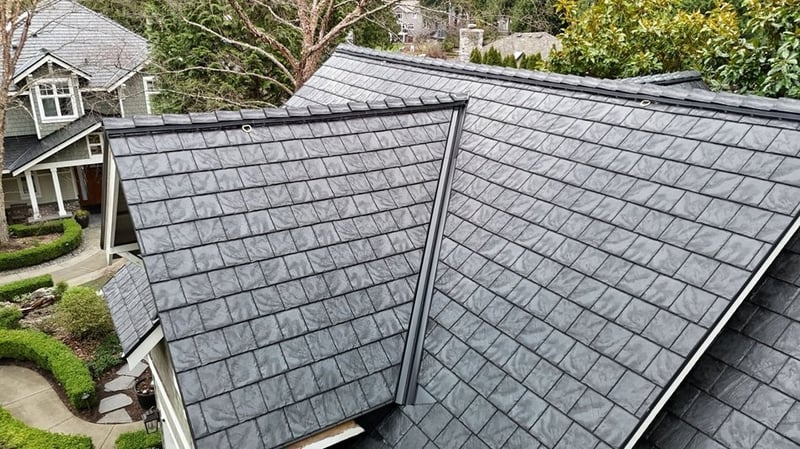
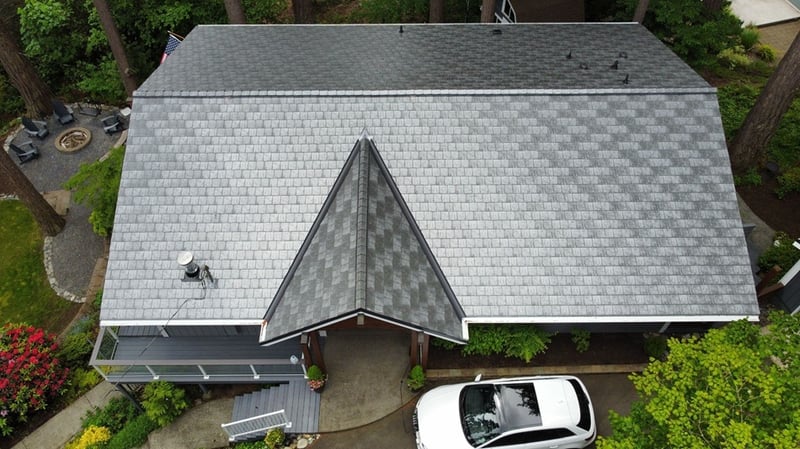
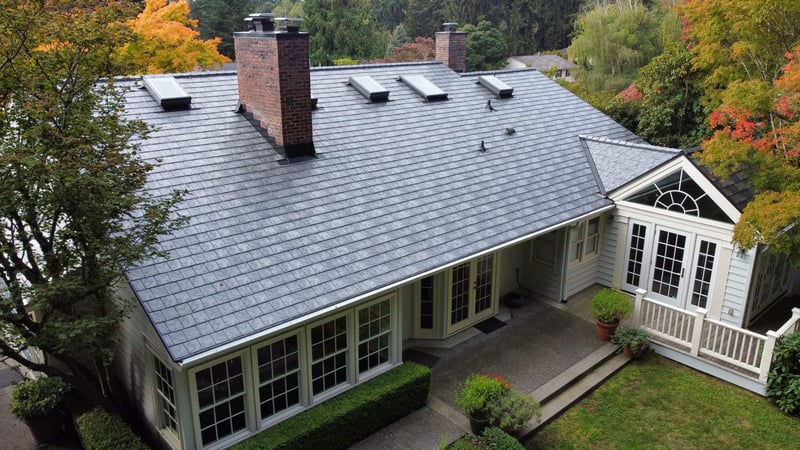
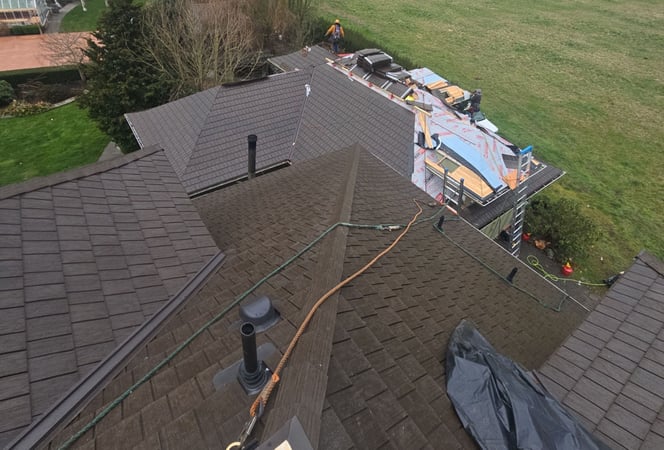
We recently had a customer in Stanwood who had an old cedar shake roof that was worn out and needed to be replaced. This was a historic home that was used for events in the summer, so it was extremely important to the owner that the original look of the house was preserved, including the wood shake.
The homeowner had already had part of the roof replaced with Euroshield by a different company. She decided that it was time to replace the rest of the roof and hired us.
What are the benefits of choosing Euroshield over cedar shake?
There are different grades of cedar shake, so the comparison will differ a bit depending on the grade. In this case, the customer had a mid-level grade of cedar shake.
Mid-grade cedar shake looks nice on the roof for about a decade, then it starts to warp and have problems. Euroshield lasts for a long time, and actually starts to look better as time goes on (the color deepens over time when exposed to the sun).
If you have any kind of wood shake other than premium cedar, it’s not as great a product. It’s really not fair to compare Euroshield to any grade of shake lower than premium because the quality drops significantly when you move down, but it’s happening here because that’s what this customer had on her roof before Euroshield.
Compared to mid-grade cedar shake, Euroshield is a more affordable and durable alternative. Euroshield lasts 50 years, but mid-grade shake only lasts about 20 to 30 years in Seattle’s weather.
Euroshield is made of rubber, so it is very bouncy. It is an ideal roof material for Seattle’s windstorms that often knock trees over or blow branches into roofs. In fact, we’ve seen Euroshield take on minimal damage after being hit by a tree. Cedar shake, especially a lower grade, would be more prone to breaking.
Although Euroshield imitates the look of cedar shake, it is not installed in a bunch of individual pieces like wood shake is. This makes it easier to clean algae and debris off the roof and helps prevent debris from getting underneath the roofing material.
Although Euroshield looks great on your roof and is a quality imitation of wood shake, one category where mid-grade cedar shake has a bit of a leg up on Euroshield is authenticity. It’s hard to compete with the look of true cedar shake. However, keep in mind that lower grades of cedar shake only last so long before their looks start to go downhill.
Euroshield vs Cedar Shake for Historic Homes: How the Two Roofing Materials Compare
|
Category |
Euroshield Shake |
Mid-Grade Cedar Shake |
Why It Matters |
|
Appearance |
Mimics natural cedar shake |
Authentic cedar shake |
Both preserve historic aesthetics |
|
Lifespan |
50+ years |
20–30 years |
Longer replacement cycle |
|
Maintenance |
Low |
Moderate to High |
Less cleaning and upkeep |
|
Impact Resistance |
Excellent |
Moderate |
Better protection from falling branches |
|
Moss & Debris Resistance |
Better |
More vulnerable |
Important in Seattle's climate |
|
Cost Over Time |
Lower long-term ownership cost |
Higher maintenance and replacement costs |
Impacts lifetime value |
|
Moisture Resistance |
High |
Moderate |
Helps reduce deterioration |
|
Sustainability |
Made from recycled rubber |
Natural wood product |
Different environmental benefits |
|
Installation Method |
Larger panels |
Individual shakes |
Easier maintenance and cleaning |
|
Historical Authenticity |
Very good imitation |
Original material |
Important for preservation projects |
What other work can roofers do to preserve historic homes?
Older homes in the Greater Seattle area tend to have attic ventilation issues, and updating them is a delicate balance. If you only change part of the ventilation system, it can throw everything off and trap moisture inside, causing mold.
This customer’s historic home was in need of a major update to the attic ventilation system because her attic was not circulating air properly. We recommended a vented deck to create the right combo of condensation control and ventilation, but the customer declined.
So, we opted for a more budget-friendly option (vented decks can get expensive). Our crew installed ice and water shield over the entire upper roof to give better moisture protection. They also replaced the static exhaust vents with a roof-to-wall vent around the crown of the roof.
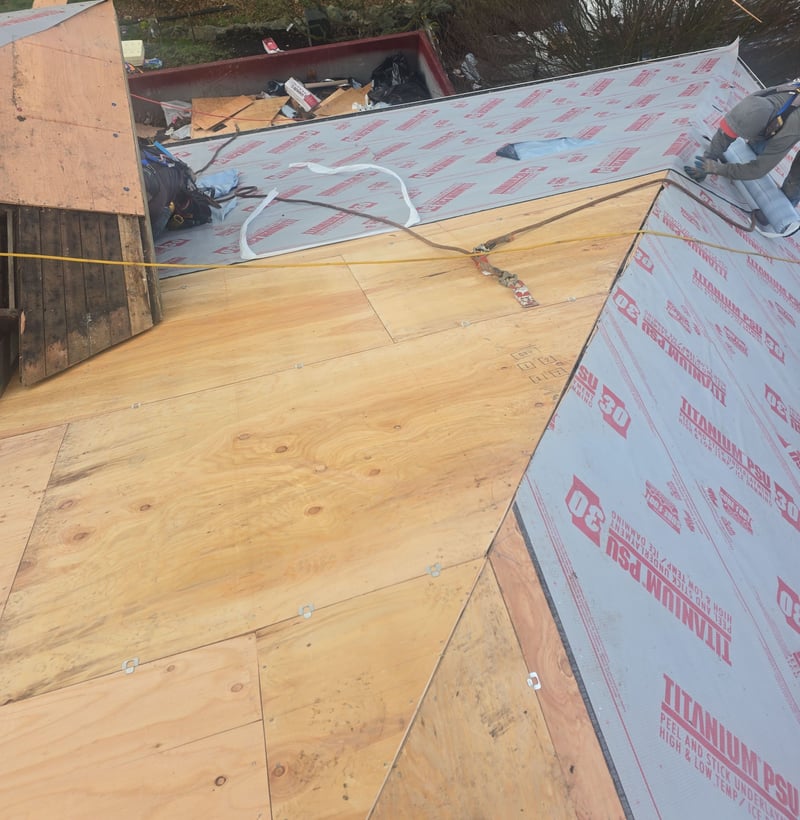
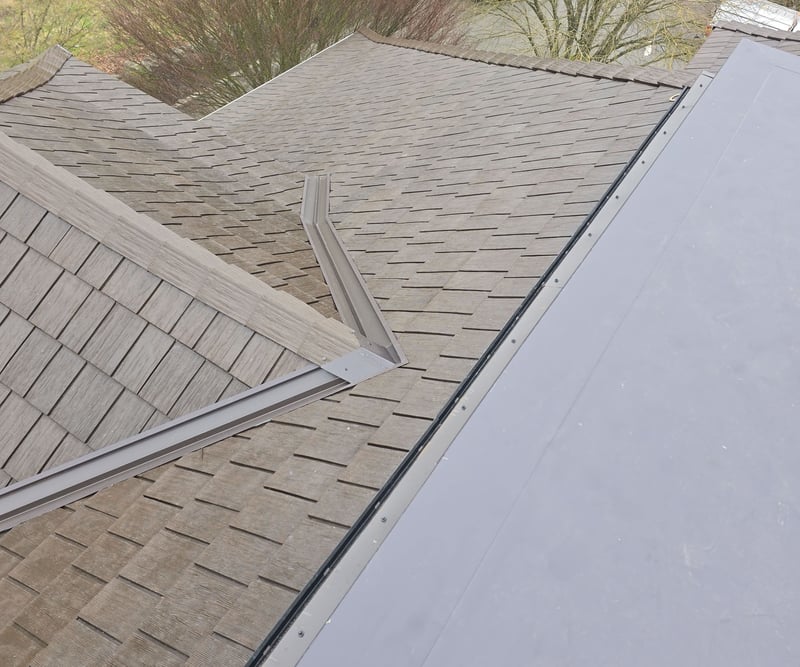
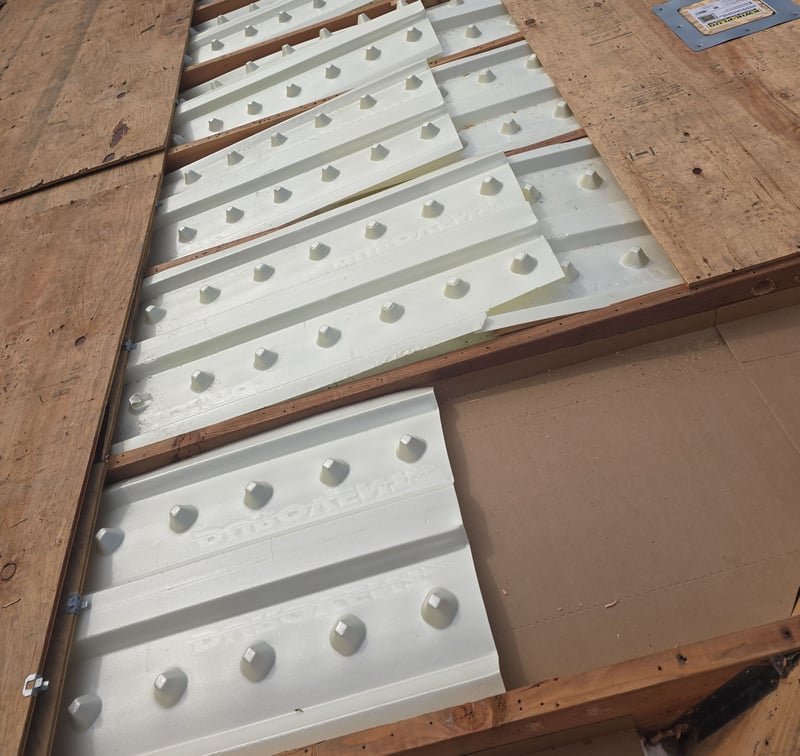
In addition, they installed baffling in the roof so that there was room for air to flow in the attic. All of these steps will help to prevent moisture from collecting in the roof and give the attic better airflow, helping the roof last as long as possible on this historic home.
What are the pros and cons of Euroshield roofing for Seattle homes?
As this historic home project shows, preserving a home's original character doesn't always mean sticking with the original roofing material. Euroshield gave this homeowner a way to maintain the classic cedar shake appearance while gaining the durability, impact resistance, and lower maintenance that Seattle's climate demands.
But while Euroshield offers some impressive advantages, it's not the perfect fit for every home or every budget.
Before making a final decision, it's important to understand both the benefits and the potential drawbacks so you can determine whether it's the right roofing material for your specific goals.
Read our article “What Are the Pros and Cons of Euroshield Roofing?” to take a deeper dive into Euroshield's strengths and weaknesses, including cost, appearance, lifespan, maintenance requirements, and how it compares to other premium roofing materials available in the Seattle area.
Frequently Asked Questions About Euroshield and Mid-grade Cedar Shake on Historic Homes
1. Is Euroshield a good roofing material for historic homes?
Yes. Euroshield is often a strong choice for historic homes because it closely resembles traditional cedar shake and slate roofing while providing modern durability and weather resistance.
Many homeowners choose it when they want to preserve the character of an older home without the maintenance requirements of natural materials.
2. Does Euroshield look like real cedar shake?
Euroshield is specifically designed to imitate the appearance of cedar shake.
From the ground, many homeowners and visitors cannot easily distinguish it from real wood. It preserves much of the texture and visual appeal that makes cedar shake attractive on historic homes.
3. How long does a Euroshield roof last?
Euroshield roofing is designed to last more than 50 years under normal conditions.
This makes it significantly longer-lasting than many mid-grade cedar shake roofs, which often require replacement much sooner due to weathering and deterioration.
4. Is Euroshield more durable than cedar shake?
In many ways, yes.
Euroshield is resistant to:
- Impact damage
- Cracking
- Splitting
- Moisture absorption
Natural cedar shake can be more vulnerable to these issues as it ages.
5. Why do homeowners replace cedar shake with Euroshield?
Common reasons include:
- Lower maintenance requirements
- Longer lifespan
- Better impact resistance
- Improved weather performance
- Similar appearance to real cedar shake
Many homeowners want the look of wood without the ongoing upkeep.
6. Is Euroshield a good roof for areas with falling branches and windstorms?
Yes.
Because Euroshield is made from recycled rubber materials, it can absorb impacts much better than many traditional roofing products.
This flexibility helps reduce damage from:
- Falling branches
- Storm debris
- Wind-driven impacts
7. Does Euroshield require less maintenance than cedar shake?
Generally, yes.
Unlike natural wood, Euroshield does not:
- Split
- Warp
- Rot
- Deteriorate from moisture exposure
It is also easier to remove debris and clean compared to traditional cedar shake roofs.
8. Can roof ventilation upgrades help preserve historic homes?
Absolutely.
Many historic homes were built before modern ventilation standards existed.
Updating ventilation can help:
- Reduce condensation
- Prevent mold growth
- Protect roof decking
- Extend roof lifespan
Proper ventilation improvements are often just as important as the roofing material itself.
9. What challenges do historic homes present during roof replacement?
Historic homes often have:
- Outdated ventilation systems
- Older framing methods
- Unique architectural details
- Moisture-related issues
Roof replacements on historic homes frequently involve additional planning to preserve the home's appearance while improving performance.
10. Is Euroshield worth the extra cost compared to asphalt shingles?
For homeowners focused on aesthetics and longevity, it often is.
Euroshield provides:
- A premium architectural appearance
- Long service life
- Strong impact resistance
- Low maintenance requirements
While it costs more upfront than asphalt shingles, many homeowners view it as a long-term investment in both protection and curb appeal.
Topics:
