

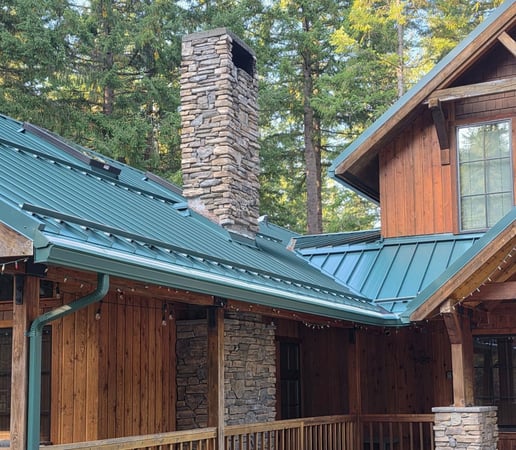
Are you worried that heavy snow sliding off your roof could tear off your gutters, damage your property, or even injure someone below? Do you live in a snowy area like North Bend or Snoqualmie Pass and wonder whether your roof is actually built to handle the snow loads and winter conditions it faces every year?
Snow creates a unique set of challenges for roofs. Without the right protections in place, heavy snow and ice can rip gutters off your home, damage roof penetrations, cause leaks, and put excessive stress on the roof structure itself. Many homeowners don't realize these risks until they experience costly damage after a major winter storm.
At RoofSmart, we match hundreds of customers every year with the right roof for them using our SmartMatch Analysis process. We take into consideration your budget, your aesthetic preferences, and your roof’s specific needs to give you personalized roof material recommendations.
In this case study, we'll explain the key upgrades that help protect your roof in a snowy climate, and you'll also see how one North Bend homeowner upgraded their roof to safely handle snow while protecting their home from winter damage.
How to Protect Your Roof, Gutters, and Property From Snow Damage
|
Roof Feature |
Purpose |
Benefits |
Recommended For |
|
Snow Guards |
Hold snow in place and slow release |
Prevents snow avalanches and gutter damage |
All roofs, especially steep metal roofs |
|
Snow Breakers |
Split large sheets of snow and ice |
Protects roof penetrations and pipes |
Roofs with vents and pipes |
|
5/8" Roof Sheathing |
Strengthens roof structure |
Better support for heavy snow loads |
Areas with frequent snowfall |
|
Standing Seam Metal Roofing |
Durable, snow-shedding roof surface |
Excellent moisture protection |
Snowy and wet climates |
|
Mechanically Seamed Metal Roofing |
Enhanced weatherproofing |
Superior protection on lower slopes |
Snowy areas with low-slope roofs |
|
Ice & Water Shield |
Secondary moisture barrier |
Protects against ice dam and water intrusion |
Snow-prone regions |
|
Snow Retention Systems |
Controls snow movement |
Improves safety around walkways and entrances |
Homes with steep roof slopes |
|
Upgraded Gutters |
Handles snowmelt and runoff |
Reduces risk of gutter failure |
Areas with heavy snow accumulation |
|
Chimney Cricket |
Diverts snow and water around chimney |
Helps prevent leaks and ice buildup |
Homes with large chimneys |
|
Professional Snow Design Assessment |
Custom snow management plan |
Reduces risk of structural damage |
Mountain and high-snowfall areas |
What extra precautions should I take on my roof in a snowy area?
Snow is not very common in most of the Greater Seattle area. But if you live in North Bend or near Snoqualmie Pass, your roof likely needs to be equipped with snow guards and snow breakers.
Adding these two items can help your roof shed snow carefully and effectively, so it doesn’t damage your roof or property when it falls off.
On a recent job we did in North Bend, our customer wanted snow guards and snow breakers installed on his roof to help control the way snow falls off the roof.
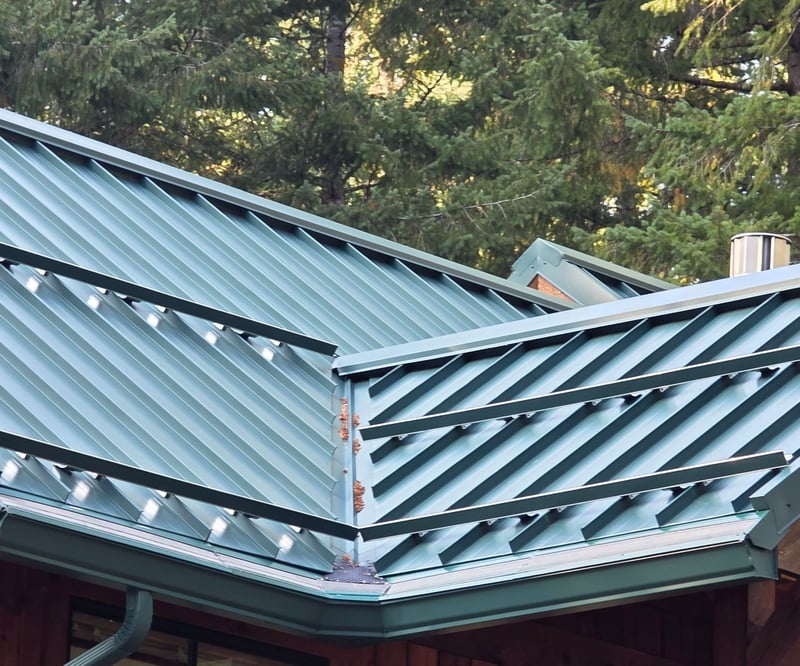
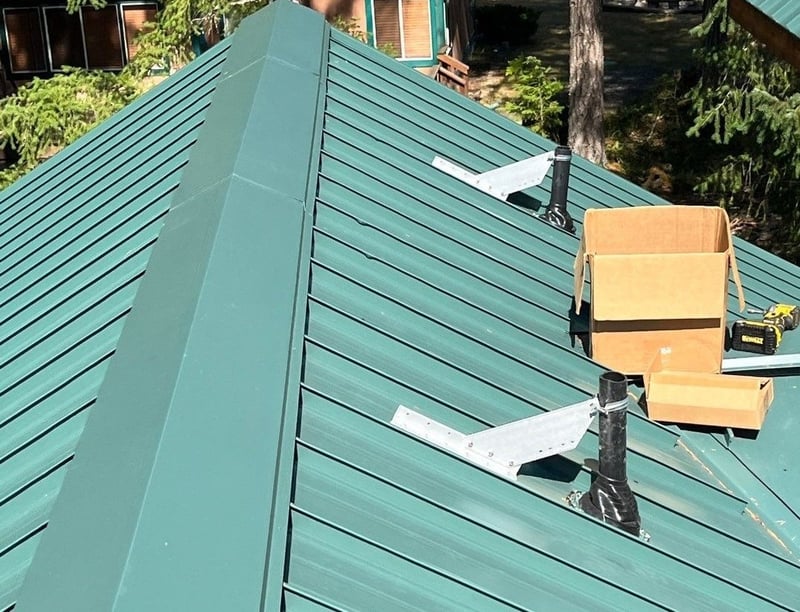
In the past, this customer had issues with snow coming off the roof so quickly that it would completely rip off his gutters. Snow guards are great for slowing down snow because they’re designed to hold the snow in place until it melts a little bit. This also means that only small chunks of snow will fall off at a time, instead of large amounts all at once.
And even though it does block snow from falling off the roof, it won’t keep snow on there permanently, so you don’t have to worry about it causing added weight to pile up.
We also installed snow breakers behind pipes that were sticking out of the roof. This helps slice the snow so that it goes around the pipe instead of gathering behind it and crushing it.
These are the two main precautions to take so that your roof can safely shed snow. We also replaced the sheathing on the roof with 5/8" plywood so that the entire roof would be sturdy and strong enough to handle large amounts of heavy snow.
Common Snow-Related Roof Problems and Solutions
|
Problem |
Cause |
Solution |
|
Gutters pulled off house |
Snow sliding off roof |
Install snow guards |
|
Damaged plumbing vents |
Snow accumulation behind pipes |
Install snow breakers |
|
Ice dams |
Heat loss and poor drainage |
Improve insulation and waterproofing |
|
Roof leaks during winter |
Snowmelt infiltration |
Upgrade flashing and underlayment |
|
Structural stress |
Excessive snow loads |
Reinforce roof decking and framing |
|
Falling snow hazards |
Uncontrolled snow release |
Install snow retention systems |
|
Chimney leaks |
Snow and ice accumulation |
Add chimney cricket and flashing |
|
Water intrusion |
Freeze-thaw cycles |
Install ice and water shield |
|
Roof sagging |
Long-term overload |
Structural evaluation |
|
Premature roof wear |
Constant snow exposure |
Use durable roofing materials |
Do I need a mechanically seamed metal roof if I live in a snowy climate?
In this case, we ended up putting a mechanically seamed metal roof on the customer’s roof. Regular standing seam metal is perfectly fine in an area that gets a lot of snow, especially if there are already snow guards and breakers on the roof.
Typically, mechanically seamed metal is installed on low-slope roofs because it is excellent at keeping moisture out. Even though it’s not needed for the snow, it will still provide excellent protection from any additional moisture on the roof.
In a rainy area like Seattle, it doesn’t hurt to have extra waterproofing on the roof. Plus, having a standing seam metal roof makes it very easy to install snow guards and breakers without having to drill more holes in the roof (they can clip onto the seams).
How does RoofSmart prove to customers that we are knowledgeable about roofing in a snowy area?
Since most of the Greater Seattle area rarely gets snow, it makes sense that not every roofer will know what extra steps your roof needs to make it easier to manage the large amounts of snow that collect on the roof.
However, at RoofSmart, we always aim to continuously expand our knowledge and skills so that we can help any customer in any kind of weather that the Greater Seattle area throws our way.
During every inspection appointment we attend at a customer’s house, we share our expertise with them, and it’s up to the customer to decide if they think we’re worth choosing. In the case of this house in North Bend with snow guards, we did the same thing we always do:
- Did a thorough inspection of the roof and surrounding areas
- Listened to the customer’s concerns and preferences
- Made recommendations based on the roof’s unique needs
These steps led us to recommend multiple layers of snow guards (especially because the customer wanted a metal roof, and this makes the snow fly off even faster) and snow breakers to protect pipes sticking out of the roof.
This level of attention to detail is what persuaded the customer to choose us over the competition, even though our proposal had a higher total cost. He told us that he could tell we were experts in our field and would do an excellent job.
He now calls us anytime he needs work done on any of the properties that he manages.
Other upgrades we made to the roof include:
-
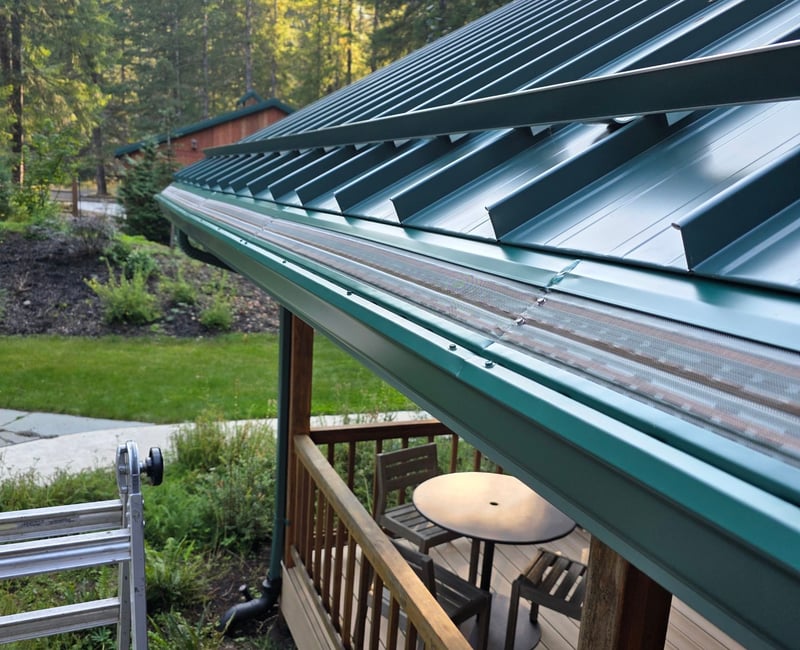
New gutters and gutter guards: The customer wanted us to install new gutter guards and asked about MasterShield, which is the gutter guard that we sell and install. He decided that it sounded great and asked us to install that as well.
-
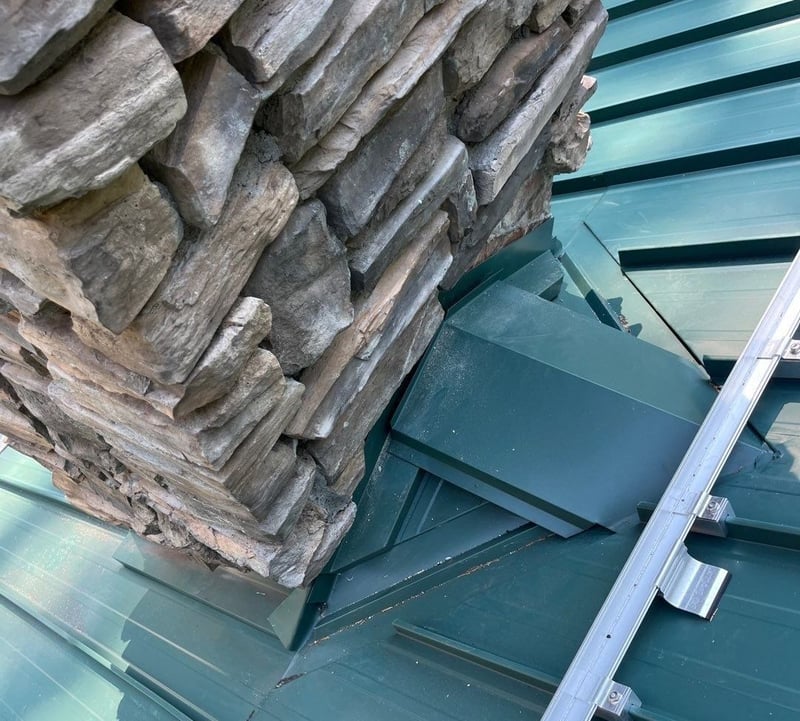
Updated flashing around the chimney: The chimney needed a new cricket and flashing all around it, so our crew had to do a bit of stonework to be able to get the flashing and cricket set up.
How much does a metal roof cost in the Greater Seattle area?
As this North Bend project demonstrates, protecting your roof from snow damage often involves more than just choosing a durable roofing material. Snow guards, snow breakers, upgraded roof decking, enhanced flashing, and gutter protection all play an important role in helping your roof safely handle heavy snow loads and winter weather.
For many homeowners in snowy areas, a metal roof is one of the best long-term solutions because it sheds snow effectively, resists moisture, and pairs well with snow retention systems. However, these specialized upgrades can also affect the overall cost of the project.
That's why one of the most common questions homeowners ask is: How much should I budget for a metal roof?
Read our article “How Much Does It Cost to Install a Metal Roof in the Greater Seattle Area?” to learn what factors impact the cost of a metal roof, how pricing varies based on roof complexity and material choice, and what homeowners in both rainy and snowy parts of Washington can expect to invest in a long-lasting metal roofing system.
Frequently Asked Questions About Roofing in Snowy Climates
1. How can I protect my roof from snow damage?
The best way to protect a roof from snow damage is to install systems that control how snow accumulates and slides off the roof.
Common solutions include:
- Snow guards
- Snow breakers
- Ice and water shield
- Reinforced roof decking
Together, these components help reduce stress on the roof and surrounding structures.
2. What are snow guards and how do they work?
Snow guards are devices installed on a roof that help hold snow in place.
Instead of allowing large sheets of snow to slide off all at once, snow guards encourage snow to melt gradually or fall in smaller, safer amounts.
3. Do metal roofs need snow guards?
In many snowy climates, yes.
Metal roofs shed snow very efficiently, which can lead to large snow slides. Snow guards help slow that movement and protect:
- Gutters
- Landscaping
- Vehicles
- Walkways
- People below
4. What are snow breakers?
Snow breakers are designed to divide large sheets of snow into smaller sections as they move down the roof.
They are commonly installed near:
- Plumbing vents
- Chimneys
- Skylights
- Roof penetrations
This helps prevent damage caused by concentrated snow loads.
5. Can snow damage gutters?
Absolutely.
One of the most common forms of snow-related roof damage occurs when heavy snow slides off the roof and pulls gutters away from the home.
Snow guards can significantly reduce this risk.
6. Is standing seam metal roofing a good choice for snowy climates?
Yes.
Standing seam metal roofs offer:
- Excellent moisture protection
- Smooth snow shedding
- Long lifespan
- Compatibility with snow retention systems
They are commonly recommended for homes in areas that receive regular snowfall.
7. What is the benefit of mechanically seamed metal roofing in snowy areas?
Mechanically seamed panels provide an additional level of weather protection.
While standard standing seam roofs perform well in snow, mechanically seamed systems offer enhanced resistance to moisture infiltration and severe weather conditions.
8. Does heavy snow require stronger roof decking?
Sometimes.
Homes in high-snow areas may benefit from thicker roof sheathing because it helps the roof support additional weight from:
- Snow accumulation
- Ice buildup
- Extended winter weather events
The appropriate decking thickness depends on local building codes and expected snow loads.
9. How do I know if my roof is designed for snow?
A roofing professional can evaluate factors such as:
- Roof pitch
- Structural framing
- Sheathing thickness
- Snow retention systems
- Local snow load requirements
This assessment helps determine whether upgrades are necessary.
10. What roof features are most important in a snowy climate?
The most important features typically include:
- Snow guards
- Snow breakers
- Proper flashing
- Strong roof decking
- Quality drainage systems
- Durable roofing materials
Together, these components help manage snow safely and reduce the risk of winter-related roof damage.
Topics:
