

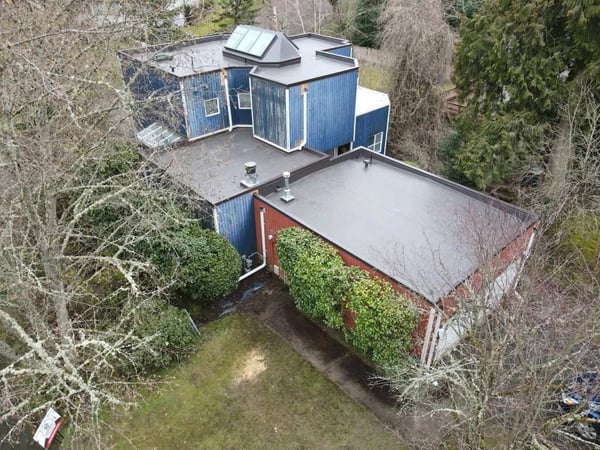
TL;DR: Summary
This blog post by Jim Singleterry at RoofSmart addresses the specific difficulties of maintaining flat roofs in Seattle’s wet climate.
It highlights the dangers of water pooling and rot, emphasizes the need for high-quality synthetic materials like PVC, TPO, and EPDM, and showcases a step-by-step restoration project that involved structural repairs and advanced drainage solutions to ensure long-term durability.
Understanding Flat Roofs
Seattle’s climate, marked by wet winters and dry summers, demands roofing solutions capable of enduring persistent moisture and occasional heavy rainfall. Flat roofs, with their minimal slope, require meticulous installation and maintenance to prevent water pooling and leaks. Installing PolyISO over living space without ceiling insulation is crucial to regulate interior temperatures and enhance energy efficiency.
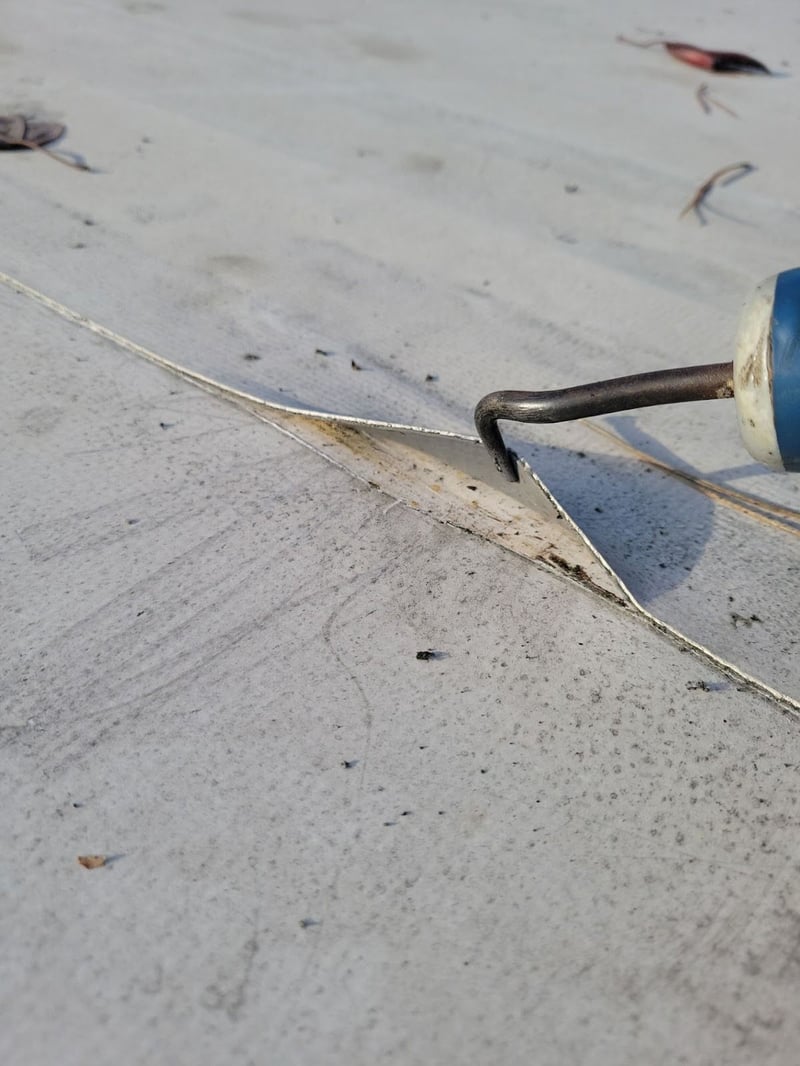
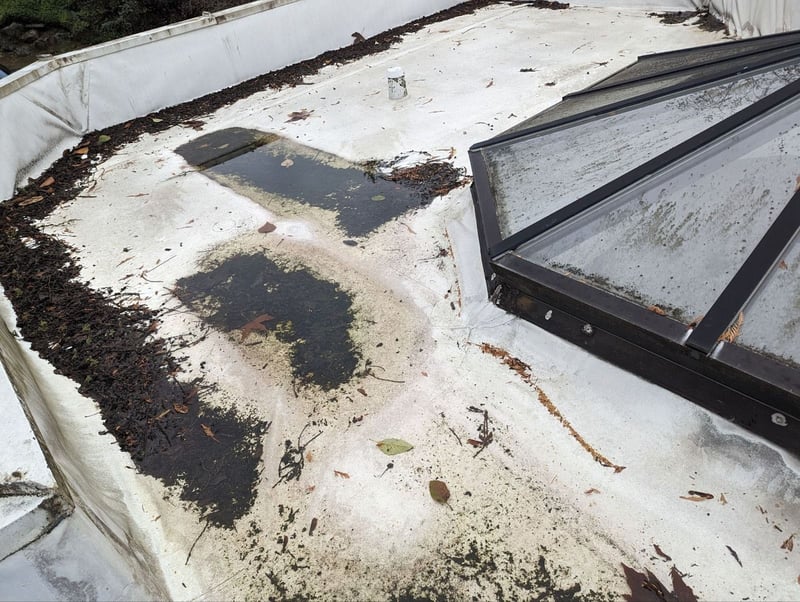
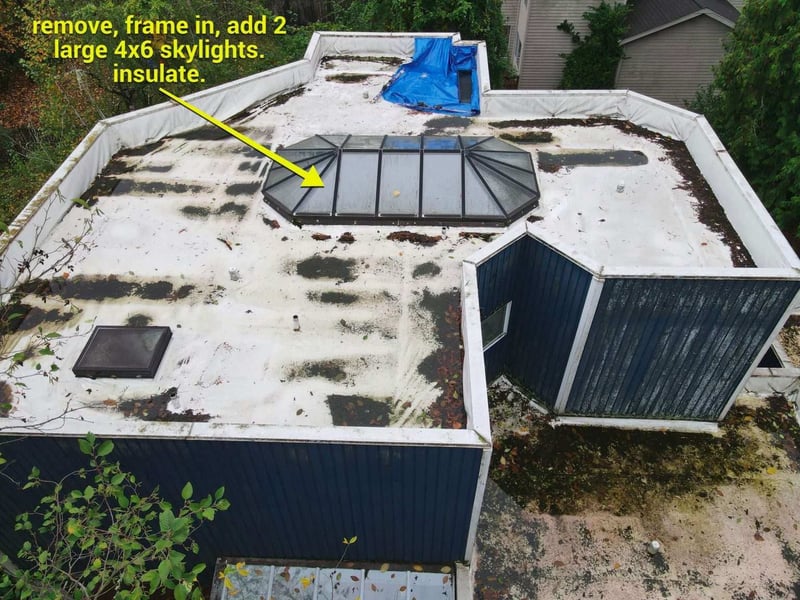
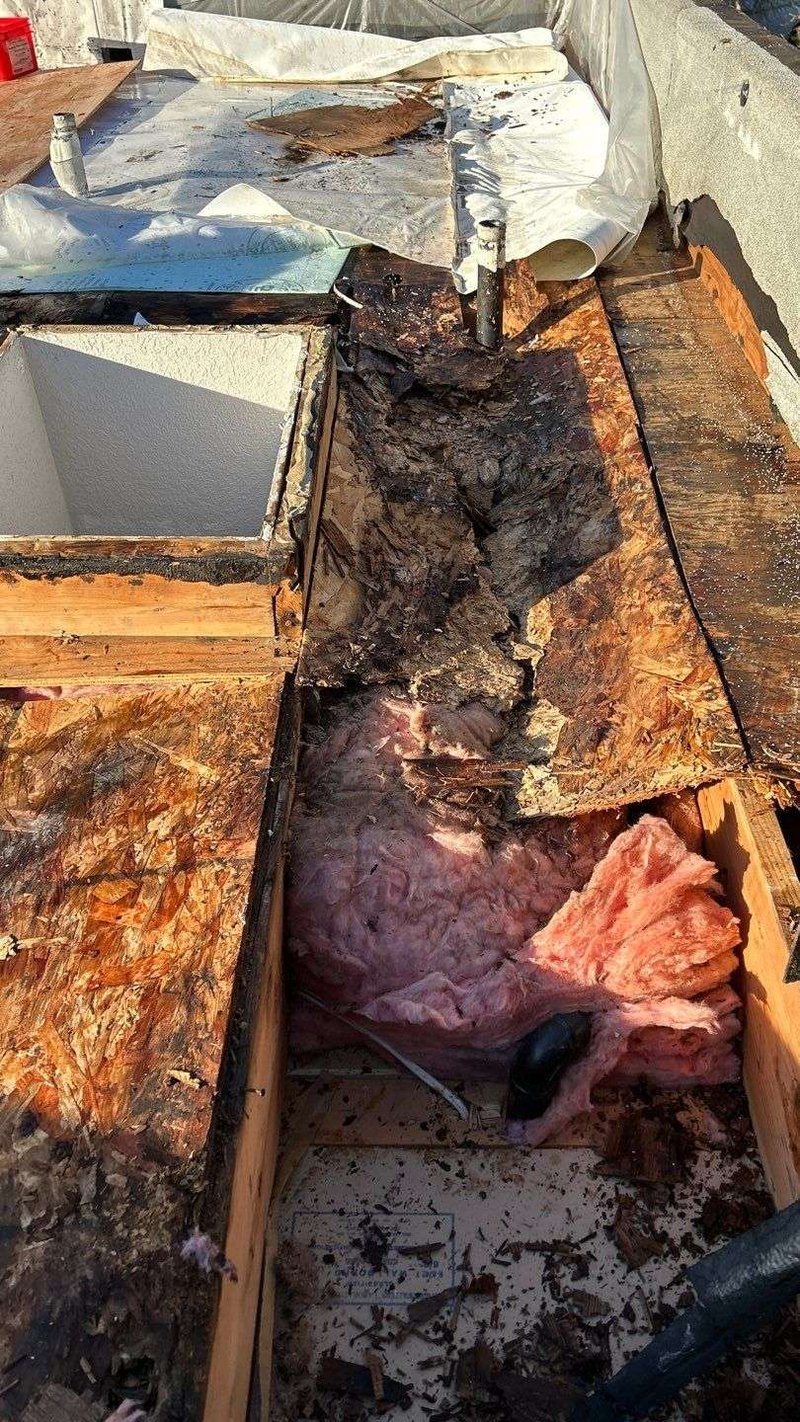
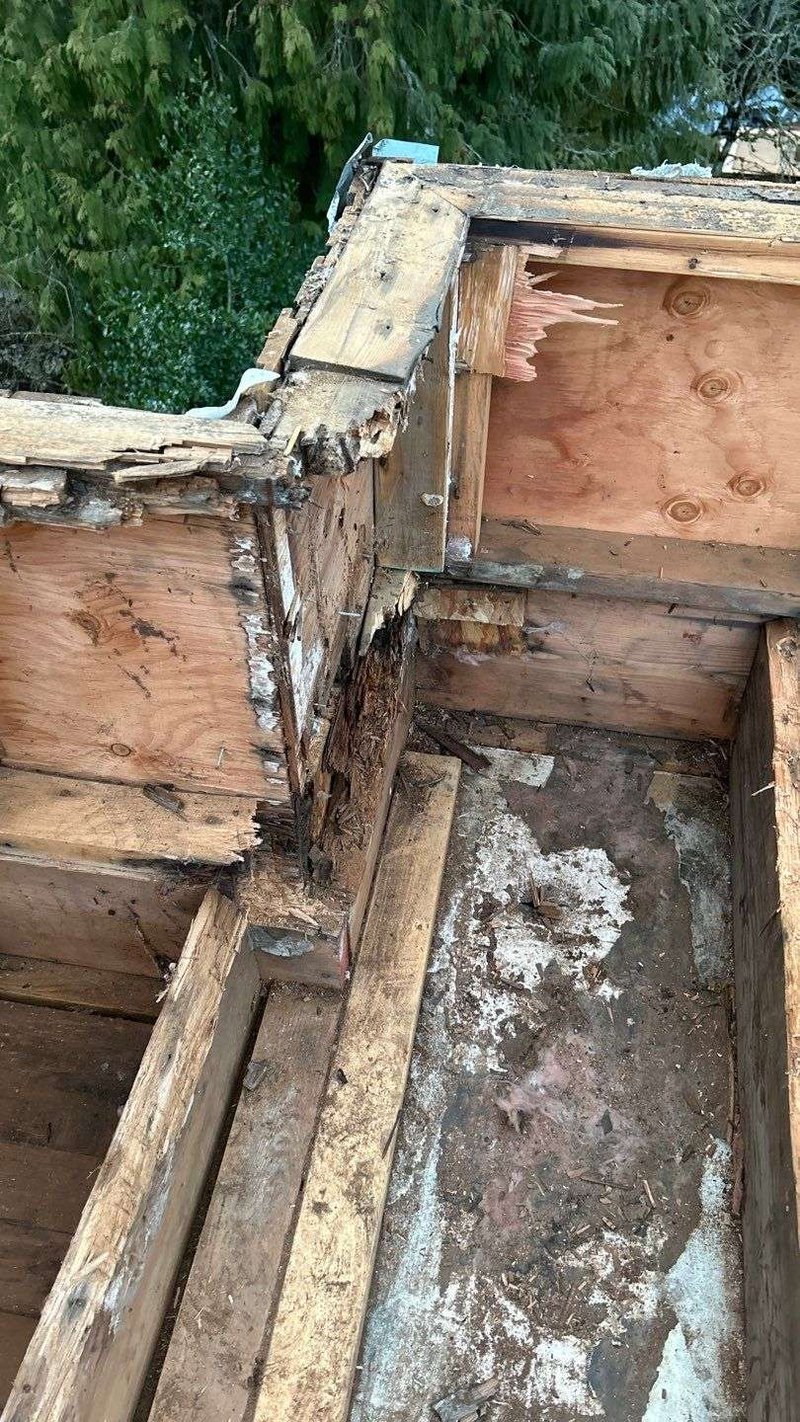
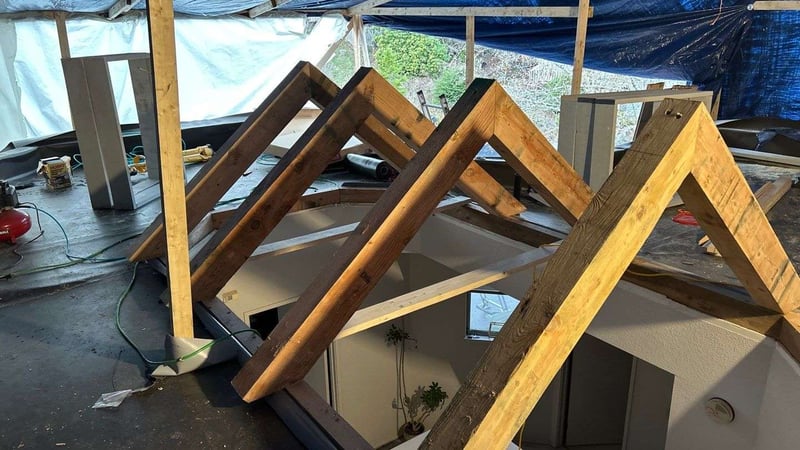
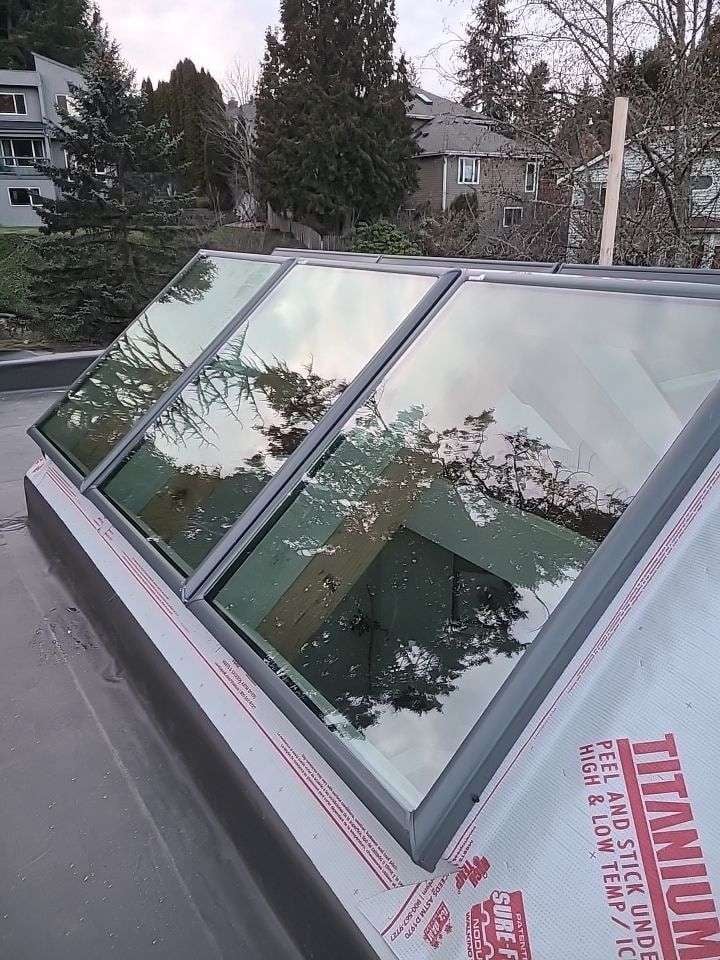
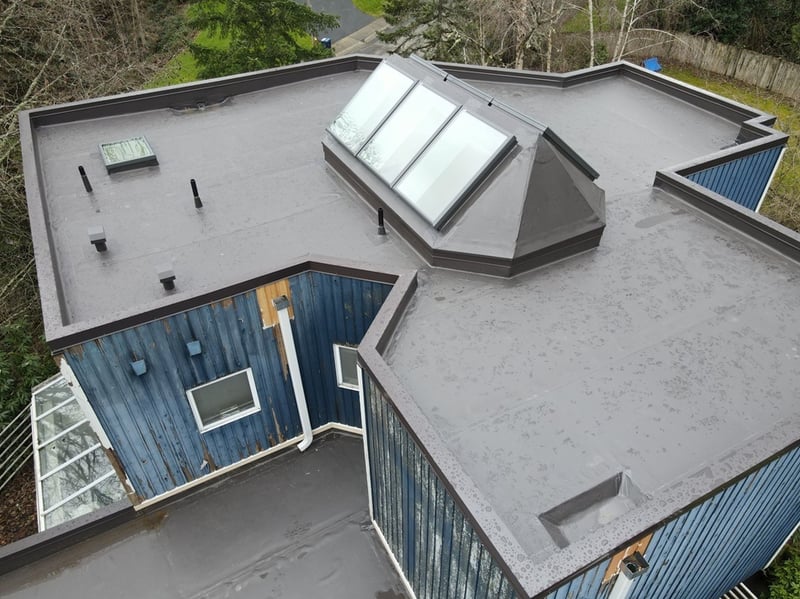
Original Roof Condition and Our Objective: Total Rebuild
.jpg?width=800&height=1067&name=Cold%20weld%20(1).jpg)
Material Choices
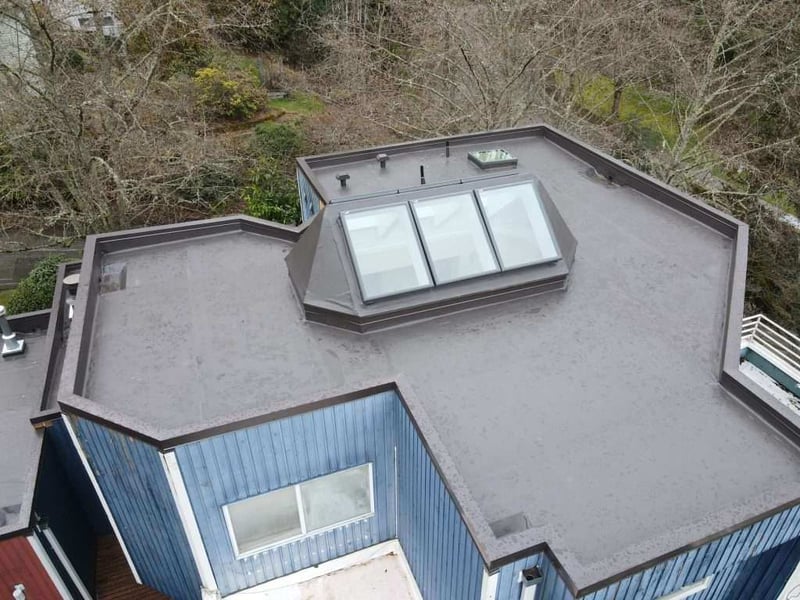
Selecting the appropriate roofing material is paramount in Seattle’s climate. PVC, TPO, and EPDM synthetic rubbers are recommended for their durability and water resistance, essential qualities for withstanding the city’s weather conditions. Moreover, opting for materials that resist algae and moss growth contributes to long-term roof integrity.
Proper Installation
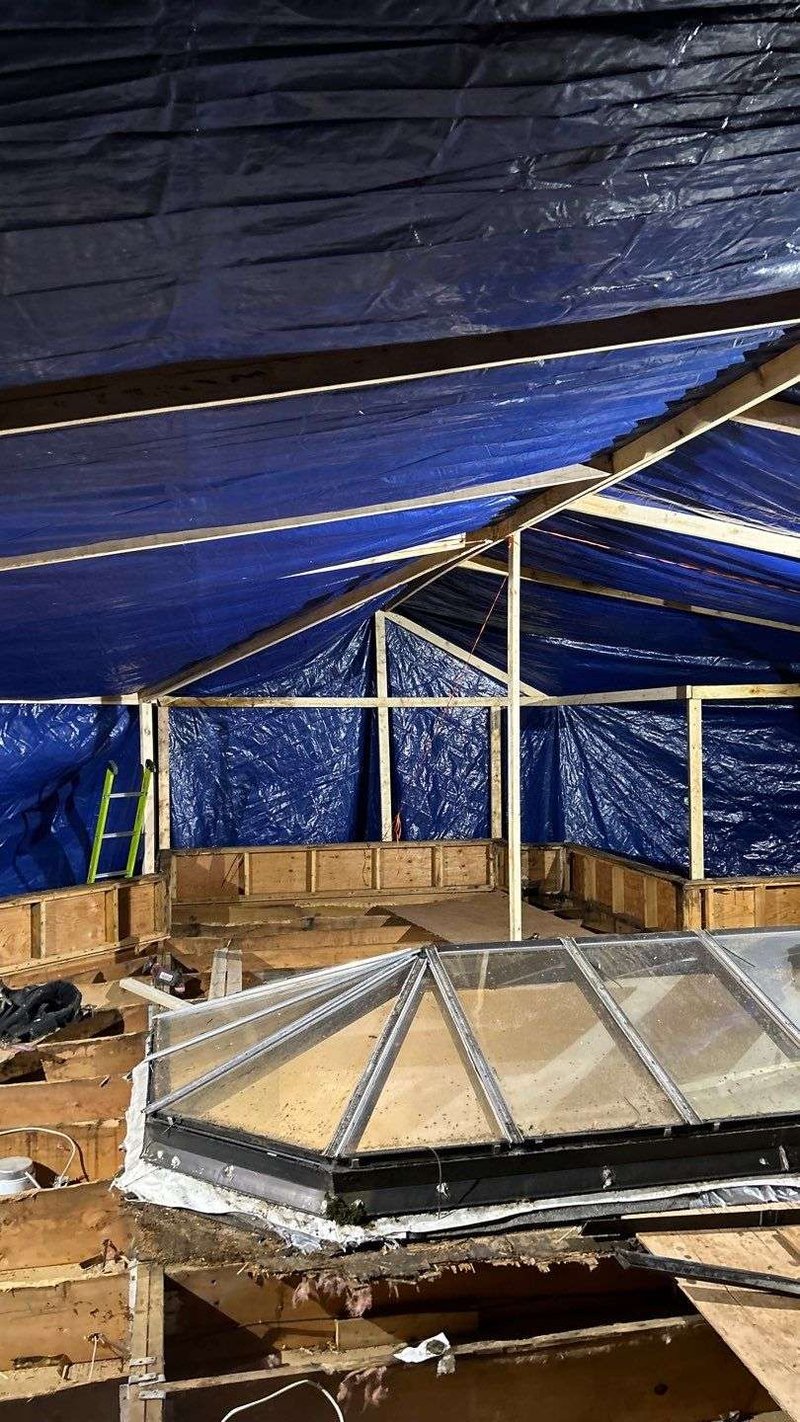
Correct installation techniques are vital for flat roofs to function effectively. Ensuring proper water drainage systems are in place is critical to avoid water accumulation and structural damage. Engaging experienced professionals familiar with local building codes and weather patterns is essential for optimal installation.
Regular Maintenance
Routine maintenance is key to extending the lifespan of flat roofs in Seattle. Regular checks and maintenance, including debris clearance and post-storm inspections, help prevent damage and leaks. Addressing any issues promptly can prevent costly repairs in the future.
Frequently Asked Questions
1. Why are flat roofs particularly challenging in Seattle?
Seattle’s frequent rainfall and high humidity make flat roofs prone to water pooling (ponding). Without a significant slope, any minor installation error or debris buildup can lead to standing water, which eventually penetrates the roofing membrane and causes structural rot.
2. What are the best materials for a flat roof in the Pacific Northwest?
The most reliable options are synthetic membranes like PVC, TPO, and EPDM. These materials are highly water-resistant, durable, and specifically designed to resist the algae and moss growth common in the damp Seattle environment.
3. How does PolyISO insulation help a flat roof system?
Installing PolyISO over living spaces (especially those without ceiling insulation) helps regulate interior temperatures. It acts as a thermal barrier, increasing energy efficiency and preventing the "heat leak" that can contribute to moisture issues.
4. What are the signs that my flat roof’s structural wood is rotting?
Common signs include a "spongy" feel when walking on the roof, visible dipping or sagging in the roofline, and interior water stains. As shown in the blog's case study, once the membrane is breached, the underlying plywood and support beams can deteriorate quickly.
5. Why is professional installation more critical for flat roofs than sloped ones?
Sloped roofs rely on gravity to shed water, but flat roofs require precision-engineered drainage systems and perfectly sealed seams. Even a small mistake in the "flashing" or drainage setup can lead to catastrophic leaks.
6. Can I install standard shingles on a low-slope roof?
It is highly discouraged. To understand why this leads to failure and what your alternatives are, check out What Happens When You Put Asphalt Shingles on a Low-Slope Roof?
7. How do I know if my flat roof needs a total replacement?
Deciding between a quick fix and a full overhaul is tough. For a breakdown of the factors involved, read Is It Better to Repair or Replace Your Roof?
8. What is the best way to prevent mold growth under my roof?
Proper airflow is the enemy of mold. You can learn more about protecting your home's structural integrity in Can Proper Ventilation Prevent Mold In Your Attic?
9. Does RoofSmart handle more than just standard residential flat roofs?
Yes, they offer specialized services for complex structures. You can find more information on their Multi-Family and Commercial roofing page.
10. How can I get an idea of the cost for a flat roof project?
Pricing varies based on material and structural needs, but you can get started immediately by using the Instant Roof Estimate tool.
Topics:
