

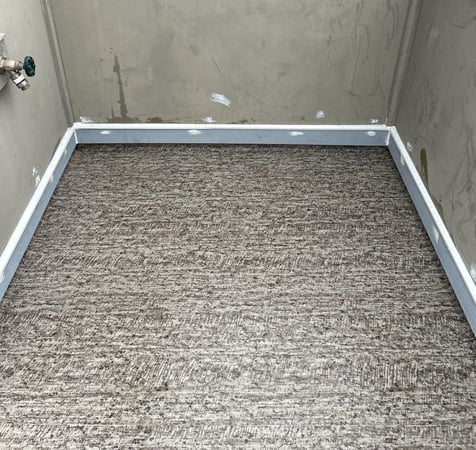
TL;DR: Summary
How your DuraDek membrane is installed can have a major impact on both its appearance and long-term performance.
DuraDek can be installed using either a fully adhered (glued-down) method or a mechanically fastened method. Both create a waterproof rooftop deck, but fully adhered installations are less likely to develop wrinkles, bumps, or air bubbles over time.
Proper preparation is just as important as the installation method. High-quality plywood, filling seams and fastener holes, and correctly applying adhesive all help prevent cosmetic defects that can affect the finished appearance of the deck.
The key takeaway: if you want the smoothest, best-looking rooftop deck possible, a fully adhered DuraDek installation with thorough surface preparation is typically worth the extra cost and labor.
Are you worried that your new rooftop deck membrane could end up covered in bubbles, wrinkles, or cosmetic defects just a few years after installation? Have you been told that DuraDek can be installed multiple ways and wondered whether choosing the cheaper installation method could create problems down the road?
Most homeowners focus on the membrane product itself, but the installation method can have a major impact on how your rooftop deck looks and performs over time.
At RoofSmart, we help hundreds of customers each year choose the right roof for their budget and needs, even though it means being honest about the pros and cons of every material.
In this article, we'll compare fully adhered and mechanically fastened DuraDek installations, explain the pros and cons of each approach, and help you understand which installation method makes the most sense based on your budget, appearance expectations, and rooftop deck design.
Fully Adhered vs Mechanically Fastened: Which DuraDek Installation Method Is Best for Your Rooftop Deck?
|
Feature |
Fully Adhered DuraDek |
Mechanically Fastened DuraDek |
|
Attachment Method |
Glued to roof deck |
Fastened with screws and plates |
|
Appearance |
Smooth, uniform finish |
May develop wrinkles or bumps |
|
Risk of Air Bubbles |
Very low (when properly installed) |
Higher over time |
|
Wind Resistance |
Excellent |
Very good |
|
Installation Speed |
Slower |
Faster |
|
Labor Requirements |
Higher |
Lower |
|
Material Cost |
Higher |
Lower |
|
Best for Visible Rooftop Decks |
✅ Yes |
⚠️ Acceptable |
|
Best for Covered Deck Systems |
⚠️ Sometimes |
✅ Yes |
|
Weather Limitations During Installation |
More sensitive to cold temperatures |
Fewer limitations |
|
Long-Term Aesthetics |
Superior |
Good but less consistent |
|
Overall Cost |
Higher |
Lower |
How do you install DuraDek membrane on a rooftop deck?
DuraDek is a textured membrane installed on rooftop decks. There are two different methods for installing it: fully adhered or mechanically fastened.
How Fully Adhered Membrane Is Installed:
1. Roof Decking: Make sure the roof decking is A-grade plywood with no knots or voids (you can use other materials, but it doesn’t look as good). Lesser quality plywood has knots, which can create air bubbles over time in the membrane. This isn’t a big deal in other types of roofing, but on a rooftop deck, it causes bubbles to form in the membrane. Sticking to top-quality plywood means that you don’t have to worry about air bubbles.
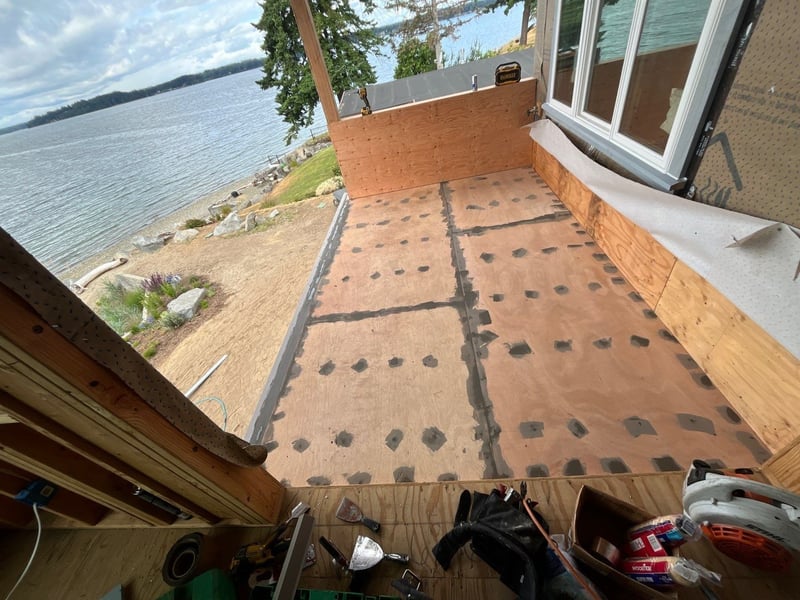
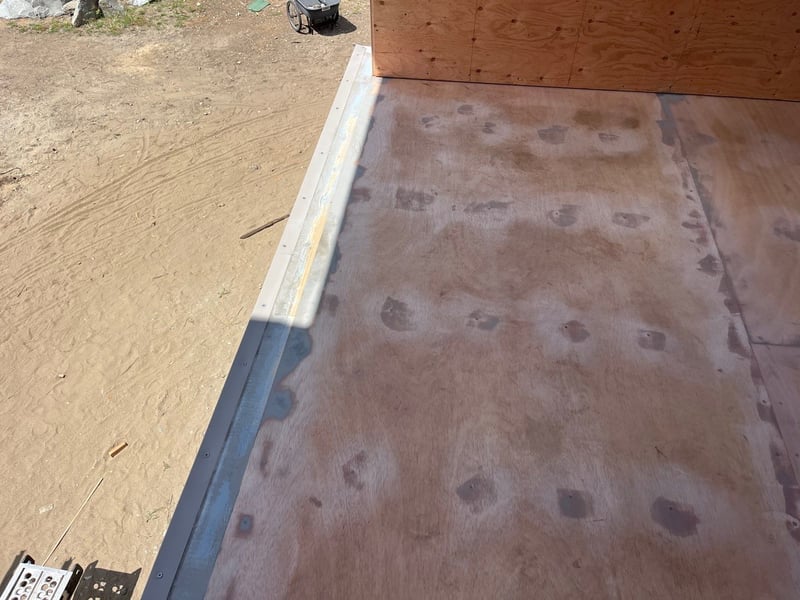
2. Prep: After installing the plywood, fill in all the gaps or screw holes with floor leveler, then sand smooth. This step is technically not required, but we at RoofSmart like to do it because it prevents "telegraphing" (seams showing through) and air bubbles. Telegraphing is not a leak risk, but since it’s a cosmetic defect, it will not be covered by the manufacturer’s warranty. After applying the floor leveler, your roofer will need some time to let it dry. Once it has dried, it needs to be sanded and smoothed.
This is what the floor leveler looks like after it has been applied over the seams and nails. Once it dries, it will be sanded down:
This is how it looks when it’s sanded down and ready for the glue:
3. Adhering with glue: Apply the glue to both surfaces and wait for it to become tacky before bonding. If you don’t wait long enough for the glue to get tacky, then it won’t stick.
4. Heat Welding: The seams are welded together using a heat gun.
How Mechanically Fastened Is Installed:
-
- Secured with screws: The membrane is secured to the roof using screws and screw plates.
- Heat welding: The overlapping membrane is then heat-welded over the plates to seal them. This creates a waterproof seal that helps the membrane last through the rainy Seattle weather.
Is it better to glue down my DuraDek membrane?
Each installation method is secure and works well for everyday use of the roof, but if your top priority is ensuring that your rooftop deck membrane continues to look nice over time, then gluing it down is the best option. It makes it less likely for air bubbles to appear.
If you have a rooftop deck and you choose to install DuraDek, we at RoofSmart recommend that you opt to have it glued down (plus the other steps we follow to keep things smooth). That way, your deck won’t look lumpy or bubbly.
If you don’t care as much what your rooftop deck looks like, or you are just installing a membrane that will be covered with tiles, then mechanically fastening it is just fine.
If your membrane is glued down, but it still has air bubbles, it was probably done wrong, or the prep work was overlooked. That’s why it’s important to find a roofer who has experience installing rooftop deck membranes so that they can make sure to avoid these issues.
Fully Adhered vs. Mechanically Fastened Membrane: What are the pros and cons?
To help you get a better understanding of how the two installation methods work, here is an overview of the pros and cons of each:
Fully Adhered-
Pros:
- Superior wind uplift resistance
- Perfectly smooth finish
Cons:
- High cost (~$1,000/300 sq ft for glue)
- Labor-intensive installation (takes longer and adds extra steps)
- Can only be installed in warmer weather (if it’s too cold, the glue won’t stick)
In sum, the fully adhered membrane is more expensive and takes longer to install, but all the work pays off when the membrane stays flat longer. It doesn’t have any opportunities for air bubbles, and is very secure against strong winds.
The glue does need to be warm to become tacky (the texture you want). It can be used as low as 40 degrees, but the glue will take a very long time to get ready. The warmer it is, the better, so there can be some limitations if you want to glue down the rooftop deck membrane in the fall or winter.
Mechanically Fastened-
Pros:
- Much faster
- Cheaper (cuts out the cost of glue and extra labor)
Cons:
- Can result in wrinkles and bumps (especially with textured membranes)
This is a good option if your membrane is going underneath the actual deck or if you have a very strict budget for your rooftop deck. It will look good overall, but might develop some air bubbles or wrinkles over time.
How much does it cost to install a rooftop deck in Seattle?
As you've seen, choosing the right DuraDek installation method isn't just about waterproofing. It's also about balancing appearance, performance, and budget. A fully adhered membrane can deliver a smoother, more polished finish, while a mechanically fastened system can help reduce upfront costs.
But the membrane is only one piece of the puzzle. The overall cost of a rooftop deck depends on many factors, including the waterproofing system, deck size, structural requirements, railings, access points, surface finishes, and the complexity of the installation itself.
Read our article “How Much Does It Cost to Install a Rooftop Deck in Seattle?” for a breakdown of the real costs of building a rooftop deck in the Seattle area. It will explain the factors that have the biggest impact on pricing, and help you understand what to budget for a rooftop deck that looks great and stays watertight for years to come.
Frequently Asked Questions About DuraDek Installation Methods
1. What is the difference between fully adhered and mechanically fastened DuraDek?
A fully adhered installation uses adhesive to bond the membrane directly to the deck surface.
A mechanically fastened installation uses screws and plates to secure the membrane before heat-welding the seams. Both methods create a waterproof surface, but they differ in appearance, cost, and installation requirements.
2. Is fully adhered DuraDek better than mechanically fastened DuraDek?
It depends on your priorities.
If appearance is your main concern, fully adhered installation typically produces a smoother, flatter finish. If budget and installation speed are more important, mechanically fastened systems may be a practical alternative.
3. Why do air bubbles form in rooftop deck membranes?
Air bubbles often develop because of:
- Poor substrate preparation
- Low-quality plywood
- Inadequate adhesive bonding
- Moisture trapped beneath the membrane
Proper preparation significantly reduces the likelihood of bubbling.
4. Can DuraDek be installed over any type of plywood?
Technically yes, but higher-quality plywood usually produces better results.
A-grade plywood helps minimize:
- Surface imperfections
- Visible seams
- Air bubbles
- Cosmetic defects
This is especially important on exposed rooftop decks.
5. What is telegraphing in a rooftop deck membrane?
Telegraphing occurs when seams, screw heads, joints, or imperfections in the substrate become visible through the finished membrane.
While telegraphing usually does not cause leaks, it can affect the appearance of the deck.
6. Does a mechanically fastened membrane leak more often?
Not necessarily.
When installed correctly, both installation methods provide excellent waterproof protection. The primary difference is usually appearance rather than waterproofing performance.
7. Why does temperature matter when installing a fully adhered membrane?
The adhesive must become properly tacky before the membrane is bonded.
Cold temperatures can:
- Slow adhesive curing
- Extend installation time
- Make installation more difficult
Warmer weather generally produces better installation conditions.
8. How long does a DuraDek rooftop deck membrane last?
The lifespan depends on factors such as:
- Installation quality
- Maintenance
- Weather exposure
- Deck usage
A properly installed membrane can provide decades of waterproof protection when maintained correctly.
9. Is a rooftop deck membrane only for waterproofing?
No.
In addition to waterproofing, rooftop deck membranes provide:
- A finished walking surface
- Slip resistance
- UV protection
- Protection for the structure below
They serve both functional and aesthetic purposes.
10. How do I know if my rooftop deck membrane was installed correctly?
Signs of a quality installation include:
- Smooth appearance
- Consistent seams
- No excessive bubbling
- No visible lifting or wrinkles
- Proper flashing details
If you notice widespread bubbles, wrinkles, or loose areas shortly after installation, it may indicate an installation issue.
Topics:
