

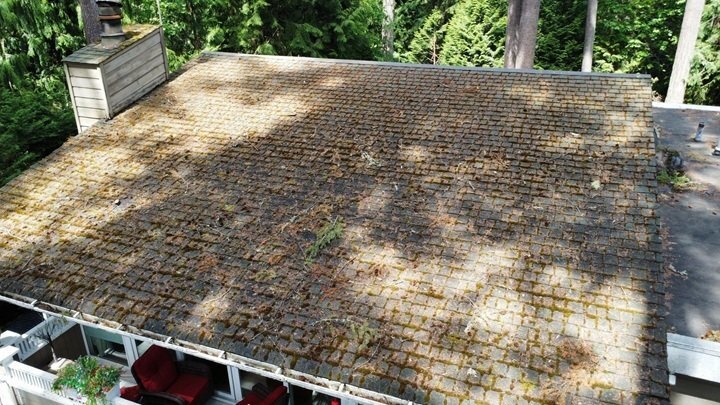
TL;DR: Can Too Much Shade Damage Your Asphalt Shingle Roof in Seattle?
Yes. Excessive shade from trees, solar panels, or north-facing slopes can harm asphalt shingle roofs in the rainy PNW. Shingles stay damp longer, leading to moss (which roots into shingles), algae growth, premature decay, and even attic mold.
Key causes & effects:
- Trees drop debris that traps moisture.
- Solar panels block sun and wind, worsening drying under panels.
- North slopes get least sunlight and dry slowest.
Prevention tips: Prioritize regular maintenance, ensure good attic ventilation, consider switching to a metal roof (sheds debris better and resists moss), and clean under solar panels. Don’t panic: proactive care can extend life significantly.
Key takeaway: Shade + Seattle rain is a risky combo for asphalt. Schedule a RoofSmart inspection for honest assessment of your shaded roof.
Do you love the trees around your home but worry they might be quietly damaging your roof? Have you noticed moss, algae, or constant dampness on the shady parts of your shingles and wondered if it’s shortening your roof’s lifespan?
Trees and solar panels are the two main causes of shade on your roof, which can prevent your shingles from drying properly, leading to moss growth, premature shingle decay, and even attic mold. What looks harmless at first can turn into expensive damage over time.
At RoofSmart, we repair and replace hundreds of roofs every year. We’ve noticed that properties with a lot of trees or that have had solar panels installed usually have a lot of moss growth and fail faster than other roofs.
In this article, we’ll explain what causes excessive shade on a roof, how it affects asphalt shingles (especially in the Seattle area), and what you can do to prevent long-term damage.
What can cause your roof to have too much shade?
| Shade Source | Main Problem | Common Damage Seen | Best Prevention Strategy |
|---|---|---|---|
| Trees / Heavy Tree Cover | Debris + prolonged dampness | Moss roots digging into shingles | Regular cleaning + consider metal roof |
| Solar Panels | Blocks sun/wind under panels | Algae/moss underneath, hidden rot | Easy-clean metal roof or panel spacing |
| North-Facing Slopes | Least sunlight, stays wet longest | Faster decay and moss growth | Enhanced ventilation + maintenance |
| General Shade | Slow drying after rain | Premature shingle failure | Professional inspections every 1–2 years |
In the Seattle area, it is fairly common for homeowners to have a few trees on their property. Some houses are even completely surrounded by trees. While this can be pleasant for many reasons, the unfortunate truth is that too much shade is bad for your roof.
If you have any of the following, then either some or all of your roof might have too much shade:
- Several trees near or surrounding your house
- Solar panels
- North-facing slopes
How can excessive shade damage your asphalt shingle roof?
So, why does it matter if your asphalt shingle roof gets a lot of shade? Well, in the Seattle area, shingles can get very damp because of all the rain, and it’s important that they dry out. If they’re in the shade for too long, they won’t dry out properly, causing issues like:
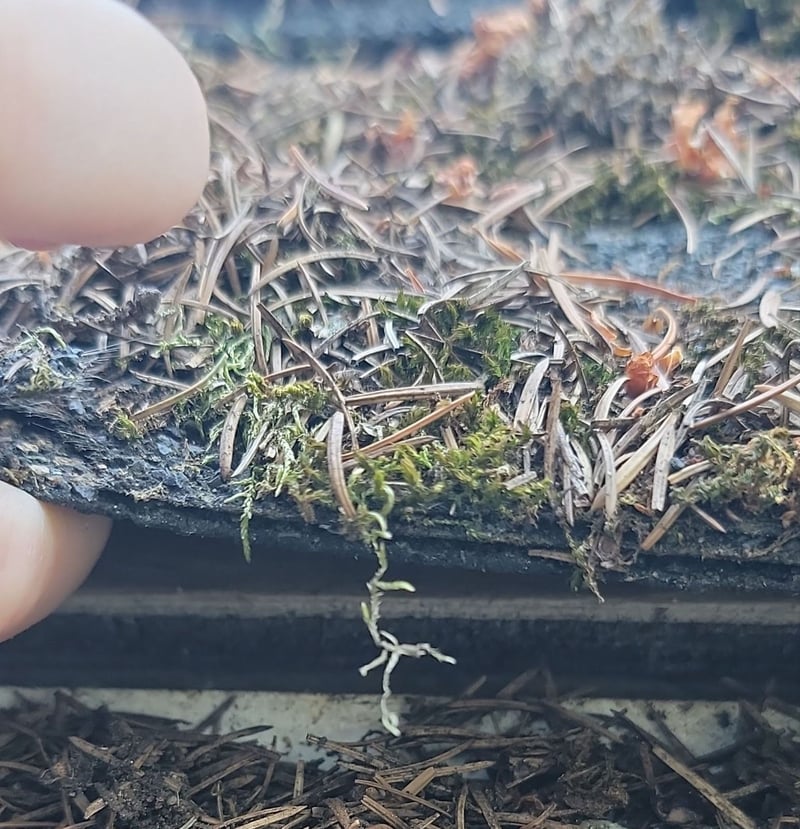
- Moss or algae growth: Moisture and shade are two big factors in causing algae to grow. Trees also shed leaves and other debris, which will eventually start to decay if they aren’t cleaned off the roof. This combination leads to moss and algae growth. Algae is a nuisance, but it can be cleaned off. Moss can grow roots and dig into the shingles, causing real damage. It is much more difficult to remove.
Here you can see how the moss is embedded in the shingle:
- Premature shingle decay: The shingles will start to decay faster if they constantly retain moisture and never have a chance to dry out. They are already slow to dry, and the shade makes that process take much longer. Tree debris that falls on the roof also helps to retain moisture, making the problem even worse.
North-facing slopes typically grow moss first because they naturally get the least amount of sunshine. Adding solar panels or having trees on your property creates this “north-side” effect anywhere on the roof.
For example, here’s a roof with moss growth and a ton of debris due to all the trees surrounding it:
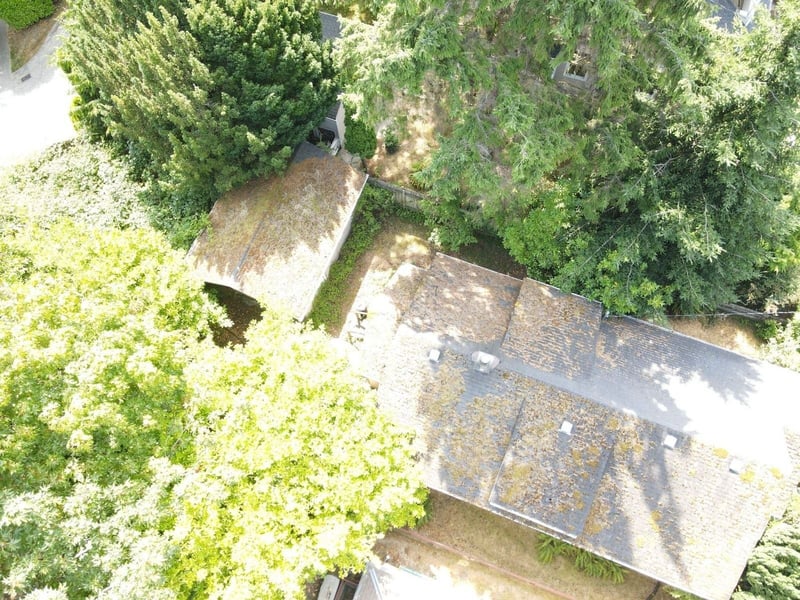
You can see how most of the shadier parts have lots of debris and moss, while most of the sunnier parts are pretty clear. That building in the back gets a ton of shade, so it’s completely covered in moss.
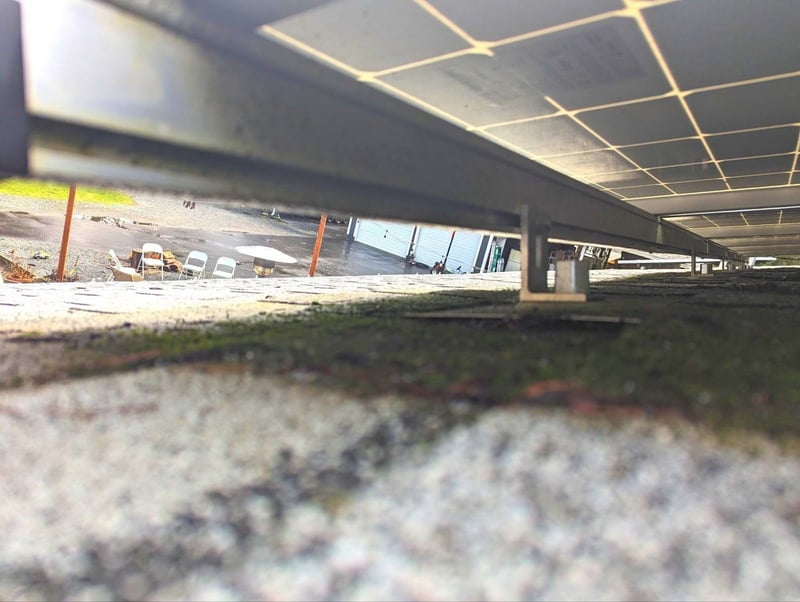
Trees shed debris onto the roof, and solar panels can trap that debris. Trees can’t always block the wind and sun, but underneath solar panels, no wind or sun can get through. This means moss can (and will) easily grow underneath solar panels.
For example, this asphalt shingle roof is only a year old, but already starting to grow algae underneath the solar panels:
Can excess shade from solar panels help cause attic mold?
Too much shade can lead to moisture sticking around for too long. This is bad for your shingles and for your attic. If your roof has too much shade and can’t dry out properly, then your poorly ventilated attic is at risk of growing mold. We’ve seen it happen before!
We recently had a customer who had this exact issue. They wanted solar panels, and they decided to install a new roof at the same time. Their solar company subcontracted out the roof work.
Unfortunately for that homeowner, the roofer didn’t know what they were doing and made the ridge vent gap too small. After only a year, the roof was completely covered in mold:
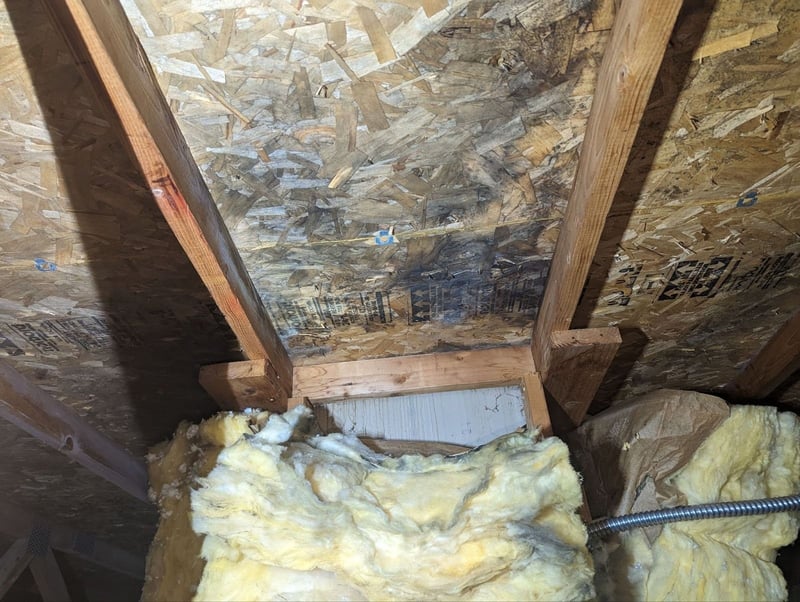
The solar panels on the roof blocked the sun from hitting the roof and warming it up, which helped to keep the air rising from the house into the attic dry. Without that, the moisture from the air doesn’t go anywhere. Throw in the poor ventilation, and you’ve got a recipe for disaster (aka mold).
To fix this customer’s ventilation and mold problem, we added the correct size ridge vent and advised him to add intake ventilation. The customer wanted to handle the intake ventilation and mold remediation himself.
How can I prevent shade from damaging my roof?
If you have a lot of trees on your property or know you want solar panels on your roof, the best way to avoid these issues is by getting a metal roof.
Asphalt shingles underneath solar panels are hard to access and clean, especially if they are growing moss. On the other hand, metal sheds debris and is easy to wash, even underneath solar panels.
Algae can still grow on a metal roof, but it's easy to spray off with a hose, and it won’t ruin your roof if it sits there. Moss won’t grow on it, so you don’t have to worry about that.
Take a look at the before and after of this roof:
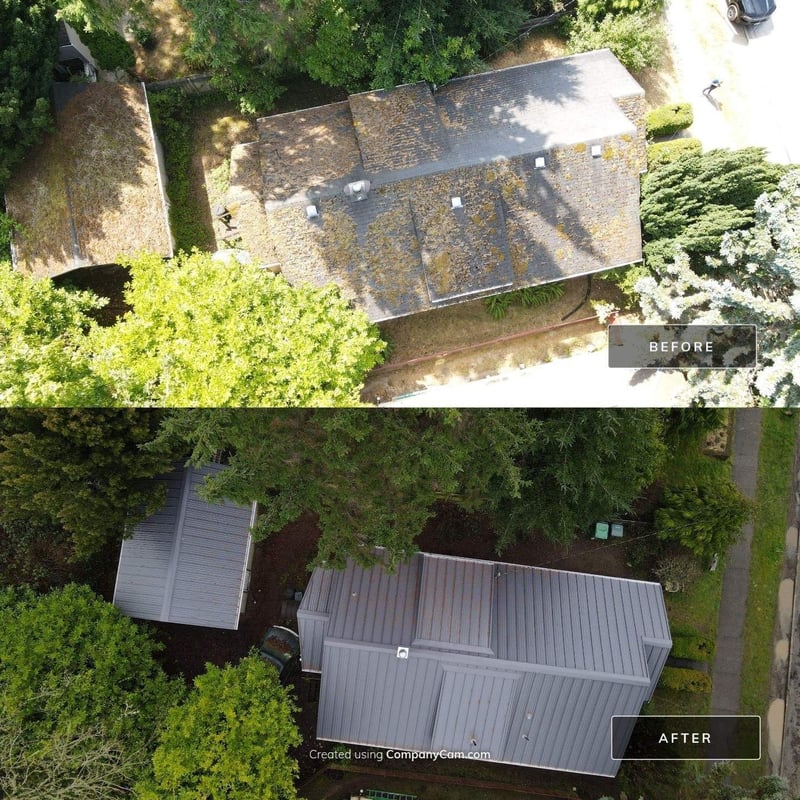
Even though there is already some debris on the roof, there is significantly less than before. And, nothing is growing on it. Metal roofs are more expensive than asphalt shingles, but they’re easier to maintain and will last a lot longer, even in the shade.
How can you protect a shaded roof from long-term damage?
If your home is surrounded by trees, has solar panels, or features north-facing slopes, your roof may never get the chance to fully dry out, especially in Seattle’s damp climate. Over time, that constant moisture can lead to moss growth, algae staining, and premature shingle deterioration.
Shade itself isn’t the villain. The real problem is lingering moisture and debris that go unchecked. And when shingles stay wet too long, small issues can quietly turn into costly repairs.
The good news? You don’t necessarily have to remove every tree or replace your roof tomorrow. What matters most is staying ahead of the damage.
Read our article “Why Do Roofs Need Regular Maintenance?” to learn why regular inspections and cleanings are especially critical for shaded roofs. Understanding what proper maintenance looks like could be the difference between extending your roof’s lifespan and replacing it years too soon.
Frequently Asked Questions About Shade and Asphalt Shingle Roofs in Seattle
Can too much shade damage an asphalt shingle roof?
Yes. Shade prevents shingles from drying quickly after rain, leading to moss growth, algae, debris accumulation, and faster shingle decay, especially in Seattle’s wet climate.
Does shade from trees cause moss on my roof?
Absolutely. Trees drop debris that traps moisture in shaded areas, creating ideal conditions for moss (which roots into shingles) and algae. North-facing or heavily treed roofs are most vulnerable.
Can solar panels cause damage to asphalt shingle roofs?
Solar panels can contribute by blocking sunlight and airflow underneath, promoting algae/moss and hidden moisture issues. A new roof with poorly planned ventilation + shade led to full attic mold in just one year in one case.
Is moss on a shaded roof just cosmetic?
No. While algae is mostly a surface issue, moss grows roots that dig into shingles, causing real structural damage and shortening roof life. It should be addressed professionally.
Should I replace my asphalt shingle roof if it gets too much shade?
Not always immediately. Regular maintenance helps. However, for homes with heavy tree cover or solar panels, many homeowners switch to metal roofs because they shed debris better, resist moss, and are easier to maintain long-term.
How do I protect a shaded asphalt shingle roof?
Schedule professional inspections and cleanings every 1–2 years (or annually in heavy shade). Keep gutters clear, improve attic ventilation, and consider moss-resistant treatments. For severe cases, a metal roof upgrade is often the best long-term solution.
Topics:
