

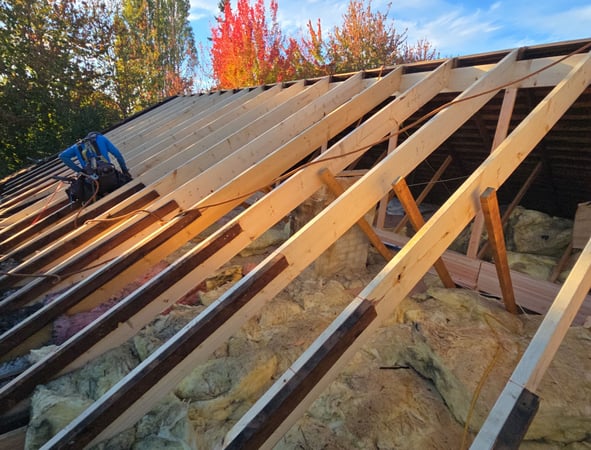
TL;DR: Summary
Reframing an old attic in Seattle often reveals hidden structural and ventilation problems that can increase the cost and complexity of your roofing project.
Common issues include underframed or sagging roofs, poor or missing ventilation, rotting wood, and poorly built additions that don’t meet modern building codes.
Many of these problems aren’t visible until the roof is torn off, which is why older homes (especially 50+ years old) frequently require unexpected repairs.
The key takeaway: if you have an older home, plan for potential framing and ventilation upgrades, and hire a contractor who can handle both roofing and structural work to avoid costly surprises.
Are you worried that your older attic might be hiding structural problems that could turn your roof project into a much bigger (and more expensive) job? Do you feel uneasy knowing that once your roofer starts tearing things off, they might uncover sagging, rot, or ventilation issues you didn’t plan for?
Reframing an old attic isn’t just about updating wood and structure. It often reveals decades of hidden problems like underframing, poor ventilation, and patchwork additions that were never built to modern code. In Seattle, where many homes are 50+ years old, these issues are incredibly common and can significantly impact both cost and complexity.
At RoofSmart, we do carpentry and framing work in addition to our roofing services. This means that we have the ability to help our customers with framing issues during a roofing project when other roofers can’t.
In this article, we’ll walk you through the most common issues roofers run into when reframing old attics, how to spot potential problems ahead of time, and what it means for your roofing project so you’re not caught off guard when the work begins.
Common Problems Found When Reframing Old Attics
|
Issue |
What It Looks Like |
Why It Happens |
Risk Level |
Impact on Project |
|
Underframed Roof |
Sagging roofline or dips |
Built before modern span codes |
❌ Very High |
Requires structural reinforcement |
|
Poor Ventilation |
Hot attic, mold, moisture |
No intake/exhaust system |
❌ Very High |
Shortens roof lifespan, adds upgrades |
|
Rotten Overhangs |
Soft, crumbling wood at edges |
Long-term water exposure |
⚠️ High |
Requires wood replacement |
|
Hidden Rot in Decking |
Dark, soft, or moldy wood |
Undetected leaks over time |
❌ Very High |
Increases repair scope and cost |
|
Patchwork Additions |
Uneven rooflines or lumps |
Poorly integrated remodels |
⚠️ High |
Requires reframing for consistency |
|
Knee Wall Issues |
Tight attic spaces with airflow problems |
Converted attic designs |
⚠️ High |
Complicates ventilation design |
|
Mismatched Materials |
Old wood or unique trim styles |
Historic construction methods |
Moderate |
Harder to match aesthetics |
What are common framing issues my Seattle attic might have?
Older roofs in the Seattle area are more likely to have framing issues (like underframing or rot) because they were built so long ago and definitely do not meet the standards set by modern building codes. Here are some examples of common framing issues we find in Seattle homes:
-
Under-framed roofs: A 2x4, according to the span tables in the building code, can only span about 7.5 feet before it hits another support. If a roof doesn’t meet this requirement, then it will sag. For example, on this roof, it looks like the supports might be hitting the roof at the right spot, but the roof is actually sagging.
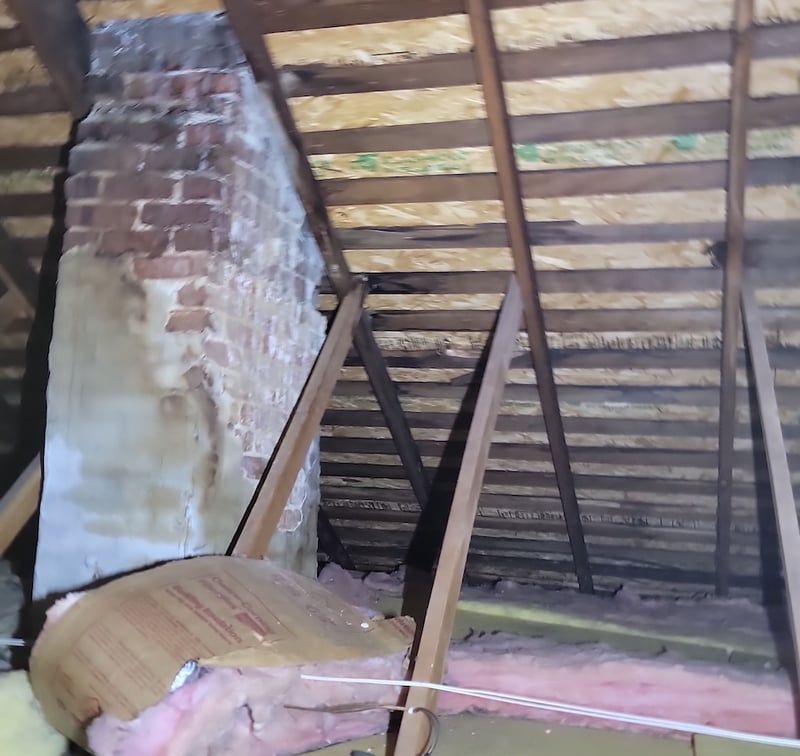
But all that does is, at best, lock in the sag that's already there. Somebody tried to reinforce it, but it's just not enough. This is a pretty common issue where contractors would just build stuff with what they had on older houses. They didn't have span tables or building codes or anything to regulate how framing is installed.
A lot of these older attics have been converted into a smaller upstairs space, so it has a knee wall. That knee wall acts as mid-span support, which can sort of help support the roof.
For these older attics that haven't been converted, they're often underframed and sagging. What that does is, because you have a depression in the roof in that area, water tends to go sideways, and then find the nail. So you end up with these phantom leaks where you've got to sag. Pretty frustrating, right? It's like a lot of problems in one.
- Poor ventilation: Another common issue in older attics is that there is no ventilation, especially in the low spots or attics with knee walls. As a result, the roof cooks in the summer, and you end up with the roof failing in 12 to 15 years due to consistent excessive heat. Without proper ventilation, your attic can far exceed 100 degrees during the day in the summer. This dries out your shingles and causes them to crack.
-
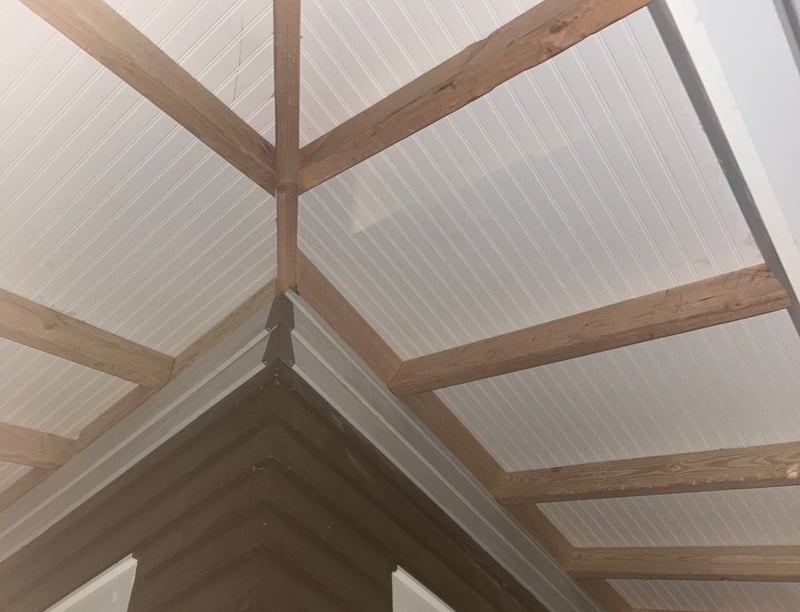
Rotten overhangs: Sometimes, the overhang can be tricky. Often, we find that it is rotten or sagging. Another common issue is that the house is made of older materials, and the customer isn’t sure if we’ll be able to match it while we’re redoing the roof. For example, on this house, we were able to reuse this old Craftsman-style beadboard to preserve the original look of the home:
- Poorly installed additions: Another common issue is poor installation and construction work. We’ve seen many add-ons that have been done to the house over the decades or the century that don't line up, create weird humps in the roof, or just look very obviously like an add-on. So our job is to fix that and make it look a little bit more cohesive. Often, these updates include a knee wall, which creates ventilation issues.
It’s important that you hire a roofer who is qualified to deal with these issues as they appear on your roof. Some roofers only do basic roof replacements. So, if you suspect that your roof will have framing or ventilation issues, then make sure that you hire a roofer who is also skilled in those areas. The last thing you want is to have your roofing problems ignored or “fixed” incorrectly.
How do I know if my attic or roof has major issues?
If you have a historic old home or just an older home that was built 50+ years ago, then chances are it hasn’t been updated to modern building code and likely has some issues.
If you suspect that your roof has framing issues because of the age of your home, the best way to know is to have a roofer come out and do an inspection.
However, if you’d like to do some investigation on your own, here’s what you can look for:
- Underframing
- Check out building code to see if your roof has enough support
- Look for obvious sagging in the attic or on the roof
- Poor ventilation
- Rotting wood in attic
- Mold growth in attic
- Excessively hot attic
- Rotten overhangs
- Check for damp or rotting wood in the overhang (if visible)
- Poorly installed additions
- Lumpy or uneven roof at the addition
- Poorly-matched or different materials
If you look around, you might be able to find some signs that your roof has issues. But keep in mind that a lot of roofing problems are hidden and won’t be revealed until the roof work begins.
Your roofer might suspect there will be a certain issue, but it might not be confirmed until they start tearing your roof apart.
What roof problems are common on old Craftsman homes in Seattle?
As you’ve seen, reframing an old attic often uncovers much more than you bargained for, such as underframing, poor ventilation, rot, and decades of patchwork fixes. These issues are often tied to the way older homes were originally built.
And if your home is a Craftsman (which is very common in the Seattle area), there are even more specific challenges to be aware of.
From complex rooflines and decorative overhangs to outdated construction methods, Craftsman homes come with their own set of roofing and structural quirks that can impact how your project is planned and executed.
Read our article “What Are the Most Common Roof Problems in Old Craftsman Homes (And How Can You Avoid Costly Repairs)?” to learn about the unique challenges of working on Craftsman-style homes so you can better understand what to expect and how to prepare for your roofing project.
Frequently Asked Questions About Issues Seattle Roofers Run Into When Reframing Old Attics
1. Why do roofers find so many problems in older attics?
Older homes were built before modern building codes.
As a result, they often have:
- Underframing
- Poor ventilation
- Outdated construction methods
These issues may not be visible until the roof is opened up.
2. How do I know if my attic has structural problems?
You can look for signs like:
- Sagging rooflines
- Uneven ceilings
- Cracks in walls or framing
However, many structural issues are hidden and require a professional inspection to confirm.
3. Can attic ventilation problems really damage my roof?
Yes, significantly. Poor ventilation can cause:
- Excess heat buildup
- Moisture and mold
- Premature shingle failure (sometimes in 12–15 years)
Ventilation is one of the most important parts of a healthy roof system.
4. Will reframing my attic increase the cost of my roof project?
In most cases, yes.
If issues like rot, underframing, or poor ventilation are discovered, they will:
- Add labor and material costs
- Extend the project timeline
However, fixing these problems is critical for long-term performance.
5. Can all roofing contractors handle attic reframing issues?
No. Some roofers only perform basic roof replacements and may not be equipped to handle:
- Structural framing
- Ventilation redesign
- Complex repairs
It’s important to hire a contractor with experience in both roofing and carpentry.
Topics:
