

TL;DR: Fixing Attic Ventilation in Old Seattle Houses Without Causing Mold
Old, drafty Seattle homes often avoid mold naturally through airflow, but adding insulation or air sealing can trap moisture and cause condensation on cold roof decks. The safest fix is a complete roof assembly redesign using a vented roof deck system (furring strips create an air channel above insulation) combined with proper air barriers and balanced intake/exhaust ventilation.
In one 100-year-old home, RoofSmart added rockwool attic insulation, polyiso foam, a vented deck, custom bird blocks, and a new metal tile roof, preventing mold while improving efficiency.
Key takeaway: Avoid piecemeal updates (e.g., insulation only = high mold risk). Redesign the full system together. Use our free checklist or schedule a RoofSmart inspection for old-home moisture issues.
Are you worried that updating the ventilation on your old Seattle home might accidentally create new problems in your attic? Did you know that not updating the ventilation in your old home in the right way can lead to condensation and mold?
Many historic homes “breathe” naturally because they’re drafty, which unintentionally prevents moisture from building up in the attic.
In this case study, we’ll walk through how a Seattle homeowner updated the roofing, insulation, and ventilation on his 100-year-old home without creating mold problems. You’ll see the strategy, design process, and specialized roof assembly that allowed him to modernize the house while protecting it from moisture issues.
Why Modern Updates Cause Mold in Old Seattle Homes
|
Update or Change |
What It Does |
Risk Level |
Why It Can Cause Mold |
Best Practice |
|
Adding Insulation Only |
Reduces heat loss |
⚠️ High Risk |
Traps moisture without airflow |
Pair with proper ventilation design |
|
Air Sealing (Windows, Siding, Roof) |
Stops drafts |
⚠️ High Risk |
Prevents natural drying of moisture |
Add controlled ventilation |
|
Adding Standard Ventilation Alone |
Increases airflow |
⚠️ High Risk |
Can disrupt existing moisture balance |
Redesign full roof system |
|
Full Roof Assembly Upgrade |
Controls airflow + moisture |
✅ Low Risk |
Manages vapor, airflow, and insulation together |
Best long-term solution |
|
Vented Roof Deck System |
Creates airflow channel above insulation |
✅ Low Risk |
Prevents condensation buildup |
Ideal for modernizing old homes |
|
Leaving Home As-Is |
Maintains natural airflow |
⚠️ Moderate Risk |
Inefficient but less moisture trapping |
Only viable if no upgrades planned |
Can Updating Attic Ventilation in Old Homes Cause Mold? Yes. Here’s Why and How to Prevent It
Yes. A lot of times, these older drafty homes don’t have mold at all. But, you can get mold after you modernize it because now you’re trapping all the vapor (so you need to account for this as well in the redesign).
For example, we recently had a customer with an older house that was built around 100 years ago. This was before anyone really knew anything about modern building science or ventilation needs. Yet, this customer did not have mold.
If you don’t have attic mold, then why should you update the ventilation on your old house?
This customer’s house was very drafty, meaning that it leaks air all over the place. It sort of vents by its nature, and that's because energy was cheap back when the house was originally built, and it didn't really cost you much to heat your home, even if it was drafty.
Well, times have changed, energy codes have changed, and the homeowner wanted to do updates to the home. You can keep your house operating as is, but it’s much more expensive now to heat a drafty house.
And the problem he ran into is that if he changed one thing, it would change the moisture profile inside. He discovered that everything you do on the outside (whether it's updating windows, siding, or roofing) traps moisture.
This customer wanted to make sure that he didn't mess up his house, so he hired Asiri Designs to come up with a comprehensive plan for him. We were hired to do roofing.
Best Way to Update Attic Ventilation in Old Houses: Vented Roof Deck System Explained
Our customer wanted to do a metal tile roof because he wanted something that was going to last longer while still preserving the classic, timeless look and feel of the home. At the same time, he wanted to waterproof it, modernize it, and add insulation.
So the plan we came up with was to do a polyiso vented deck, except that he didn't like the way that was going to look at the eaves (because it would add a lot of height to the deck and look weird).
So, we built a whole assembly on top of the old roof deck, cut off the old overhang, and built this so there's a new overhang higher up with custom bird blocks at the eaves.
Here’s a mockup of what this will look like that we built to show the customer:
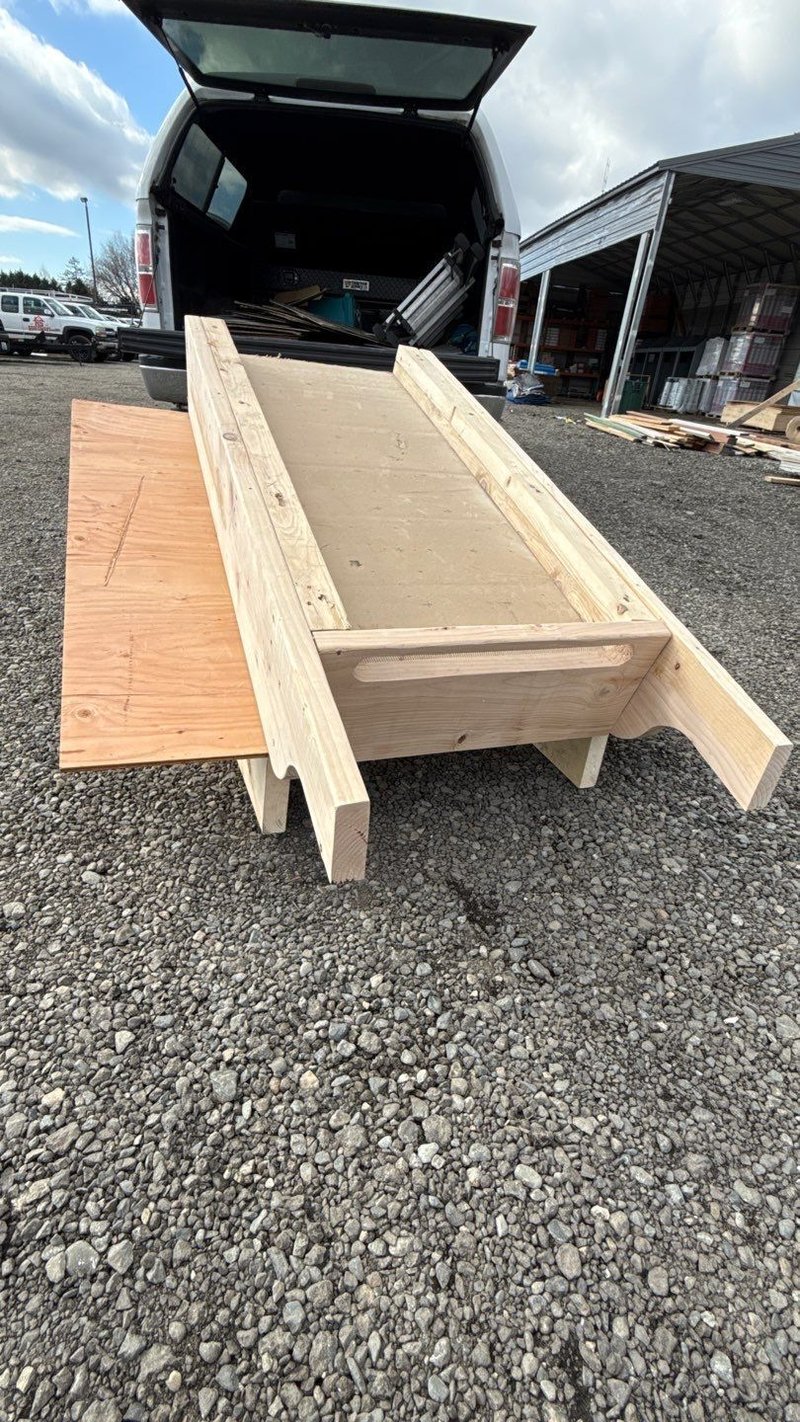
All you would see when this is installed on the roof is this new overhang. In the picture from behind, you can see two layers of 3.3-inch polyiso foam insulation. You can also see the custom bird blocks in the view from the front (the big slot opening) for intake ventilation.
Those swirly things represent rolled rockwool insulation. Since this insulation is porous and lets air through, there's also an air barrier, two layers of foam (the yellow stuff), and then an air channel above (the white space just underneath the metal roof). This is an ideal roof assembly for keeping out condensation.
It’s also a pretty expensive assembly. But that’s the setup you need to properly vent and insulate the roof. Traditional ventilation won’t work because too much moisture would build up. The old house can’t handle modern ventilation without serious insulation upgrades.
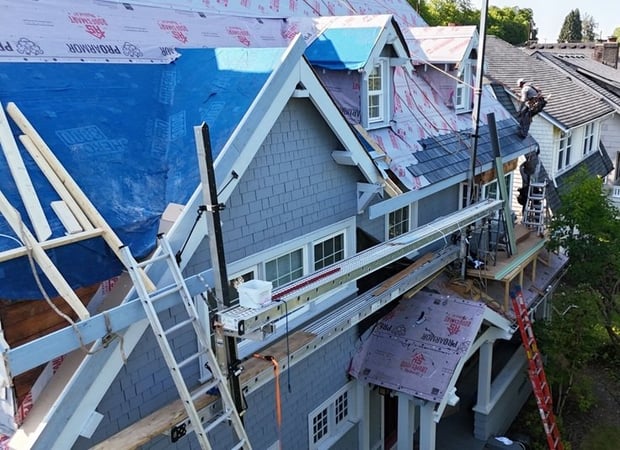
We had to pull the top couple of courses of siding in order to get our air barrier to lap over the energy heel. The energy heel is a place where the leg and foot joints come together. Insulation is the thinnest here, and air likes to leak out. As you can see, this new roof is being built on top of the old plywood decking roof base. This is based on the plan that Asiri Designs came up with:
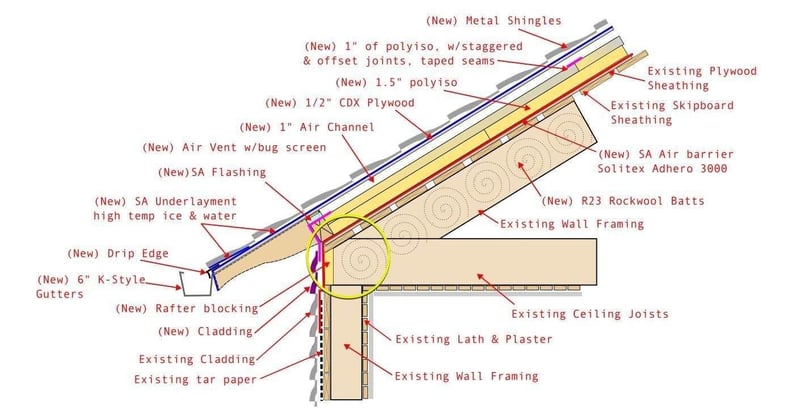
Whenever you look inside a house with the thermal imager, it's always cold in this corner. You have dramatically less insulation value at that joint. If you have a regular attic, you can have insulation all the way in there, but not with this setup.
So pulling off the siding was necessary; otherwise, we'd get warm air leaking out at the corner. Then you’d get condensation there, and it would leak down the wall.
Step-by-Step: How We Upgraded Ventilation on a 100-Year-Old Seattle Home
Here are all the steps we took to transform the insulation and attic ventilation in this house:
1. Removed shingles (there were 2 layers)
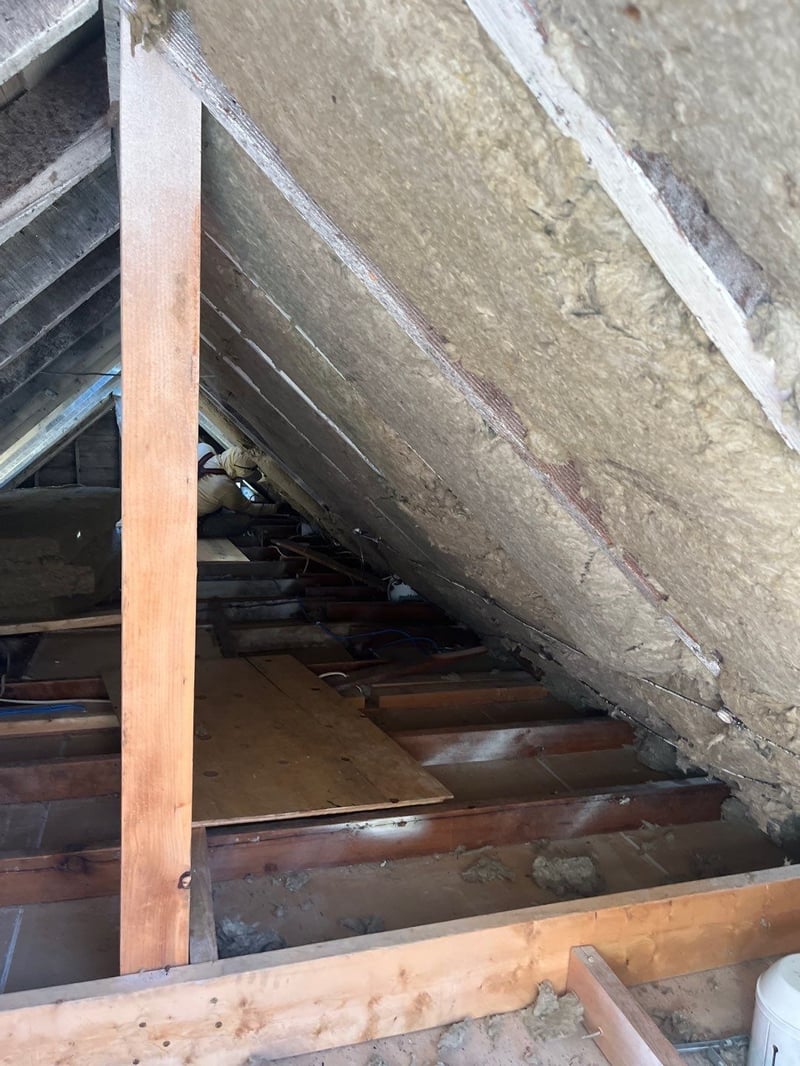
2. Added rockwool insulation in the attic
3. Replaced plywood roof decking as needed
4. Added underlayment
5. Cut off overhang
6. Build a new frame to create the new overhang
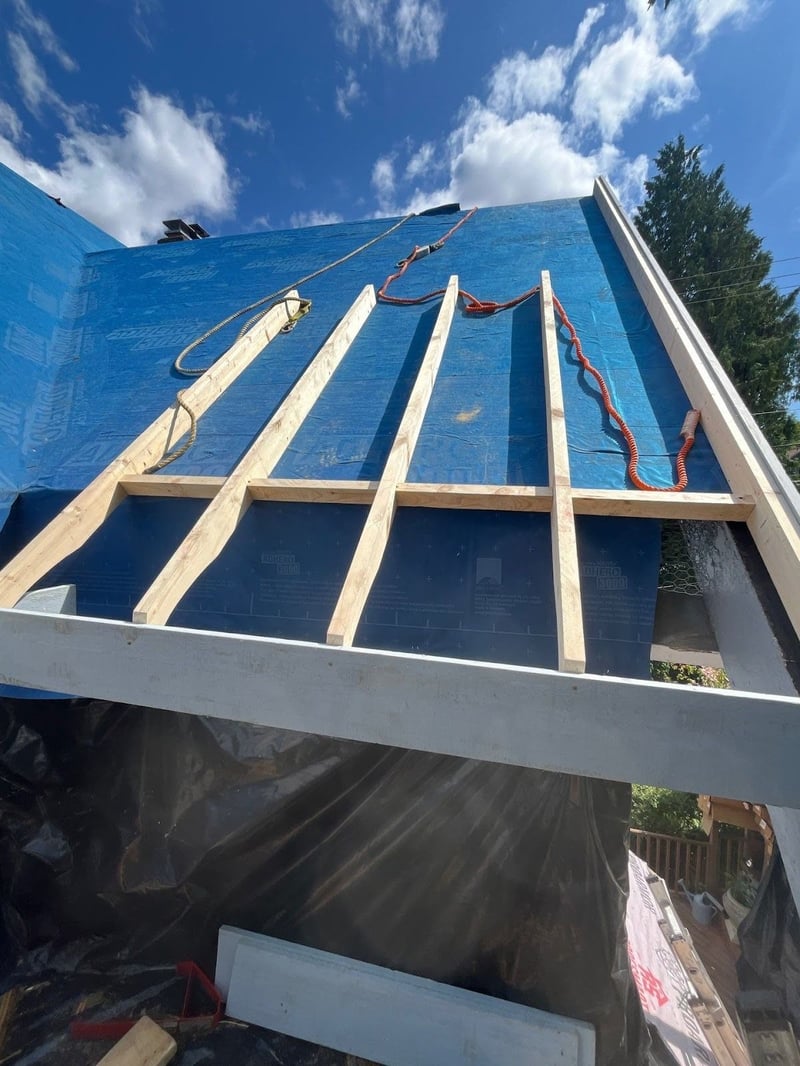
7. Added furring strips to create a vented deck
8. Put insulation on top of the vented deck
9. Installed new metal roof tiles
In total, the cost was a function of how complex this was: $132,000 for a 2,800 square foot roof.
How to Tell If Attic Moisture Is a Roof Leak vs. Condensation
Updating the ventilation and insulation in an older home requires careful planning because every change affects how moisture moves through the house. As this case study shows, modernizing a 100-year-old home without creating mold issues often means redesigning the entire roof assembly, not just adding vents or insulation.
When moisture problems appear after upgrades, they aren’t always caused by a failing roof. Sometimes the issue is condensation from trapped humidity, not a leak.
Unfortunately, the symptoms can look very similar. Wet wood, staining, and damp insulation can make homeowners assume their roof is leaking, when the real culprit might be condensation forming inside the attic.
Before jumping to conclusions (or paying for unnecessary roof repairs), it’s important to understand the difference between these two problems.
Learn how to identify the real cause of moisture in your attic:
https://getroofsmart.com/blog/roof-leak-vs-condensation-how-to-tell-difference
This guide explains the key signs that help Seattle homeowners determine whether they’re dealing with a roof leak or condensation, so you can take the right steps to fix the problem.
Frequently Asked Questions About Old House Attic Ventilation & Mold Prevention
Upgrading an older home comes with hidden risks, especially when it comes to moisture and ventilation. These common questions will help you avoid costly mistakes.
1. Can updating attic ventilation in an old house cause mold?
Yes, it can.
Older homes are naturally drafty, which allows moisture to escape. When you modernize by adding insulation or sealing air leaks, you trap moisture inside, creating the perfect conditions for condensation and mold if ventilation isn’t redesigned properly.
2. Why don’t older homes have mold problems before upgrades?
Older homes “breathe” due to air leaks.
This constant airflow unintentionally ventilates the attic and prevents moisture buildup. Once you seal the home for energy efficiency, that natural ventilation disappears, which is why mold can suddenly become an issue.
3. What is the safest way to update attic ventilation in an old home?
The safest approach is a complete system redesign, not a single upgrade.
This includes:
- Proper insulation
- Controlled airflow (intake and exhaust)
- Air barriers to manage moisture movement
A piece-by-piece approach (like adding vents alone) often creates more problems than it solves.
4. What is a vented roof deck and why is it important?
A vented roof deck creates an air channel above the insulation layer.
This allows moisture to escape before it condenses, reducing the risk of mold and rot. It’s especially important in older homes being upgraded to modern energy standards.
5. How do I know if moisture in my attic is from condensation or a leak?
It depends on the source and pattern of moisture:
- Condensation is usually widespread and related to trapped humidity
- Roof leaks are typically localized and tied to specific entry points
Because they can look similar, proper inspection is key before making repairs.
Topics:
