

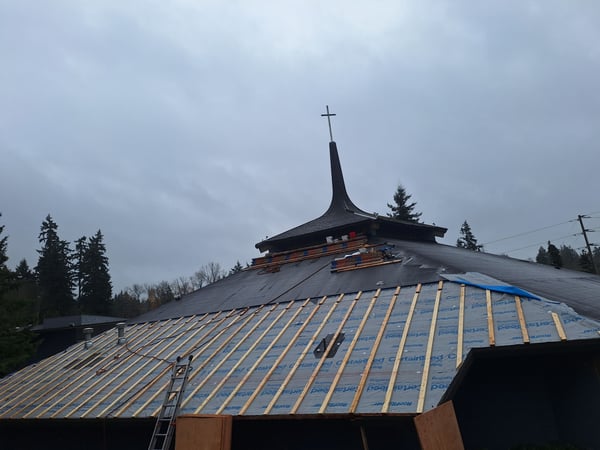
TL;DR: Summary
A manufacturer’s warranty is an assurance against product defects, not a guarantee of a problem-free roof. In reality, manufacturing defects are rare among top brands like Owens Corning, CertainTeed, and GAF. Most roof failures in Seattle are caused by workmanship errors (improper nailing or flashing) or poor attic ventilation, neither of which are covered by a standard material warranty.
To be truly protected, homeowners should look for premium warranties offered by certified contractors, which include critical labor and workmanship coverage.
Did your roofer tell you the shingles came with a “lifetime warranty,” but you’re still not sure what that actually protects or if it guarantees a worry-free roof? Do you feel confused by all the warranty language and worried you’ll be stuck paying for repairs you thought were covered?
It’s easy to assume that having a manufacturer’s warranty means you’re fully protected, but in reality, that warranty only covers a small portion of what can go wrong with your roof.
At RoofSmart, we believe it’s important for our customers to understand what they’re getting into when they choose a roof material and warranty. Each year, we help hundreds of homeowners decide which warranty is right for them by being honest about what kind of coverage each one offers.
In this article, we’ll explain exactly what a manufacturer’s warranty does (and doesn’t) cover, how to avoid the fine-print pitfalls, and what you should really be looking for when choosing a roofer or shingle brand.
What protection does my roof warranty really give me?
A manufacturer’s warranty is an assurance against product defects, not a guarantee of a problem-free roof. This also doesn’t mean that your roof is guaranteed to have problems.
What the manufacturer is saying with their warranty is that they believe in the quality of their product. They’re showing you that if there is a problem caused by defective shingles, then they have your back because they’ll cover it.
If asphalt shingles from any manufacturer never had a problem, then they wouldn't need to bother with a warranty because nobody would be worried about it.
On the plus side, if you're looking at the big three manufacturers (Owens-Corning, Certainty, GAF), they're world-class manufacturers with very low defect rates. And when they have a defect, they've got the resources and the interest to go ahead and make it right.
What issues can my roof have that aren’t covered by the manufacturer’s warranty?
Usually, you’re not even going to have to deal with a defective shingle or need to call in the manufacturer’s warranty. It’s possible that your roof will work fine until it gets to the end of its life and starts to wear out.
Manufacturer’s warranties never cover damage caused by regular wear and tear. Signs of regular wear and tear on an old asphalt shingle roof include:
- Extreme granule loss or bald spots
- Blistering
- Cracking
- Curling (this is rare)
But, even if you do notice issues on your roof before it reaches the end of its life, the cause is most likely installation mistakes or poor workmanship. Some examples of issues caused by workmanship mistakes include:
- Improper nailing (over/under-nailing, wrong location)
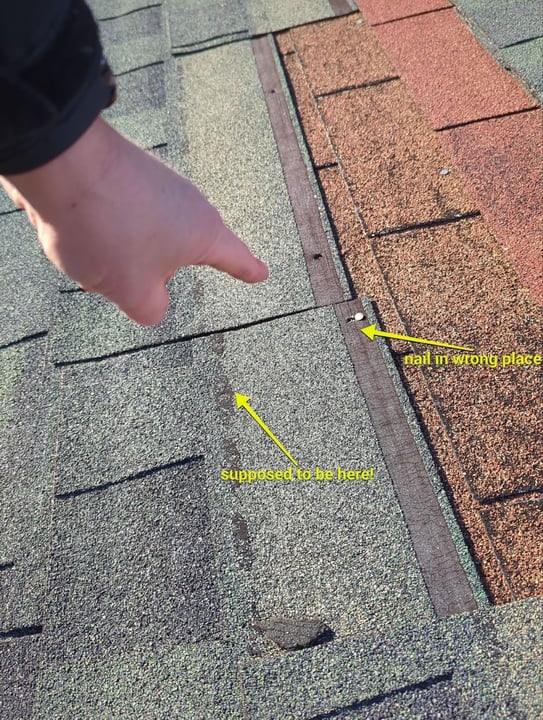
- Incorrect flashing installation (e.g., above shingles, not under)
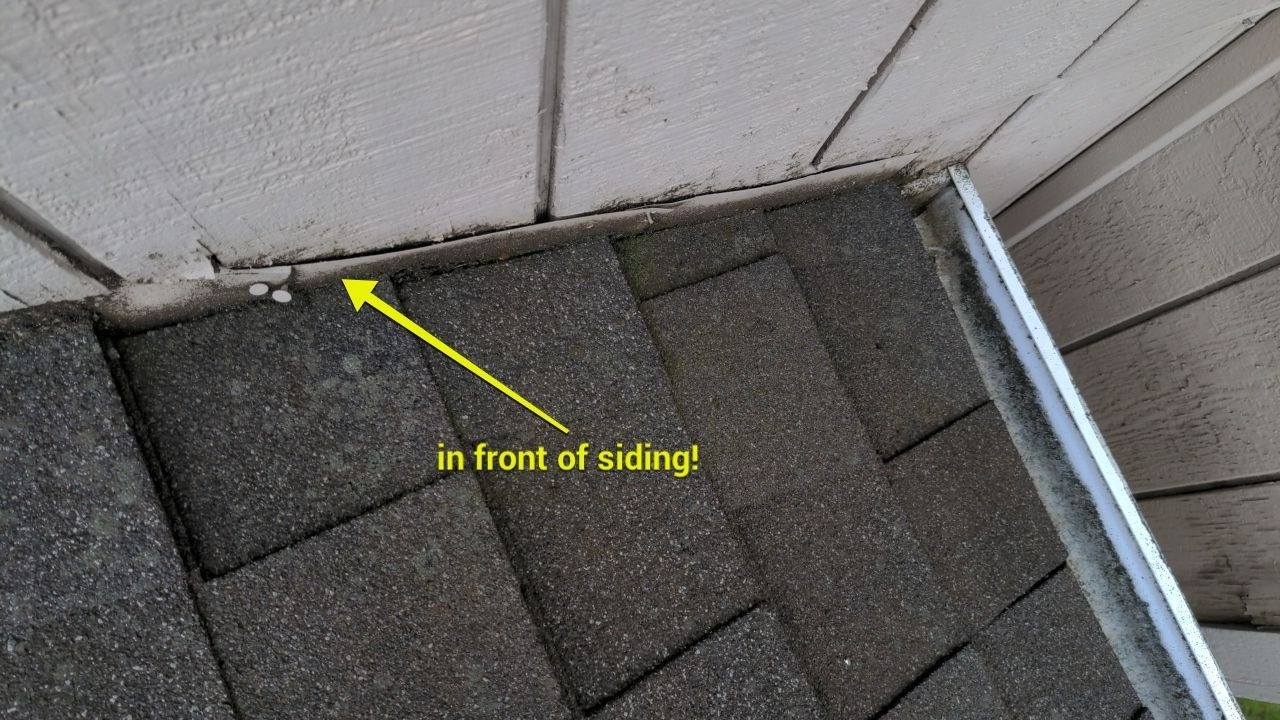
- Inadequate attic ventilation (e.g., blocked vents)
Workmanship issues are covered under a completely different warranty. You’ll need to take it up with your roofer.
There is no guarantee that you will or will not have workmanship issues on your roof. All you can do to protect yourself is research your roofing company options and pick the one you trust the most.
What should I pay attention to in the fine print to avoid surprises with coverage?
It’s a good idea to check your manufacturer’s warranty while you’re selecting the brand and style of asphalt shingles that you want. That way, you know ahead of time what level of coverage you’re eligible for and what’s covered.
More importantly, you should read the sections that describe what’s excluded from coverage and what can cause your warranty to be voided. All of this will help you avoid disappointment down the road if you think you’re eligible for coverage, but you actually are not.
Some key items to look for in your manufacturer’s warranty are:
- Prorated periods: Your warranty may offer lifetime coverage, but most of the time, those warranties only offer full coverage for about 10 years. After that, there is a prorated period that only gives you partial coverage instead of full coverage. This is something to be aware of because it means that you might only get a little bit of coverage and have to pay for the rest yourself.
- Material-only coverage: Some warranties will only compensate you for the cost of new asphalt shingles to replace the defective ones. The cost of labor and everything else during the replacement will be up to you.
- Exclusions for non-manufacturer products: Your warranty will not cover the replacement of items that were not made by the manufacturer. For example, if you have solar panels on your roof and they need to be removed to replace the defective material, then you’d have to pay for that.
- Things that can void your warranty coverage: There’s also a long list of things that can void your warranty. Some examples include:
- Not keeping up with maintenance
- Not having proper ventilation
- Doing third-party work on the roof (having solar panels installed)
- Pressure-washing the roof
- Having multiple layers of roofing
How do I make sure that I get the best warranty coverage possible?
Because manufacturers’ warranties have such specific requirements about coverage, it’s a good idea to try to get the highest level of coverage possible.
Most manufacturers have multiple levels of coverage to choose from. The lowest is their standard warranty, which offers basic coverage. The highest is their premium warranty, which offers the most extensive coverage for the longest amount of time.
Often, to get access to a premium warranty, you have to meet some extra requirements, one of which is hiring a roofing contractor who is certified by the manufacturer. When a roofer is certified, it means that they have the manufacturer’s stamp of approval and they are considered a competent and trustworthy installer.
If you want extra assurance that your roof is installed properly and is protected with quality warranties, you might want to consider hiring a roofer who is certified by a shingle manufacturer.
Owens Corning, GAF, and CertainTeed are top manufacturers, and they all have similar requirements for certifying roofers. You can search for certified contractors in your area using their websites.
If a manufacturer’s warranty isn’t enough, what other roof warranty should you look for?
By now, you’ve seen that a manufacturer’s warranty only protects you from a very specific type of issue: product defects. It doesn’t cover labor, installation mistakes, or most of the problems that actually cause roofs to fail. That’s why simply having a warranty doesn’t mean you’re in the clear.
In fact, the majority of roofing issues stem from workmanship errors, not faulty shingles, and those problems aren’t covered by the manufacturer at all.
To get true peace of mind, you need to understand the other half of the equation: your roofer’s workmanship warranty.
Read our article “Workmanship Warranty vs. Manufacturer’s Warranty: What’s the Difference For My Roof?” so you know what coverage you’re really getting and what to ask for before you sign a contract.
Frequently Asked Questions
1. What does a manufacturer’s warranty actually cover?
It strictly covers product defects, meaning the shingles themselves were manufactured incorrectly. It does not cover damage from wind, falling trees, or leaks caused by a roofer’s mistakes.
2. Will my warranty cover the labor to replace defective shingles?
In many "standard" warranties, the manufacturer only provides the replacement shingles. The expensive cost of labor to tear off the old roof and install the new one is often left to the homeowner.
3. What is a "prorated" warranty period?
Most "lifetime" warranties only offer 100% coverage for the first 10 years. After that, they enter a prorated period where the manufacturer pays less and less for the materials as the roof ages.
4. Can my warranty be voided by poor attic ventilation?
Yes. Manufacturers require roofs to meet specific ventilation codes. If your attic is too hot or damp because of blocked vents, the manufacturer can legally deny your claim, even if the shingles are defective.
5. Does a manufacturer’s warranty cover "wear and tear"?
No. Natural aging symptoms like granule loss, cracking, or minor curling are considered normal wear and tear and are not covered under a defect warranty.
6. How do I know if my roof failure is a "workmanship" issue?
If your roof leaks because of improper nailing or incorrect flashing, it is a workmanship problem. These issues must be handled through your roofer’s labor warranty, not the manufacturer.
7. Is a "Limited Lifetime Warranty" the same as full protection?
No. The word "limited" is key. It often excludes non-manufacturer products (like solar panels or 3rd party skylights) and may not cover the cost of disposing of old materials.
8. How do I get access to the best possible roof warranty?
To get a premium warranty that covers both materials and labor for decades, you must hire a contractor who is certified by the manufacturer (e.g., an Owens Corning Platinum Preferred Contractor).
9. How do I know if a warranty claim is actually valid?
Filing a claim requires proof that the material itself failed. Learn the steps and requirements in our guide: How Do You Know If Your Manufacturer's Warranty Claim Is Valid?
10. What is the difference between a workmanship warranty and a manufacturer's warranty?
Think of it like a car: the manufacturer covers the parts, but the mechanic covers the repair. Read our full breakdown: Workmanship Warranty vs. Manufacturer’s Warranty: What’s the Difference?
Topics:
