

TL;DR: Summary
Commercial PVC warranties differ significantly from residential ones, primarily through the option of a No Dollar Limit (NDL) warranty. While a Standard Warranty only covers the prorated cost of defective materials, an NDL Warranty covers the full cost of both materials and labor for repairs without a financial cap.
However, upgraded warranties like NDL have stricter requirements to qualify, so the roof costs more to build to that standard. With Duro-Last, for example, the extra cost comes from the Duro-Last system components the warranty requires (tapered insulation, polyiso, coverboard, fasteners and screws, and more), plus a required Duro-Last inspection with a registration or inspection fee. In Seattle’s climate, these warranties are a "gold standard" for long-term building owners.
Are you assuming your commercial flat roof is fully protected under warranty, only to find out that most damage won’t actually be covered? Have you been told that an NDL (No Dollar Limit) warranty is the “gold standard,” but no one’s explained the added cost, complexity, or what it really protects you from?
While it's true that the NDL warranty is the best because it provides full coverage, you also have to pay more to get frequent inspections and upgrade your roof's safety features to make it more durable.
At RoofSmart, we understand that it can be frustrating and difficult to try to figure out what your commercial PVC warranty covers and what’s required to get coverage. That’s why I decided to make this article. Our goal is to make sure that every customer understands the pros and cons that come with their PVC roof, including the warranty coverage.
We’ll explain the difference between standard and NDL warranties, what’s typically excluded, and the real-world steps you’ll need to take to qualify for full protection.
What does a PVC manufacturer’s warranty cover on commercial roofs?
Your typical PVC warranty for a commercial building will cover material defects (like chalking or fading) that cause the roof to fail. So, for example, if your roof starts chalking and breaking down after just a few years to the point where the roof leaks, that would count as a material defect.
With a basic warranty, the only coverage you’re going to get from the warranty for a material defect is the cost of replacing the material. If it’s just one spot, you’ll get a little bit of reimbursement, but if the PVC is defective all over the roof, then you’d get coverage for the whole roof.
However, if you have a commercial roof, then you have the option of getting a PVC warranty with better coverage. This type of warranty is called a No Dollar Limit (NDL) warranty. It used to be a commercial-only option, but Duro-Last now offers 20, 25 and 30-year NDL warranties on homes too. See what changed in Duro-Last warranties in 2025 and 2026.
How do I get a No Dollar Limit warranty instead of a regular warranty?
With an NDL warranty, the manufacturer covers all of the work to fix the material defect. You’d be getting coverage for the new PVC and the labor to repair or replace it. It's not capped.
But, in order to get an NDL warranty, you have to make sure the roof is installed properly and meets certain standards.
It costs more because the warranty has stricter requirements to qualify, and building the roof to that standard takes more materials and more time.
The manufacturer's representative inspects the roof before the warranty is issued. And it has to be done by a contractor the manufacturer has authorized to install that specific PVC brand.
This enhanced warranty has stricter requirements to qualify, and building the roof to that standard costs more.
There's the standard spec sheet, but if you want the NDL warranty, you also have to do other things. With Duro-Last, that means using the Duro-Last system components the warranty calls for, like tapered insulation, polyiso, coverboard and the specified fasteners and screws, plus a required Duro-Last inspection with a registration or inspection fee. These all add time and money, so an NDL roof costs more than a regular code-compliant roof.
And while you always expect that your roof is installed according to specifications, the specification book for each of these products is fairly thick. So it's very easy for them to find any flaw and disqualify the roof in the event of a claim (even if you went through this process and did everything right).
The reason that they have all these requirements is that if you do everything perfectly, then you're limiting what can go wrong to the product actually failing. They're trying to limit their exposure to what's actually their fault.
What’s excluded from coverage under my commercial PVC manufacturer’s warranty?
Even with an enhanced NDL warranty, there are still several things that are excluded from coverage under the warranty. What's covered depends on the warranty, so read the terms for yours.
With that in mind, here are some problems you might face on your PVC roof that are not covered under the warranty:
- Damage caused by workmanship: It’s actually more common for your roof to be damaged by some mistake that happened during installation (aka poor workmanship), not a problem caused by defective material. A material-only manufacturer’s warranty will not cover damage caused by the roofing contractor while they were installing the roof. Some NDL warranties, including Duro-Last’s NDL warranties, do cover leaks caused by the installing contractor’s workmanship. Either way, your roofer’s own workmanship warranty is still your first line of protection.
- Consequential Damages: If your PVC roof does turn out to be defective and fails early, and causes a leak, you’ll only get coverage for replacing the defective material. If you have mold or rotting wood from a leak, that type of damage is not covered. You’ll have to pay to get it fixed. You might get more extensive coverage from an NDL warranty.
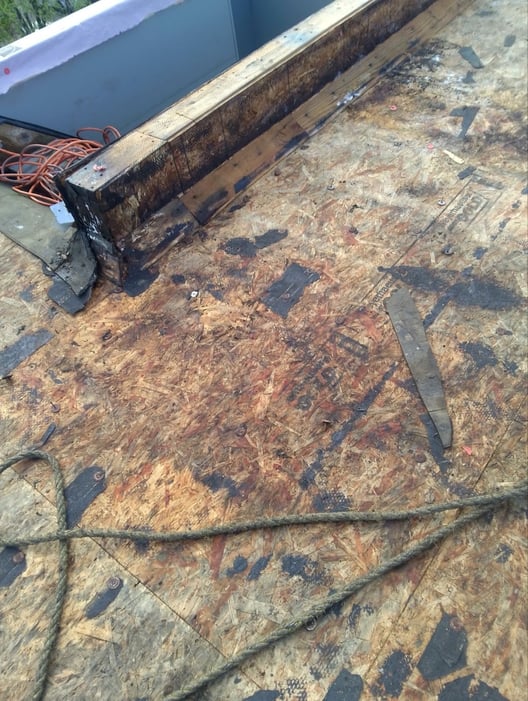
- Normal Wear & Tear: Over time, your PVC roof will wear down and get old. The UV rays from the sun will slowly degrade the PVC membrane, breaking down the plasticizers. This causes chalking and fading, which are both signs that the membrane is getting old and worn out. This is normal and will usually happen after 20+ years on a PVC roof.
- Cosmetic Issues: Manufacturer’s warranties also don’t cover any issues that don’t impact performance. For example, if there is any algae growth, discoloration, or wrinkles on the membrane, then you won’t get coverage. These are not issues that prevent your membrane from protecting your roof, even if they look bad.
How can I get the best protection for my commercial PVC flat roof?
No matter what kind of warranty you want on your PVC commercial roof (standard vs. NDL), it’s important to find a contractor who has experience installing PVC roofs. That way, you can ensure that your roof is going to be installed correctly and will last as long as possible.
Plus, a trustworthy and experienced roofer is likely to have a good workmanship warranty that will protect your roof, just in case there are workmanship issues during installation.
If you find a contractor who can do an NDL warranty on your commercial building and you do care about having a top-quality roof, then it's a smart thing to get. It’s a good choice if you’re planning on owning your commercial building for a long time, and you don't want to have to deal with issues that cause damage and ruin the roof.
If you want to get the cheapest roof possible, then getting an NDL warranty doesn’t make sense because building to its requirements adds to the cost of the project. You can save all of that by getting a standard PVC roof and a regular warranty.
Which PVC Roofing Brand Offers the Best Warranty Protection in Seattle?
Now that you know what commercial PVC warranties do (and don’t) cover, it’s clear that choosing the right roofing brand, and the right type of warranty, is critical to protecting your building long-term.
Even the most robust No Dollar Limit (NDL) warranty won’t help you if the product itself isn’t built to withstand Seattle’s wet climate, UV exposure, and seasonal shifts. The brand you choose will determine not only how well your roof performs, but how easy or difficult it is to get support when something goes wrong.
If you want to avoid surprise exclusions and get the highest return on your roofing investment, the next step is understanding how different PVC brands stack up in Seattle.
Read our article “How Do I Know Which 60 mil PVC Roofing Brand Is Best for My Seattle Home?” to compare top options and make the right call before you commit to your next flat roof.
Frequently Asked Questions
1. What is the main difference between a Standard and an NDL warranty?
A standard warranty typically only covers the cost of replacing defective material, often on a prorated basis. An NDL (No Dollar Limit) warranty covers all the work (both new PVC and labor) to fix a material defect, with no cap on the payout.
2. Why is an NDL warranty so much more expensive?
Upgraded warranties have stricter requirements to qualify, so the roof costs more to build to that standard. With Duro-Last, the cost comes from the Duro-Last system components the warranty requires (tapered insulation, polyiso, coverboard, fasteners and screws, and more), plus a required Duro-Last inspection with a registration or inspection fee.
3. Does an NDL warranty cover leaks caused by poor workmanship?
It depends on the warranty. A material-only warranty does not. Some NDL warranties, including Duro-Last’s, also cover leaks caused by the installing contractor’s workmanship. Your roofer’s own workmanship warranty is still your first line of protection.
4. What are "consequential damages," and are they covered?
Consequential damages are secondary issues caused by a leak, such as mold or rotting wood. Standard PVC warranties almost never cover these; you are only reimbursed for the defective PVC material itself.
5. How does Seattle’s sun affect my PVC warranty?
Over 20+ years, UV rays break down plasticizers in the membrane, leading to chalking and fading. Manufacturers consider this normal wear and tear, not a product defect, so it is not covered by the warranty.
6. Will my warranty cover wrinkles or discoloration?
No. Issues that are purely cosmetic and do not impact the roof's performance, like discoloration or minor wrinkles, are excluded from coverage.
7. Is an NDL warranty available for residential PVC roofs?
Sometimes. NDL used to be a commercial-only option, but Duro-Last added 20, 25 and 30-year residential NDL warranties on forms dated 04.27.2026. They cover labor and material, and the roof must pass a Duro-Last inspection and be installed by a Duro-Last authorized PVC contractor.
8. How do I know which PVC brand is best for the Seattle climate?
The brand you choose determines how well the roof handles our constant moisture and seasonal shifts. You can compare top options in our guide on which 60 mil PVC roofing brand is best for Seattle.
9. Can a manufacturer disqualify my NDL claim?
Yes. Because the specification books for these products are very thick, manufacturers can sometimes find a minor installation flaw to disqualify a claim, even if you paid for the enhanced warranty.
10. Why do commercial roofs take longer to install than residential ones?
The added requirements of an NDL warranty, such as extra fasteners and inspections, contribute to the timeline. Learn more in Why Do Commercial Roofs Take Longer to Install Than Residential Roofs?
Topics:
