

TL;DR: Summary
While it’s tempting to treat attic ventilation with a "more is better" approach, DIY fixes often fail because they disrupt the precise balance between intake and exhaust. Common errors like installing powered gable fans, mixing different types of exhaust vents, or ignoring insulation blockages can lead to airflow short-circuiting, mold growth, and premature roof failure.
In Seattle, the building code typically requires a 1:150 ventilation ratio, and any upgrade should aim for a perfect 50/50 balance to prevent moisture buildup and "vacuum effects" that pull conditioned air from your home.
Are you thinking about fixing your attic ventilation yourself, but worried you might make it worse instead of better? Have you already added more vents or installed a fan, but now you're seeing condensation, musty smells, or rising energy bills?
Most roofers don’t even touch attic ventilation, so your instincts to solve the problem are good. But what can often seem like a simple “more is better” solution often leads to airflow short-circuiting, mold, or even roof damage.
At RoofSmart, we do a thorough inspection of each roof, including the attic to make sure that we know if your attic ventilation needs an upgrade. Our goal is to identify and fix all of the issues on and around your roof so that your new roof lasts as long as possible.
In this article, we’ll walk you through the most common DIY attic ventilation mistakes homeowners make, especially in the Seattle area, and explain how to avoid them.
You’ll learn why balance is more important than quantity, and how to spot ventilation setups that quietly sabotage your roof.
What’s the most common DIY attic ventilation fix in the Seattle area?
Most homeowners in the Seattle area (and across the U.S.) aren’t familiar with how attic ventilation works. People assume that if there is an airflow problem in the attic, then adding more ventilation will solve this problem. However, this is not true.
It seems logical, but in most cases, simply adding more ventilation is not the right answer. Attic ventilation is actually a precise balance between intake and exhaust ventilation. You have to have the right amount of each, otherwise your attic (and your roof) will suffer.
What mistakes do people make during a DIY attic ventilation fix?
If you don’t do your research or consult with a professional, chances are your DIY attic ventilation fix is going to fail. Here are some examples of common mistakes and failures homeowners make when updating their attic ventilation:
Ignoring Code Requirement and Calculations: According to the IRC, you need to have one square foot of attic ventilation for every 150 square feet of attic space (a 1/150 ratio. You can have a 1/300 ratio instead if you take other extra precautions, one of which is making sure that your attic ventilation is perfectly balanced. This is the building code that Seattle and many surrounding cities follow. Before you revamp your attic ventilation, it’s a good idea to look up code requirements and learn how to calculate how much attic ventilation you’ll need. No matter which ventilation ratio you choose, I recommend doing a 50/50 balance of intake and exhaust ventilation because that’s what gives you the best results.
-
Adding a Powered Fan As Additional Exhaust Vents:
-
Gable Fan: These are largely ineffective. They really only work for lowering the temperature of the attic, but they don’t help with humidity. It's pulling out the air that's 20 degrees cooler than what's in the peak because hot air rises. Seattle homeowners need to be cautious of letting their attic get too humid, because this can cause mold (it’s an issue we at RoofSmart see all the time). Also, since gable fans sit so low on the roof, it comes in through that open gable vent when the fan's not running, instead of through your intake vents down at the eave or soffit. So it's sort of counterproductive.
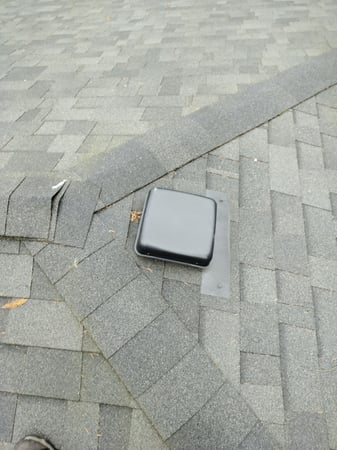
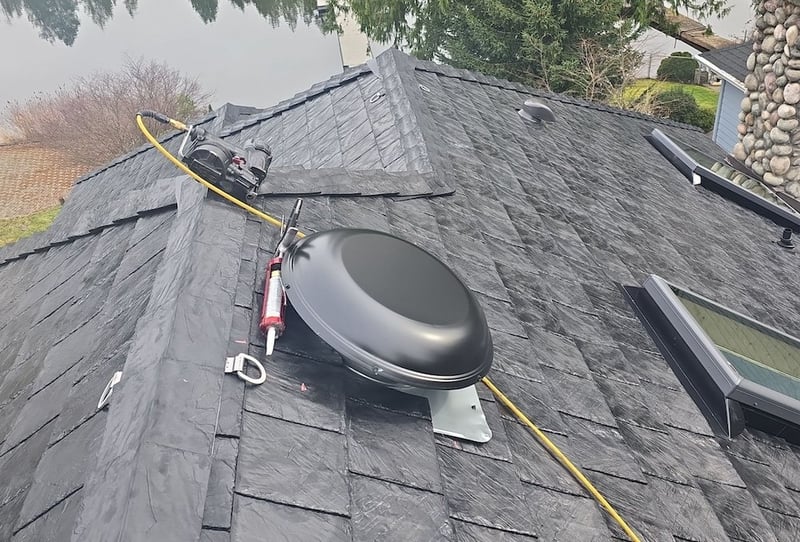
Adding More Than One Type of Exhaust Vent: Combining different exhaust vents (e.g., static + ridge) short-circuits airflow, leaving most of the attic unventilated. Air is supposed to enter through the intake vents and leave through the exhaust vents, but when you have multiple types of exhaust vents, this system gets disrupted. The lower exhaust vents start acting like intake vents, which means that air is only cycling through the very top of the attic.
-
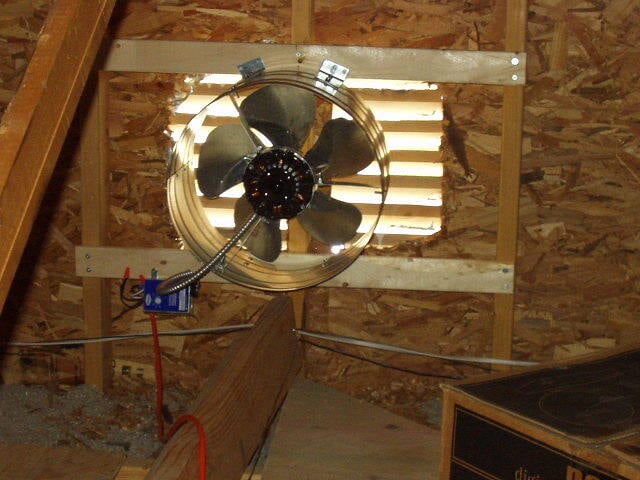
Image from Horizon Energy Systems
-
Ignoring Blockages: Another problem that people don’t really think of is when their intake vents are blocked. Insulation blocking intake vents prevents proper airflow, which can easily happen if the insulation was installed incorrectly or gets shifted around. Instead of installing more vents, you might just need to make sure your intake vents are clear. Think of your attic ventilation like a straw. You need air going in at the bottom and the top. If the bottom of the straw (intake) is blocked, then it doesn’t matter how wide the other end is. There will be no airflow through the straw until the blockage is resolved.
What happens when my attic ventilation does not meet code requirements?
Having an attic with poor ventilation can cause all kinds of problems on your roof, so you’re right to want to fix it.
Poor ventilation in your attic can lead to:
- Mold
- Condensation build-up
- Rotting wood
- Overheated shingles that fail prematurely
However, if you attempt to fix your ventilation without doing the proper research, then you probably won’t fix your actual problem. This means that your roof is still at risk of the issues listed above.
In addition, if you installed a power vent without doing the math, then your roof might face these problems:
- Vacuum Effect: An overpowered exhaust fan without enough intake to balance it will pull air from wherever it can. This means pulling air from the house through the light fixtures. It will also pull out dust and insulation.
- Fan Failure: Overworked fans burn out early and become noisy. You’ll hear it straining until it eventually gives out.
Can a DIY attic ventilation fix save me any money?
If you do your research and properly fix the attic (not guessing at a solution by just adding more ventilation), then it will probably save you some money. But if you don’t meet code requirements, then you might have to hire a professional to fix your attic later on.
Whether you want to do a DIY fix or hire a roofing contractor to help you, it’s good to be aware of what needs to be done in your attic. The bummer is that a lot of roofers don’t bother with even looking at your attic’s ventilation when working on your roof.
It’s crucial that you are familiar with attic ventilation code requirements to help you determine which roofers actually know what they’re talking about and which ones will be of no help.
What Does Seattle’s Building Code Say About Attic Ventilation?
If you’re thinking about updating your attic ventilation, it’s easy to assume that adding more vents or fans will fix the problem. But as you’ve now seen, unbalanced or code-violating ventilation can actually make things worse and lead to mold, rot, or premature roof failure.
Most DIY fixes fail not because of effort, but because they don’t follow the ventilation ratios or placement required by Seattle’s building code. Without knowing those rules, it’s nearly impossible to get airflow working the way it should.
Before you make any ventilation upgrades or evaluate whether your roofer knows what they’re doing, you need to understand what the code actually requires.
Read our article “What Are Seattle's Attic Ventilation Code Requirements?” so you can avoid costly missteps and make smart, compliant improvements to your roof.
Frequently Asked Questions
1. Is adding more vents always the solution for a hot attic?
No. Attic ventilation is about balance, not just quantity. Simply adding more vents without calculating the proper intake-to-exhaust ratio can actually stop airflow altogether or cause "short-circuiting," where air only cycles at the very top of the attic.
2. Why are powered gable fans considered ineffective in Seattle?
Gable fans are designed to lower temperatures but do very little to combat humidity, which is the primary threat to Seattle roofs. Additionally, since they sit lower on the roof, they often pull air from the nearest gable vent rather than drawing fresh air up from the intake vents at the eaves.
3. What happens if I mix two different types of exhaust vents?
Combining static vents with a ridge vent is a major mistake. The lower exhaust vents often begin acting as intake vents, causing air to bypass the lower parts of the attic. This leaves the majority of your attic space unventilated and prone to mold and wood rot.
4. Can insulation affect my attic ventilation?
Yes. One of the most common issues is blocked intake vents. If insulation is shifted or installed incorrectly over the soffit vents, the "straw" of your ventilation system is effectively plugged, and no amount of exhaust venting will create proper airflow.
5. What is the "Vacuum Effect" caused by overpowered fans?
If you install a powerful exhaust fan without enough intake ventilation to balance it, the fan will pull air from wherever it can. This often means sucking dust, insulation, and conditioned air from inside your house through light fixtures and ceiling gaps.
6. What are the specific attic ventilation code requirements for Seattle?
The International Residential Code (IRC) generally requires one square foot of ventilation for every 150 square feet of attic space. You can learn how to stay compliant in our guide: What Are Seattle's Attic Ventilation Code Requirements?
7. How do I know if my roof failure was caused by poor ventilation?
Overheated shingles often fail prematurely, curling or losing granules long before their warranty expires. If you suspect your roofer ignored your attic, read: Is It My Roofer’s Fault that My Roof Failed?
8. Can poor ventilation cause mold even if the roof doesn't leak?
Absolutely. In the Pacific Northwest, condensation and mold issues are frequently caused by warm, moist air getting trapped in an unventilated attic, not by water coming in from the outside.
9. How do I fix ventilation in an older Seattle home?
Older homes with "closed" eaves require specialized solutions like vented roof decks. Check out our Vented Roof Deck Guide for technical advice on historic structures.
10. Why do many roofers ignore the attic during an inspection?
Many contractors focus only on the "shingles and a check," but a Meticulous Roofing Nerd knows that the attic is the lungs of the house. We perform thorough inspections to ensure your new roof isn't "cooked" from the inside out.
Topics:
