

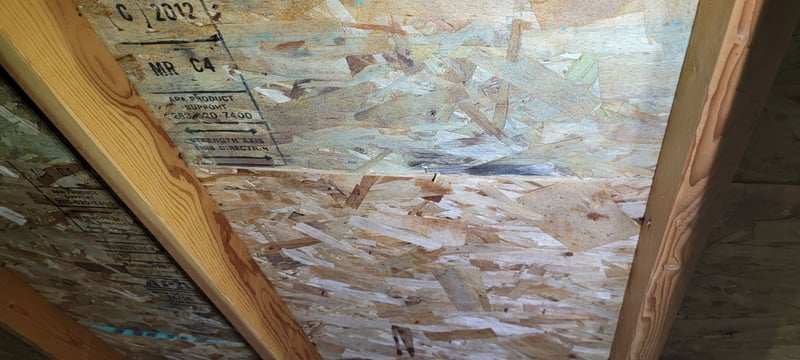
Short answer: Most attic mold warranties are conditional. They stay valid only if the moisture problem that caused the mold gets fixed and stays fixed. RoofSmart's treatment warranty depends on which of three treatment levels you choose: spot treatment, whole-attic two-stage fogging, or full treatment plus a thick encapsulant coat. Spot treatment carries a 90-day warranty, whole-attic two-stage fogging a 3-year warranty, and full treatment plus a thick encapsulant coat a lifetime warranty. Lifetime means the life of the home, and it transfers to the next owner, as long as the warranty conditions are met. Every level comes with the same conditions, so read them before treatment day.
Have you found mold in your attic and assumed a mold warranty would take care of it, only to end up reading the fine print? Or are you about to pay for treatment and wondering what the warranty will actually do for you?
You're not alone. Many homeowners don't realize that attic mold warranties are conditional, and the conditions aren't always explained up front.
We inspect attics as part of our roof inspections, so we see these warranties from both sides: the treatment, and the fixes the warranty depends on. We remove or treat the growth and fix the moisture path and the roof behind it as one RoofSmart job.
Below we cover what attic mold warranties really cover, what they usually require, how RoofSmart's warranty works for each treatment level, and how to avoid ending up with mold and no coverage.
What will the mold warranty for my attic cover?
Most attic mold warranties apply to growth that returns on treated surfaces during the warranty window, and only if you have changed the conditions that caused the mold.
That's where a lot of warranty disputes start. Some treatment-only companies treat the growth. They don't inspect the whole attic or address ventilation, ducts, or leaks, because that isn't their job. If the mold comes back because the moisture source is still there, the warranty may not apply.
"Changing the conditions" can mean a lot of things: air sealing the ceiling below the attic, venting a bath fan outdoors, opening blocked soffits, fixing a leak, or keeping humidity in the house under a set level.
What are the requirements in RoofSmart's mold warranty?
Here's how ours works. The warranty depends on the treatment level the inspection recommends:
| Spot treatment | Whole-attic two-stage fogging | Full treatment plus a thick encapsulant coat | |
|---|---|---|---|
| When it fits | Small, localized growth; sound wood; a moisture source that's found and fixable | Growth across much of the attic or roof deck | Heavy or widespread growth where a sealed finish coat is worth it |
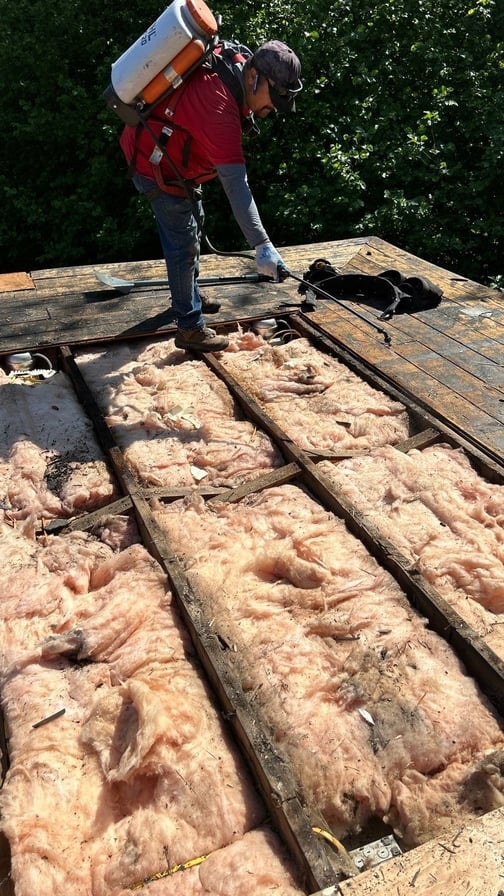
| What it is | Treatment applied to the affected areas only | Whole-attic treatment applied in two stages | Full treatment, then a thick white encapsulant coating over treated surfaces. The white coat makes any regrowth easy to spot, which is how warranty issues get caught early. |
| Treatment warranty | 90-day warranty | 3-year warranty | Lifetime warranty. Lifetime means the life of the home, and it transfers to the next owner, as long as the warranty conditions are met. |
| Honest limit | Doesn't cover the rest of the attic | Doesn't fix the moisture path by itself | A coating doesn't dry a wet attic. The moisture path still has to be fixed |
Conditions apply to every level: indoor humidity under 50%, exhaust vented outdoors, no new leaks, and remaining ventilation defects fixed within 45 days. Every level depends on fixing the moisture path, and the warranty depends on the ventilation and roof corrections on your plan being completed. Full terms are in your written warranty.
The level is a recommendation from the inspection, not a sealed design. Ventilation, duct, leak and roof work are scoped separately on the same plan.
The indoor number is measured in your living space. It is not the attic-air target we use on inspections.
Your written warranty lists the conditions, what happens if growth returns, and what a follow-up visit includes.
How do I prevent attic mold from returning and keep my mold warranty?
Treating the growth is only half the job. If the moisture source stays, the mold tends to return and the warranty conditions aren't met. The usual fixes:
- Air seal the ceiling below the attic. Warm, moist house air leaking up is often the main source of attic moisture, so this is usually the strongest step
- Correct the attic ventilation (clear, balanced intake and exhaust). Ventilating harder without air sealing can pull more damp air into the attic
- Vent bath, kitchen, and dryer fans to the outdoors. A bath fan that runs continuously at low speed and boosts during showers helps keep indoor humidity down
- Fix roof leaks
- Replace soft or delaminated sheathing. Insulation usually stays, because mold grows on the wood and the dust on its surface, not inside the insulation. It's replaced only when it's wet, damaged, or contaminated by pests
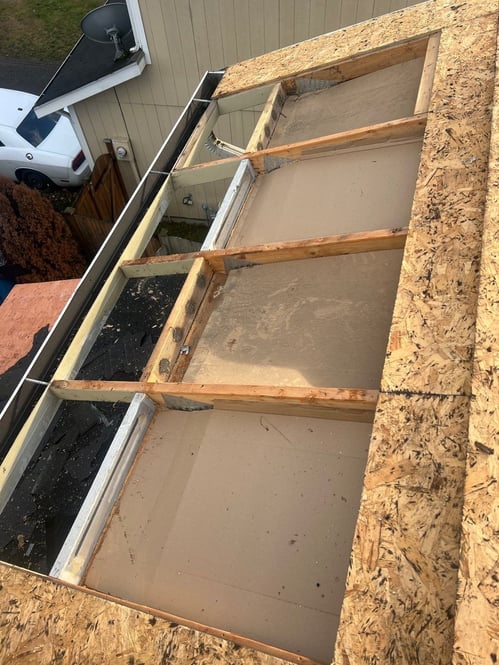
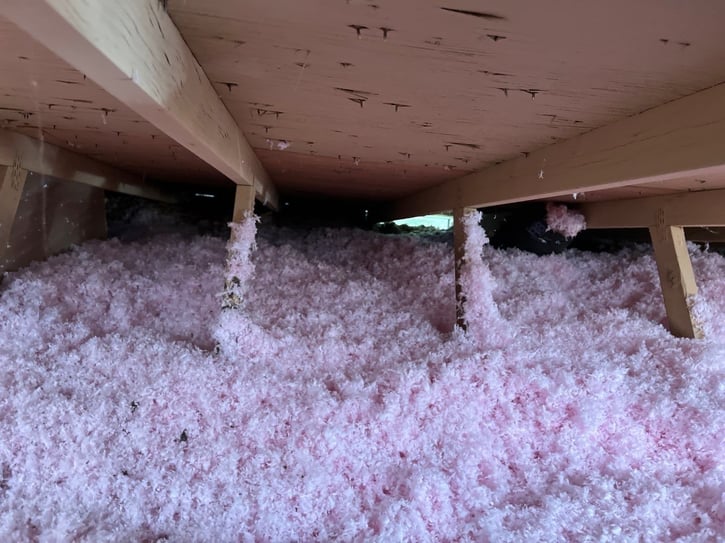
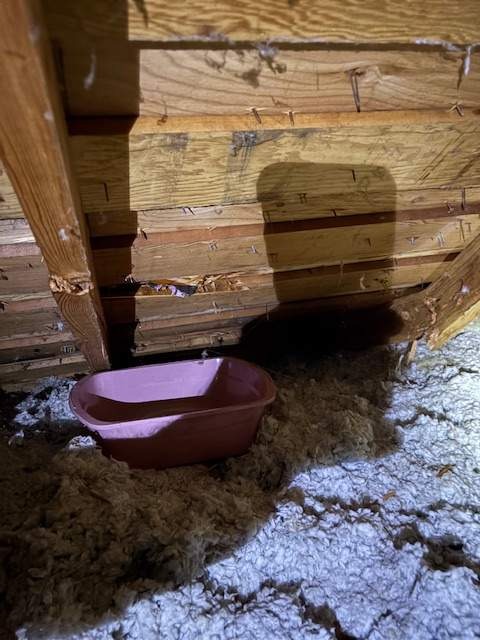
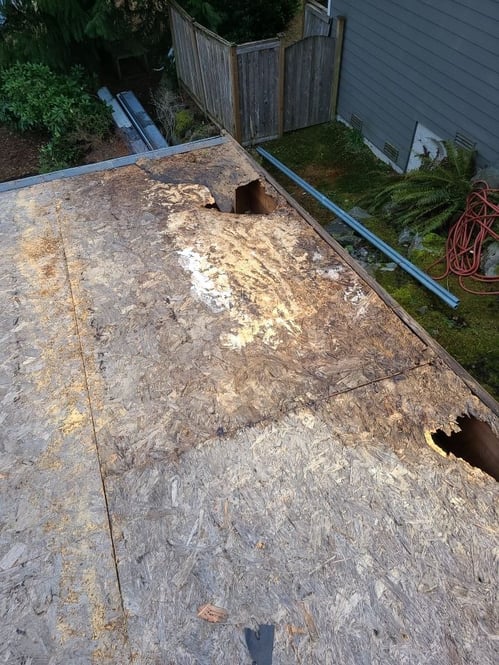
Less obvious sources matter too. A damp crawl space with no vapor barrier, for example, can send moisture up through the house and into the attic.
How long do roof mold warranties last?
Terms vary widely from one company to the next. The length matters less than the conditions. A long warranty with conditions you can't keep is worth less than a shorter one you can. Before you sign, ask three questions: what exactly is covered, what do I have to keep doing, and who fixes the moisture source?
At RoofSmart the length depends on the treatment level. Spot treatment: 90-day warranty. Whole-attic two-stage fogging: 3-year warranty. Full treatment plus a thick encapsulant coat: lifetime warranty. The same conditions apply to every level, and the warranty depends on the ventilation and roof corrections on your plan being completed.
How can a roofer help me keep my attic mold warranty?
Some treatment-only companies treat the growth and then expect you to change the conditions in the attic. That's roofing and ventilation work: air sealing, opening intake, balancing exhaust, rerouting ducts, fixing leaks, and replacing damaged sheathing (and insulation only when it's wet, damaged, or contaminated by pests).
If one company plans the treatment and the fixes together, the warranty conditions get handled as part of the job instead of left to you. Our SmartMatch™ inspection is where we check intake, exhaust, ducts, and moisture before recommending a treatment level.
What should you do if there is already mold in your attic?
A warranty only works if someone fixes the moisture problem.
Start with what to do if you find mold in your attic. Then, if you want to see the options, read how our attic mold treatment levels and warranty work.
Frequently Asked Questions
What does a standard attic mold warranty actually cover?
Most attic mold warranties apply to growth that returns on treated surfaces within the warranty window. Nearly all of them are conditional: they assume the moisture problem that caused the mold has been fixed, and the fine print says what you have to keep doing.
Why do attic mold warranty claims get denied?
A common reason is unmet conditions. Some treatment-only companies treat the growth but don't fix the leak, the blocked soffits, or the bath fan venting into the attic. If mold returns because that source is still there, the claim can be denied.
Does RoofSmart's mold warranty depend on the treatment level?
Yes. RoofSmart offers three treatment levels: spot treatment, whole-attic two-stage fogging, and full treatment plus a thick encapsulant coat. Each level has its own warranty term, and the full terms are in your written warranty. Read them before treatment day.
How long do attic mold warranties last?
Terms vary widely from one company to the next. The length matters less than the conditions. A long warranty with conditions you can't keep is worth less than a shorter one you can.
Does a mold warranty cover replacing moldy or soft wood?
Usually not. Treatment warranties cover the treatment. Sheathing that is soft or delaminated needs to be replaced, and that is roofing work scoped separately.
Will fixing my roof automatically solve my mold problem?
Not necessarily. Fixing leaks matters, but in Seattle-area attics condensation is often the cause, whether from house air reaching a cold roof deck, poor ventilation, or moisture rising from a damp crawl space. Those sources have to be addressed too.
Why hire one company for the roof and the mold?
So the treatment, ventilation, insulation, and leak work are planned together and nobody points fingers if growth returns. At RoofSmart, we remove or treat the growth and fix the moisture path and roof behind it as one job.
What should I do first if I find mold in my attic?
Don't hire the first cleaning company you find. Find out why the attic got wet, then plan the treatment and the fix together.
Want us to look at your attic and walk you through the options? Fill out the short form to pick your inspection time, or call us during normal business hours.
Topics:
