

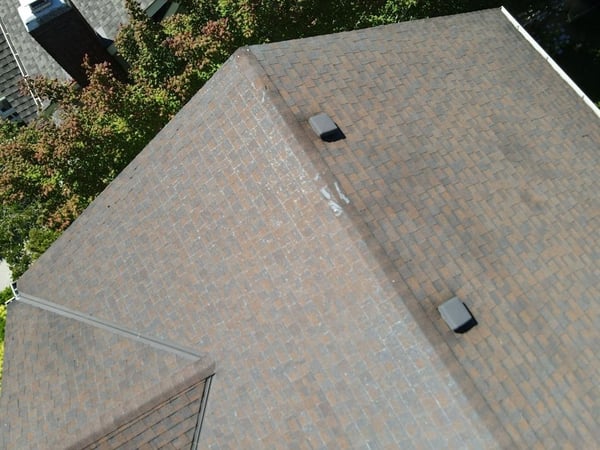
Wondering why your attic feels like a sauna, even when it’s only 75 degrees (or less)outside? Are you beginning to worry that excessive attic heat in the attic can actually ruin your shingles or cause mold?
If you’ve been wondering whether your hot attic is just uncomfortable (or a sign of a deeper issue), you’re not alone. The truth is, attic overheating can be more than just unpleasant: it can seriously damage your roof.
At RoofSmart, we do hundreds of roof inspections every year, which include an inspection of the attic. Most roofers don’t even bother looking in the attic, but we do because we understand that proper ventilation will help your roof work properly for as long as possible.
Most homeowners in the Seattle area do not have proper ventilation in their roofs, leading to excessive heat that causes further damage.
In this article, we’ll explain:
- What attic temperature is too hot in Seattle’s climate
- How overheating leads to real damage, like shingle failure, nail pops, and mold
- What causes poor attic ventilation, and how to fix it
By the end, you’ll understand exactly what to check for and how to cool your attic before costly repairs are needed.
What temperature should my attic be?
The reason you're probably looking at this article is that you popped open the attic hatch on a hot day and thought something like “Oh, my God, it's a sauna up there”. So, you already have a suspicion that it’s too hot.
The exact temperature of each person’s attic varies. You don’t need to keep your attic at one particular temperature all of the time, but it shouldn’t be more than 20 degrees hotter than the outside temperature.
For example, there are many times when it's around 80 degrees outside, and I put a moisture or a temperature scanner up through a customer’s attic hatch to see that it’s at 148 degrees. It should not be that hot.
If you’re not sure how hot your attic is, you can easily test it yourself. You can get a little temperature gun from Amazon or Harbor Freight for 15 bucks. First, check the temperature at the overhang (right underneath the hatch where you have air intake for the attic). Then, pop the attic hatch and shoot it up towards the ridge. You will easily be able to see the temperature difference yourself.
Here’s an example of the heat gun we use during inspections:
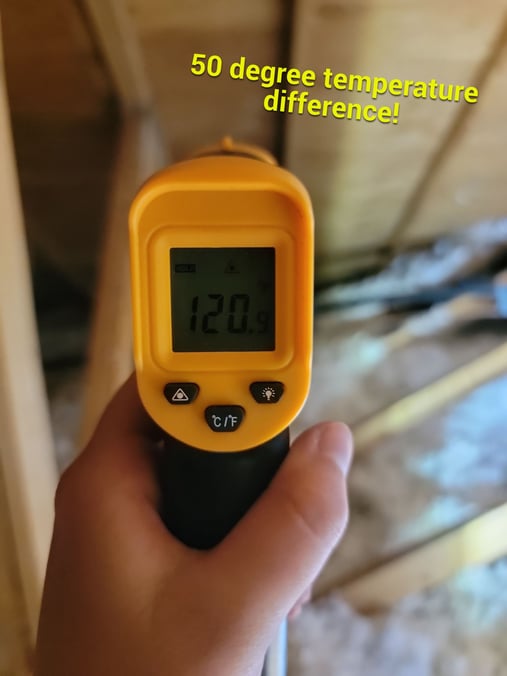
As you can see, this is going to be the most dramatic on a sunny day (this picture is from June). But it's a cheap way to verify the temperature difference yourself. Your roofer should also be checking this during the inspection. If they don’t, then they might not be a good option.
Can my attic be too hot in winter?
It's important to note that you can have excessive heat when it's cold or hot outside. This isn’t just a summer issue. It’s a lot easier to notice in the summer, but your attic can be excessively hot in the colder months as well.
This problem doesn’t go away when the temperature drops. You’ll have to have work done on your attic to fix the problem (more on that later).
What happens when my attic is too hot?
Your attic is not meant to get excessively hot and stay that way for long periods of time. If it does, this can cause damage to your attic and roof.
The attic will be much hotter in the summer, meaning that the damage might look different depending on the time of year. However, a lot of this damage can happen at any time in an excessively hot roof.
Here’s how too much heat in the attic can cause damage:
- Shingle cracks: When the attic gets too hot, it basically ends up roasting the shingles. Shingles are made with an asphalt mixture. When that gets too hot, it will dry out and crack (just like how asphalt driveways commonly crack). It’s good for shingles to be dry, but they’re not supposed to get so hot and dry that they crack.
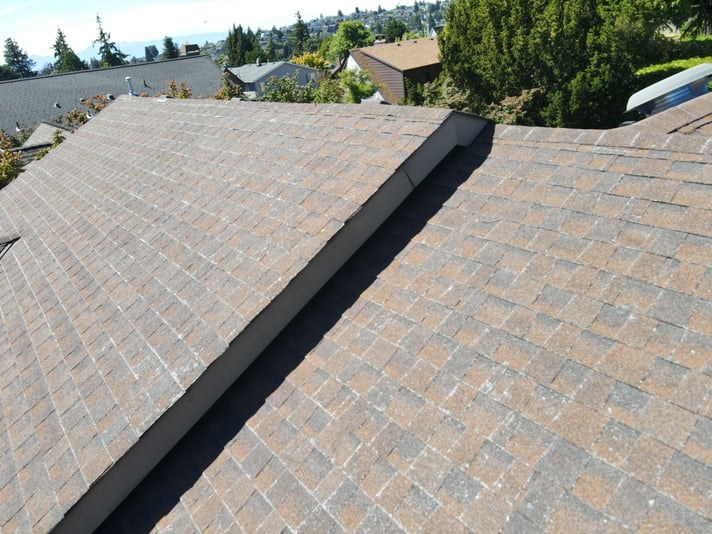
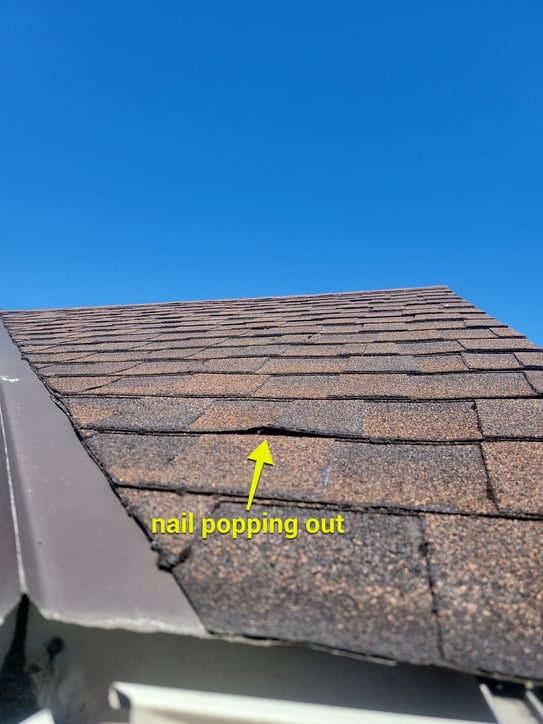
- Granule loss and nail pops: When the sun goes down, you'll get rapid cooling in your hot attic. Maybe you even get a summer shower. It just kind of comes through out of nowhere, and then you get this rapid cooling effect, and so you get thermal shock. The extreme heating and extreme cooling can go in both directions. But the more of that you get, the more likely you are to get granule loss, nail pops, and seal separation. This can also contribute to cracking.
- Mold and rotting wood: A hot attic indicates a lack of airflow, which can be a leading cause of mold. Moisture can build up any time of year, but condensation builds up a lot more when the hot air leaks up through insulation and light fixtures and hits the cold roof deck, creating condensation. This excess moisture can eventually lead to mold growth and rotting wood in the attic. If it’s cold enough, the condensation might even become frost.
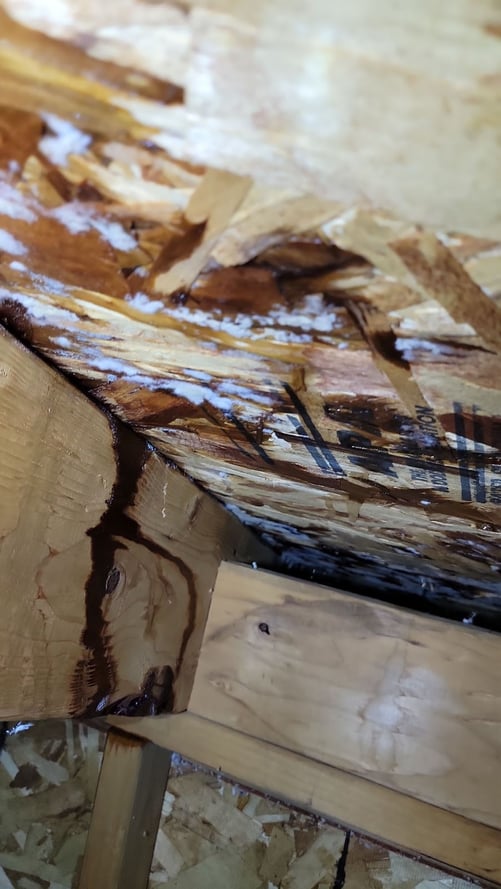
- Ice dams (rare in Seattle): Ice damming can happen in Seattle, but it’s rare because you need to have snow on the roof for it to happen. So the snow melts during the day and refreezes overnight, eventually building up a big ice dam at the edge of the roof. This prevents the roof from draining properly and causes water to back up under the shingles.
How do you fix an attic that’s too hot?
Having an excessively hot attic is a sign that there is some sort of issue with ventilation or airflow in your attic.
To fix your attic temperature, you can try any of the following solutions:
- Updating Your Attic Ventilation: Your ventilation probably isn’t working properly if your attic is too hot, so it will need to be updated to meet building code requirements. This likely means replacing the vents, switching to a new type of ventilation, or adding more ventilation.
- Installing Sufficient Insulation: Making sure that you have the right amount of insulation in your attic prevents heat from transferring down to your living spaces.
- Sealing Around Lights: Sometimes, air can leak from the attic into the living space through the holes that were cut out for light fixtures. Sealing them stops air leaks.
To know which of these solutions is right your your attic, you should consult with a roofer. They will be able to accurately diagnose the issue in your roof and help you find the right solution.
How can I tell if my attic ventilation meets Seattle’s building code?
If your attic feels excessively hot or you’ve already noticed signs of shingle damage, mold, or poor airflow, there’s a good chance your ventilation isn’t up to code. In Seattle’s rainy, temperate climate, proper attic ventilation is critical to protecting your roof and home from long-term moisture and heat-related damage.
But what exactly does the Seattle building code require when it comes to attic ventilation? And how can you know if your current setup meets those standards?
Read our article “What Are Seattle's Attic Ventilation Code Requirements?” to learn what Seattle’s attic ventilation code requires and what to do if your roof doesn’t meet it.

Topics:
