

TL;DR: Summary
Most residential PVC warranties are material-only, covering defects like premature cracking or fading for 10–20 years. However, they are often prorated (value drops over time) and rarely cover the high cost of labor, which is the bulk of a flat roof replacement bill. Because the most common cause of failure is workmanship rather than a product defect, a manufacturer’s warranty offers limited protection.
Homeowners in Seattle should prioritize a certified installer who provides a robust workmanship warranty to cover installation errors and the resulting consequential damages like mold or rot.
What Kind of Warranty Coverage Will I Get on My Home with a PVC Roof?
Are you counting on your PVC flat roof warranty to protect you, but unsure what’s actually covered (or if it will even help when something goes wrong)? Have you heard your roof has a “manufacturer’s warranty,” but no one’s explained what that really means or how much it will leave you paying out of pocket?
At RoofSmart, we understand that it can be frustrating and difficult to try to figure out what your PVC warranty covers. That’s why I decided to make this article. Our goal is to make sure that every customer understands the pros and cons that come with their PVC roof, including the warranty coverage.
In this article, you’ll learn exactly what a PVC manufacturer’s warranty covers (and what it doesn’t), why workmanship errors are more common than product defects, and how to make sure your flat roof is truly protected.
What does a PVC manufacturer’s warranty cover on residential roofs?
| Warranty Aspect | Typical Residential PVC Coverage | What It Means for You | Common in Seattle? |
|---|---|---|---|
| Material Defects (cracking, fading causing leaks) | 10–20+ years (often prorated after 5–10 years) | Partial material replacement only | Yes |
| Labor to Remove & Replace | Usually none or limited to first 1–5 years | You pay most or all installation costs | Common limitation |
| Consequential Damages (mold, rot) | Almost always excluded | You cover interior or structural repairs | High risk in PNW |
| Workmanship Errors | Not covered (installer’s responsibility) | Depends on roofer’s workmanship warranty | Most failures here |
| Normal Wear & Tear / UV Degradation | Excluded | Expected after 20+ years; no coverage | Frequent in Seattle |
| Ponding Water or Poor Drainage | Often excluded | Critical for flat roofs — ensure proper slope | Very important |
A typical manufacturer’s warranty for PVC (or other flat roof materials) covers material defects like cracking or fading that happen prematurely and cause a leak or other additional damage.
These are material-only warranties, meaning that if your claim is accepted, then you’ll only be getting coverage for the cost of the material.
PVC roofs are expected to last 30 to 40 years, so eventually, through natural wear and tear, they will end up cracking and fading. However, if this happens early on (like in the first few years), then it can be a sign of a material defect.
The manufacturer’s warranty is made to protect you in case the material provided by the manufacturer is defective in some way. That way, you’ll get a replacement for free. But it has to be an issue that clearly stemmed from a material defect, not another issue.
There are some warranties that might offer enhanced coverage, but that’s a rare option for residential buildings. It’s more common in commercial buildings.
What’s excluded from coverage under my residential PVC manufacturer’s warranty?
Just like with a lot of other roof material warranties, there is a fair amount of things that are excluded from coverage under the warranty. Most PVC warranties only cover the costs of replacing the actual PVC, so the cost of labor is on you.
This means that if you do have a material defect and your claim is approved by the manufacturer, you’ll still only get partial coverage for the damage.
In addition, there are a number of problems that are not covered under the warranty:
- Damage caused by workmanship: If you notice an issue on your roof, then it could be a mistake that happened during installation, not a problem caused by defective material. In fact, workmanship issues are far more common than having a defective product. But your manufacturer’s warranty for PVC will not cover damage caused by the roofing contractor while they were installing the roof. That’s up to the roofer.
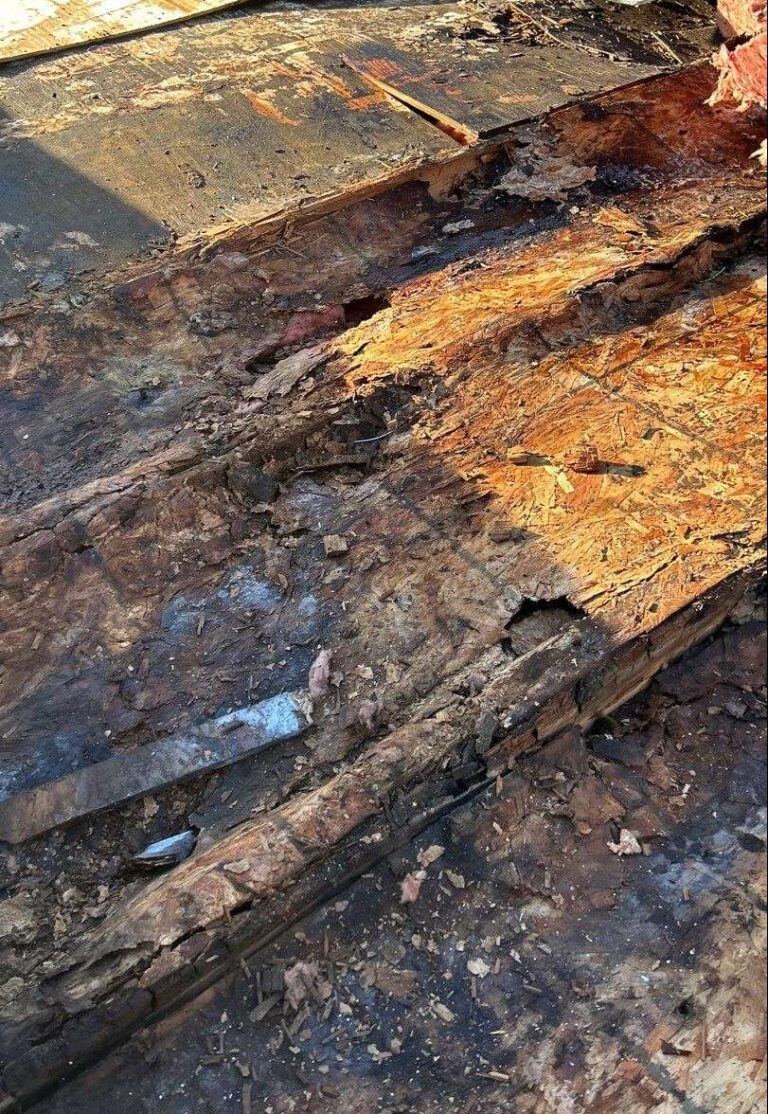
- Consequential Damages: If your PVC roof does turn out to be defective and fails early, causing a leak, in most cases, you’ll only get coverage for replacing the defective material. If you have mold or rotting wood from a leak, that type of damage is not covered. You’ll have to pay to get it fixed.
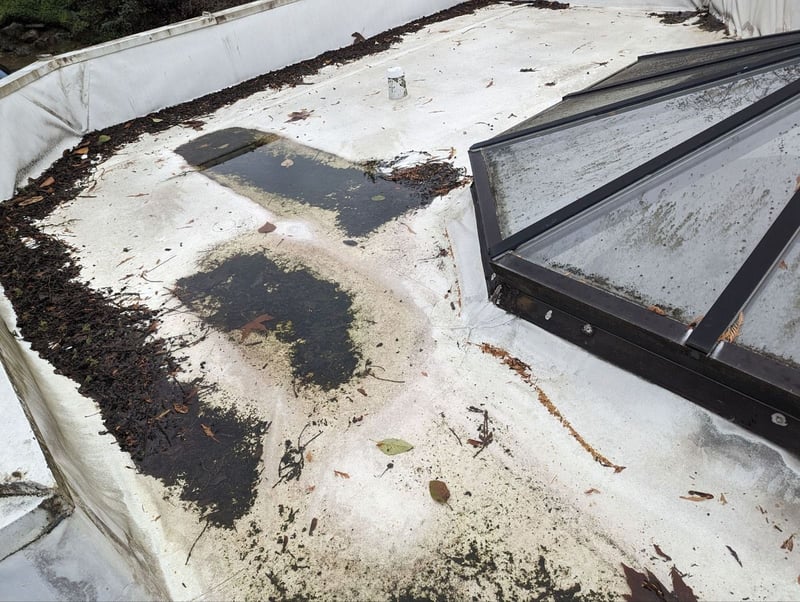
- Normal Wear & Tear: Over time, your PVC roof will wear down and get old. The UV rays from the sun will slowly degrade the PVC membrane, breaking down the plasticizers. This causes chalking and fading, which are both signs that the membrane is getting old and worn out.
- Cosmetic Issues: Manufacturer’s warranties also don’t cover any issues that don’t impact performance. For example, if there is any algae growth, discoloration, or wrinkles on the membrane, then you wouldn’t get coverage. These are not issues that prevent your membrane from protecting your roof, even if they look bad.
Basically, the manufacturer wants to protect itself from being liable for regular wear and tear or other people’s mistakes. They guarantee that they’re selling you a good product, and most of the time, they are. Material defects are rare.
How can I get the best protection for my residential PVC flat roof?
If you're only focused on the warranty, you're asking the wrong question. The workmanship warranty does mean significantly more than the product warranty, because they cover a lot more of the issues that you’re much more likely to face.
But you need somebody who has experience with the product you want to install. You want a roofer who will stand behind their work and has the track record to show that they have experience installing PVC.
The number one cause of failure after workmanship is going to be UV degradation or plasticizer migration. As a result, the PVC can get more brittle and be punctured.
A puncture is certainly not a chronic failure, and UV degradation is considered wear and tear. So it's fairly common for these roofs to be unrepairable after 20 years because you can't weld to the PVC anymore.
They may still be watertight, but they're typically unrepairable after 20 years anyway because of how they break down in the sunlight.
If you hire a roofer who is skilled at installing PVC, then they will make sure that the roof is installed correctly and lasts as long as possible. And they’ll have a solid workmanship warranty to help protect you.
Which PVC Roofing Brand Will Actually Hold Up in Seattle?
Now that you know what most residential PVC roof warranties do and don’t cover, you’ve probably realized that protection isn’t just about paperwork: it’s about choosing the right product and the right installer.
PVC roofs can last 30–40 years, but only if the material holds up to Seattle’s constant rain, UV exposure, and seasonal temperature shifts. The wrong brand, or the wrong installer, can leave you fighting leaks, denied warranty claims, or worse, a full roof replacement far too soon.
If you're serious about getting the most from your investment, the next step is picking a PVC roofing brand that’s proven to perform in the Pacific Northwest.
Read our article “How Do I Know Which 60 mil PVC Roofing Brand Is Best for My Seattle Home?” to compare top options and make a smart, informed choice before your roof goes on.

Frequently Asked Questions
1. What does a PVC residential warranty actually cover?
It covers manufacturing defects in the membrane itself, such as a batch of PVC that cracks or fades years earlier than expected. If the material is found to be defective, the manufacturer provides replacement material, but typically not the labor to install it.
2. Why are labor costs usually excluded?
Standard residential warranties are "material-only." Labor is considered the responsibility of the contractor. "NDL" (No Dollar Limit) warranties that include labor are common in commercial roofing but are very rare and expensive for residential homes.
3. Will my warranty cover water damage inside my house?
No. Manufacturer warranties almost always exclude "consequential damages." This means if a defective membrane leaks and causes mold in your attic or ruins your drywall, you are responsible for those repair costs.
4. Does "ponding water" void a PVC warranty?
Often, yes. Many manufacturers will not honor a warranty if the roof has standing water for more than 48 hours. Proper slope and drainage (like using cant strips) are essential to keeping the warranty valid.
5. Is UV degradation covered?
Generally, no. UV degradation is considered "normal wear and tear" over the 20- to 30-year life of the roof. The warranty only kicks in if the degradation happens at an unnaturally fast rate due to a chemical flaw in the plasticizers.
6. How do I know if I’m getting a fair price for a PVC roof?
Flat roofing involves complex components like insulation and specialized drainage. You can compare local averages in our guide on how much it costs to install a flat roof in Seattle.
7. Does my flat roof need a "Cant Strip" to stay under warranty?
It depends on the material. While required for torch-down, it's often optional for PVC. Learn why in our article: Does My Flat Roof Need A Cant Strip in Seattle?
8. What happens if I find mold in the attic during my flat roof project? Leaks from flat roofs often go unnoticed until mold is present. If your installer finds an issue, follow our checklist for what to do if you have mold in your attic.
9. Why is a workmanship warranty more important than the manufacturer's?
Since most PVC failures are caused by poor heat-welding or flashing rather than bad material, the roofer's guarantee is your primary protection. Read about Workmanship vs. Manufacturer warranties.
10. Are there specific red flags to look for in a PVC roofing proposal?
Vague quotes are a major risk for flat roofs. Use our guide to identify red flags when comparing roof proposals to ensure your warranty and scope are clearly defined.
Topics:
