

TL;DR: Summary
When a roof problem arises, determining who is financially responsible depends entirely on the root cause.
- Homeowner: Responsible for routine maintenance (moss cleaning, debris removal, sealant replacement) and wear-and-tear.
- Insurance: Covers sudden, accidental damage from windstorms, falling trees, or hail.
- Manufacturer: Covers material defects (premature cracking or granule loss), typically for materials only on a prorated basis.
- Roofer: Responsible for workmanship errors (improper flashing or installation) under their specific labor warranty, usually most relevant in the first 5 years.
Have you noticed something strange on your roof and aren’t sure if it’s a small issue or a sign of serious damage? Are you worried that calling a roofer will lead to a huge expense that may not even be covered by warranty or insurance? What if your warranty is expired, or worse, doesn’t apply at all?
If you're asking these kinds of questions, you’re not alone. It can be overwhelming trying to figure out whether your roof issue is a simple maintenance job, a covered warranty claim, or something your homeowner’s insurance should handle.
At RoofSmart, we repair and replace hundreds of roofs each year. Some are covered by insurance or warranty claims, while others just have to pay out of pocket. I understand that it can be confusing and difficult to figure out if you’re eligible for coverage or not, which is why I wrote this article.
This guide will walk you through how to evaluate your roof issue, understand who’s responsible for what, and prepare for your conversation with your roofer. That way, you’re not left confused, frustrated, or paying out of pocket for something that should’ve been covered.
Responsibility Matrix:
| Issue Type | Who Should Pay | Examples in Seattle/PNW | Typical Timeline | Tips |
|---|---|---|---|---|
| Routine Maintenance | Homeowner | Moss/algae cleaning, debris removal, sealant replacement, grommet sealing | Ongoing (every 1–5 years) | Budget for annual checks |
| Sudden Storm Damage | Homeowners Insurance | Wind-blown shingles, falling tree limbs, hail | Immediate after event | Document with photos & file promptly |
| Manufacturer Defect | Manufacturer (material only) | Premature granule loss, delamination, cracking | Usually within 10–15 years | Prorated; labor rarely covered |
| Workmanship / Installation Error | Roofer (workmanship warranty) | Gaps in flashing, improper ventilation, missing underlayment | First 5 years | Strongest protection early on |
| Normal Wear & Tear or Exclusions | Homeowner | Poor ventilation causing accelerated aging, modifications (solar panels) | After 15–20 years | Review warranty exclusions upfront |
How do I know what the best fix for my roof issue is?
If you’re reading this article, it’s because you have some sort of problem with your roof. Now, if your roof is damaged, is growing lots of moss, or has a leak, it can be confusing to try to figure out if you’ll get coverage for it.
This article is meant to help you clarify whether you’ll get coverage for your roof problem or not, so that you can go into the phone call with your roofer knowing what to expect and what kind of help to ask for.
Most of the time, we at RoofSmart get calls about maintenance issues. Unfortunately, those aren’t covered under the warranty. If your roof has been fine for 5 to 10 years and all of a sudden you're starting to have problems, odds are it's a maintenance issue, unless something happened.
Other common calls we get are for replacing an old roof or repairing a leak. These are normal issues that need to be addressed, but aren’t covered under a warranty or insurance.
If something happened to damage your roof, then you might have an insurance claim. A valid workmanship warranty claim can be brought up if you have reason to believe that your roof issue happened because something went wrong during installation.
And so that could either be that the contractor installed it wrong or the manufacturer made a part wrong.
How do I know when maintenance is right for my roof?
Roof warranties are designed to protect you from damage outside of your control. It is considered the homeowner’s responsibility to keep up with regular maintenance. So, the warranty does not cover expenses for maintenance.
Here are some examples of things that are considered regular roof maintenance:
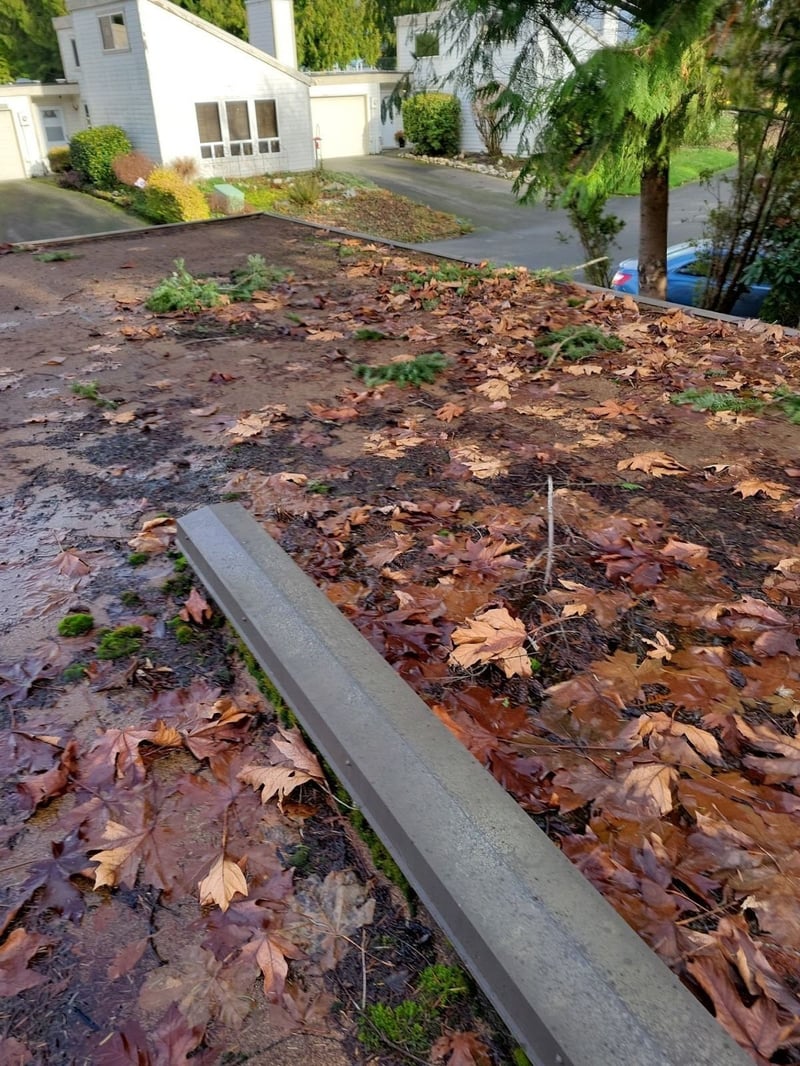
- Cleaning off debris: Roofers can help you clear leaves, pine needles, and other debris off your roof if you are unable to or just don’t want to do it yourself. This also applies to cleaning out gutters or cleaning off gutter guards.
- Cleaning moss or algae: If your roof is growing moss or algae (which is fairly common in Seattle’s dark, damp climate), then you’ll need to treat it to remove the moss or algae. A lot of people choose to hire a roofing company for this, especially if they have moss growing on their roof. Moss needs to be scraped off after it is treated.
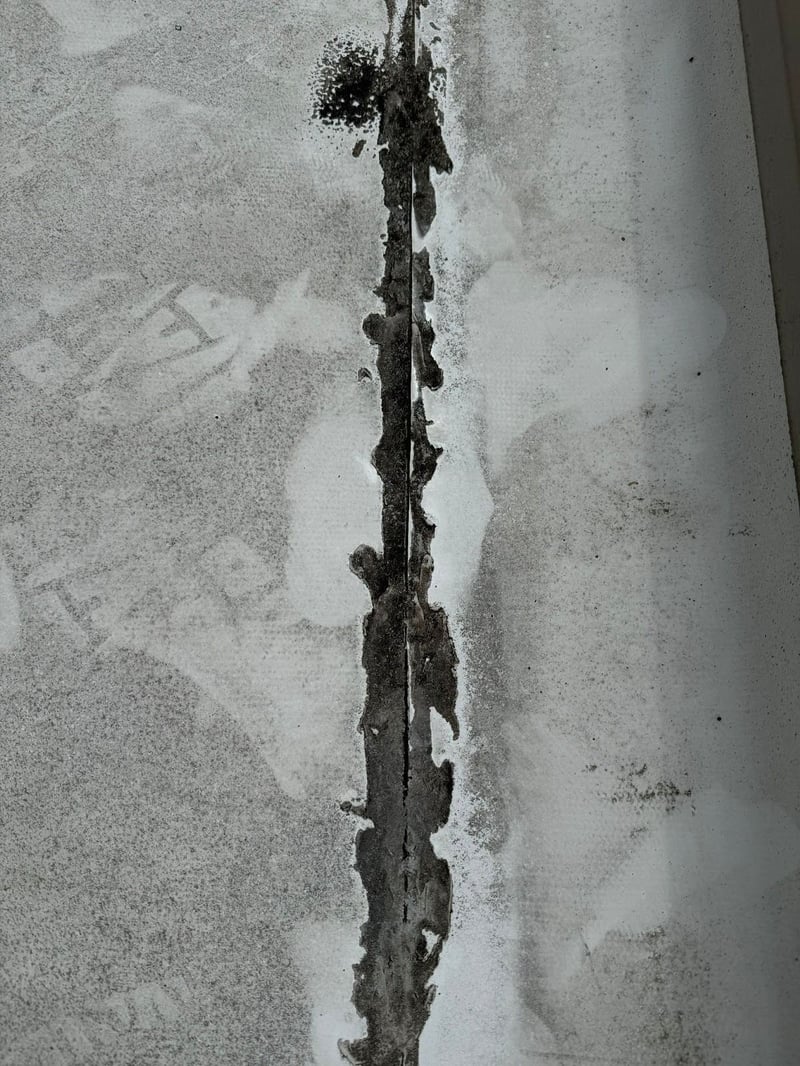
- Caulking or sealing: After a while, caulking and sealant wear off and need to be replaced. For example, on a flat roof, the sealant that you use to fill in the gap where membrane pieces meet must be replaced after 5 to 10 years. Otherwise, your roof is at risk of leaking.
- Sealing grommets: Grommets are the neoprene washers used to cover screws on exposed fastener metal roofs. The grommets wear out after about 10 years and need to be replaced to prevent leaks. This type of metal roof isn’t very common in residential roofs in Seattle. Most homeowners have a standing seam metal roof.
All of these are examples of maintenance that you might need to get done on your roof. However, none of these things would be covered by the warranty. These are all things that you’d have to pay for (unless your roofer offers you one year of free maintenance or something).
When do I need to file a claim with homeowner’s insurance for roof damage?
In some cases, you might have damage to your roof that seems like it should be covered by the warranty, but it’s actually covered by your homeowner’s insurance.
Homeowner’s insurance is used when a sudden event causes damage to your roof. The most common example of this for homeowners in the Seattle area is when a branch hits your roof or a tree falls into your house during a windstorm.
Although one of the steps you should take after that happens is calling a roofer, you’ll want to contact your insurance agent because that’s who will provide coverage for the damage.
Other events insurance covers for the roof are wind damage (shingles get blown off) and fire damage.
What kind of roof issues are covered under a workmanship or manufacturer’s warranty?
Manufacturer’s warranties protect you if your shingles were made incorrectly. Defective shingles can have issues like:
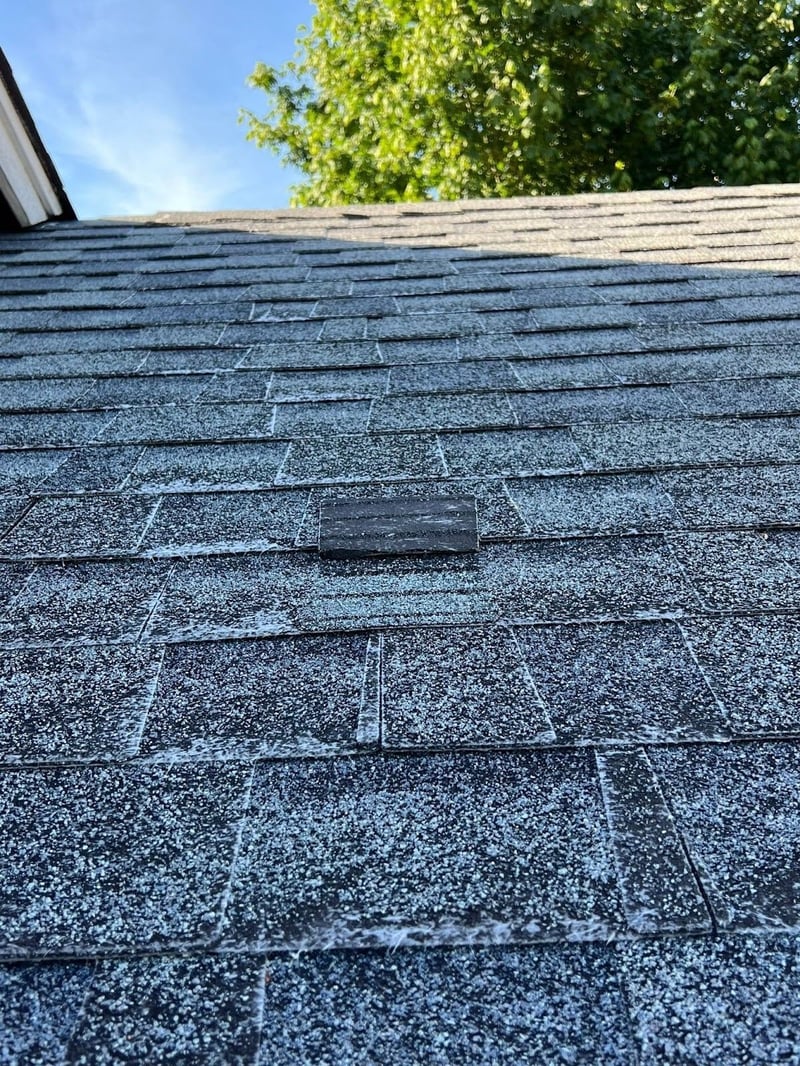
- Premature granule loss: If a lot of granules are gone after only a few years, that’s a defect. Shingles do slowly lose granules over time, but they shouldn’t look worn until at least 15 years (not 2 or 3).
- Delamination: This is when the shingle layers start to come apart. This is not normal, and shouldn’t happen.
- Shingle starts cracking: If your shingle gets really dry after only a few years and starts cracking, this could also be a sign of a defect.
- Failure to seal: Even in cold weather, shingles should seal after a week or two. If they never seal down, then that is a sign that the shingles might be defective.
And then workmanship warranty, that's just about everything else. So that's going to stuff that the installer accidentally messed up during installation that damaged your roof.
Some examples include: if there was a gap in the flashing or if the roof wasn't installed per the manufacturer's specification. It can really be a variety of things (there are a lot of things that might get messed up during installation).
Usually, those things will show up within the first five years. And if you hired a decent contractor that's still in business, they'll come out and take care of it with warranty coverage.
What’s excluded from roof warranty coverage?
Keep in mind that no warranty covers normal wear and tear, which can make it difficult to call in your warranty. Sometimes it’s hard to tell what’s normal wear vs. a defect or installation mistake.
But if it’s been 15 to 20 years and your roof is worn out, then you probably just need to get it replaced.
Plus, all these warranties have lots of other exclusions and requirements for how the roof as a whole must be assembled. If you don’t meet their requirements, then your warranty is voided.
A common example of this is attic ventilation. Most manufacturers require that your attic ventilation be up to code to make their warranty valid. If your roofer skipped over your ventilation, then you probably won’t get coverage.
If ventilation isn't done right, you'll have accelerated aging, accelerated wear and tear, and that roof could be dead really quickly. And nobody would stand behind it, because the roofer could say that it was outside their scope of work.
The manufacturer voids your warranty anyway, and you’re stuck in the middle of a mess you didn’t create with a roof that now needs to be repaired or replaced on your dime.
Other things that aren't going to be covered would be like when somebody put solar panels up there, or an antenna, or screwed an awning through the roof. Any problem that you get after somebody messes with that area is going to be the responsibility of whoever messed with it last.
What’s the difference between a workmanship warranty and a manufacturer’s warranty, and which one protects you more?
Now that you have a clearer idea of how to respond when you notice an issue on your roof, the next question is: who’s responsible for fixing it? The answer often depends on whether the damage is covered under a workmanship warranty, a manufacturer’s warranty, or neither.
Understanding the difference between the two can save you time, money, and a lot of frustration when filing a claim or deciding whether to move forward with roof work at all.
If you’re still unsure what kind of warranty coverage you have (or need), the next article breaks it down in plain terms: “Workmanship Warranty vs. Manufacturer’s Warranty: What’s the Difference For My Roof?”

Frequently Asked Questions
1. Is moss growth covered under my roof warranty?
No. In Seattle’s damp climate, moss and algae are considered environmental "wear" that requires regular maintenance. It is the homeowner’s responsibility to keep the roof clean to prevent damage.
2. What counts as a "Manufacturer Defect"?
A defect is a flaw in the product itself, such as shingles that start delaminating (peeling apart) or losing all their granules within the first few years of installation.
3. Does homeowner's insurance cover a roof leak caused by old age?
Generally, no. Insurance is designed for "sudden and accidental" events. Leaks caused by a 20-year-old roof reaching the end of its life are considered a maintenance and replacement issue for the owner.
4. Why is attic ventilation often an exclusion in warranties?
Most manufacturers require attic ventilation to meet specific codes to keep the warranty valid. If your attic is too hot or damp, it "cooks" the shingles from the inside out, and the manufacturer will void your claim.
5. How long does a workmanship warranty usually last?
While it varies by contractor, most workmanship issues (like a missed flashing detail) appear within the first 5 years. RoofSmart provides a TripleGuard Lifetime Warranty to provide longer-term protection.
6. How do I know if my insurance company will actually pay for a new roof?
Insurance usually pays for a full replacement only if the damage is widespread and caused by a covered peril. Learn what to do if your insurance company tells you to replace your roof or face cancellation.
7. Is my roofer at fault if my roof fails prematurely?
It depends on if they followed manufacturer specs. You can investigate this further by reading: Is it my roofer’s fault that my roof failed?
8. What are the signs of a 15-year-old roof nearing failure?
If your roof is around 15 years old, certain "wear" signs are expected. See our guide on what can go wrong on a 15-year-old asphalt shingle roof.
9. Does a manufacturer’s warranty mean my roof is fully protected?
Not necessarily. Many homeowners are surprised by the exclusions. Read does having a manufacturer’s warranty mean your roof is protected?
10. How do I know if my warranty claim is actually valid?
Filing a claim requires specific evidence and documentation. We’ve outlined the steps in how do you know if your manufacturer's warranty claim is valid?
Topics:
