

TL;DR: Summary
In the damp Seattle climate, a rainscreen acts as a vital "towel rack" for your home’s walls, providing a small ventilated gap between the siding and the structure. This gap uses airflow to dry out moisture that inevitably gets trapped, preventing wood rot, mold, and structural decay.
While older, poorly insulated homes may "cook" moisture out with high heat, modern energy-efficient homes are much more vulnerable to trapped water and almost always require a rainscreen to ensure the siding lasts.
Have you already spent thousands on new siding, only to find it’s rotting, warping, or leaking within a few years? Are you frustrated that no one warned you about how easily water can get trapped behind your siding, especially in a place as damp as Seattle?
If your siding is vulnerable to rot and moisture damage, installing a rainscreen might be the smartest preventative step you can take.
At RoofSmart, we install siding in addition to our regular roofing services. The rain and wind in Seattle make a harsh climate for wooden siding, so we’ve helped many customers in the last 15 years redo their completely rotted siding.
In this article, we’ll explain exactly what a rainscreen is, how it works, when it makes sense (and when it doesn’t), and why it’s often overlooked, even by contractors. You’ll also learn what it costs to install one and what signs to watch for if your siding is already in trouble.
What is a rainscreen, and how is it installed?
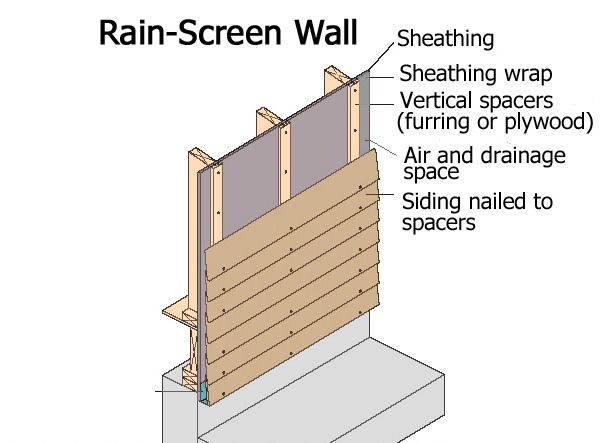
Image from Nakamoto Forestry
A rainscreen is a small ventilated space created by installing thin strips of wood behind your siding. These wood furring strips are installed horizontally and spaced out across the wall. The siding goes on above them.
There are a few different styles of rainscreens, but they all work basically the same. The idea is to create a small gap behind your siding so that water can escape (if it gets in) instead of being trapped and soaking into the siding. It’s also great for allowing air to flow behind the siding and dry up any extra moisture.
This is important for homeowners in the Seattle area because we live in a rainy, damp area. So, it’s safe to assume that some water might get trapped behind your home’s siding at some point.
Think of it this way: If you take a shower and you dry off with a towel, then drop it on the floor, it dries really slowly. You can pick it up many hours later, and it's still wet.
But if you hang it on the towel rack, well, you get a much different result. It dries a lot quicker. And the difference is airflow. Your wall faces exactly the same issue, but the rainscreen acts like the towel rack and helps it dry out quicker and better.
How much does it cost to install a rainscreen in Seattle?
If you're building your wall from scratch, you're really only adding the cost of the mat (that’s another option for a rainscreen that’s a bit cheaper). It looks like this:
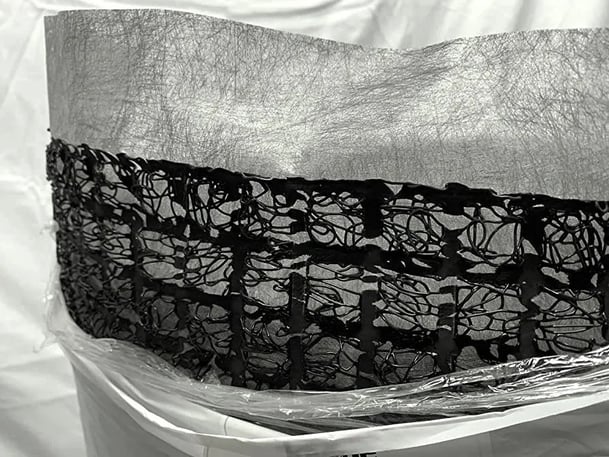
Image from Asiri Designs
Generally, a rain screen mat costs around $500 to $600 per roll. You’ll get around 200 square feet of coverage per roll, so you’ll need to buy several. This will add to the cost of your project, but it’s much cheaper than adding a rainscreen later.
Odds are, your siding contractor or builder is not even going to think of adding a rainscreen, so it's up to you to bring it up. And if they don't know what a rainscreen is when you ask, then you probably shouldn't hire them.
To add a rain screen afterwards is a lot more money because you have to tear the whole wall apart and redo it. It's usually $40,000 per wall. Because there's usually a bunch of rot to deal with.
You have to re-side the house and add the rainscreen. Then, you need to readjust everything (trims, doors, and windows) to fit since you’re pushing the wall out further. All of these steps are necessary, but they make it very expensive.
What are the benefits of having a rainscreen in Seattle?
When you add a rainscreen behind the siding, you're basically building a little space behind for water to escape and air to flow. This protects your roof from damage.
If water gets behind your siding, it gets trapped and has nowhere to go. It’s just sitting there. This can cause all kinds of problems, such as:
- Rotting wood
- Mold
- Structural damage
Basically, if the leak goes on for too long, then your wall will deteriorate behind the siding for months or years without you even noticing. With enough time, this can easily cause widespread damage along your entire wall.
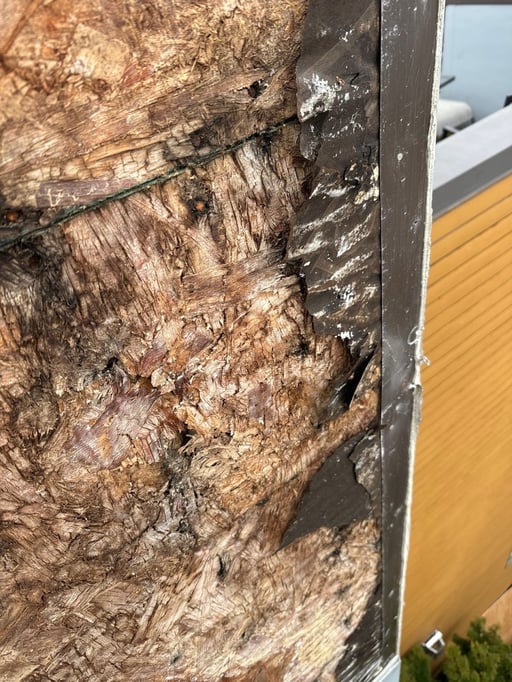
We have seen this happen time and time again. For example, here’s a huge wall that we got called in to replace recently. Pretty much the entire thing is rotten and moldy:
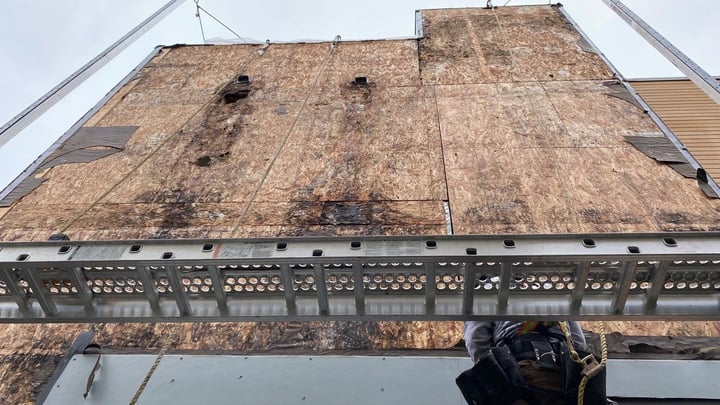
This may seem extreme, but leaks behind your siding can stay hidden for a long time, which gives it time to spread and make things worse.
Here’s an up-close view of the damage:
Does every home in the Seattle area need a rainscreen?
The big question on everyone’s mind is “Can you get away without one?” Well, you are now. But you're probably reading this because you've had a problem with your siding leaking or rotting.
You might be able to get away without one for a while, but eventually it’s going to have devastating consequences.
If your house is made of wood and you know that there are going to be imperfections in that wall cladding that are going to let water through (and it’s pretty likely that there are), then it's a good idea.
Now, if you have an old house with basically no insulation and no vapor barriers, and an oil furnace that you run on high, you actually might be okay.
If you have an old house with bad insulation, you're actually cooking the moisture back out when you use a furnace. In this case, adding a rainscreen would actually make things worse.
Referring back to the towel rack analogy, using the furnace in an old house is like having a heated towel rack. You already have a system that works without a rainscreen.
So the more modern a home is, by energy efficiency standards, the more you need a rain screen.
Is the Water Damage Coming from Your Siding or Your Roof?
If you're living in Seattle or anywhere in the Pacific Northwest, rain is constant, and so is the risk of moisture damage to your siding. Installing a rainscreen can be a smart, proactive step to prevent expensive rot, mold, and structural issues down the line. But it only works if you know when and where to use it.
We’ve helped countless homeowners avoid costly siding replacements by educating them early on about rainscreens. Still, water damage doesn’t always show up where it starts.
If you're already noticing water stains, warping, or interior leaks, then your next move is to figure out where that moisture is coming from. Before you assume it's the siding, it’s important to rule out your roof.
Read our article “Roof Leak vs. Siding Leak: How Can I Tell Which One I Have?” so you can make the right fix before the damage gets worse.
Frequently Asked Questions
1. What exactly is a rainscreen?
A rainscreen is a small ventilated space created by installing thin strips of wood or a specialized drainage mat behind your siding. It creates a gap that allows liquid water to escape and air to circulate, drying up any extra moisture.
2. Why is airflow so important for siding in Seattle?
Seattle's constant rain and dampness mean water will eventually get behind your siding. Without airflow, that water sits against your house like a wet towel on a floor, leading to rapid rotting and mold growth.
3. How much does it cost to add a rainscreen to an existing wall?
If you have to tear down an existing wall to add a rainscreen, it is very expensive—often around $40,000 per wall. This is because the process usually involves remediation of hidden rot and readjusting trims, doors, and windows to fit the new wall thickness.
4. Can I just use a rainscreen mat instead of wood strips?
Yes. A rainscreen mat is a budget-friendly option for new builds, typically costing around $500 to $600 per roll (covering 200 sq. ft.). It’s a smart way to get protection without the labor-intensive process of installing furring strips.
5. Does every home in the Pacific Northwest need a rainscreen?
Generally, yes—especially modern homes. However, if you have an old house with poor insulation and a furnace that runs on high, the heat actually "cooks" the moisture out, and a rainscreen might actually disrupt that existing (though inefficient) balance.
6. What happens if water gets trapped behind my siding?
Trapped water leads to rotting wood, mold, and structural damage. Because these leaks stay hidden behind the siding, the wall can deteriorate for months or years before you notice the damage on the outside.
7. Is it my roofer’s fault if my siding is rotting?
Not necessarily. While RoofSmart handles both, siding and roofing are different systems. However, if your roof flashing is failing, it can send water behind the siding. It's best to check if your leak is coming from the roof or the siding before starting repairs.
8. Why don't more contractors suggest rainscreens?
Many builders skip rainscreens to keep initial costs low or because they aren't familiar with the technical benefits in wet climates. If a contractor doesn't know what a rainscreen is, it's a major red flag.
9. Can a rainscreen prevent interior mold?
Yes. By preventing the exterior wall from becoming a "moisture trap," a rainscreen significantly reduces the risk of condensation and mold issues that often plague airtight, modern Seattle homes.
10. How do I know if my siding is already rotting?
Look for warping, soft spots in the wood, or brown water stains on your interior walls. If you suspect an issue, you should have a meticulous inspection performed to catch the damage before it spreads to the structural framing.
Topics:
