

TL;DR: Summary
EuroSlate is a synthetic rubber roofing product that delivers the appearance of natural slate while offering greater durability, lower maintenance, and better impact resistance than traditional tile roofs.
For Seattle homeowners, EuroSlate resists moisture, algae growth, and storm damage, while its lighter weight often eliminates the need for costly structural reinforcement required by concrete or slate tile roofs. Converting from tile to EuroSlate also provides an opportunity to update roof decking, fascia, and other components for improved long-term performance.
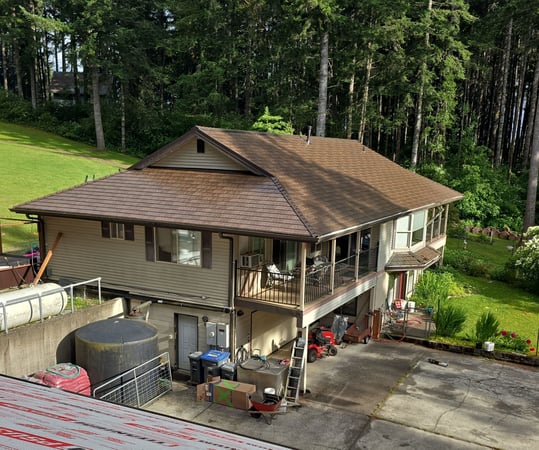
In this case study, replacing an aging tile roof with EuroSlate solved issues like cracked tiles, moss growth, and debris buildup while preserving the home's classic aesthetic.
The key takeaway: if you love the look of tile or slate but want a lighter, more durable, and lower-maintenance roofing system, EuroSlate is an excellent long-term option for Seattle's wet climate.
Is your aging tile roof becoming more trouble than it's worth, with cracked tiles, moss growth, and constant maintenance leaving you wondering if there's a better option? Do you love the timeless look of slate or tile but worry that replacing your roof with another heavy roofing material will still leave you dealing with the same problems a few years from now?
At RoofSmart, we know that deciding on a roofing material can be a tough call. Every year, we help hundreds of customers find the right roof for them by making recommendations based on their budget, aesthetic preferences, and their roof’s unique needs.
In this case study, we'll show you why one Seattle homeowner chose to replace an aging concrete tile roof with EuroSlate, the advantages they gained by making the switch, and what it takes to convert a tile roof to this lightweight, low-maintenance roofing system.
EuroSlate vs. Concrete Tile Roofing
|
Feature |
EuroSlate Roofing |
Traditional Concrete Tile |
|
Weight |
Lightweight |
Very heavy and may require structural reinforcement |
|
Durability |
Flexible and impact resistant |
Durable but can crack from impacts or foot traffic |
|
Water Absorption |
Does not absorb water |
Can absorb moisture over time |
|
Moss & Algae Resistance |
Less susceptible to moss and algae growth |
Moss commonly grows between tiles in damp climates |
|
Maintenance |
Low maintenance and easy to clean |
Requires periodic cleaning and inspection for broken tiles |
|
Foot Traffic |
More forgiving when walked on |
Tiles can crack when stepped on improperly |
|
Debris Collection |
Smooth surface sheds debris more easily |
Debris can collect between and beneath tiles |
|
Appearance |
Mimics the look of natural slate |
Classic tile appearance |
|
Sustainability |
Made primarily from recycled rubber and recyclable at end of life |
Longer lifespan but not typically made from recycled materials |
|
Best Fit for Seattle |
Excellent for wet climates and wind-driven debris |
Performs well but requires more ongoing maintenance |
What are the benefits of installing EuroSlate on your Seattle home?
EuroSlate is a Euroshield roofing product designed to imitate the look of a slate roof. Euroshield roofing products are made of rubber, so they are bouncier and more durable than other products.
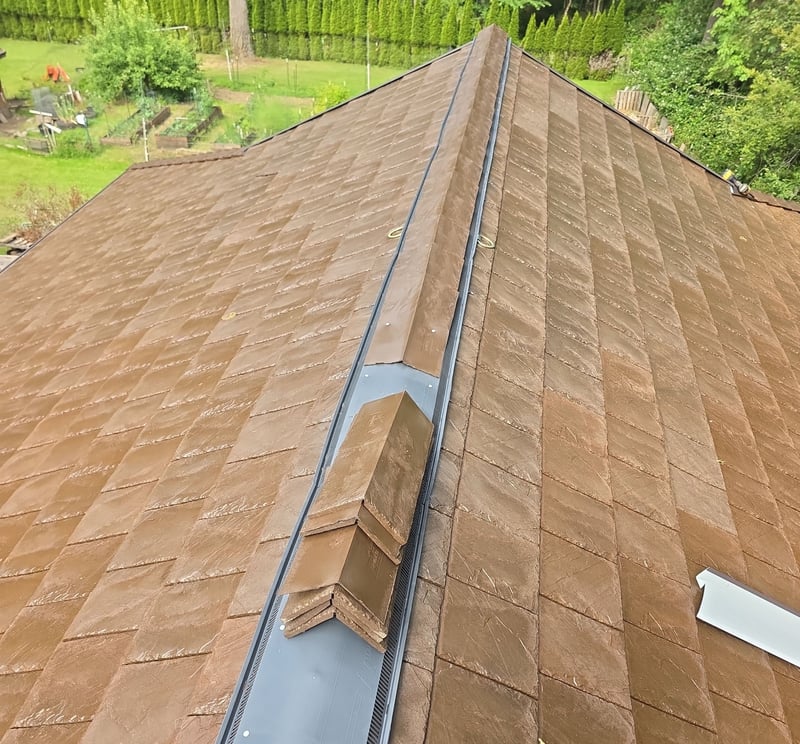
I recently worked with a customer who had a tile roof but decided to replace it with EuroSlate instead of getting tile again.
This customer chose EuroSlate because he wanted a roof that would last a long time and do a good job protecting his roof from damage. He didn’t want his family to have to worry about dealing with the roof for a long time.
Here’s why EuroSlate is a great product for Seattle homeowners:
- Strong and durable: Since Euroshield products are so bouncy, they are great at protecting your roof from impact damage. This is convenient in the fall and winter when Seattle has fairly frequent windstorms that can knock trees over and blow branches into your roof. We’ve even seen a case where a tree branch struck a Euroshield roof in the Seattle area, and there was hardly any external damage. They also have good wind resistance.
- Low-maintenance: Euroshield roofs are grippy, making them easier and safer to walk on. They are also easy to clean off with a hose or a leaf blower, cutting down your cleaning time.
- Water and algae resistance: EuroSlate doesn’t absorb water like concrete tile can, which protects it from damage caused by moisture. Due to its water resistance, it is also much less susceptible to algae growth. It’s still possible for Euroshield products to grow algae, but it doesn’t happen as often and is easy to clean off.
- Great curb appeal: EuroSlate allows you to get the look of a slate tile roof at a fraction of the cost. The material itself is cheaper, and it weighs less than real tile, so you don’t have to worry about taking the extra time and money to reinforce the framing on your house.
- Eco-friendly: The shingles are made with 95% recycled materials (mainly tires), and can also be recycled after you’re done using them. They significantly reduce the amount of waste that goes into landfills.
Is EuroSlate a better option than tile in Seattle’s environment?
Tile is a timeless classic that looks great installed on any roof and lasts a long time, but there are some drawbacks to installing tile on a roof in the Seattle area. Here are some examples of the issues this customer faced with his old tile roof:
- Tiles were old and breaking: Several of the tiles on this customer’s roof were cracked or broken. This is an issue that happens on older tile roofs, but he also noticed that anytime someone walked on the roof, more tiles would break.
- Significant moss growth: Another key indicator that your tile roof is getting old is when it grows moss. This roof had portions with a lot of moss growth, especially in the gaps between the tiles.
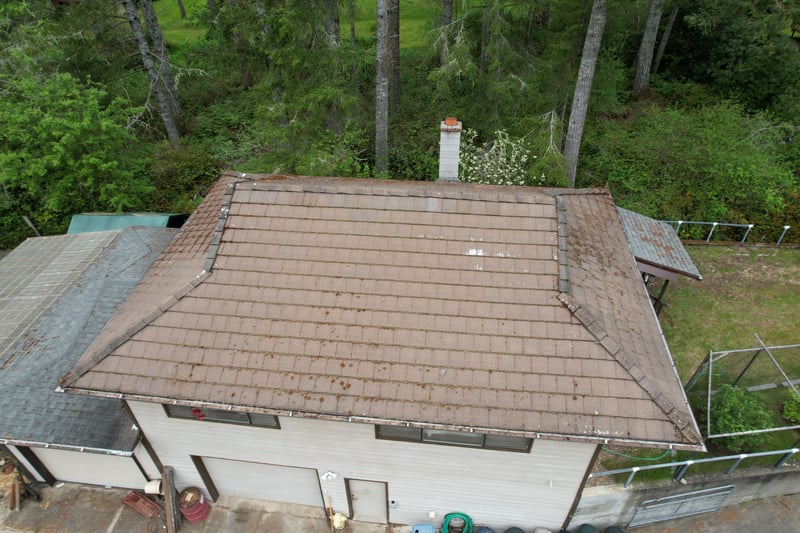
- Lots of debris collecting: Another issue that tile roofs have is collecting debris. Sometimes it even gets under the tile and gathers in the valley, causing clogging. This is something that not a lot of people know about, but it needs to be dealt with every 5 to 10 years. This roof had some debris underneath the tiles when we took them off. In the Seattle area, pine needles are constantly shedding, so debris collecting on the roof is a big issue.
What’s the process for converting a tile roof to EuroSlate?
When your roofer is converting your tile roof to a different roofing material, there are a few steps that they need to take:
1. Replace shiplap roof decking with plywood
2. Remove wooden runners that the tiles sit on
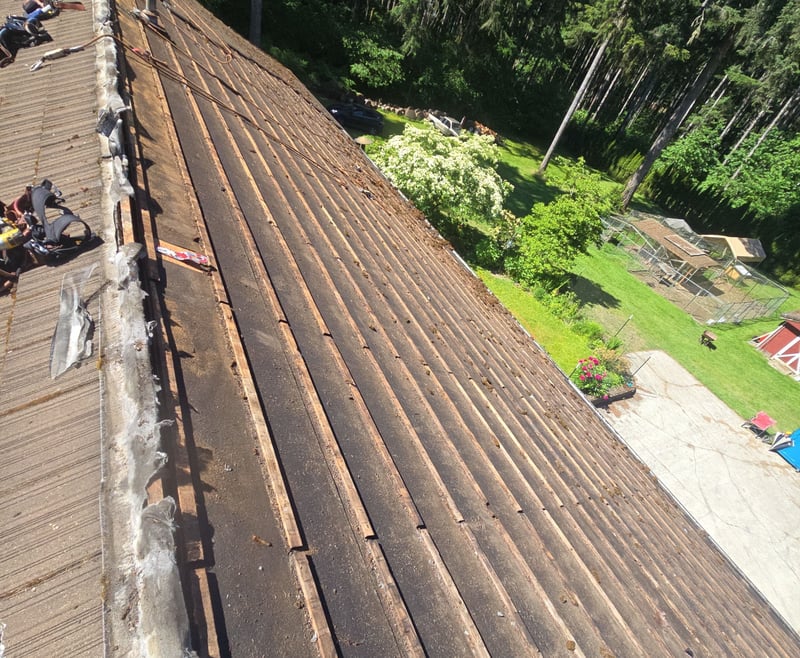
3. Cut fascia down or replace it
On this customer’s roof, the previous roofer did not use shiplap for the roof decking, so our crew did not have to replace the entire roof deck (just the boards that were rotting due to a leak).
The last row of tiles that go around the edge of the roof has a hooked end. The fascia sits up about three-quarters of an inch or so, and the tile hooks over that.
Typically, you have to remove the gutter to either completely take off or cut the fascia board. However, our crew was able to cut the fascia board to make it sit flush with the roof without having to remove the gutter, saving some time.
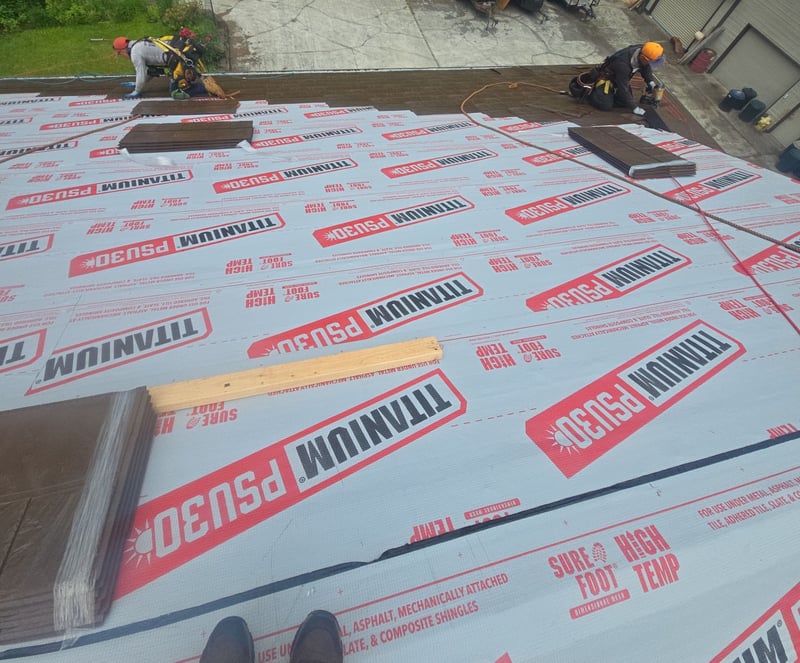
After that, everything else was just like a standard install, and the EuroSlate was ready to go on the roof. The customer loved the way it turned out and was excited to have a low-maintenance, long-lasting version of the tile he originally had on the roof.
What are the pros and cons of choosing Euroshield roofing?
This project shows why Seattle homeowners are moving away from traditional concrete tile and choosing EuroSlate instead.
By switching to a lightweight rubber roofing system, this homeowner kept the elegant look of a slate roof while gaining better impact resistance, lower maintenance, improved resistance to moss and moisture, and a roof that doesn't require the same structural demands as heavy tile.
Of course, no roofing material is perfect. While EuroSlate solved this homeowner's biggest concerns, every roof and every budget is different. Before deciding whether any Euroshield product is right for your home, it's important to understand both its strengths and its potential drawbacks.
Read our article: Pros and Cons of Euroshield: Is It Right For My Seattle Roof?
In this guide, we'll take an unbiased look at the advantages and disadvantages of Euroshield roofing, including durability, maintenance, appearance, cost, and performance in Seattle's climate, so you can decide whether it's the right investment for your home.
Frequently Asked Questions About Replacing Tile with EuroSlate
1. What is EuroSlate roofing?
EuroSlate is a synthetic roofing product made from recycled rubber that is designed to replicate the appearance of natural slate. It combines the traditional look of slate with improved impact resistance, lighter weight, and lower maintenance requirements.
2. Why do homeowners replace tile roofs with EuroSlate?
Many homeowners choose EuroSlate because it offers a similar high-end appearance while reducing some of the common drawbacks of tile roofing. It weighs significantly less, is more resistant to impact damage, and generally requires less maintenance over its lifespan.
3. Is EuroSlate a good roofing material for Seattle?
Yes. Seattle's frequent rain, moss growth, and occasional windstorms make moisture resistance and durability important considerations. EuroSlate's water-resistant surface and flexibility help it perform well in wet climates while reducing the likelihood of cracked roofing materials.
4. How long does a EuroSlate roof last?
The lifespan depends on installation quality, climate, and maintenance, but EuroSlate is designed as a long-term roofing solution. Regular inspections and keeping the roof free of excessive debris can help maximize its service life.
5. Does EuroSlate require less maintenance than tile?
Generally, yes. Because EuroSlate doesn't have open gaps between heavy tiles, it tends to collect less debris and is easier to clean. Homeowners should still inspect the roof periodically and remove leaves, branches, and moss when necessary.
6. Can EuroSlate withstand falling branches and hail?
EuroSlate is known for its flexibility and impact resistance. Unlike brittle roofing materials that may crack when struck, the rubber construction helps absorb impacts from hail and small to medium-sized falling branches. Severe impacts from large trees can still damage any roofing system.
7. Do I need to reinforce my home's structure to install EuroSlate?
In many cases, no. EuroSlate weighs much less than traditional concrete or clay tile, so homes that previously required heavy structural support for tile roofing may not need additional reinforcement when converting to EuroSlate. A contractor should evaluate the roof framing during the planning process.
8. What is involved in replacing a tile roof with EuroSlate?
The exact process depends on the home's construction, but it often includes:
- Removing the existing tile roof
- Inspecting and repairing roof decking
- Removing tile battens or runners
- Modifying fascia if needed
- Installing new underlayment
- Installing the EuroSlate roofing system
Each project is customized based on the existing roof structure.
9. Is EuroSlate environmentally friendly?
Yes. EuroSlate is manufactured primarily from recycled rubber materials, including recycled tires. It also helps divert waste from landfills and can be recycled again at the end of its useful life, making it an appealing option for homeowners seeking sustainable building materials.
10. Is EuroSlate worth the investment?
For many homeowners, EuroSlate offers an attractive balance of appearance, durability, and reduced maintenance. While the upfront cost may be higher than some conventional roofing materials, its impact resistance, moisture performance, lightweight construction, and long-term durability can make it a worthwhile investment for homeowners planning to stay in their home for many years.
Topics:
