

TL;DR: Summary
In Seattle’s damp, cool climate, asphalt shingles typically take one week to seal properly, provided temperatures remain above 40°F. While direct sunlight is the best catalyst for activating the shingle adhesive, high-quality products like CertainTeed Landmark (using CertaSeal) or Owens Corning Duration (using SureNail technology) are designed to stay flexible and bond even in overcast conditions.
If shingles fail to seal, they become highly vulnerable to blow-offs during windstorms, which can lead to hidden leaks and expensive roof deck rot.
How long does it actually take for my shingles to seal in Seattle’s cloudy, wet climate? Am I at risk of roof leaks or shingle blow-off if my shingles never seal properly?
If you’ve asked yourself any of these questions, you’re not alone. Homeowners in the Seattle area are right to be concerned about the performance
At RoofSmart, my team installs hundreds of roofs every year, all year long. We safely and effectively install roofs even during the cloudy, rainy Seattle winters. I can say that in the span of 15 years, we’ve never had any of our shingles that we've installed blow off, ever.
In this article, we’ll break down what factors affect sealing time, how to tell if your shingles have sealed, and what you can do to prevent problems before they start.
How long do shingles take to seal on average in Seattle?
The time it takes for shingles to seal varies based on the quality of the shingles. I've been on roofs that are 12 years old, and they're still not sealed. I've also been on roofs that are a week old that are totally sealed.
If you have a decent shingle, it should be basically sealed down after the first couple of sunny days, even if it's cold. Lower-quality shingles can take a few weeks or longer to seal.
There are a whole bunch of different shingles out there from different manufacturers. They offer more expensive options, as well as cheaper ones. Cheaper shingles have cheaper sealant that might not work as well.
Will my asphalt shingles seal in cold, cloudy weather?
Shingles can still be safely installed and seal properly in cold weather. What really helps them seal in cold weather is being able to sit in the sun. This helps warm them up so that the sealing process can happen.
But what if you live in the Seattle area and you want to install your shingles during the fall or winter when there’s no direct sunlight for days at a time? Well, you can still get your roof replaced in those conditions.
With good-quality shingles, they still seal pretty quickly. Typically, we see shingles seal after about a week, even in the cold, cloudy Seattle weather. Again, lower-quality shingles will take longer to seal.
Ideally, you’ll install your shingles in the summer so that you have warm enough weather for the shingles to seal, even if it’s not sunny. But, as long as it’s 40 degrees or warmer, then you're in pretty good shape.
If it’s colder than that, then you might run into problems, and your shingles might not seal, especially if it’s not sunny.
Do asphalt shingles seal on their own?
Asphalt shingles are designed to seal on their own after the roof is installed. They don’t get sealed by hand. So, as long as your roofer installed your shingles correctly, they should be set up to seal properly.
The shingles on your roof should lie flat. That’s what they’re supposed to look like when they’re sealed. However, sometimes they lie flat when they aren’t sealed, so you can’t always tell by looking at them.
You can really only tell that your shingles didn’t get sealed if they blow off in the wind. Properly sealed shingles are adhered in place. You shouldn’t even be able to lift them up.
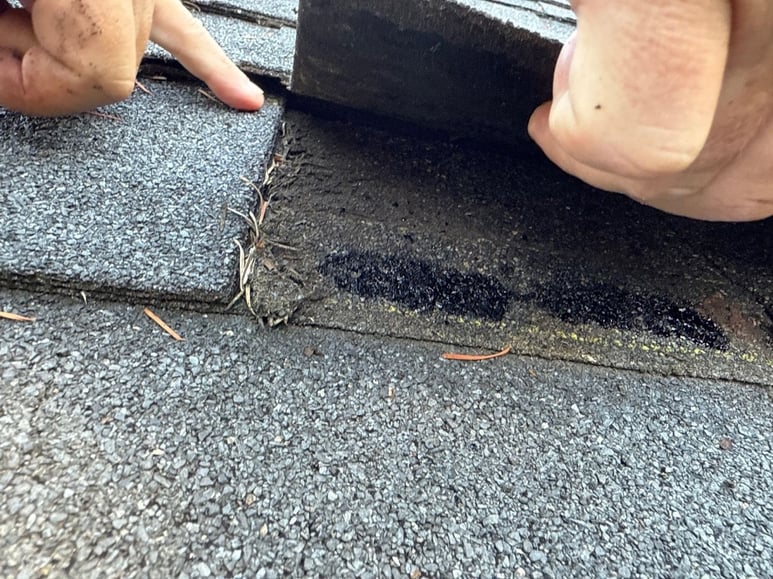
If you can lift them up, then the shingles are unsealed and are at risk of blowing off.
Each shingle has some sort of adhesive at the bottom to help it stick to the shingle underneath it when they are installed on the roof. This is what seals the shingle to the roof, preventing it from blowing off in the wind.
Every shingle manufacturer has its own approach to sealing shingles. Here are some examples of how top manufacturers in the Seattle area design their shingles to seal on any roof:
- CertaSeal by CertainTeed: CertaSeal is CertainTeed’s patented shingle adhesive that is designed to stay flexible over time. This allows the shingle to shift naturally with changes in weather and temperature without cracking or breaking.
- SureNail Strip by Owens Corning: The SureNail strip by Owens Corning is what makes their shingles so resistant to wind. They include three layers of material in the nail strip to help reinforce the nails. This also helps the adhesive from the shingle above it stick better because it’s latching on to the top layer, which is fabric. This is a stronger place to seal than on the granules because they can come loose.
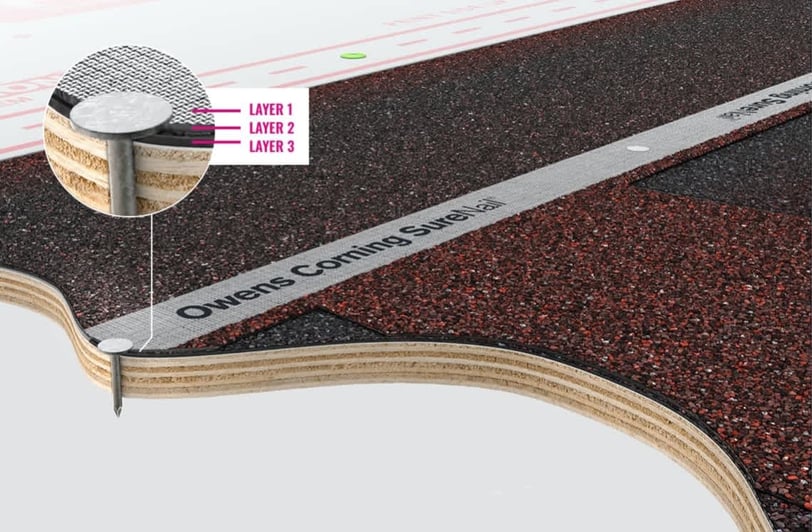
Architectural shingles and designer shingles made by top manufacturers typically have great technology to help the shingles seal better, no matter the weather.
Thinner, lower-quality shingles might not have the same ability to seal well. Plus, thinner shingles don’t have as much asphalt for embedding granules, so it’s easier for them to come loose and shed.
This is problematic because the granules are what the adhesive is designed to adhere to, allowing the shingle to remain sealed.
What happens if my asphalt shingles don’t seal properly?
If your shingles were never sealed properly, then they are at risk of blowing off during a windstorm:
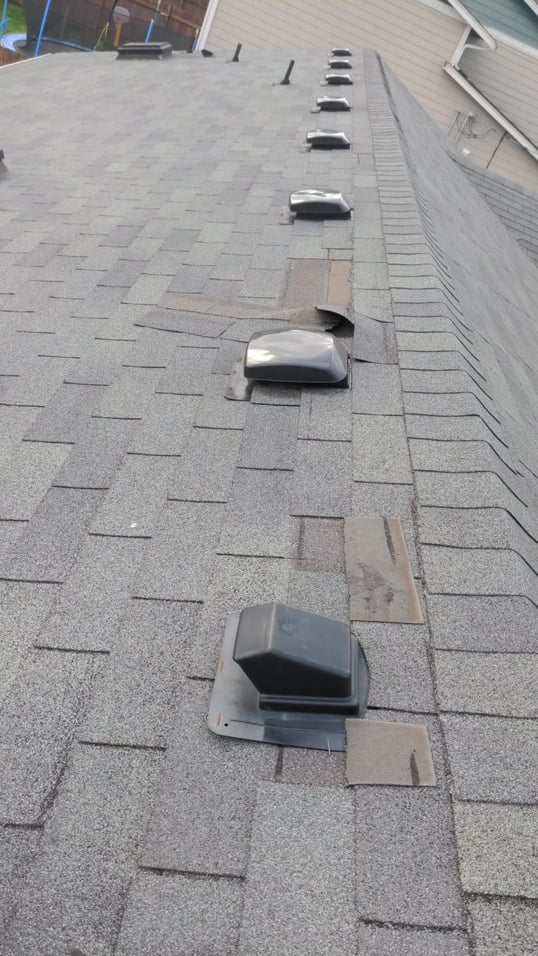
Missing shingles leave your roof vulnerable to leaks, especially in a rainy area like Seattle.
Roof leaks can happen for a long time before you even notice them. This will cause your roof decking to rot, and it will need to be replaced. All of this makes your roof repair even more expensive and time-consuming.
How can you be sure your roof was installed by someone truly qualified?
Even if your shingles have sealed correctly, that doesn’t always mean your roof was installed the right way. A bad installation might not show up immediately, but over time, it can lead to costly repairs, leaks, or even a complete roof failure. That’s why it’s so important to make sure your roofer was truly qualified in the first place.
But what does “qualified” really mean in the roofing industry? In Washington State, pretty much anyone can legally call themselves a roofer (experience not required).
So how do you tell the difference between a seasoned professional and someone who just filled out paperwork?
Read our article “Is Your Seattle Roofer Actually Good? Here’s How to Tell Before It’s Too Late” to learn exactly what makes a roofing contractor truly qualified, what credentials and experience to look for, and how to verify that your contractor is legit before trusting them with your roof.
Frequently Asked Questions
1. How long do shingles take to seal on average in Seattle?
With a high-quality shingle, you can expect a full seal after the first couple of sunny days. Even in cold, cloudy weather, most reputable brands will seal within one week. However, lower-quality shingles can take several weeks or, in extreme cases, may never seal properly.
2. Can shingles seal if it’s cloudy and cold?
Yes, as long as the temperature is 40°F or warmer. While sunlight speeds up the process by warming the asphalt, modern adhesive technology allows shingles to bond in typical Seattle winter conditions. If it is colder than 40°F without sun, the sealing process may stall.
3. How do I know if my shingles have actually sealed?
You often can't tell just by looking, as unsealed shingles may still lie flat. A sealed shingle is firmly adhered to the one below it; if you can easily lift the edge of a shingle with your finger, it has not yet sealed and is at risk of wind damage.
4. What is the risk if my shingles don't seal?
The primary risk is shingle blow-off. During a Seattle windstorm, wind can get underneath unsealed shingles and rip them away, leaving your underlayment and roof deck exposed to rain and potential leaks.
5. Does the brand of shingle affect the sealing time?
Absolutely. Manufacturers like CertainTeed use CertaSeal, a high-grade adhesive designed to remain flexible. Owens Corning uses a SureNail fabric strip that provides a superior surface for the adhesive to latch onto compared to standard granules.
6. Will my roof leak if the shingles haven't sealed yet?
Not necessarily. The shingles are overlapped and installed over a waterproof underlayment, which provides the primary protection. However, until they seal, they are not "wind-proof," and a strong gust can create the opening needed for water to enter.
7. Is there anything a roofer can do to help shingles seal in winter?
In extremely cold weather, some manufacturers recommend "hand-sealing" with a dab of asphalt roof cement, but this is rare for standard residential installs. The best method is choosing a qualified roofer who uses premium materials designed for the local climate.
8. Why do some 10-year-old roofs have shingles that never sealed?
This is usually due to cheap materials or poor installation. If the shingles were thin and low-quality, they might not have had enough adhesive, or the adhesive may have been "dead" (expired) at the time of installation.
9. Can too much shade prevent shingles from sealing?
Yes. If your roof is heavily shaded by trees, it won't benefit from the "thermal gain" of the sun. In these cases, it is even more important to use higher-end shingles with aggressive sealants.
10. What should I do if I notice shingles lifting after a storm?
If you see lifted or missing shingles, you likely have a sealing failure. You should have a professional inspection immediately to prevent water from reaching your roof deck and causing rot.
Topics:
