

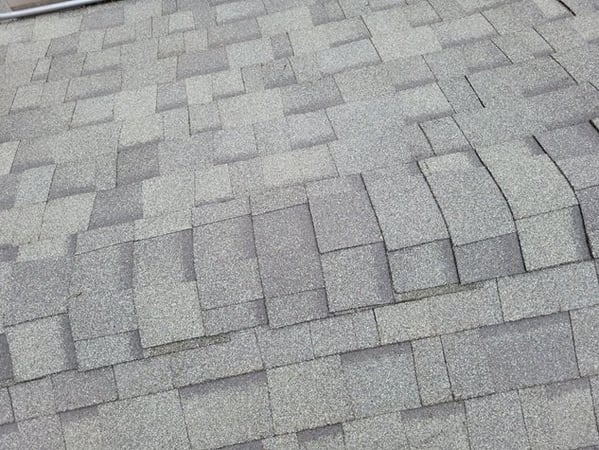
Did your brand-new roof start leaking right after installation? Are your shingles sliding off, or does something just look off, but you're not sure what? Are you worried the roofing company you hired may have skipped corners or isn’t picking up the phone anymore?
Paying thousands of dollars for a new roof should bring peace of mind, not headaches. Unfortunately, bad roof installations are more common than most homeowners realize, and dealing with the aftermath can feel overwhelming.
At RoofSmart, we repair and replace hundreds of roofs every year. Our goal is to provide each customer with the best value possible for their money by installing a top-quality roof. Unfortunately, not every company delivers excellent quality each time.
It’s hard to know where to turn when the roofing company that you trusted and gave tens of thousands of dollars to blatantly messes up your roof. So, we wrote this guide to help you through this process.
In this article, we’ll walk you through exactly what steps to take if your roof job was botched, how to document problems, and what to do if the company refuses to make it right.
What steps do I take if I notice my roof job was completely botched?
Getting a new roof is a big investment, so the last thing you want is to hire someone who does a terrible job. However, sometimes you can end up with a bad roofer who messes up your roof.
If you suspect that your roof was installed poorly and has some issues, here’s what you can do:
1. Identify and document any roof issues: Make note of what makes you suspect that your roofer did a bad job. Is there a leak? Do the shingles look sloppy? No matter what the roof issue is, take pictures of anything that you think is wrong. Get on the roof to take pictures if possible.
Here’s an example of moldy wood on the roof of one of our recent customers. This happened because their previous roofer did a poor installation job that caused the roof to leak:

2. Get a second opinion from another roofing contractor: You want to make sure that your suspicions are correct. Contact a reputable roofing company and ask them to take a look at the pictures you took. Call them and ask them what they think of the pictures. Make sure that you explain your concerns, especially if you don’t have any pictures to send them. Sometimes roofs might look different than you'd expect, but that doesn’t mean that anything is wrong. If you’re unsure, this step can help you determine whether there’s an actual problem.
3. Check workmanship warranty: While you’re confirming if there actually is a problem with your roof, this is a good time to review your workmanship warranty that your roofer provided. Make sure you see what is covered and how long the warranty lasts. If your warranty has expired, you should be able to get the issue fixed for free (as long as it was caused by poor workmanship). Every workmanship warranty has different coverage, so you should understand what you’re entitled to before calling your roofer.
4. Check the contract your roofer created: There's a distinction here between what you expected to see and what the contract says. So, for example, you might expect that they're going to replace all of your siding and paint it, but the contract only says they're going to replace the siding. Well, if you expected paint, but it's not in the contract, there's no defect cure. So compare your expectations with what you actually signed up for. If you signed a vague contract, then you might be out of luck if you think that your roofer missed a step or forgot to do something. If your roofer messed something up on your roof during installation, that’s a different story because they might’ve done everything on the contract, but it’s poor workmanship.
5. Contact the roofing company: If you are certain that there’s something wrong with your roof, it’s time to contact your roofing company. Reach out to them and let them know there is a problem. Send them the pictures you took and explain what you think the issue is. They should send someone out to inspect the damage and fix it. Hopefully, this will happen before your workmanship warranty expires so that you don’t have to pay. After you reach out to your roofer, remember that they’ll need some time to get you on the schedule to fix your problem.
A reputable company should reach out to you right away and get you on the schedule within a few weeks (depending on how busy they are and how urgent your roof issue is).
According to the Cure Notice, which is part of the Washington State legislature, you're supposed to give a contractor up to 45 days to cure any defects. So, if you live in the Seattle area, your roofer technically has 45 days to take action on your roof.
If you're worried about roof leaks getting worse while you wait, you can tarp your roof or hire another roofer to tarp your roof so that you have temporary protection. Our recent customer had tarps all over their roof because the leaking was so bad:

What should I do if my roofer won’t fix the bad roof work?
Ideally, you’ve chosen a reputable roofing company that honors its workmanship warranties and fixes mistakes if they happen. Unfortunately, that doesn’t always happen.
If you’ve followed the steps above and your roofer still won’t get back to you or refuses to fix the problem after the legally allotted 45 days, then it might be time to escalate the situation.
Here are your options if your roofer refuses to fix the problem even after you’ve reached out and given them plenty of time to fix it:
- File a claim with your roofer’s insurance company: One way to get your roofer to help you is by reaching out to their insurance company. In Washington State, you can look up your roofer’s insurance by looking them up using the state’s L&I Verify tool. Use the link to look up your roofing company. When you look up the contractor, it'll list their insurance company's name and their policy number. You can just Google the insurance company to get their phone number. Then, call them and file a claim for defective workmanship or a construction defect.
This is completely free to you and does not require a lawyer. The insurance company will come out to take a look at your roof and decide if they will accept your claim or not. Make sure you share all of the evidence and documentation that you have of your roof issues to help them out. The more evidence you can provide, the stronger your claim will be. This is your chance to make your case to a third party for free, so you should give them everything you've got. - Hire a lawyer: If you prefer, you can hire a lawyer and sue. If you hire an attorney, you're going to be paying that attorney. You're going to get probably better and more specific advice, but for most people, they want to explore their free options before they go with the big guns. One thing to note is that it's also sometimes difficult to find an attorney in this field who isn't already on the payroll of one of the insurance companies. This means that they can't sue that insurance company due to a conflict of interest.
*This is not legal advice. It's based on my personal experience.
What should you ask before hiring a roofer in Seattle?
If you've discovered that your roof was installed poorly, or you’re starting to suspect something’s not quite right, the next step is making sure it never happens again. Whether you're planning to have the current roofer fix it or you're already searching for someone new, the best way to protect yourself is to ask the right questions before signing a contract.
Understanding how to spot red flags, verify licensing and insurance, and gauge a company’s experience can save you from costly repairs, legal headaches, or worse.
Before you choose your next roofer, make sure you know exactly what to ask. Read our article “How to Disqualify a Roofer” to find out what these questions are.

Topics:
