

TL;DR: Summary
New construction homes in Seattle are not legally required to include a warranty (except for condos), so you can’t always rely on one for protection.
If no warranty is provided, homeowners still have legal protections, like the implied warranty of habitability (for major livability issues) and a 6-year window to file construction defect claims.
Coverage varies widely when warranties are offered, and not all protections transfer to future homeowners, especially implied warranties.
The key takeaway: don’t assume your new home is fully protected. Review the warranty and sales documents carefully to understand your legal rights, and act quickly if you discover defects.
Are you assuming your new home comes with a warranty that will cover any problems, but not sure what the process is if something goes wrong later? Do you feel uncertain about what protection you actually have if your new home was built poorly or starts showing defects after you move in?
Many Seattle homeowners believe that buying a new construction home automatically comes with strong warranty protection, but that’s not always the case. In fact, builders aren’t legally required to provide a warranty in most situations.
At RoofSmart, we’ve been repairing and replacing roofs in the Seattle area for 15 years. We also offer other services like siding, framing, and carpentry, which means that we’ve seen and fixed a lot of problems in homes beyond just the roof. A surprising number of homes with major issues are new builds that seem like they should be fine.
In this article, we’ll break down what protections your home actually has (with or without a warranty), including implied warranties, construction defect claims, and legal timelines, so you know exactly what to expect and how to protect yourself as a homeowner.
What protects you (with or without a warranty) as a Seattle homeowner?
|
Protection Type |
What It Covers |
Who It Applies To |
Time Limit |
Key Limitation |
|
Builder Warranty (Optional) |
Workmanship, systems, structural defects |
Original owner (sometimes transferable) |
1–10 years depending on type |
Not legally required |
|
Implied Warranty of Habitability |
Major defects affecting livability |
Original owner only |
~3 years |
Does not cover cosmetic issues |
|
Construction Defect Claim (Cure Notice) |
Installation or design defects |
Any homeowner |
Up to 6 years |
Must follow legal claim process |
|
Transferable Warranty |
Depends on original builder terms |
Subsequent owners |
Varies |
Not always included |
|
Seller Disclosure Laws |
Known defects disclosed at sale |
Subsequent buyers |
At time of purchase |
Relies on seller honesty |
Is my new construction home legally required to have a warranty in Seattle?
No. Builders can voluntarily provide a warranty, but they are not legally required to give you one for your newly built home in Washington State. The only exception to this is on condominiums, which do legally require a warranty (RCW 64.35.305).
Some builders might opt to offer a warranty on your newly built home. Typically, here’s the amount and type of protection you might expect:
- Workmanship, materials, and general defects: 1 year
- Major systems (plumbing, electrical, HVAC): 1–2 years
- Structural defects (foundations, load-bearing elements): 5–10 years
The coverage outlined above is pretty similar to the level of protection that is required for condominiums.
Sometimes you might get a basic 1-year workmanship warranty, but it really just depends on who your builder is. It’s pretty likely that you won’t get a warranty at all. The coverage length depends on the type of protection offered in the warranty.
What protections do I have for my Seattle home with no warranty?
So, if your home doesn’t have any warranty protection, what are you supposed to do if you discover that it was built poorly and has issues? Well, you are still able to make claims and report defects. Here’s how:
- Implied Warranty of Habitability: This is the implied understanding that the home is built reasonably and is fit for living (aka it’s habitable, safe, and sanitary). This cannot be disclaimed or waived. It primarily covers substantial defects affecting the livability of the home, not minor cosmetic issues. Claims typically have a 3-year statute of limitations.
- An example of a substantial defect would be broken framing or something structurally broken (like if it was installed while defective).
- Statute of Limitations for Construction Defects: Under RCW 4.16.310 (aka the Cure Notice), you have 6 years from the time that construction of the home was completed to make a claim regarding defects arising from construction or design. This includes things like a breach of contract, negligence, or other related claims.
- Construction defects can be any issue related to poor installation. For example, if the installers stray from the engineer’s installation plan to make things easier or cheaper, this might impact the quality and safety of the home.
To file a claim against a builder or company for these issues, you must follow a particular set of steps:
- Reach out in writing: Notify them in writing of the defects
- Waiting period: Under the Cure Notice in WA State, they have 45 days to respond
- Company response: If they don’t respond, you can take legal action. If they do respond, then they need access to the property and time to do the repairs. You do not have to accept their offer.
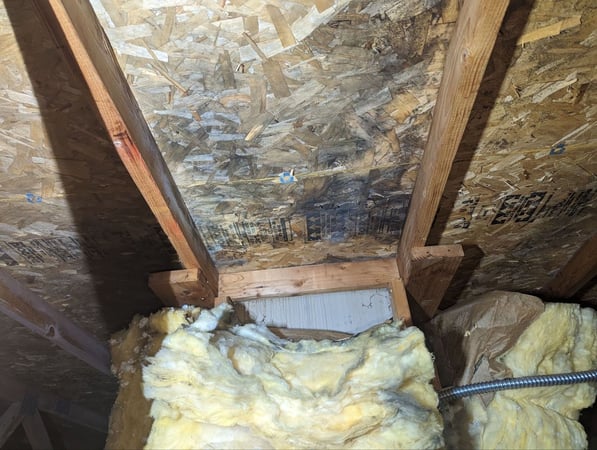
Many people think that buying a new home means that they have something built to the highest modern standards, but that is just not true. Builders cut corners all the time: it could be to save time or money on the job, or it might even happen accidentally.
The point is that you shouldn’t necessarily trust that something is built well just because it’s new, especially when you’re not legally owed an actual warranty. The longest you have to file a claim about major issues is 6 years, which is actually a very long time considering how long you might be planning to live there.
What warranty rights do you have if you buy from a previous owner instead of a new build?
If you are not the first owner of the home, you might still have some level of protection if the original owner has a warranty that is transferable to you or you have purchased the home within the 6-year statute of limitations window. However, the implied warranty does not pass to you (that only applies to the first owner of the home).
Let’s break these options down further:
1. Buying within the 6-year statute of limitations: Under the Cure Notice, the owner of the home has 6 years to notice and report any significant building defects. This act protects any homeowner, even if they’re not the original owner. But, you only have 6 years of protection, so if the house was built more than 6 years ago, then this no longer applies to you. Make sure that you check the original sale documents to see if this notice was included. If not, your protection might be impacted.
2. Passing a warranty to subsequent owners: If the builder provided a warranty to the original owner, it’s most likely transferable to subsequent owners. So, you might be able to get some level of protection depending on what the warranty covers and how long it lasts. Again, you’ll want to check the warranty terms from the original owner to verify if it is transferable and if the coverage is still available.
3. The first owner only had an implied warranty of habitability: Implied warranties cannot be passed down. This agreement is only between the builder and the first owner of the home. After that, if there are any issues with the home, you’d only have the option of taking it up with the previous owner who sold the home to you. The original owner is supposed to disclose any known defects to the buyer. If you feel that they were dishonest about defects, then you might be able to pursue that.
What should you do if your new roof was installed incorrectly?
As you’ve learned, having a new home doesn’t automatically mean you’re fully protected. Warranties may be limited, nonexistent, or difficult to claim, and even legal protections like construction defect claims come with strict timelines and processes.
This article covers what protections you have if you notice that your house was built poorly or has defects, but what happens if your roof was installed poorly?
If your roof was installed incorrectly, the steps you take next can make a huge difference in whether the issue gets resolved quickly or turns into a costly, long-term problem. Knowing how to document the issue, who to contact, and what your options are can help you protect both your home and your investment.
Read our article “What Should You Do If Your New Roof Was Installed Incorrectly?” to learn exactly what to do if you suspect poor workmanship, how to handle warranty or legal claims, and how to make sure the problem gets fixed the right way.

Frequently Asked Questions About Warranties for New Construction Homes in Seattle
1. Are new homes required to have a warranty in Washington State?
No, new homes are not legally required to have a warranty in Washington State.
Builders can choose to offer one, but it is voluntary. The only exception is condominiums, which are required by law to include warranty protections.
2. What does a typical new construction home warranty cover?
If a builder offers a warranty, it usually includes:
- 1 year for workmanship and materials
- 1–2 years for major systems (HVAC, plumbing, electrical)
- 5–10 years for structural defects
However, coverage varies widely depending on the builder.
3. What happens if my new home doesn’t have a warranty?
You still have legal protections.
Even without a warranty, you may be able to file claims under:
- The implied warranty of habitability
- Construction defect laws
These protections help cover major issues that affect the safety or livability of your home.
4. What is the implied warranty of habitability?
It is a legal protection that ensures your home is safe and livable.
This applies to major defects such as:
- Structural failures
- Unsafe conditions
- Serious construction issues
It does not cover minor or cosmetic problems.
5. How long do I have to report construction defects?
In Washington State, you typically have up to 6 years to file a claim for construction defects under the statute of limitations.
However, timing can vary depending on the type of claim and when the issue is discovered.
6. Can I file a claim if I’m not the original homeowner?
Yes, in some cases.
If you are within the 6-year statute of limitations, you may still be able to file a construction defect claim, even if you are not the original owner.
However, implied warranty protections only apply to the first owner.
7. What should I do if I discover a defect in my home?
You should:
- Notify the builder in writing
- Allow them time to respond (typically 45 days)
- Allow access for inspection or repairs
If they fail to respond or resolve the issue, you may be able to take legal action.
8. Can I rely on a builder’s warranty to fully protect my home?
Not entirely.
Builder warranties are often limited in scope and duration. They may not cover all defects, and some issues may appear after the warranty period ends.
That’s why it’s important to understand your legal protections beyond the warranty.
9. What are the biggest risks of relying only on a warranty?
The biggest risks include:
- Limited coverage periods
- Exclusions for certain types of damage
- Builders denying responsibility
Some major issues may not become visible until after warranty coverage expires.
10. Is a new home always built better than an older home?
No, not necessarily.
Even new homes can have:
- Poor workmanship
- Missed installation details
- Hidden defects
Builders may cut corners or make mistakes, which is why inspections and understanding your protections are so important.
Topics:
