

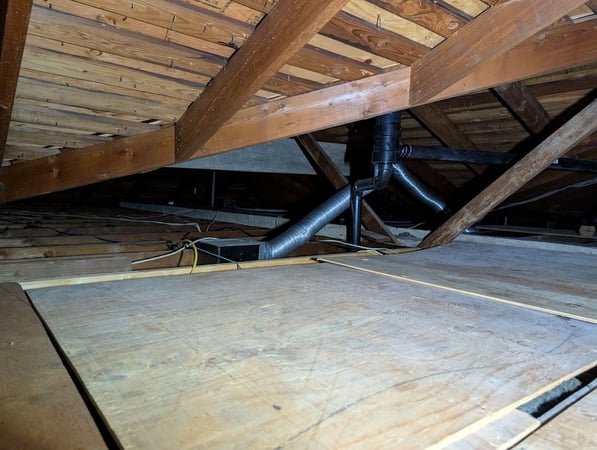
Are you worried that your attic might not have enough space for air to flow properly, putting your roof at risk for mold, rot, or premature failure? Have you noticed signs like musty smells, excessive heat upstairs, or moisture in your attic, and wondered if your ventilation system simply can’t work with your roof design?
Proper attic ventilation depends on more than just having vents installed; it also requires enough space for air to actually move through the attic. In many Seattle homes, especially those with low slopes or complicated rooflines, limited attic space can prevent airflow from working correctly.
At RoofSmart, we replace hundreds of roofs every year. With each roof replacement, one of our top priorities is to make sure that every customer’s attic ventilation is up to code and working properly, including for more complex situations like attics that don’t vent properly even when everything is set up correctly.
In this article, we’ll explain how much space an attic needs for ventilation to work, the warning signs that airflow is failing, and what ventilation options can help protect your roof from moisture and heat buildup in Seattle’s climate.
Signs Your Attic Has (or Doesn’t Have) Enough Airflow
|
Condition |
What It Means |
Common Signs |
Risk Level |
What to Do |
|
Proper Airflow |
Balanced intake and exhaust working together |
Dry attic, no odors, stable temperatures |
✅ Low |
Maintain system |
|
Limited Vertical Space (<3 ft rise) |
Not enough height for airflow |
Stale air, inconsistent ventilation |
⚠️ Moderate |
Consider active ventilation |
|
Blocked Intake Vents |
Air cannot enter attic |
Insulation blocking soffits |
❌ High |
Clear intake pathways |
|
Poor Exhaust Venting |
Air cannot escape |
Heat or moisture buildup |
❌ High |
Add or upgrade exhaust vents |
|
Excess Moisture |
Ventilation not removing humidity |
Mold, mildew, damp insulation |
❌ Very High |
Improve airflow immediately |
|
Overheated Attic |
Heat trapped inside |
Hot attic even in mild weather |
⚠️ High |
Improve ventilation balance |
|
Passive System Failure |
Stack effect not working |
No airflow movement |
❌ High |
Upgrade system design |
|
Active System Dependency |
Fan required for airflow |
Fan noise or failure risk |
⚠️ Moderate |
Maintain or monitor system |
Why does it matter if the ventilation works in my Seattle attic?
If you live in Seattle (or the surrounding area), then it is important that your attic ventilation works properly to protect your roof from mold and water issues or damage from excessive heat.
There are two main ways that moisture enters your roof: it rises up from your home into the attic, or it comes in through a leak in the roof. You produce moisture in your house when you cook, shower, and speak, which all migrates up into the ceiling.
If your attic has good airflow, then the moisture will evaporate, and everything is fine. However, if your attic ventilation isn’t working right (or doesn’t exist), then your roof is at risk of building up excess moisture.
This can lead to issues like:
- Mold
- Mildew
- Rotting wood
- Structural damage
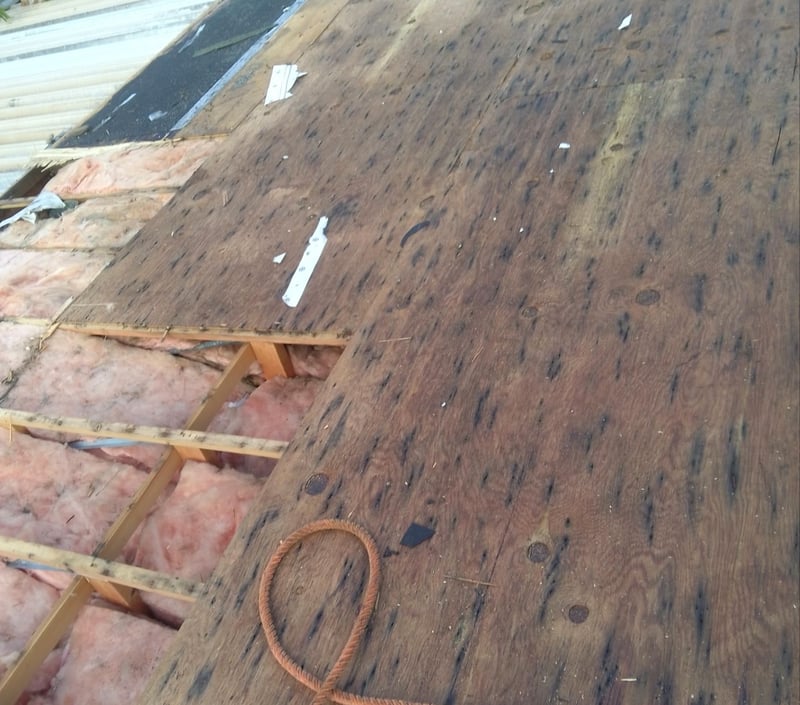
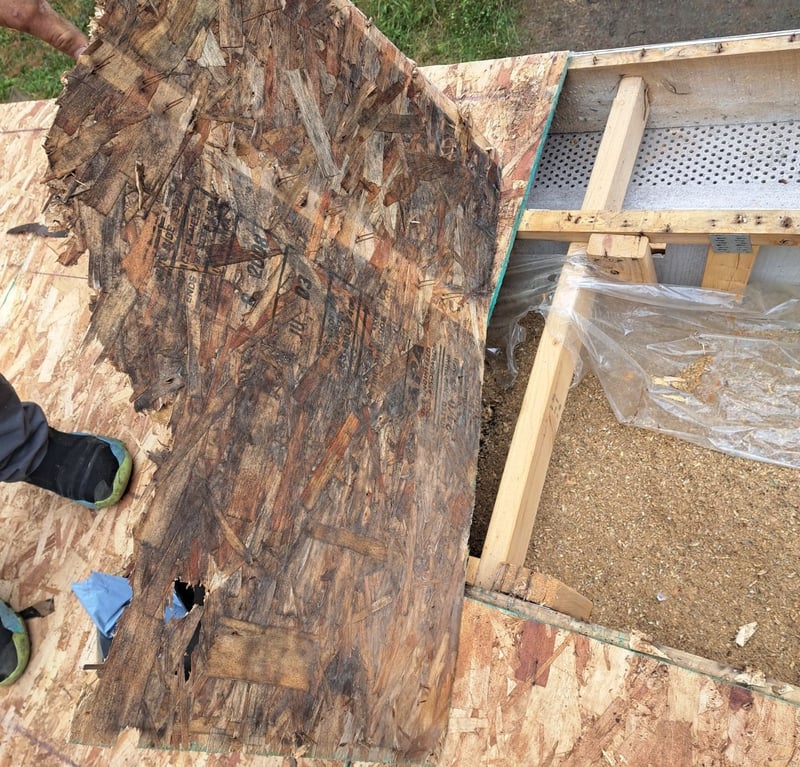
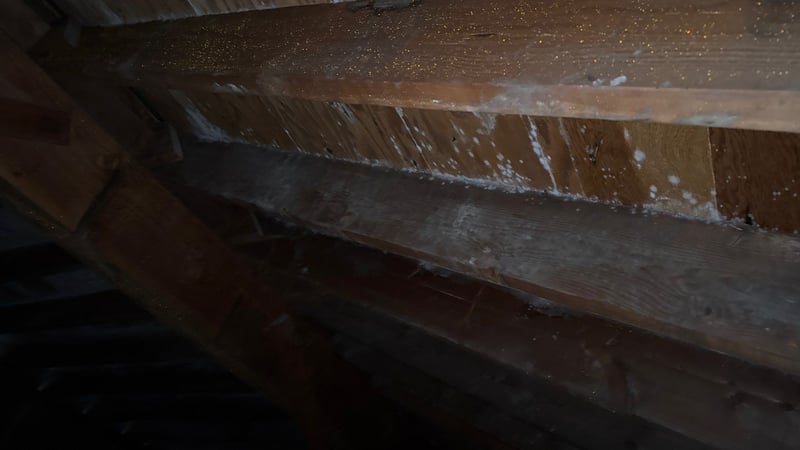
We have these issues happen in countless attics due to poor ventilation:
One other major concern with a roof that has poor ventilation is that it can get too hot. Although the Seattle area is known for its gray, rainy weather, the summers are sunny and beautiful.
This is great, except if your attic isn’t ventilated properly, because it means that it’s at risk of roasting the shingles from the inside. And even if your attic cools down in the fall and winter, it can still stay too warm all year.
As a result of consistently hot temperatures, your asphalt shingle roof can dry out, crack, and lose granules too quickly. All of these issues will cause the roof to fail prematurely.
This can happen in the Seattle area, but since it isn’t a super hot climate, the main concern is keeping moisture out of the attic.
How much space do attics need for a ventilation system to work?
For a standard attic ventilation system to work on a sloped roof, you need several feet of vertical rise between the intake and exhaust vents. In Seattle, we’ve seen it work at as low as 3 feet, but anything lower than that won’t work.
Attic ventilation usually relies on the differences in air pressure (aka the Stack Effect) to help warmer air flow up through the attic by creating a natural draft within the attic.
The inside of the building has a higher pressure than the outside. The air wants to make it outside, and heat rises, so you get that sort of forcing function going up. It’s similar to the way that chimneys have to be a certain height to work properly.
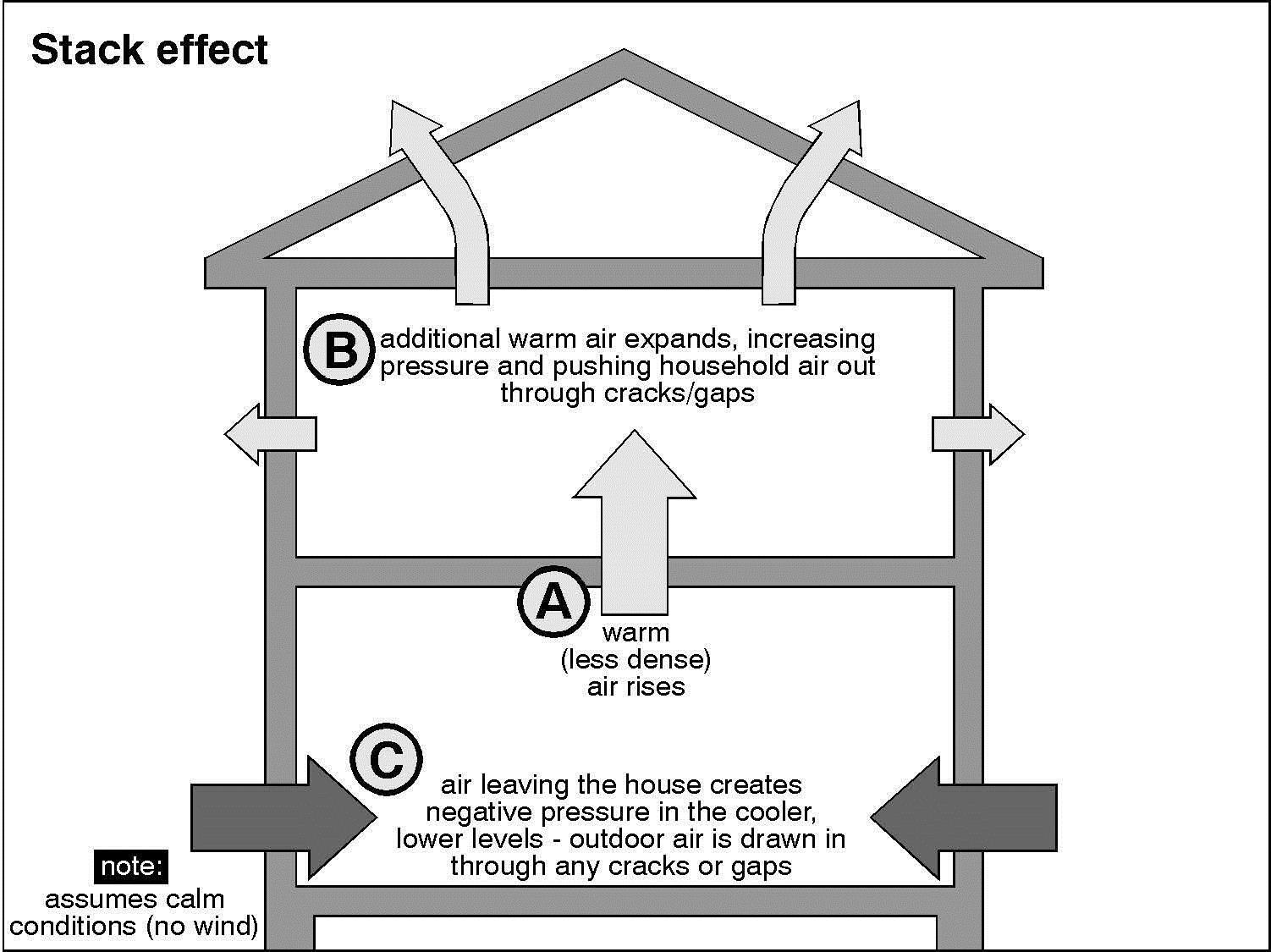 Image from Above All Insulation
Attic ventilation is set up with intake vents near the bottom of your roof and exhaust vents near the top of your roof so that the air will enter at the bottom, flow upward, and exit out of the top of the roof.
This system works in most attics, as long as it has enough vertical rise for the air to be able to flow up to the top of the roof. Flat roofs and roofs with very low slopes have a different setup to protect them from damage caused by moisture.
Another thing that can help is the sun hitting the roof and heating up the attic. That will create a natural stack effect because it's being warmed from the outside.
What are the different ventilation systems I can use in my attic?
You need enough of a pressure difference in the air for attic ventilation to happen. There are two different types of standard attic ventilation systems used in low-slope roofs: passive and active.
The one you choose depends on your attic setup:
- Passive ventilation: Passive ventilation is when your attic only has non-mechanical vents. Everything operates based on the natural flow of air through the attic. For it to work, you need to have a greater natural difference in the air pressure between the intake and the exhaust. That is going to be very easy if it's a steep roof. Passive ventilation is an ideal system because you don’t have to worry about your fan breaking down or losing power (this can be a problem because you might not notice for a while).
- Active ventilation: Active ventilation is when you use a fan (common options in the Seattle area are electric or solar-powered fans). This creates a vacuum effect in the roof that mimics the air flow pattern of the Stack Effect. Power fans work well for an attic that has limited room for setting up exhaust ventilation or needs some extra power to keep air flowing through the roof.
What Are Seattle’s Attic Ventilation Code Requirements for Proper Airflow?
As you’ve seen, having enough space for air to move through your attic is one of the most important parts of keeping your roof healthy. Without enough airflow, heat and moisture can become trapped inside the attic, leading to mold, rot, and premature roof failure.
But attic ventilation isn’t just about “adding more vents.” Your ventilation system also needs to meet modern building code requirements for intake, exhaust, and airflow balance.
And in Seattle, many older homes, especially low-slope roofs and vaulted ceilings, don’t meet today’s ventilation standards.
Read our article “What Are Seattle’s Attic Ventilation Code Requirements?” to learn the ventilation code requirements for Seattle homes, how airflow is calculated, and what your roofer should evaluate to make sure your attic ventilation system actually works properly.
Frequently Asked Questions About Ventilation Systems and Air Flow in Attics
1. How do I know if my attic has enough airflow?
A properly ventilated attic will feel:
- Dry (not humid)
- Free of musty odors
- Moderately warm, not excessively hot
If you notice mold, damp insulation, or stale air, your ventilation system may not be working properly.
2. Why is attic ventilation so important in Seattle?
Seattle’s climate creates constant moisture exposure.
Without proper ventilation:
- Moisture from your home gets trapped in the attic
- Mold and rot can develop
- Structural damage can occur over time
Ventilation helps remove this moisture before it causes problems.
3. How much space does an attic need for ventilation to work?
Most attics need at least 3 feet of vertical rise between intake and exhaust vents.
This height difference allows air to naturally flow upward using the stack effect. Less space makes it much harder for airflow to function properly.
4. What is the stack effect in attic ventilation?
The stack effect is the natural movement of air caused by pressure and temperature differences.
Warm air rises and exits through exhaust vents, while cooler air enters through intake vents. This creates continuous airflow through the attic.
5. What happens if my attic doesn’t have enough airflow?
Poor airflow can lead to:
- Moisture buildup
- Mold and mildew
- Rotting wood
- Premature roof failure
Over time, these issues can become very expensive to repair.
6. Can attic ventilation prevent roof damage?
Yes. Proper ventilation plays a major role in protecting your roof.
It helps:
- Keep materials dry
- Prevent heat buildup
- Extend the lifespan of shingles and decking
Without it, your roof can fail much sooner than expected.
7. What is the difference between passive and active ventilation?
Passive ventilation relies on natural airflow, while active ventilation uses a fan.
- Passive systems are simpler and require no power
- Active systems help when natural airflow is limited
The right choice depends on your attic’s design and available space.
8. Can too little attic space make ventilation impossible?
Yes, in some cases.
If there isn’t enough vertical height between intake and exhaust vents, the airflow needed for ventilation may not develop, making passive systems ineffective.
9. Why do soffit vents get blocked, and why is that a problem?
Soffit vents are often blocked by insulation.
When this happens:
- Air cannot enter the attic
- The entire ventilation system fails
- Moisture becomes trapped inside
Keeping intake vents clear is critical for proper airflow.
10. Can poor attic ventilation cause my roof to fail early?
Yes.
Poor ventilation can:
- Overheat shingles
- Cause moisture damage
- Lead to cracking and deterioration
This can significantly shorten the lifespan of your roof, even if it was installed correctly.
Topics:
