

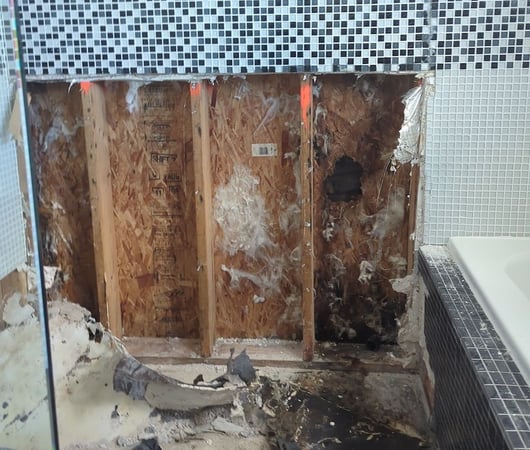
TL;DR: Summary
Many new-build homes with panel siding develop leaks because the siding is missing properly installed h flashing, or the flashing was installed incorrectly.
Without the correct flashing system, water can become trapped behind the siding, causing hidden rot, mold, and structural damage that often goes unnoticed until repairs become extensive and expensive.
Proper installation relies on layered waterproofing, including h flashing, flashing tape, and drainage channels, to direct water safely back outside instead of into the wall assembly.
The key takeaway: if your new home has panel siding, don't assume it's waterproof. Properly installed h flashing is one of the most important details for preventing costly hidden leaks and extending the life of your home's exterior.
Did you buy a newly built home expecting it to be worry-free, only to hear that new construction homes in Seattle are developing siding leaks just a few years later? Are you concerned that hidden installation shortcuts behind your panel siding could be allowing water to rot your walls long before you notice there's a problem?
Most homeowners assume a brand-new home should be built to modern standards and protected from water intrusion for decades. Unfortunately, that's not always the case.
At RoofSmart, we've repaired numerous new-build homes where panel siding began leaking because the flashing installation was skipped, put in incorrectly, or replaced with cheaper alternatives. Since these leaks occur inside the wall, the damage often goes unnoticed until mold, rot, or structural deterioration has already become extensive (and expensive) to repair.
In this article, we'll explain why so many new homes with panel siding develop leaks, how h flashing is supposed to be installed, the warning signs that water is getting behind your siding, and what you can do to protect your home from costly hidden damage.
What causes panel siding to leak?
Panel siding is supposed to be installed with a special type of flashing called h flashing. If the installers skip it, install it incorrectly, or use the wrong kind of flashing, then your siding is very likely to leak:
- Missing flashing: Installing siding with no flashing in a rainy area like Seattle is a disaster waiting to happen. Water will get behind the panels and stay there, causing mold and rot in your walls.
- Incorrect Installation: Misaligned seams or improper layering allow water penetration. If your contractor isn’t paying attention to instructions, it can be easy to make a mistake that leaves a gap for water to get in. For example, we recently replaced a few walls for a customer with this issue. Their wall had h flashing, so everything looked normal, but it was not installed properly, so the siding was actually leaking. The OSB behind the siding was completely rotten:
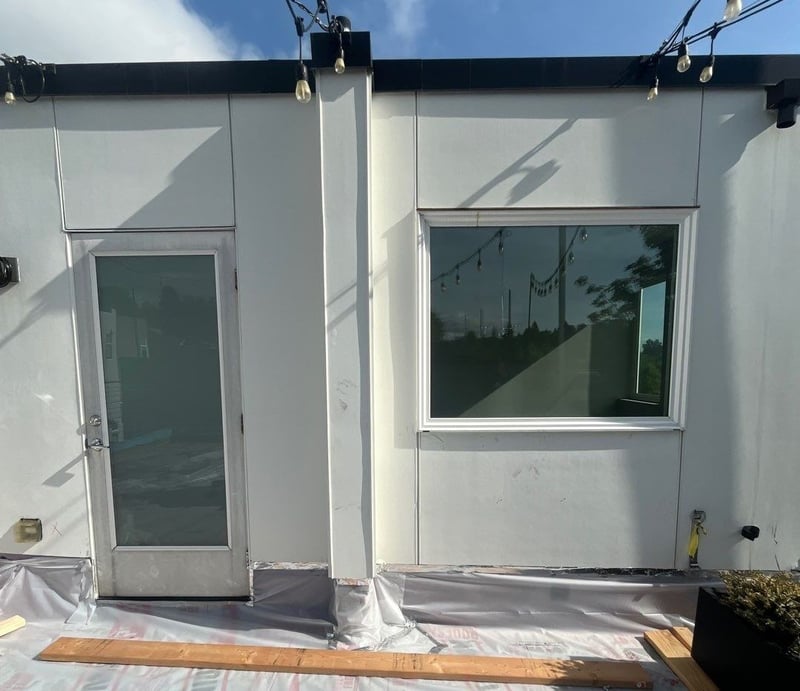
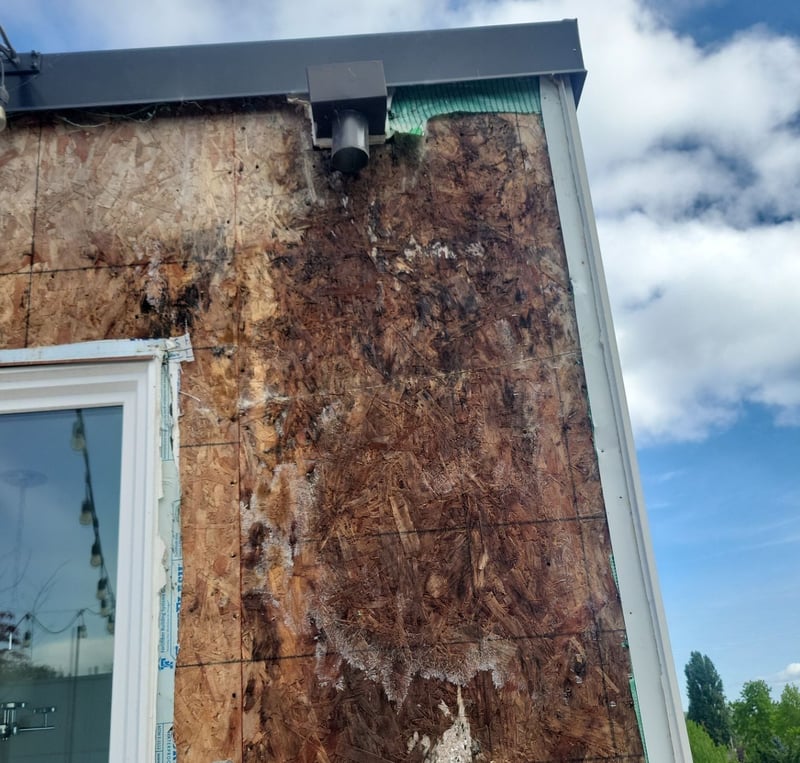
- Cheaper Alternatives: Simple metal strips are ineffective at keeping water out. Nails are placed on the metal strip in the gap between panels, meaning that there are a bunch of holes right where all the water is being directed. This is an example from a different customer with panel siding who did not have h flashing. As you can see, the area all around the metal strip is rotten:
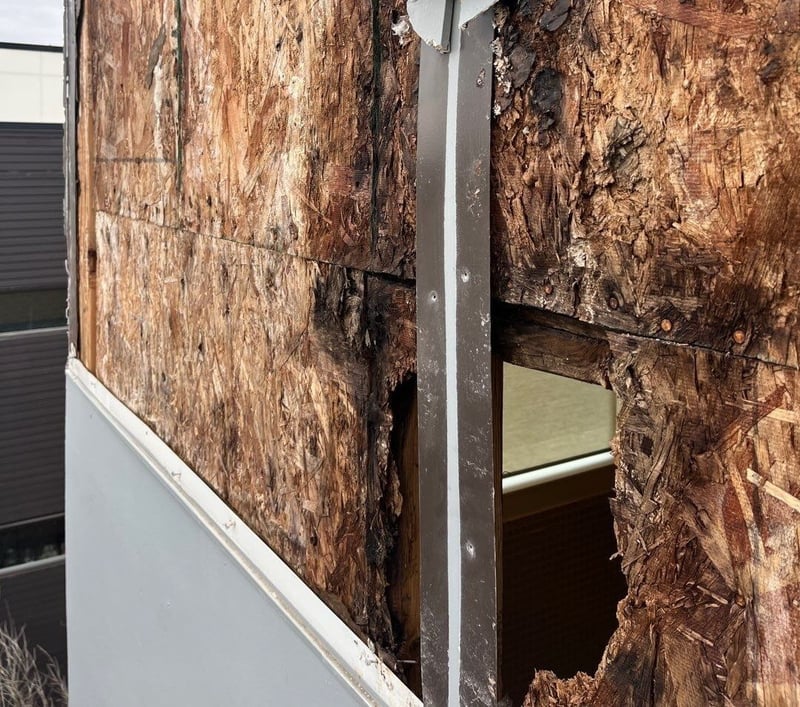
A lot of homeowners do not realize that there is a problem with the flashing on their wall, so they don’t expect to have any problems. The bummer about siding leaks is that they can easily be hidden within the wall for a long period of time, so you don’t realize there is a problem until extensive damage is done.
And this is the same problem you have with roof leaks. People think the shingles look fine when it's really all rotten because of condensation or leaking. So it's actually harder to tell in a wall because, in a roof, if the water drips down to the ceiling, you'll see it. But in the wall, you don't see it until it's really bad. Often, you don't notice until you lean against it.
There are a few signs that you can look for to see if the panel siding on your home is leaking. Take a look at this image as an example:
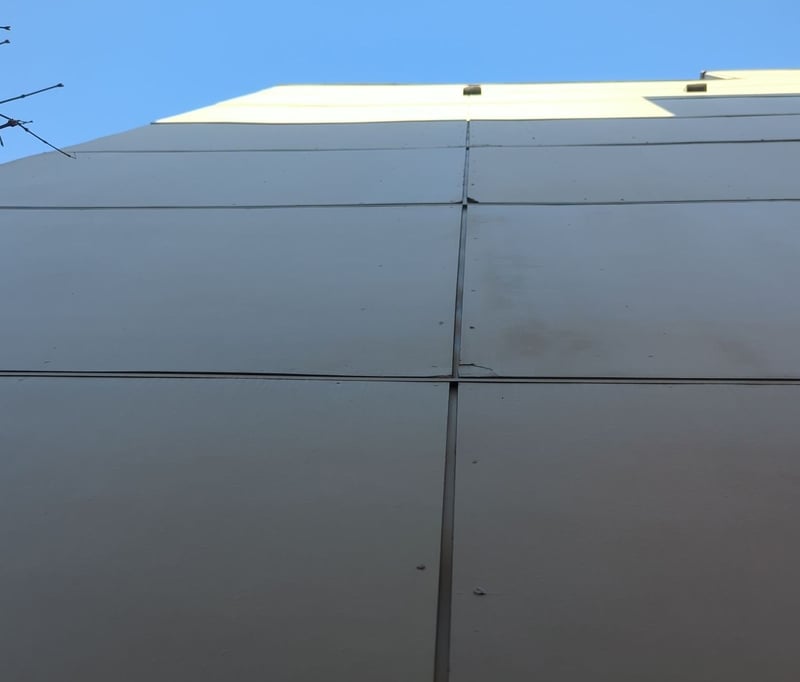
- Popping Nails: There's a lot of moisture in the wood, so the nails aren't biting the way that they would normally bite. And then when the sun hits it and it gets hot, now it all flexes, and the nail just works its way out.
- Panel Flex: You can also see that the panel is cracking and looks like it's flexing because the panel is trying to move.
Common Causes of Panel Siding Leaks on New Homes
Problem
What Causes It
Warning Signs
Recommended Solution
Missing H flashing
Installer skips the required flashing between panels
Hidden leaks, rot behind siding
Install proper H flashing with flashing tape and drainage layers
Incorrectly installed H flashing
Flashing isn't layered correctly or seams are exposed
Water intrusion despite flashing being present
Remove and reinstall siding using manufacturer installation guidelines
Metal strip used instead of H flashing
Builder uses a cheaper alternative
Nail holes in water path, premature leaks
Replace with manufacturer-approved H flashing
Missing flashing tape
Nail heads and seams remain exposed
Water enters behind flashing
Install continuous flashing tape over flanges and seams
Improper panel alignment
Gaps or uneven joints between panels
Water infiltration and panel movement
Reinstall panels with proper spacing and alignment
Poor drainage design
Water has no escape path behind siding
Moisture trapped inside walls
Build a drainage plane that directs water out
Hidden moisture
Water becomes trapped behind siding
Mold, rot, deteriorating sheathing
Remove damaged materials and correct waterproofing
Popping nails
Wet sheathing expands and contracts
Nail heads backing out of siding
Repair moisture damage and secure siding properly
Cracked or flexing panels
Swollen wall sheathing pushes against siding
Visible bowing or cracking
Repair the wall assembly and reinstall panels
Builder shortcuts
Cost-cutting during installation
Premature siding failure
Hire an experienced siding contractor familiar with proper flashing methods
How is h flashing installed with panel siding?
Proper installation of h flashing means layering everything properly to create a drainage system that assumes water will get behind the siding and channels it out.
Here are all of the components:
First, you need to install the plywood, then put a layer of underlayment on top of that. This creates your base for layering all the components using the following steps:
- H-Flashing: Flange is nailed to the wall.
- Flashing Tape: Covers the flange and nail heads for extra waterproofing.
- Panel Pocket: Receives the siding panel.
- Hem: A small curl at the pocket's edge creates a small bump that keeps sending the water down the drainage channel.
- Continuous Layers: Flashing tape runs continuously across horizontal seams for full protection
Here’s an example of what this looks like with one piece of siding installed:

The siding is installed up against the h flashing. You can see the flashing tape on the other side that has been applied over the edge of the h flashing.
This process is continued for both the vertical and horizontal flashing installations:
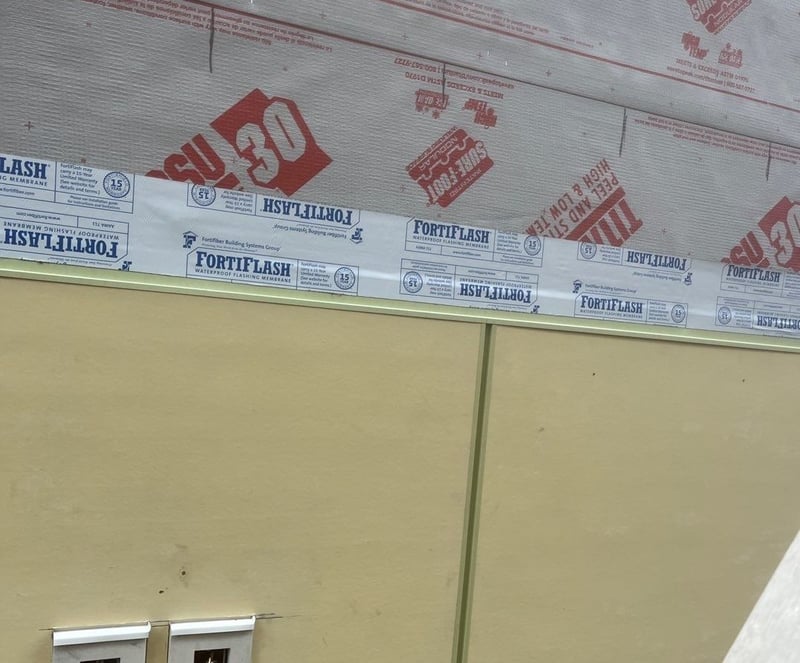
Following this layering process with h flashing will ensure that water cannot get trapped behind the panels. You have to assume that water will get behind the panels and give it a path out.
This gives the water an easy path to follow to drain, and even if it gets behind the siding, it can still get out. You want to have a place for the water to be able to get out. That's the bottom line.
This wall is now protected from leaks and rot.
Why are so many new-build homes missing h flashing?
Panel siding is chosen because it’s fairly easy and quick to install compared to other options. To make it cheaper and faster, some contractors skip the h flashing or use a different type of flashing.
Since the average homeowner doesn’t know what goes into installing siding, they are drawn to the lower price. While this might save money initially, it also means that your siding is vulnerable to leaks. Replacing rotting wood and installing new siding can easily cost tens of thousands of dollars.
So even though it costs a little bit more up front to properly install h flashing, it ends up saving you money in the long run and prevents a lot of hassle.
Will a rainscreen prevent my siding from rotting?
As you've seen, many panel siding leaks don't happen because the siding itself is defective. They happen because critical flashing details are skipped or installed incorrectly. When water gets behind the panels and has nowhere to drain, it can quietly rot your sheathing, framing, and insulation long before you notice any visible signs of damage.
Installing h flashing correctly is one of the most important steps in preventing these hidden leaks, but it's only one part of a complete wall assembly.
Some homes are also incorporating rainscreen systems, which create an air gap behind the siding to help water drain away and allow the wall to dry more effectively. A rainscreen can provide another layer of protection against the moisture problems that are so common in Seattle's wet climate.
Read our article “Will Installing a Rainscreen Prevent Siding From Rotting?” to learn how rainscreens work, when they're worth installing, and whether they can help protect your home from the hidden rot and water damage that affect so many new-build homes.
Frequently Asked Questions About H Flashing
1. Why does panel siding leak so often on newer homes?
Most panel siding leaks are caused by installation mistakes rather than the siding itself. Missing or improperly installed H flashing, poor waterproofing details, and inadequate drainage behind the panels allow water to enter the wall assembly and remain trapped.
2. What is H flashing?
H flashing is a specialized flashing profile installed between siding panels. It creates a protected joint that directs water downward while allowing any moisture that gets behind the siding to drain safely out of the wall instead of soaking into the framing.
3. Is H flashing required on panel siding?
Most panel siding manufacturers require H flashing or another approved joint treatment as part of their installation instructions. Following the manufacturer's specifications is essential for proper water management and maintaining warranty coverage.
4. What happens if H flashing is missing?
Without H flashing, water can enter between siding panels and become trapped inside the wall. Over time, this can lead to:
- Rotting sheathing
- Mold growth
- Damaged framing
- Interior water damage
- Expensive siding replacement
5. Can siding leak even if H flashing was installed?
Yes. Simply having H flashing isn't enough if it's installed incorrectly. Improper layering, missing flashing tape, exposed fasteners, or poorly sealed transitions can all allow water to bypass the flashing system and enter the wall.
6. How can I tell if my panel siding is leaking?
Some common warning signs include:
- Popping nail heads
- Cracked or bowing siding panels
- Soft or spongy walls
- Water stains around windows or inside the home
- Peeling paint
- Mold or mildew
- Musty odors
Many siding leaks remain hidden until significant damage has already occurred.
7. Why are siding leaks often harder to detect than roof leaks?
Roof leaks frequently drip into attics or ceilings where homeowners notice water stains. Siding leaks usually stay inside the wall cavity, where moisture slowly rots the sheathing and framing without any visible signs until the damage becomes severe.
8. Can hidden siding leaks cause structural damage?
Yes. Long-term moisture exposure can weaken wall sheathing, framing members, and structural connections. If left unaddressed, repairs may require removing large sections of siding and rebuilding portions of the exterior wall.
9. Can panel siding be repaired, or does it need to be replaced?
It depends on the extent of the damage. Small areas with isolated flashing problems may only require localized repairs. However, if moisture has spread throughout the wall assembly, contractors often need to remove the siding, replace damaged sheathing and framing, and reinstall the siding with the proper waterproofing system.
10. How can homeowners prevent panel siding leaks?
The best protection is proper installation from the beginning. A correctly installed panel siding system should include manufacturer-approved H flashing, continuous flashing tape, weather-resistant barriers, proper drainage detailing, and careful layering that allows any water behind the siding to safely drain back outside. Following these best practices greatly reduces the risk of hidden leaks and costly wall repairs.
Topics:
