

TL;DR: Summary
CertainTeed Landmark and Landmark ClimateFlex shingles share many of the same benefits, including algae-resistant copper granules, Class A fire resistance, and access to CertainTeed warranty options. The biggest difference is that Landmark uses standard asphalt, while Landmark ClimateFlex uses polymer-modified (or rubberized) asphalt, giving it greater flexibility, impact resistance, and potential longevity.
Landmark is a good choice for Seattle homeowners who want an affordable, traditional asphalt shingle. ClimateFlex may be worth the upgrade if you want better durability, need shingles that are more flexible during cold-weather installation, or want the potential for an additional 5 to 10 years of roof life. However, ClimateFlex typically adds about 5% to 10% to the total project cost and has fewer color options.
The key takeaway: Landmark is the better fit if affordability and basic protection are your priorities, while Landmark ClimateFlex is worth considering if you’re willing to spend a little more for added flexibility, durability, and longevity.
Are you trying to decide between CertainTeed Landmark and Landmark ClimateFlex shingles, but worried you’ll spend thousands more on an upgrade that won’t make a meaningful difference for your roof? Or are you concerned that choosing the less expensive Landmark shingle could mean giving up durability, impact resistance, or years of roof life that would have made the added cost worthwhile?
At RoofSmart, we install hundreds of asphalt shingle roofs every year throughout the Seattle area, and we know that the more expensive shingle isn’t automatically the right choice for every homeowner. The best option depends on your budget, when your roof is being installed, and how much you value the additional durability and longevity that come with a rubberized asphalt shingle.
In this article, I’ll compare CertainTeed Landmark and Landmark ClimateFlex shingles, including their materials, durability, impact resistance, lifespan, color options, and cost. I’ll also explain when you’re likely to benefit from upgrading to ClimateFlex and when the standard Landmark is a good fit.
CertainTeed Landmark vs. Landmark ClimateFlex
|
Feature |
CertainTeed Landmark |
CertainTeed Landmark ClimateFlex |
|
Shingle material |
Standard asphalt mixture |
Polymer-modified (rubberized) asphalt |
|
Flexibility |
Standard flexibility; can become more brittle in cold temperatures |
More flexible, including in colder temperatures |
|
Cold-weather installation |
More prone to cracking when installed below 40°F |
Better suited for colder-weather installation |
|
Impact resistance |
Standard asphalt shingle protection |
Added durability and impact resistance from rubberized asphalt |
|
Expected lifespan in Seattle |
About 15–25 years |
Potentially 5–10 years longer than standard shingles |
|
Algae resistance |
Copper-infused granules |
Copper-infused granules |
|
Fire rating |
Class A |
Class A |
|
Hot-weather scuffing |
Can be susceptible to scuffing |
Softer material makes it more prone to scuffing |
|
Color selection |
21 color options |
10 color options |
|
Cost |
Lower-cost option |
Typically adds about 5%–10% to the total project cost |
|
Best for |
Homeowners looking for an affordable, basic asphalt shingle |
Homeowners wanting additional durability, longevity, or cold-weather flexibility |
What are the benefits of choosing a CertainTeed Landmark series shingle?
Whether you choose the Landmark or the Landmark ClimateFlex, you will still get a lot of the same benefits. This includes:
- Algae resistance technology: All the Landmark series shingles are equipped with copper-infused granules that are used to prevent algae growth. This is a common tactic used by asphalt shingle manufacturers to keep their product from growing algae. It does help to prevent algae growth, but in the damp, rainy climate that we have in the Seattle area, it’s still possible for these shingles to grow algae eventually. However, it doesn’t hurt to choose a shingle that has copper granules.
- Access to a premium warranty: Depending on if you hire a certified contractor, you may be eligible for CertainTeed's strongest warranty level. Even if you don’t qualify for the highest warranty option, you still have a variety of options to choose from, all offering good protection.
- Class A fire resistance: Both the Landmark and Landmark ClimateFlex are advertised as Class A fire-rated shingles. This rating means that they have the best resistance to catching fire and spreading flames.
The Landmark Series shingles are all built similarly, so for the most part they have the same general benefits and function. Despite that, there are still a few key differences between the Landmark and Landmark ClimateFlex shingles.
How is the CertainTeed Landmark ClimateFlex shingle different than the Landmark shingle?
The biggest distinction between the Landmark and the Landmark ClimateFlex is that the Landmark is made with the standard asphalt mixture, while the Landmark ClimateFlex is made of polymer-modified asphalt (aka rubberized asphalt).
This gives the Landmark ClimateFlex these additional benefits:
- Extra Flexibility: Adding rubber into the asphalt mix makes the shingles more flexible than the standard Landmark. This makes a huge difference in colder temperatures. For example, the Landmark shingle is more brittle and prone to cracking if it is installed in colder temperatures (below 40 degrees). This puts the roof at risk of leaks or other issues. But the polymer-modified asphalt shingles are more flexible, even in colder temperatures. So you can install the ClimateFlex shingles in colder climates without the same worry about cracking.
- Added Durability: Adding rubber to asphalt shingles makes them bouncier, which gives them better durability and impact resistance. So, if a tree branch hits your roof, then the rubberized shingles are more likely to handle it better. It gives you some extra protection without straying too far from the lower price of asphalt shingles. The Landmark has a Class 3 impact rating, whereas the Landmark ClimateFlex has a Class 4 impact rating.
- Extended Lifespan: With rubberized shingles, you get the potential for an extra 5 to 10 years of life on your shingles. Standard shingles (like the Landmark) only last 15 to 25 years in Seattle’s rainy climate, so choosing the ClimateFlex shingle can help you push back the replacement date.
There is one drawback to the Landmark ClimateFlex:
- Prone to scuffing in hot weather: The softer material of the Landmark ClimateFlex is more prone to scuffing on hot days. This is also a concern on the Landmark shingle, but the Landmark ClimateFlex is more prone to scuffing.
The Landmark has 21 color options, but the Landmark ClimateFlex only has 10. A lot of the options are the same color, but all of the colors look slightly different on each shingle. It’s not a drastic difference, but it is something to keep in mind if you’re particularly interested in the aesthetics.
Here’s what each shingle looks like in the shade Burnt Sienna:
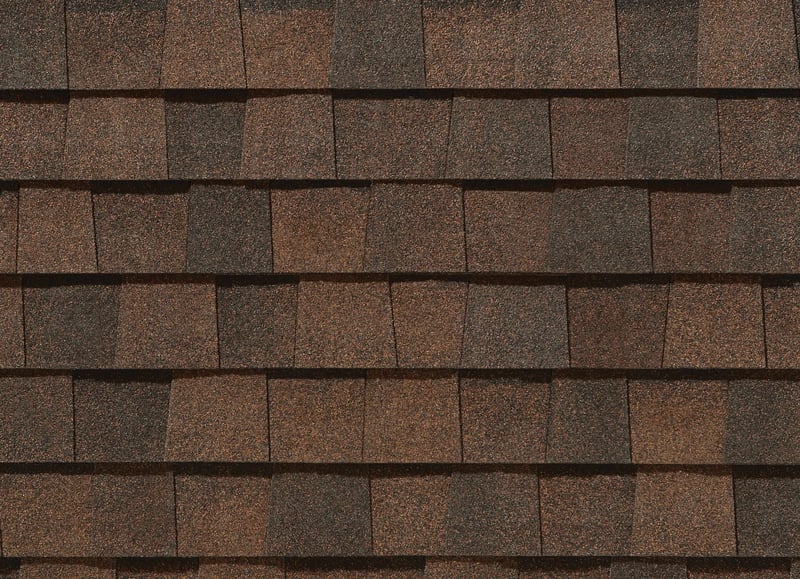
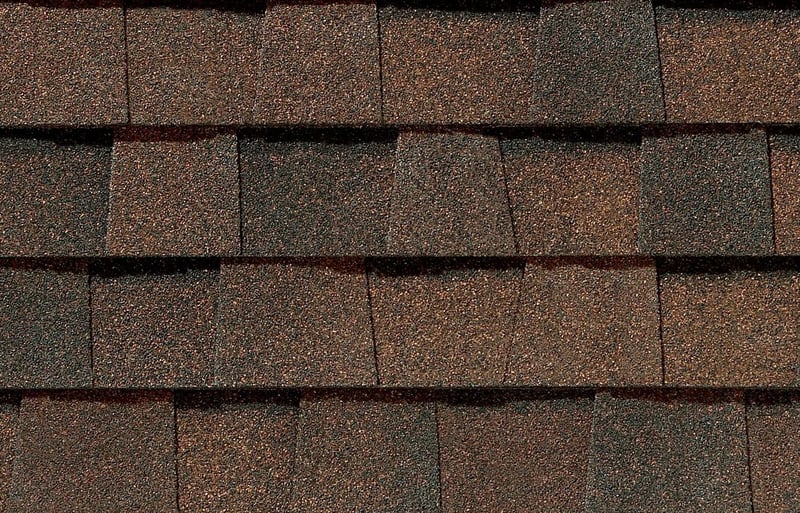
Landmark ClimateFlex
What is the cost difference between the CertainTeed Landmark and the CertainTeed Landmark ClimateFlex?
One other major difference between the Landmark and Landmark ClimateFlex is that the ClimateFlex costs more. On average, I’ve noticed that choosing the ClimateFlex option over the standard Landmark options adds about 5% to the total project cost.
Typically, the Landmark ClimateFlex costs a few thousand dollars more than the standard Landmark shingles. It does add to the total cost, but you also get some additional benefits that you cannot get from regular asphalt shingles.
When is the CertainTeed Landmark the right fit for your home?
The CertainTeed Landmark shingle is a good option for you if:
- You’re looking for a low-cost roofing material
- You like the look and features of basic shingles
- You are happy with the protection that basic shingles offer
In most cases, Seattle homeowners are looking for a basic shingle, so the Landmark is a good fit for their budget and needs.
When is the CertainTeed Landmark ClimateFlex the right fit for your home?
The CertainTeed Landmark shingle is a good option for you if:
- You want a shingle with more longevity
- You need to install your shingles in the winter
- You want better protection for your roof without too much extra cost
- You like the look of it better than the standard Landmark
In some cases, Seattle homeowners want a shingle with extra durability and longevity, but don’t want to upgrade to more expensive alternatives. This makes the Landmark ClimateFlex a good option for them.
Is CertainTeed Landmark ClimateFlex worth the extra cost for your Seattle roof?
Choosing between CertainTeed Landmark and Landmark ClimateFlex ultimately comes down to how much additional durability and longevity you want from your asphalt shingle roof.
The standard Landmark is a solid choice for Seattle homeowners who want a more affordable, traditional asphalt shingle, while ClimateFlex offers greater flexibility, a Class 4 impact rating, and the potential for a longer lifespan.
The tradeoff is cost. Upgrading to ClimateFlex can add around 5% to the total roofing project. This can mean spending a few thousand dollars more, so it’s reasonable to wonder whether those added benefits will actually be worth it for your home.
Read our article “Comprehensive Review Of CertainTeed’s Landmark ClimateFlex Shingle” for a closer look at how this shingle performs, its advantages and drawbacks, and whether we think it’s worth installing on a Seattle-area home.
Frequently Asked Questions About CertainTeed Landmark vs. Landmark ClimateFlex
1. What is the main difference between CertainTeed Landmark and Landmark ClimateFlex shingles?
The main difference is the asphalt mixture. CertainTeed Landmark uses standard asphalt, while Landmark ClimateFlex uses polymer-modified, or rubberized, asphalt. The added rubber makes ClimateFlex more flexible and durable, particularly in colder temperatures.
2. Is CertainTeed Landmark ClimateFlex better than Landmark?
ClimateFlex offers additional flexibility, impact resistance, and potential longevity, but that doesn't necessarily make it the better choice for every homeowner. Landmark may make more sense if keeping your roofing costs lower is the priority. ClimateFlex may be worth considering if you want additional durability without moving to a significantly more expensive roofing material.
3. How much more does Landmark ClimateFlex cost than Landmark?
Based on RoofSmart's experience, upgrading from standard Landmark shingles to Landmark ClimateFlex typically adds about 5% to 10% to the total roofing project cost. Depending on the size and scope of the roof, that can mean spending a few thousand dollars more.
4. Does Landmark ClimateFlex last longer than Landmark in Seattle?
Potentially. Standard asphalt shingles like Landmark typically last about 15 to 25 years in Seattle's rainy climate. The added durability of the rubberized ClimateFlex shingle could potentially provide another 5 to 10 years of life.
5. Can Landmark ClimateFlex shingles be installed during the winter?
ClimateFlex is better suited for cold-weather installation because its polymer-modified asphalt remains more flexible in lower temperatures. Standard Landmark shingles become more brittle in colder conditions and are more susceptible to cracking, particularly when temperatures fall below 40°F.
6. Is Landmark ClimateFlex more impact-resistant than Landmark?
Yes. Adding rubber to the asphalt makes ClimateFlex shingles bouncier and more durable. That can provide additional protection against impacts such as falling tree branches, which can be particularly useful during Seattle-area windstorms.
7. Does Landmark ClimateFlex have any disadvantages?
One drawback is that its softer, rubberized material is more prone to scuffing during hot weather. ClimateFlex also costs more than standard Landmark shingles and has fewer available color options.
8. Which has more color options: Landmark or Landmark ClimateFlex?
Landmark has more choices, with 21 color options compared with 10 for Landmark ClimateFlex. Some colors are available for both products, although their appearance can vary slightly depending on the shingle.
9. Do Landmark and Landmark ClimateFlex shingles resist algae?
Yes. Both use copper-infused granules designed to help prevent algae growth. However, Seattle's damp, rainy environment means algae can still eventually develop, even on shingles with algae-resistant technology.
10. Should I choose Landmark or Landmark ClimateFlex for my Seattle home?
Choose Landmark if your priorities are affordability and the features and protection of a basic asphalt shingle. Consider Landmark ClimateFlex if you're willing to spend approximately 5% to 10% more for additional flexibility, durability, potential longevity, and better performance during cold-weather installation.
Topics:
