

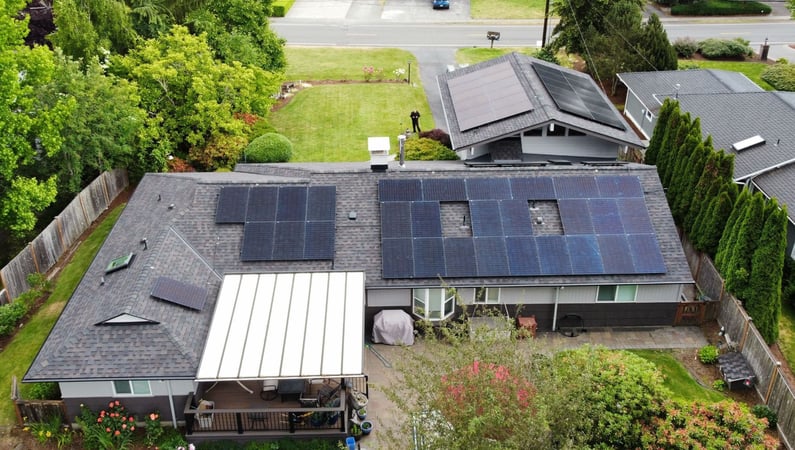
TL;DR: Summary
If you're planning to install solar panels, your roof should be in excellent condition first; otherwise, you may face expensive repairs, panel removal, or premature roof failure.
Older asphalt shingle roofs are especially vulnerable because solar panels create additional roof penetrations, permanent shade, and extra weight, which can increase the risk of leaks, moss, mold, and structural issues if the roof isn't properly prepared.
Before installation, your roofer should inspect more than just the shingles by evaluating the framing, roof decking, attic ventilation, drainage, and insulation to identify hidden problems that could shorten the life of both the roof and the solar system.
The key takeaway: preparing your roof for solar panels isn't just about replacing shingles. It's about ensuring the entire roofing system is structurally sound, well-ventilated, and designed to support decades of reliable performance.
Are you excited about installing solar panels but worried that your roof might not be ready to support them for the next 25 to 30 years? Have you been told your roof "looks fine," but wondered if hidden issues like poor framing, inadequate ventilation, or weak roof decking could lead to leaks or expensive repairs after the panels are installed?
Solar panels are a long-term investment, but they're only as reliable as the roof beneath them. At RoofSmart, we’ve repaired and replaced over 100 roofs with solar panels, and we have seen the damage that they can cause, especially when your roof is not prepared correctly.
In this case study, we'll show you how we prepared an aging asphalt shingle roof for solar panel installation by correcting hidden structural and ventilation problems, improving drainage, and adding extra waterproofing to help the roof last as long as the solar system above it.
Roof Preparation Checklist Before Installing Solar Panels
|
Roof Component |
Why It Matters for Solar Panels |
Potential Problem if Ignored |
Recommended Solution |
|
Roof age |
Solar panels typically remain on the roof for 25–30 years |
Roof may need replacement long before the panels wear out |
Replace an aging roof before installing solar panels |
|
Roof framing |
Solar panels add permanent weight |
Sagging roof or structural concerns |
Reinforce framing if needed before installation |
|
Roof decking |
Solar mounts fasten into the roof structure |
Weak or outdated decking may not properly support fasteners |
Replace shiplap or damaged decking with plywood or OSB where required |
|
Roofing material |
Different materials interact differently with solar mounts |
Increased leak risk or difficult future maintenance |
Install solar on a roof that is in good condition and appropriate for the system |
|
Attic ventilation |
Helps control moisture and heat |
Mold, condensation, and premature roof aging |
Correct intake and exhaust ventilation before panel installation |
|
Drainage |
Prevents standing water beneath panels |
Accelerated roof deterioration and leaks |
Improve drainage in low-slope or problem areas |
|
Flashing |
Seals roof penetrations |
Water intrusion around mounting brackets |
Use proper flashing and waterproofing at every penetration |
|
Ice & Water Shield |
Provides additional waterproof protection |
Greater leak risk around mounting locations |
Install premium waterproof underlayment beneath panel areas |
|
Low-slope sections |
Solar installations can slow drying even further |
Ponding water and shortened roof life |
Consider PVC or another low-slope roofing material where appropriate |
|
Future maintenance access |
Panels limit roof accessibility |
Higher repair and removal costs later |
Address existing roof issues before the solar system is installed |
Do I need to replace my roof before installing solar panels?
Having solar panels can be a major hassle when you need to replace your roof, so roofers and solar panel installers generally recommend that you replace your roof right before your solar panel installation.
In an ideal world, your roof should be replaced at the same time that you want to install solar panels. But for a lot of Seattle homeowners, things don’t always align nicely.
If your roof is fairly new and you aren’t having any issues, then you probably don’t need to replace your roof. However, if you have asphalt shingles and your roof is 15+ years old, then it’s probably a good idea to replace your roof. Otherwise, you’ll have to remove the solar panels after only a few years.
Different roof materials last longer than others in the rainy Seattle weather, so it’s important to keep track of how old your roof is and what condition it is in before getting solar panels. The older a roof gets, the more likely it is to be damaged or worn out.
Recently, we replaced the roof for a customer who wanted to install solar panels on his roof. He was told to reach out to a roofing company because he only had a few years of life left on his roof.
The customer explained that he had done some research and knew that having a metal roof is ideal for solar panels because you can clip them right on. However, he wanted to stick with asphalt shingles to keep the budget lower.
What happens when you install solar panels on an asphalt shingle roof?
Asphalt shingle roofs are highly susceptible to damage from solar panels. Here are some of the key ways this can happen:
1. Higher risk of leaks: The solar panels are installed with stands that get screwed in right through the asphalt shingles. This creates a bunch of potential leak points all across the roof where water might be able to get in. This installation method causes a lot of asphalt shingle warranties to become void, so make sure to check on that before you decide to install.
2. Algae and moss growth: Solar panels create a lot of permanent shade on your roof. When combined with moisture (which will happen because asphalt shingles take a long time to dry out), this creates the exact conditions that algae and moss need to grow. Algae is a nuisance, but it’s only the precursor to moss. Once you get moss, it’s harder to clean up and can cause damage to your roof.
3. Mold growth: Another consequence of the permanent shade is that your attic is cooler. In a rainy area like Seattle, warming up the roof can really help dry it out. But if your roof has poor ventilation and lots of shade, then the moisture won’t dry out. As a result, your attic will begin to grow mold.
So, since our customer wanted to put asphalt shingles underneath his solar panels, it’s extra important that we at RoofSmart make sure that his roof is in prime condition. This means making sure that the attic ventilation is working to help prevent mold and taking extra precautions to protect it from moisture.
After that, it’s up to that customer to keep an eye on the roof and treat it at the first sign of algae growth or give us a call if there are signs of a leak.
What issues do roofers miss when inspecting a roof that will cause problems with solar panels?
Many roofers are only concerned with installing the new roofing material on your roof and don’t consider other issues that might impact your roof.
For example, at RoofSmart, when we inspect a roof, we look in the attic, which tells us if the attic ventilation is working, how much insulation the attic and roof have, and if the framing is set up properly. All of these things have a major impact on the quality of the roof.
When you’re replacing a roof and preparing it for solar panel installation, it is important to make sure everything that impacts the roof’s function is working. As I was inspecting this customer’s attic and roof, I noticed several issues that no other roofer had pointed out to him:
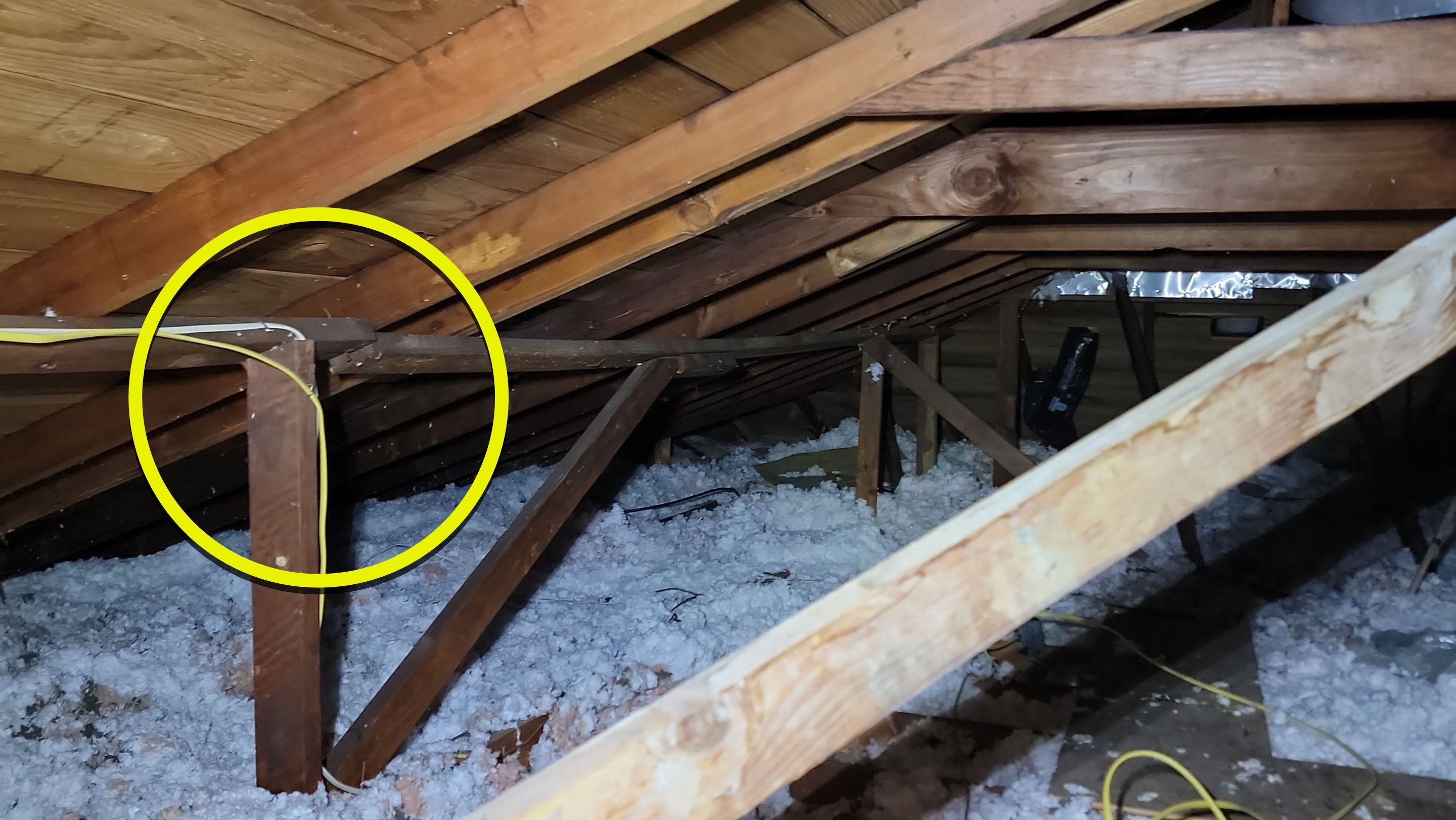
- Underframed attic: When I looked in the attic, I noticed that the rafters were framed incorrectly and sagging. This is bad on a regular roof, but if you want to add the extra weight of solar panels, then you definitely need to make sure that your framing is strong.
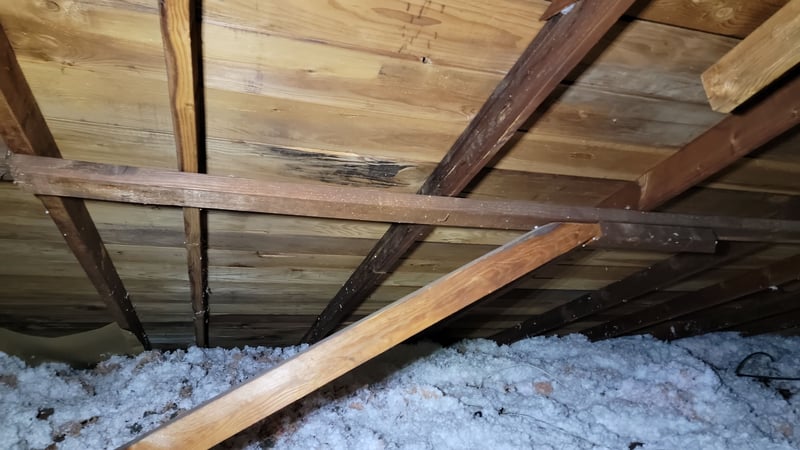
- Wrong roof decking: This roof had shiplap roof decking, which is not supposed to be used with shingles. Building code requires OSB or plywood sheathing for shingle installation.
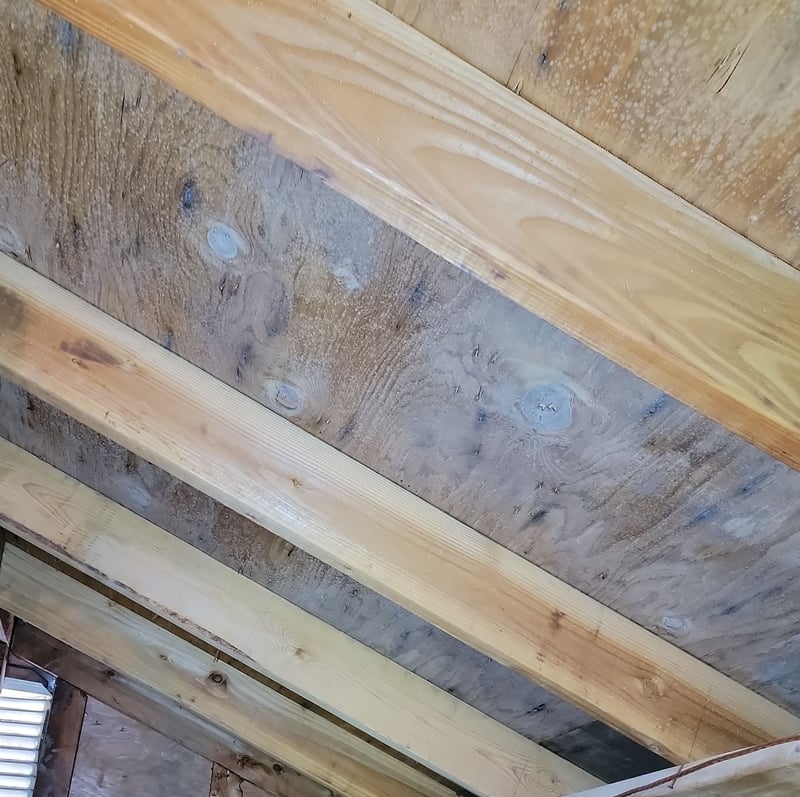
- Poor attic ventilation: There was a lot of mold growth in the attic caused by poor airflow and blocked soffit vents.
- Areas with poor drainage: Another concern was that one low-slope area of the roof was causing water to pool against a wall. Asphalt shingles cannot handle standing water, so this makes that area of the roof vulnerable to premature deterioration and leaks, which is not something you want on a roof with solar panels.
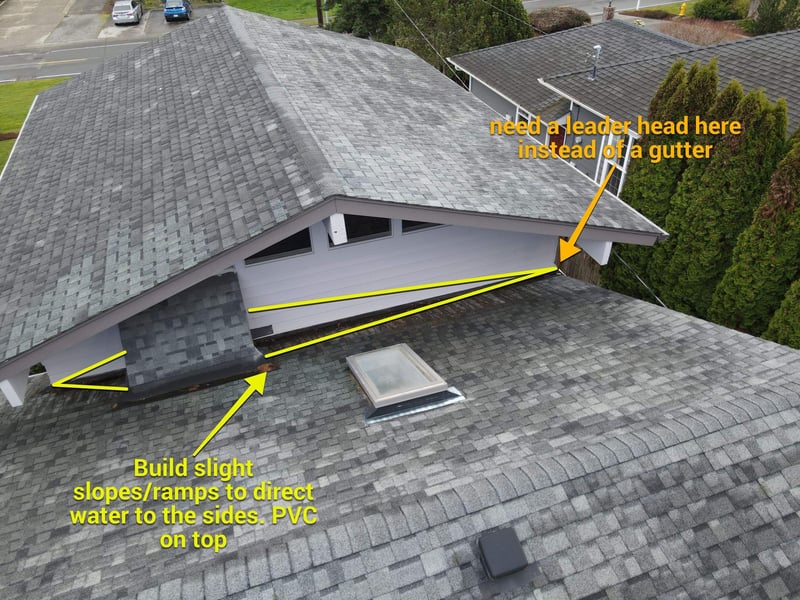
Without the right framing, insulation, ventilation, and drainage control, this roof would be set up for failure, especially when it’s an asphalt shingle roof with solar panels. Multiple roofers inspected this customer's roof, yet none of them even mentioned any of these issues.
How did RoofSmart prepare this asphalt shingle roof to last as long as possible with solar panels?
Here’s everything we did to fix the issues I found on this customer’s roof and make sure that it was prepared for solar panel installation:
-
Upgraded framing and roof decking: Our crew replaced the shiplap roof decking with plywood. They also reinforced the old rafters by sistering in new 2x10s. I followed the guidelines from the span tables to make sure that the roof was updated to provide the proper load support.
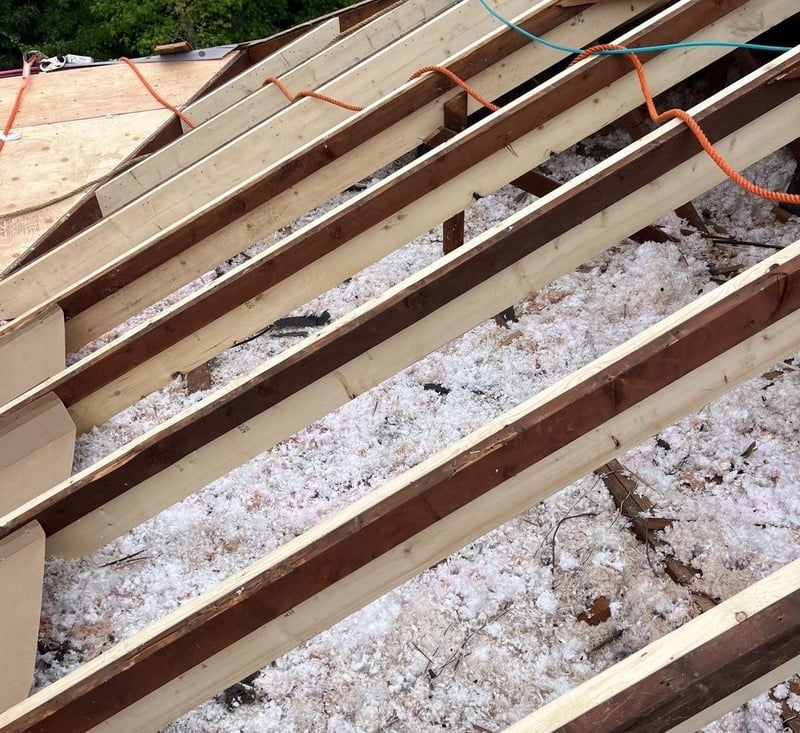
- Improving attic ventilation: The crew installed new plastic baffles so that the soffit was no longer blocked and added intake vents to the roof.
- Fixing low-slope drainage: In the low-slope area by the wall, they built a custom ramp to divert water from the pooling area. It was covered with PVC to better protect that area from standing water.
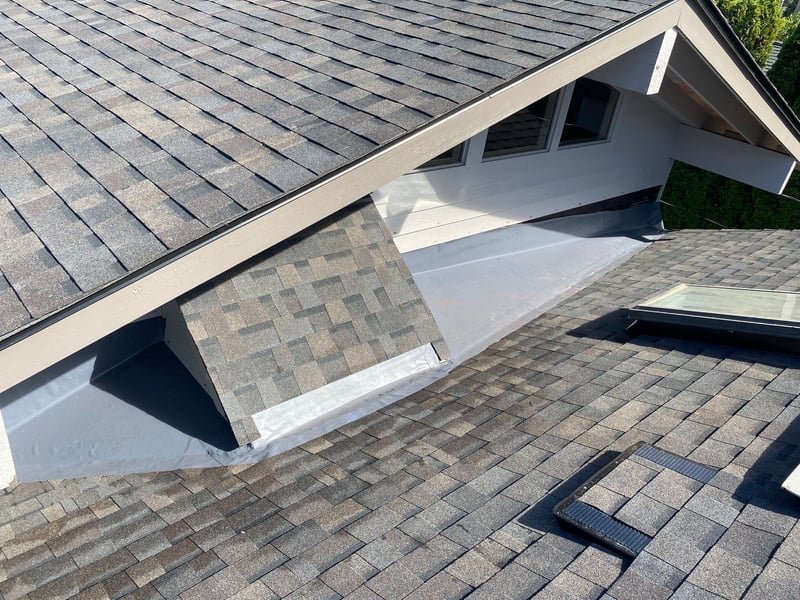
- Extra protective barriers: We used Owens Corning Ice & Water Shield under all the areas with solar panels. This gives the roof extra protection against moisture in those areas and also makes it eligible for a special solar panel warranty.
What should you know before putting solar panels on your roof?
As this project demonstrates, preparing a roof for solar panels involves much more than installing new shingles. Before the first panel is mounted, it's important to make sure the roof structure, decking, ventilation, drainage, and waterproofing are all ready to support a system that's expected to stay in place for decades.
In this case, correcting hidden framing issues, improving attic ventilation, upgrading the roof decking, and addressing drainage problems gave the homeowner a much stronger foundation for their solar investment. Taking care of those issues now helps reduce the likelihood of leaks, mold, structural problems, and the costly process of removing solar panels to repair the roof later.
If you're considering solar for your home, understanding how your roofing system and solar panels work together is one of the best ways to protect both investments.
Read our article “What Do I Need To Know Before Installing Solar Panels on My Seattle Roof?” to learn how solar panels affect different roofing materials, when it's the right time to replace your roof before going solar, and the key questions to ask so your roof and solar system perform well together for years to come.
Frequently Asked Questions About Solar Panel Installation on Asphalt Shingles
1. Should I replace my roof before installing solar panels?
If your roof is nearing the end of its expected lifespan, replacing it before installing solar panels is usually the smarter investment. Solar panels often remain in place for 25 to 30 years, and removing them later to replace the roof adds significant labor and expense.
2. Can solar panels be installed on an asphalt shingle roof?
Yes. Asphalt shingles are one of the most common roofing materials used with residential solar systems. However, the installation requires roof penetrations for the mounting hardware, making proper flashing and waterproofing especially important to prevent leaks.
3. Do solar panels increase the risk of roof leaks?
They can if they are installed improperly. Every mounting bracket creates a roof penetration that must be flashed and sealed correctly. A qualified installer using proper mounting systems can greatly reduce the likelihood of leaks.
4. Why is attic ventilation important before installing solar panels?
Solar panels create permanent shaded areas on the roof that can slow drying after rain. If the attic already has poor ventilation, excess moisture can remain trapped, increasing the risk of mold, condensation, and premature roof deterioration.
5. Can solar panels cause moss or algae to grow faster?
In damp climates like Seattle, they can contribute to conditions that favor algae and moss growth. The shade created by the panels keeps portions of the roof cooler and wetter for longer periods, allowing organic growth to develop more easily if the roof is not properly maintained.
6. Should my roof framing be inspected before adding solar panels?
Yes. Although solar panels are not extremely heavy, they add permanent weight to the roof. A structural inspection can identify undersized rafters, sagging framing, or other conditions that should be corrected before installation.
7. What roof problems should be fixed before installing solar panels?
A thorough roof inspection should address issues such as:
- Worn or aging roofing materials
- Rotting roof decking
- Structural framing concerns
- Poor attic ventilation
- Drainage problems
- Existing leaks
- Mold or moisture damage
Correcting these issues beforehand helps avoid costly repairs after the panels are installed.
8. Can solar panels be installed on low-slope roofs?
Yes, but low-slope roofs require careful planning. Proper drainage is essential because standing water can shorten the life of certain roofing materials. In some situations, additional waterproofing or a different roofing system may be recommended before solar panels are installed.
9. Does installing solar panels void my roof warranty?
It depends on the roofing manufacturer and how the panels are installed. Some asphalt shingle warranties have restrictions regarding roof penetrations, while others require specific flashing methods or approved installation practices. Homeowners should review both the roofing and solar warranties before proceeding.
10. What should a roofing contractor inspect before a solar installation?
A comprehensive inspection should evaluate the roof's remaining lifespan, decking condition, framing, attic ventilation, insulation, drainage, flashing details, and any signs of leaks or moisture damage. Addressing these issues before the solar panels are installed helps maximize both the roof's lifespan and the performance of the solar system.
Topics:
