

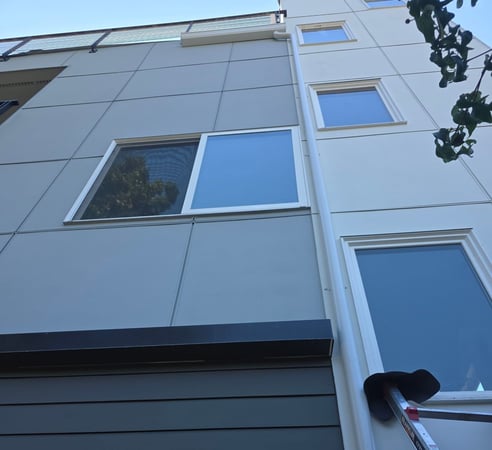
TL;DR: Summary
Newly built townhouses in Seattle aren't always built to last. Many suffer from hidden design and construction flaws that can lead to severe condensation, mold, and structural rot within just a few years.
The most common problems include missing thermal breaks, ineffective ventilation, inadequate roof drainage, and low-quality construction materials, all of which can trap moisture inside the roof system.
Because condensation damage develops out of sight, homeowners often don't discover the problem until they notice interior water stains, bubbling paint, or mold, by which point repairs can require a complete roof and wall rebuild.
The key takeaway: don't assume a new townhouse has a properly designed roof. An expert roof inspection can identify hidden issues early, potentially saving you tens or even hundreds of thousands of dollars in future repairs.
Did you buy a newly built Seattle townhouse, assuming the roof would last for decades, only to worry that hidden construction defects could leave you with massive repair bills? Have you been told that your roof leak is "minor," but you're concerned it could actually be a sign of hidden rot, mold, or condensation damage inside the roof assembly?
Many homeowners believe a new townhouse should be virtually maintenance-free for years. Unfortunately, that's not always the case.
At RoofSmart, we've inspected and repaired numerous newly built townhomes throughout the Seattle area where poor insulation, ineffective ventilation, improper drainage, and low-quality construction led to severe structural damage long before the roof should have failed.
In this case study, we'll show you what we discovered after investigating a "small" roof leak on a recently built Seattle townhouse, explain the hidden construction defects that caused extensive rot and mold, and walk through the repairs we completed to give the homeowners a roof that was designed to last.
What are the most common roof issues we find on newly built townhouses in Seattle?
A lot of homeowners in Seattle assume that their newly built home is good to go and shouldn’t have any problems for a long time. You would expect this to be a reasonable assumption, but unfortunately, after repairing several of these townhomes, we’ve found that they are not properly insulated or ventilated, leading to extensive condensation damage.
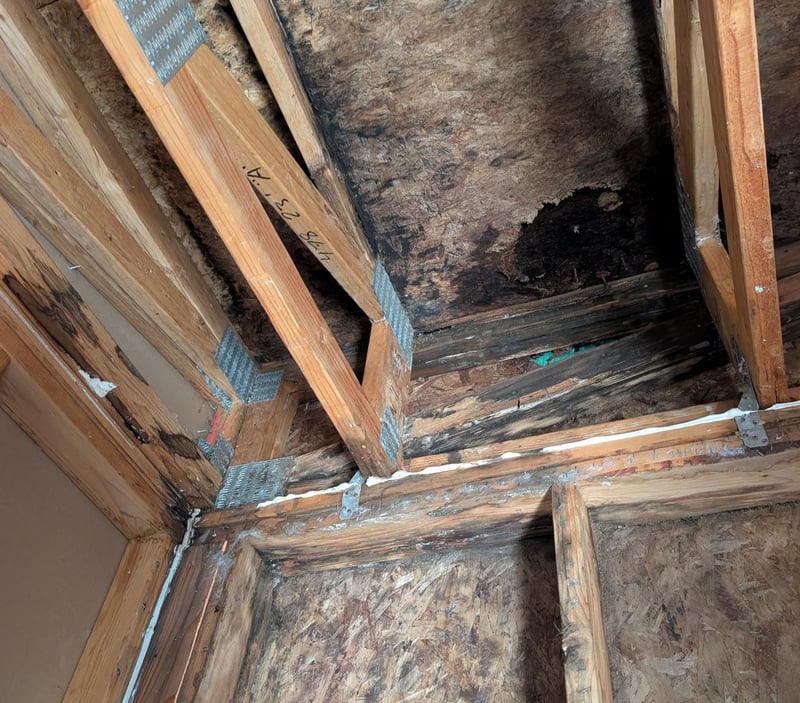
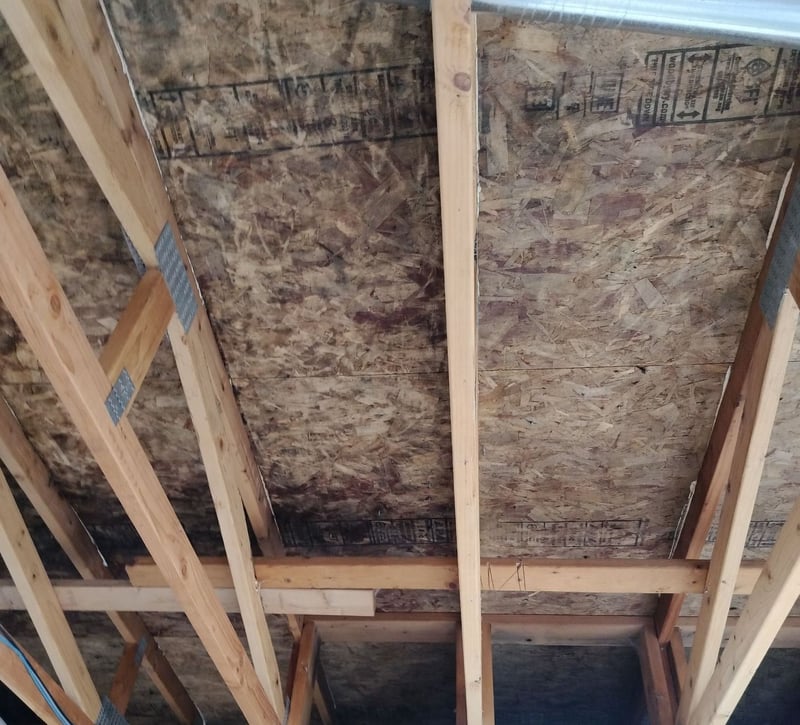
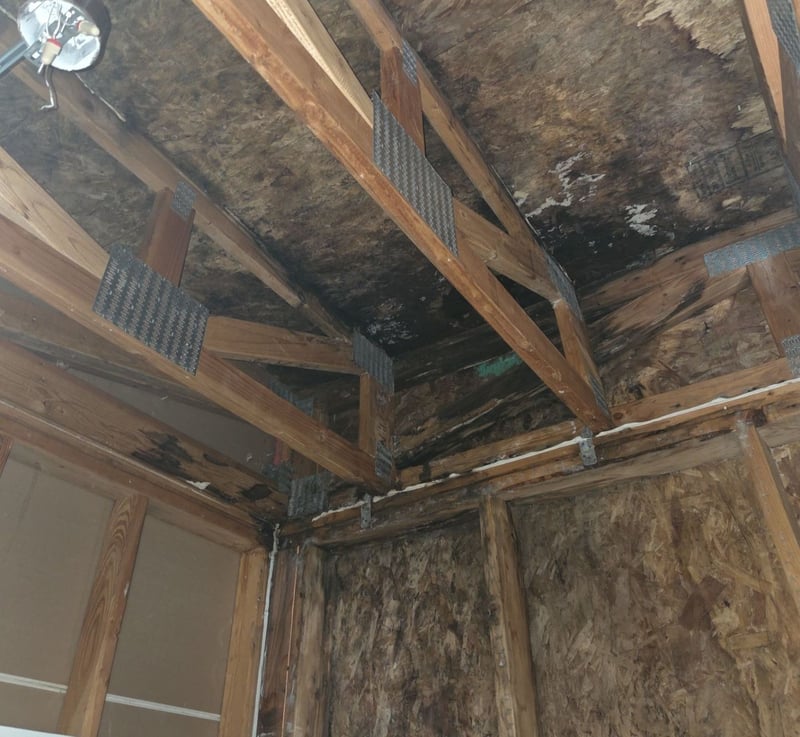
Here are the most concerning issues we have found over and over on these newly built townhomes in Seattle:
- No Thermal Break: For some reason (one that we cannot figure out), many roofers do not install any sort of insulation when building flat roofs and rooftop decks in the Seattle area. The lack of a thermal break (aka foam board insulation) causes widespread condensation within the roof. The worst part is that this condensation is invisible because it’s happening within the roof, between your ceiling and the roof. You have no way of knowing that it’s happening until the condensation gets so bad that it soaks into the ceiling. This is the top issue that we see all of the time in these newly built townhouses.
- Ventilation Doesn’t Work: Some of these flat roofs have a poor attempt at ventilation that doesn’t actually work. For example, we have seen several of these townhouses that have soffit vents. However, there was no exhaust ventilation, rendering them useless. Ventilation doesn’t work well on flat roofs anyway, but it can be used in some cases. The problem here is that there was nowhere for the air to go, so there’s no way that air would flow properly through the roof.
- No Tapering and Poor Roofing Materials: If you do not add a tapering system to a flat roof or rooftop deck, then you are definitely going to have standing water that collects and just sits on your roof. If your roof is covered in TPO or torch down, then it is at risk of leaking because they do not handle standing water well.
- Substandard Construction: Other issues that we’ve noticed on some of these townhouses are built with cheap materials, like when chipboard or OSB is used instead of plywood. We also see a lot of incorrectly installed scuppers and drain pipes, which typically leads to drainage issues and leaks.
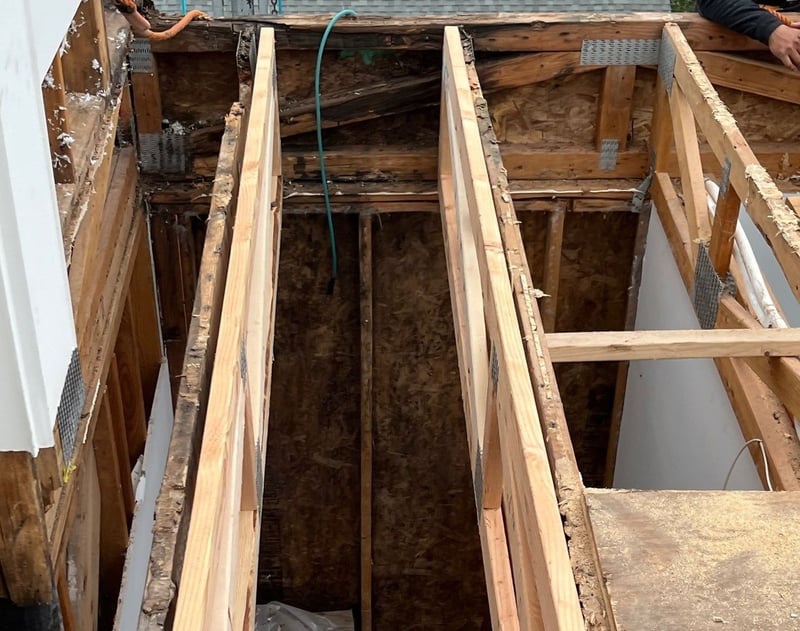
We recently replaced the entire roof and several walls on a townhouse in Seattle that had all of these issues. As a result, they had massive amounts of rot in the roof, siding, and framing. In addition to the rot, there was also mold everywhere due to the moisture buildup from the condensation.
The homeowners noticed a small paint bubble in a closet ceiling. They called out a contractor to inspect the damage. This contractor cut out the bedroom ceiling, revealing severe structural rot and mold.
The homeowner hired us to do a patch job on the roof, but I let them know that they would need a complete roof replacement, and that their walls would probably need the same thing. This is never something that a customer wants to hear, but they appreciated my honesty and my willingness to explain what needed to be done while being transparent about cost.
Common Problems Found on New Seattle Townhouse Roofs
|
Issue |
Why It Happens |
Potential Consequences |
Recommended Solution |
|
No thermal break (foam insulation) |
Builder omits insulation beneath the roofing system |
Condensation, mold, rotting roof decking, structural damage |
Install polyiso or other approved foam insulation during roof replacement |
|
Poor or incomplete ventilation |
Intake vents installed without proper exhaust or ventilation design |
Moisture buildup, trapped humidity, mold growth |
Design a complete ventilation or condensation-control system appropriate for the roof type |
|
No tapered insulation system |
Flat roof built without proper slope |
Standing water, premature membrane failure, leaks |
Install a custom tapered insulation system to improve drainage |
|
Inappropriate roofing materials |
Materials selected that don't perform well with ponding water |
Shortened roof life and recurring leaks |
Choose roofing materials suited for low-slope applications |
|
Incorrectly installed drains or scuppers |
Poor drainage planning or installation |
Overflow, ponding water, leaks |
Correct drainage layout and flashing details |
|
Low-quality roof decking |
OSB or lower-grade materials used where higher performance products are beneficial |
Faster deterioration when exposed to moisture |
Replace damaged decking with appropriate materials such as plywood or DensDeck where applicable |
|
Hidden condensation |
Moisture accumulates inside the roof assembly |
Mold, rot, expensive structural repairs |
Address insulation and vapor control during replacement |
|
Rotting framing |
Long-term hidden moisture damage |
Structural instability and costly reconstruction |
Replace damaged framing and eliminate the moisture source |
|
Mold growth |
Persistent condensation and trapped moisture |
Indoor air quality concerns and wood deterioration |
Remove damaged materials and correct roof design deficiencies |
|
Difficult site access |
Townhouses often have limited equipment access |
Increased labor time and project cost |
Plan logistics carefully and budget for additional labor |
What steps did RoofSmart take to repair a leaking, damaged townhouse roof?
Due to the widespread rot within the roof and walls of this house, there was a lot of work that needed to be done. Here’s a breakdown of what we did:
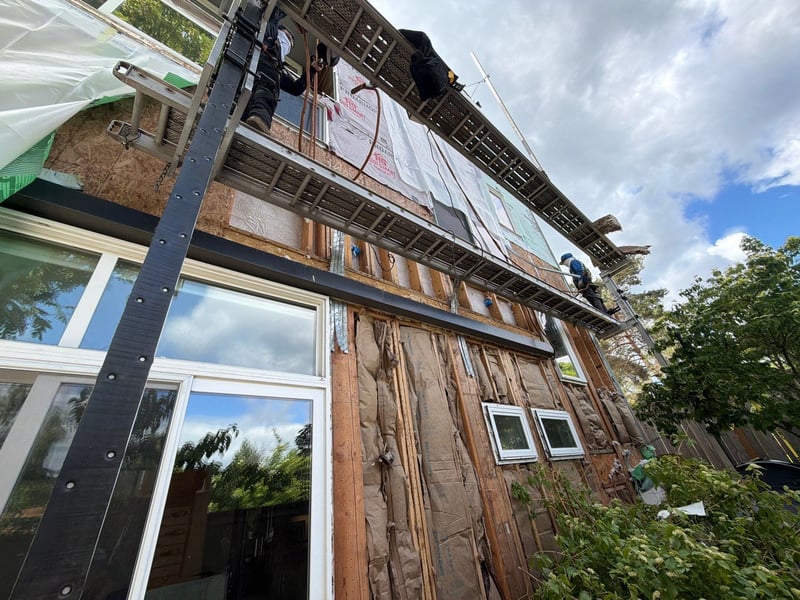
- Structural Rebuild: Replaced 3 rotten trusses (re-engineered by manufacturer) and rebuilt the entire exterior wall.
- New Roof & Deck:
- Installed a custom tapered system to ensure proper drainage.
- Added a polyiso thermal break layer to prevent future condensation.
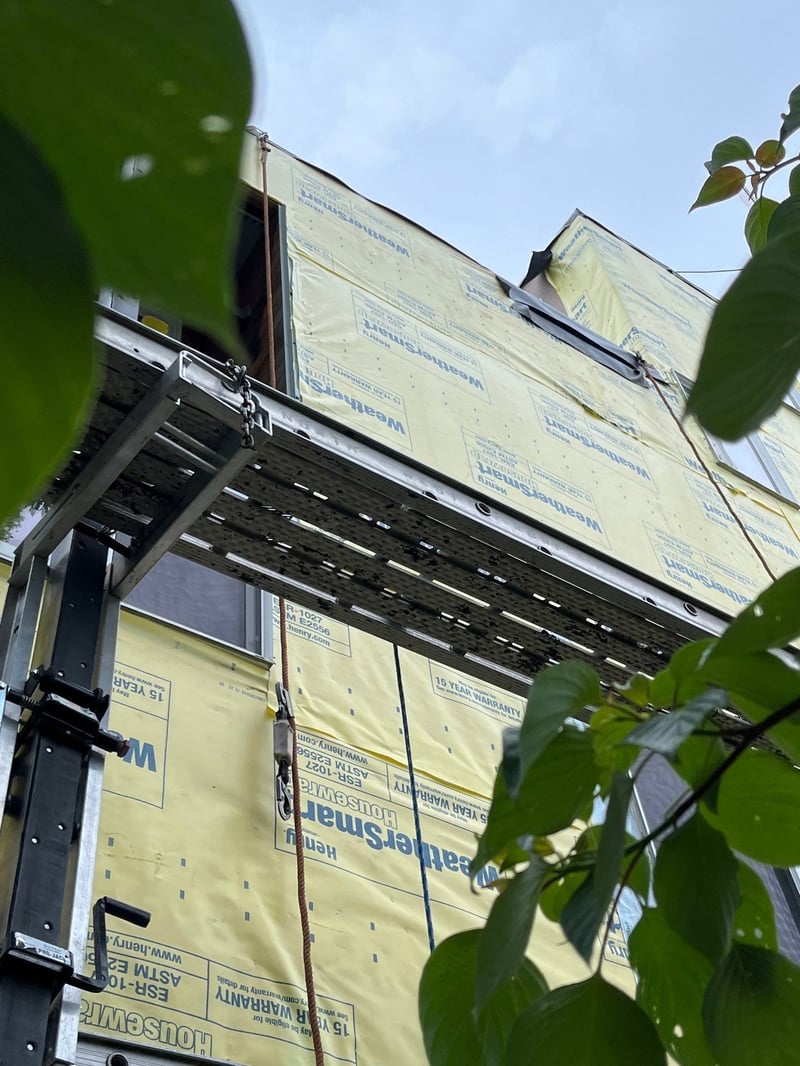
- Used high-quality materials: Titanium underlayment, foam insulation, DensDeck roof decking (because it’s more water-resistant than plywood), new plywood, and new siding.
- Installed a custom tapered system to ensure proper drainage.
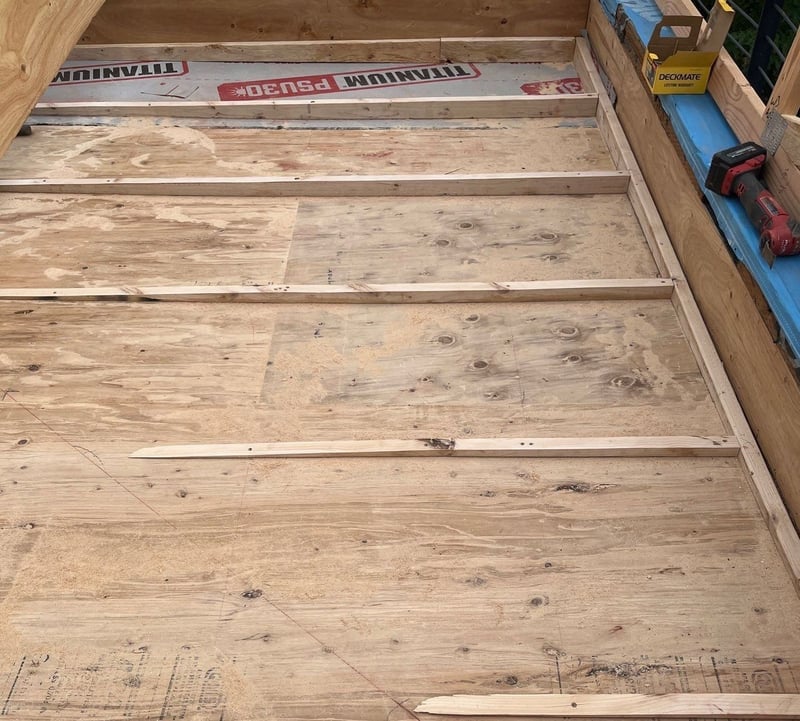
- Deck Restoration: Reused the existing Ipe wood to save the client ~$100k.
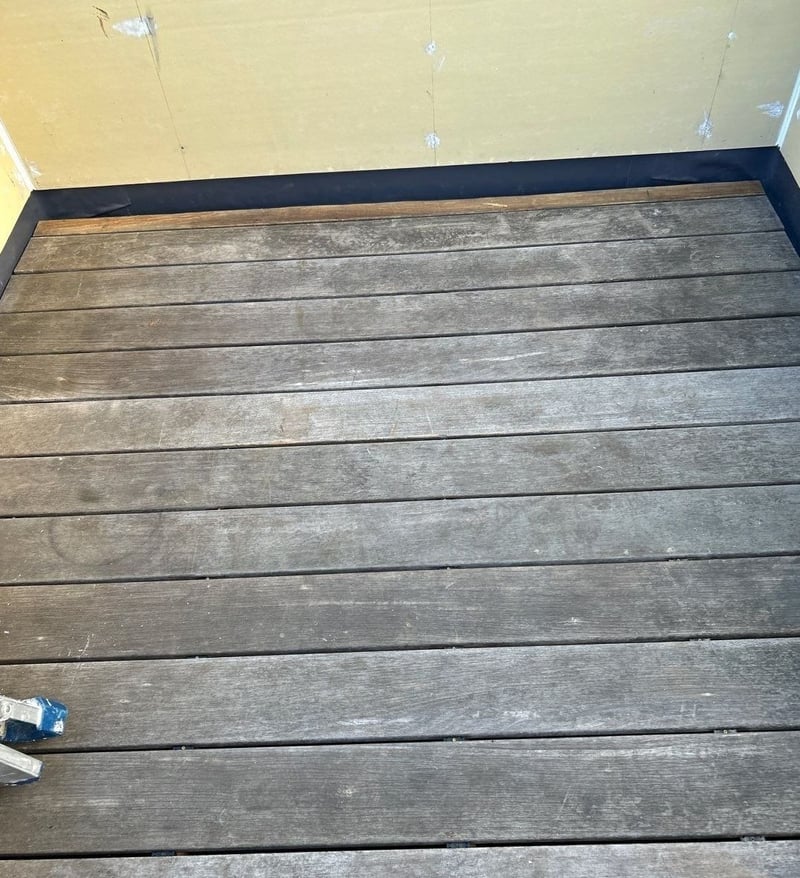
This particular townhouse was built off the road behind some other townhouses, which made accessing the home challenging.
Our crews had to pack all the necessary materials up and down a long driveway. This made the job take longer and increased the overall cost (because of the additional labor needed).
How much does it cost to repair condensation and repair damage on a flat roof in Seattle?
Since condensation is easily hidden within the roof, it can cause a lot of damage before you notice it’s happening. This also means that you’ll have to pay a lot of money to get the roof repaired or replaced.
Here’s a general estimate of what you might be expected to pay for repairing roof damage on your Seattle townhouse:
- Preventative: ~$50k–$60k to address issues early.
- Restoration: ~$100k–$200k+ for full rebuilds after damage occurs.
Flat roof and rooftop deck repairs are expensive because they require a lot of steps and high-quality materials to fix your roof. You have to account for things like:
- Replacing rotting wood
- Mold remediation
- Installing new materials
- Adding the right amount of insulation
- Installing a taper system
- Installing the actual roof/rooftop deck materials
- Replacing the siding
The cost can vary wildly depending on the extent of the damage and what you want to include in your repair. Plus, having to replace an entire wall (or multiple) increases the cost a lot as well.
This customer needed a lot of work done, so their total job cost was on the higher end of the spectrum.
Can a home inspector spot hidden roof problems before you buy?
As this townhouse project demonstrates, a roof can have serious structural problems long before they become obvious. What started as a small paint bubble in a closet ceiling turned out to be widespread rot, mold, failed insulation, and major framing damage that required a complete roof and wall rebuild.
The unfortunate reality is that many of these defects are hidden inside the roof assembly. Without a thorough inspection by someone who understands roofing systems, issues like condensation damage, improper ventilation, missing thermal breaks, and poor drainage design can go unnoticed until the repairs become incredibly expensive.
If you're buying a newer home or townhouse, it's worth asking one important question: Will a standard home inspection actually catch these problems?
Read our article “Does Your Home Inspector Know What to Look For on a Roof?” to learn what home inspectors typically evaluate, the roofing issues they're most likely to miss, and when it's worth bringing in a roofing specialist before you finalize one of the biggest purchases you'll ever make.
Frequently Asked Questions About Condensation Issues on Newly Built Seattle Townhouses
1. Why do so many newer townhouses in Seattle develop roof problems?
Many newer townhouses are built with flat or low-slope roofs, which require careful attention to insulation, drainage, and moisture control. If any of these components are overlooked during construction, condensation can develop inside the roof assembly and cause hidden damage long before homeowners notice a leak.
2. Can a brand-new roof already have hidden damage?
Yes. Condensation damage can begin shortly after construction if the roof lacks proper insulation or moisture control. Because the damage occurs inside the roof assembly, homeowners often don't discover it until paint bubbles, mold, or ceiling stains appear years later.
3. What is a thermal break, and why is it important?
A thermal break is a layer of rigid insulation installed above or within the roof assembly that helps keep the roof deck warm enough to prevent condensation. On flat roofs in Seattle's damp climate, it is one of the most important features for preventing moisture-related rot.
4. What are the first signs that my townhouse roof has condensation problems?
Early warning signs may include:
- Bubbling or peeling ceiling paint
- Musty odors
- Mold growth
- Water stains on ceilings or walls
- Soft drywall
- Excessive indoor humidity
Unfortunately, significant damage often occurs before these symptoms become visible.
5. Why is standing water such a problem on flat roofs?
Flat roofs are designed to drain water, not hold it. If water ponds on the roof because of poor slope or inadequate drainage, roofing materials remain wet longer, increasing the risk of leaks, membrane deterioration, and structural damage.
6. How much can hidden condensation damage cost to repair?
Repair costs vary depending on how extensive the damage has become. Minor corrective work may cost tens of thousands of dollars, while widespread rot involving framing, walls, insulation, siding, and roofing can exceed $100,000 on severely damaged townhouse projects.
7. Can poor ventilation alone cause roof damage?
Yes. If moist indoor air cannot escape the roof assembly, condensation forms when it contacts cooler building materials. Over time, this trapped moisture can cause mold, wood rot, insulation damage, and premature roof failure.
8. Is it common to replace siding and framing during a roof replacement?
It can be. When moisture has been trapped inside the walls for years, contractors often discover rotted sheathing, framing, siding, or structural components that must be replaced before a new roofing system can be installed properly.
9. How can I tell if my townhouse builder cut corners on the roof?
A professional inspection can identify issues such as missing insulation, improper drainage, poor flashing, inadequate ventilation, low-quality materials, or early signs of condensation damage. Many of these problems cannot be seen from the ground or inside the home until significant damage has already occurred.
10. Can these roof problems be prevented?
In many cases, yes. Proper roof design, adequate insulation, effective moisture control, quality drainage, correctly installed flashing, and careful construction practices all work together to help prevent the condensation and leak problems commonly found on some flat-roof townhouses in the Seattle area.
Topics:
