

Are you worried that trying to combine a roof replacement with multiple home additions could turn into a complicated, expensive mess? Do you feel unsure whether it’s even possible to tackle a roof replacement and major expansions at the same time without creating leaks or structural problems?
Taking on a roof replacement alone is a big project, but combining it with multiple additions introduces a whole new level of complexity.
At RoofSmart, we have 15 years of experience doing roofing, framing, carpentry, siding, and other services that span beyond the roof. We have even had customers referred to us by other roofing companies in the area because they know we can do complicated construction projects.
In this case study, we’ll walk you through what happened when we replaced a roof for a customer in North Bend while adding multiple additions, the challenges to expect on this type of project, and how to approach the project so everything comes together safely, efficiently, and without costly mistakes.
What Happens When You Delay Roof Replacement
|
Stage |
What’s Happening |
Areas Affected |
Visible Signs |
Cost Impact |
|
Aging Roof |
Materials wear out |
Shingles, flashing |
Curling, granule loss |
⚠️ Low |
|
Initial Leaks |
Water enters roof system |
Decking, seams |
Usually none visible |
⚠️ Moderate |
|
Hidden Damage |
Moisture spreads |
Attic, insulation |
Musty smells, damp areas |
⚠️ High |
|
Rot & Mold |
Wood begins breaking down |
Decking, framing, siding |
Dark wood, soft spots |
❌ Very High |
|
Structural Damage |
Load-bearing areas weaken |
Rafters, walls, foundation |
Sagging or instability |
❌ Critical |
|
Interior Damage |
Water reaches inside |
Ceilings, walls |
Stains, bubbling paint |
❌ Critical |
|
Full System Failure |
Roof no longer protects home |
Entire structure |
Major leaks, visible damage |
❌ Maximum cost |
What Happens If You Wait Too Long to Replace Your Roof?
Waiting too long to replace your roof can lead to further damage. In the rainy Seattle weather, this usually means that your roof springs a leak, and the damage from that is left to spread.
A lot of homeowners in the Seattle area hesitate to replace their roof early because it is an expensive project to take on. This is a valid concern since Seattle and the surrounding areas have high labor costs due to the high cost of living.
Sadly, waiting too long to fix your roof can make the entire project more expensive because it gives more time for leaks to rot the wood all over your roof and siding.
This customer called us up because she wanted a new roof. Her roof was old, so she knew that it was time to get it replaced. Aside from that, this customer also wanted to build several additions on her home and knew that we could do it because of the information we posted on our website.
In addition to the roof being old, there were a lot of leaks all over the roof, and even in the walls and foundation of the house. Here are some examples of leaks that we discovered during the roofing and remodeling process:
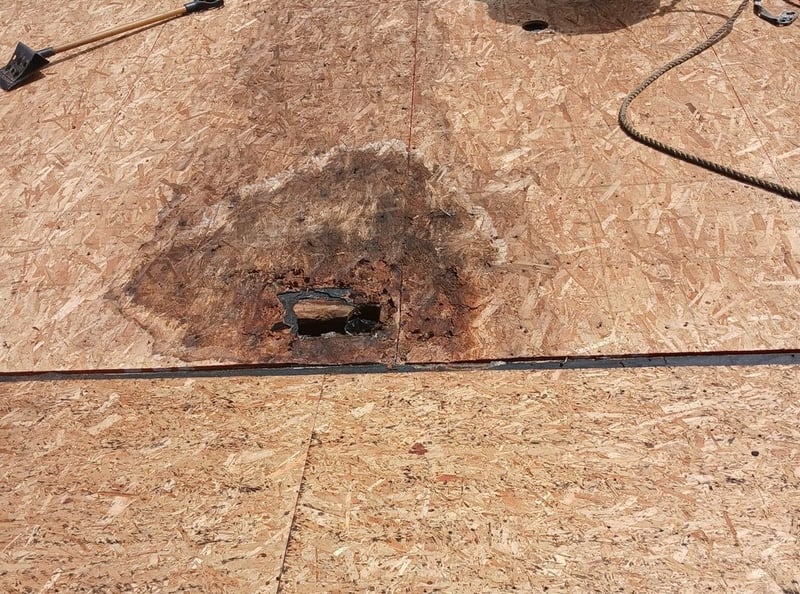
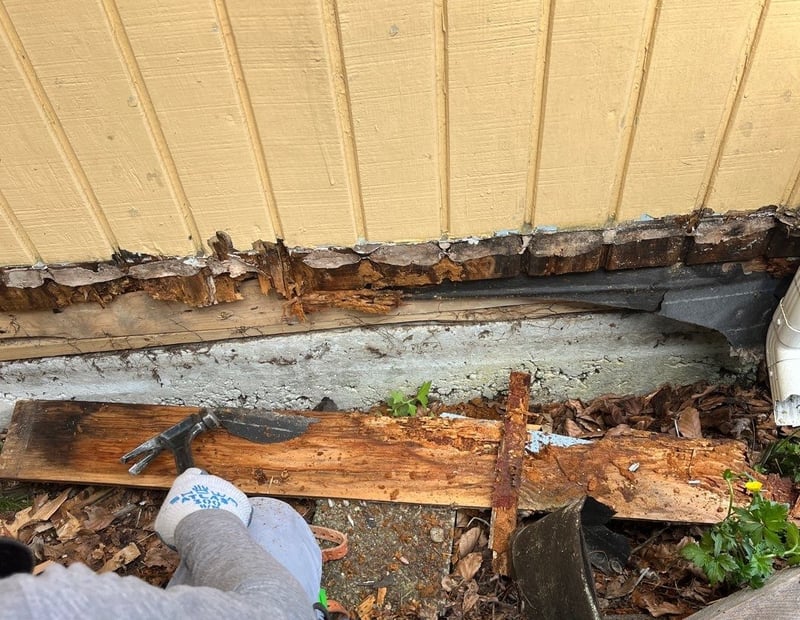
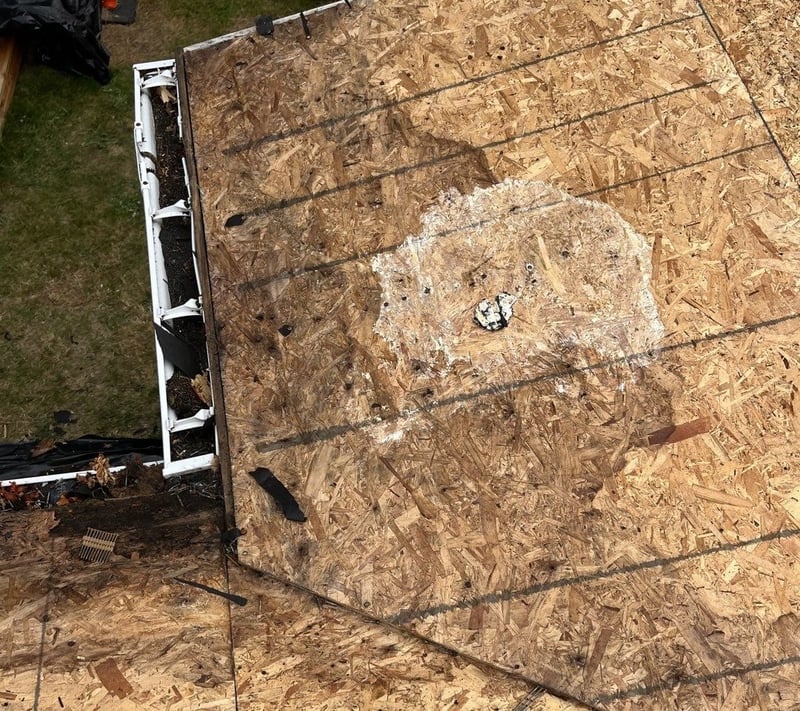
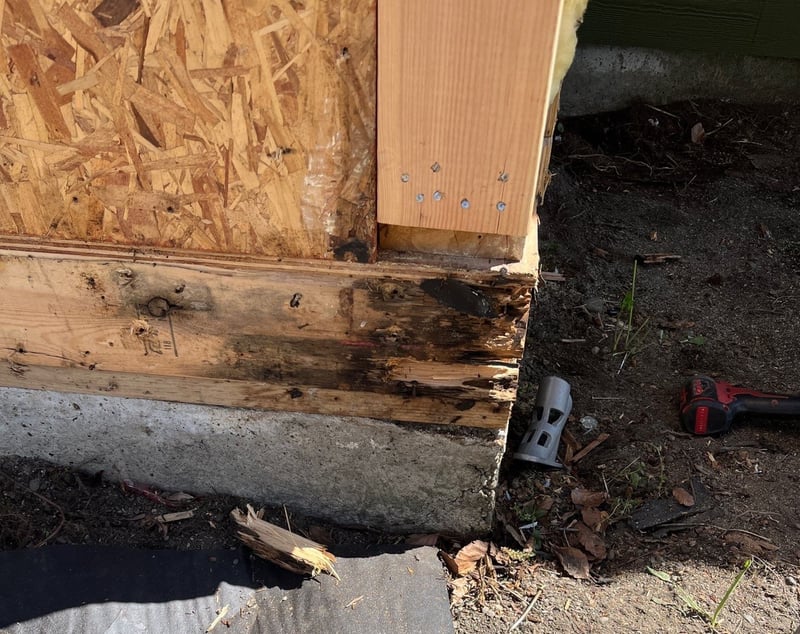
When a roof gets old and worn out in the Seattle area, it’s very common for leaks to become an issue. On this roof, there were several places that were leaking, causing the OSB roof decking to start rotting and even grow mildew and mold in some places.
The roof was rotting in the spot where they had built an addition onto the house. It wasn’t installed properly, so there was a fair amount of leaking going on at the edge of the original roof where it met the addition.
The siding also had leak issues due to poor installation. So, while we were working on the siding during the remodel project, we also had to replace all of the siding.
How Do You Add Multiple Additions Onto an Existing House? (Case Study Example)
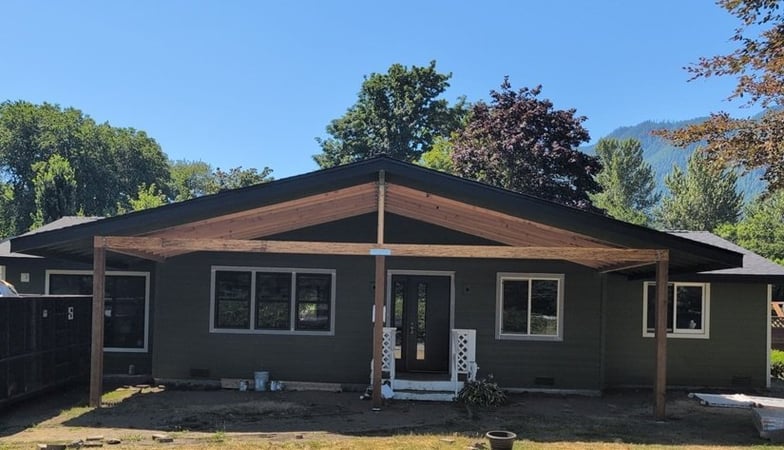
For this project, we ended up building 3 separate additions on the house, replacing the roof, and even painting the siding.
This before-and-after picture gives you a quick overview of what we changed on this home:
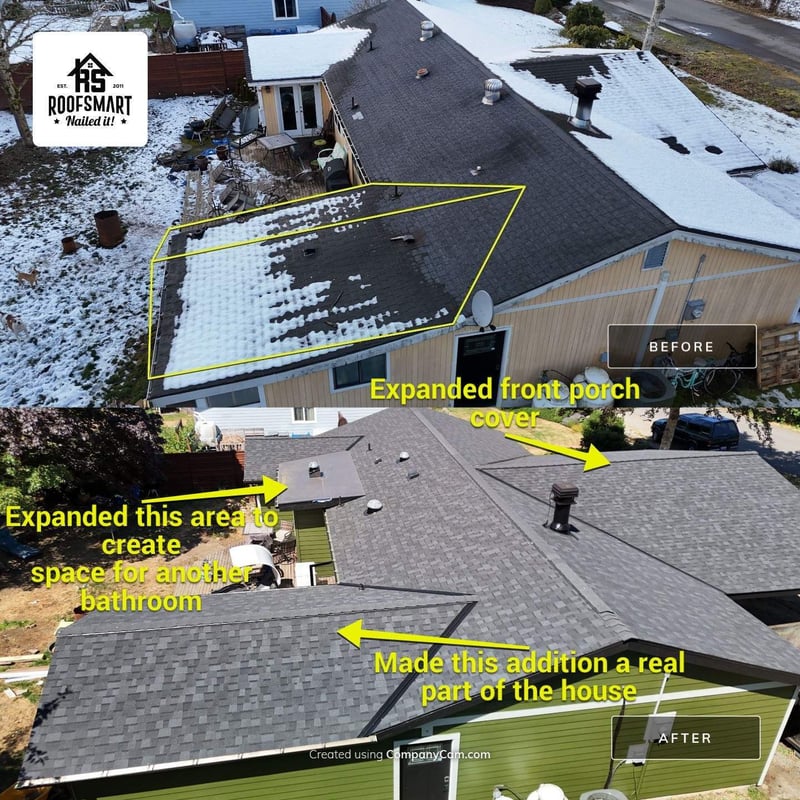
We started on the back of the house and did each expansion one by one until all of them were complete. That way, we didn’t have to worry about an unfinished roof or wall getting damaged by the weather.
1.) How Do You Replace a Shed With a Permanent Home Addition?
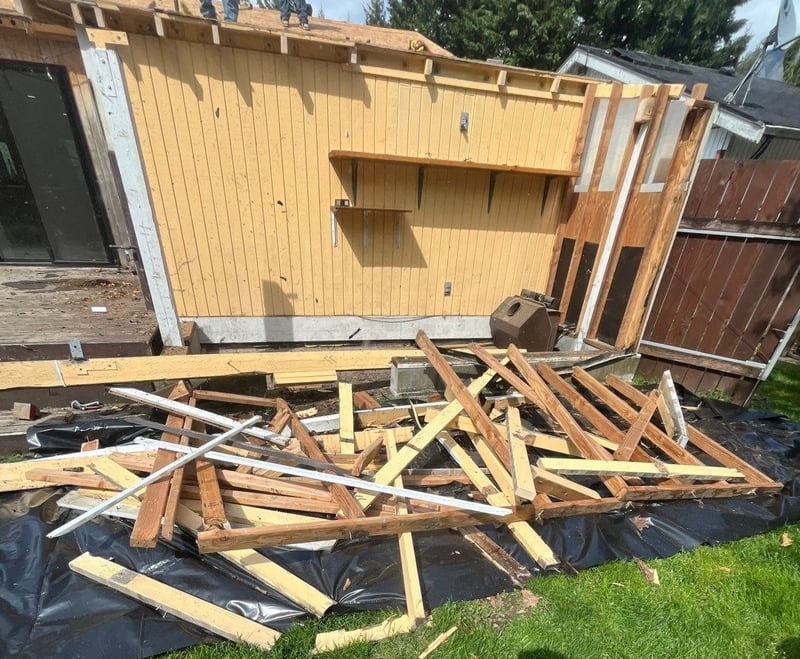
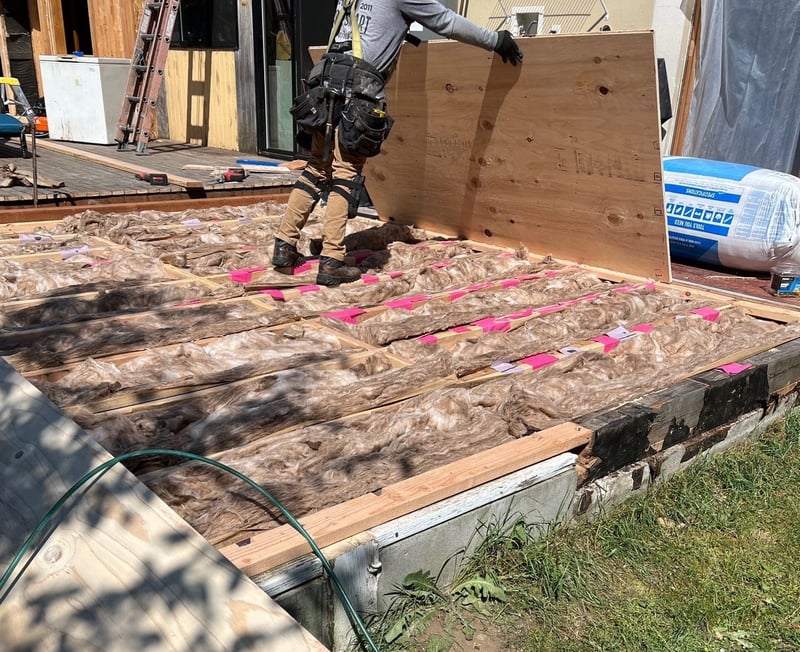
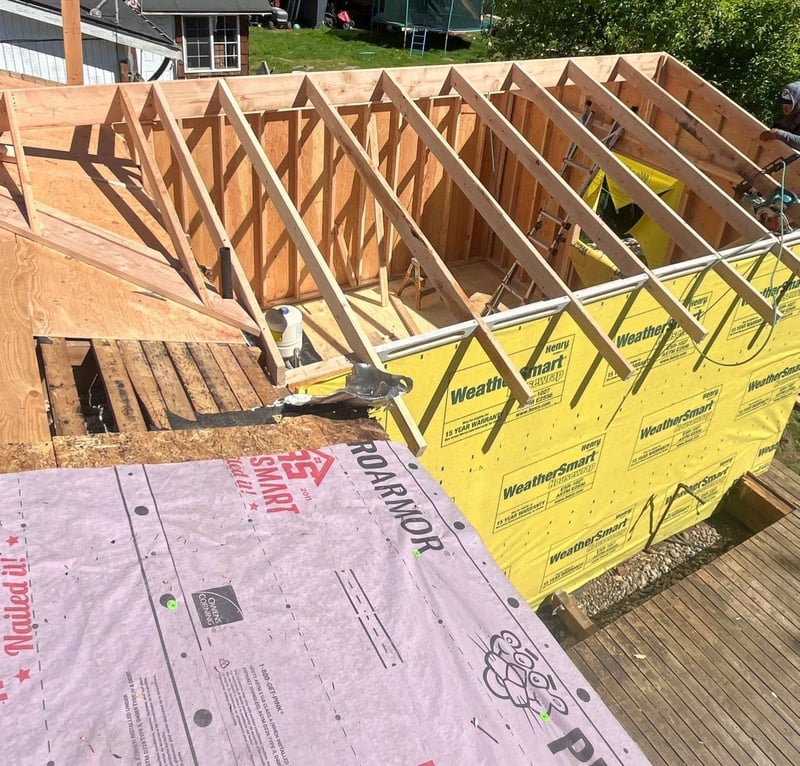
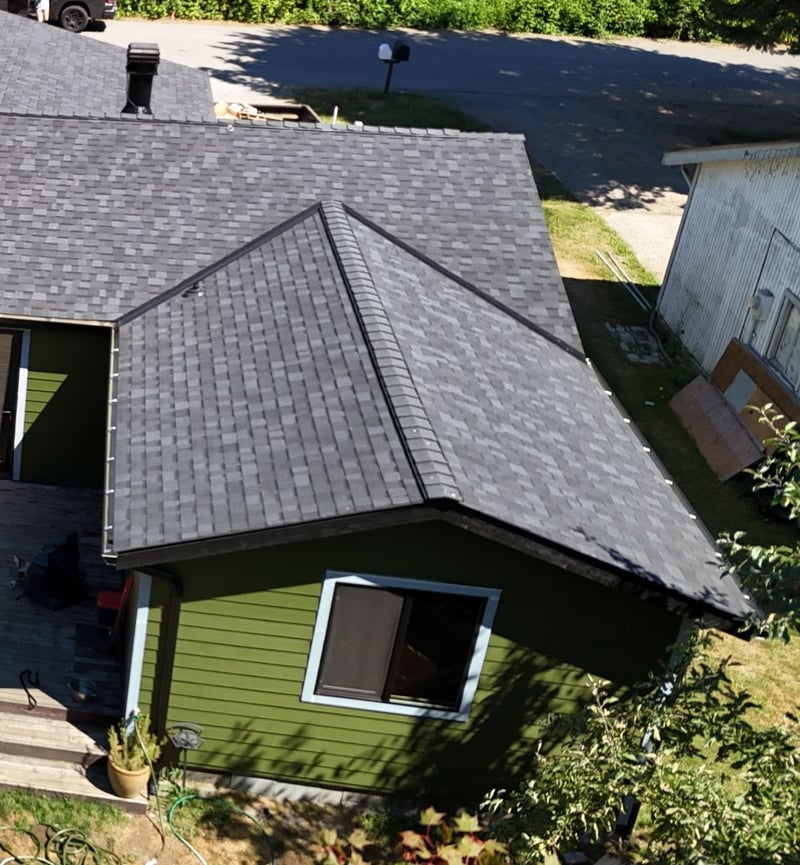
This customer had a little shed attached to the back of the house that the family used for storage and laundry. It wasn’t built very well, so it was sagging and leaking. We tore the entire thing down, made the foundation sturdier, and then rebuilt it. We put up all the walls, installed the roof framing, and roofed it so that it became a cohesive part of the house. Now, the family has an insulated, structurally sound laundry room and storage space that is safe from leaks and pest infestation (there were a ton of mice in the foundation of the previous addition because there were gaps where they could get in).
2.) How Do You Expand Your Home to Add a Bathroom?
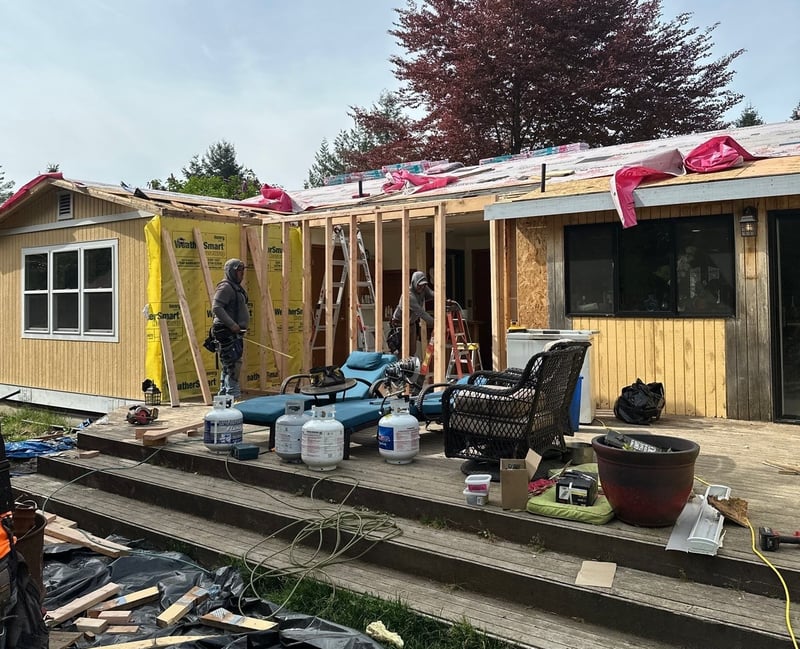
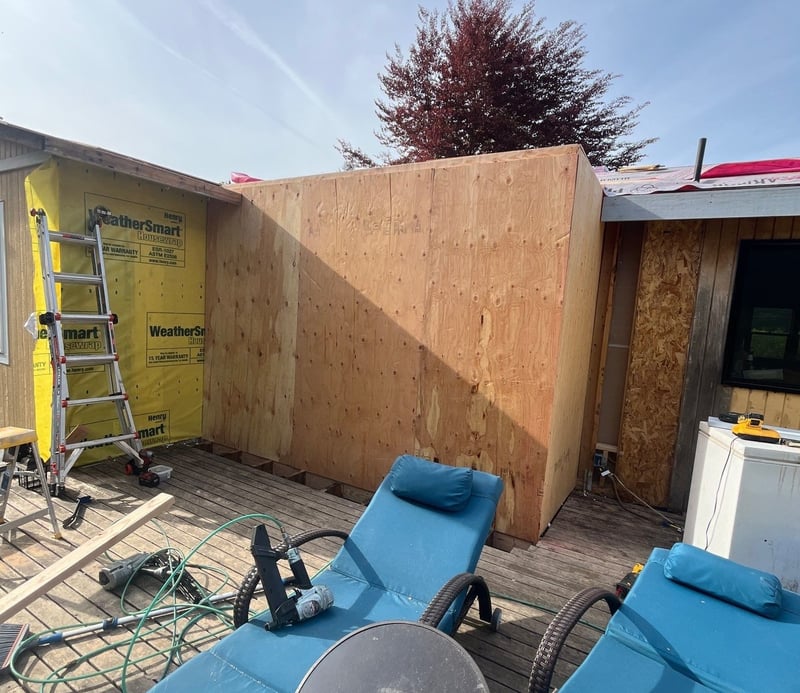
The customer also requested that we expand part of the outer wall on the back porch out several feet so that they could install another bathroom in the home. So we took out the door, bumped the wall out three feet, and reinforced everything down below. Now they have room to complete the master suite by adding a bathroom to it.
3.) How Do You Build or Expand a Covered Patio Entrance?
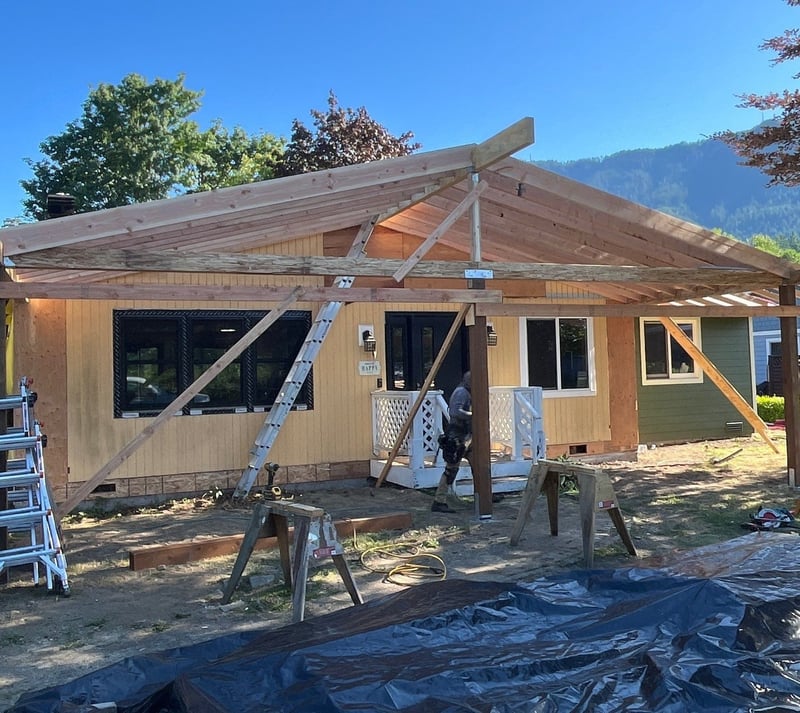
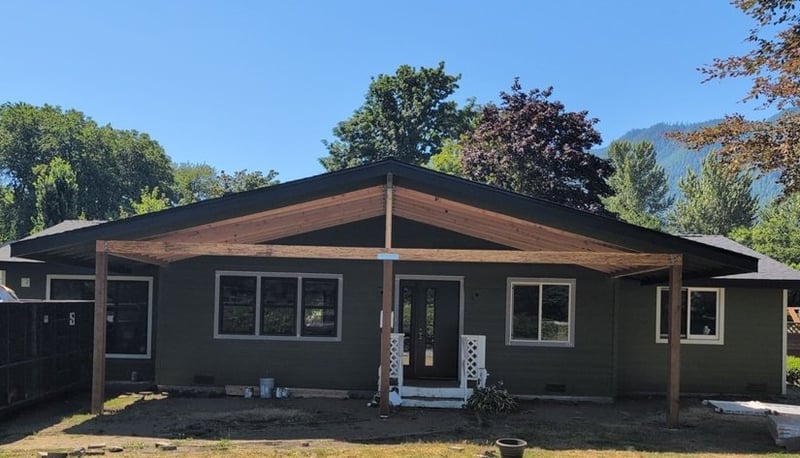
The final expansion was to extend the patio cover on the front of the house to make the front entrance grander and provide more coverage for the patio area. We tore down their old porch and then set up the new porch cover. We had to set new posts, build all of the framing, and install a huge support beam. It is a paralam beam, with birdmouth rafters (birdmouth is a way of cutting the rafters so that they sit properly on top of the support beam). The patio cover was designed by an engineer (based on a rendering that I produced after consulting the customer) that the customer hired to make sure that everything would be sturdy and up to code. The customer told us that they would take care of the actual patio separately.
What Other Problems Are Discovered During a Roof Replacement or Remodel?
While we were doing this expansion work on the house, we noticed that the siding was rotten, so we ended up replacing the siding on the entire house.
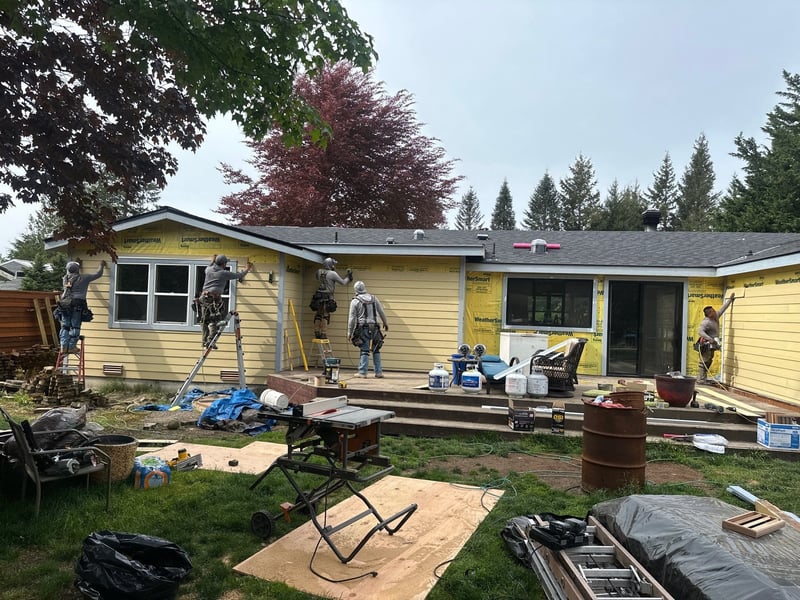
There are a variety of different issues that we might find during a remodel project, but rotten siding is the most common. Other common issues (that weren’t found on this project) include:
- Under-framed roofs
- Poor attic ventilation
- Extensive rot in the framing
- Mold
- Lack of insulation
After redoing the siding and installing the new roof, our final step was to paint the house.
We do offer painting services, but normally, the rainy weather makes it difficult. Luckily for this customer, we were doing this project during the summer, so we were able to take care of the paint job for them.
In the end, this customer was extremely pleased to have a new roof and new siding with fresh paint. She was also excited to have the extra indoor and outdoor space that will not only improve her family’s enjoyment of the space but also increase the home’s value.
What Should You Expect When Combining a Roof Replacement with a Full Home Redesign?
As you’ve seen in this case study, combining a roof replacement with multiple additions is absolutely possible, but it requires careful planning, the right sequencing, and a team that can handle both roofing and structural work.
From tearing down failing structures to rebuilding additions and uncovering hidden issues like rot and siding damage, projects like this are rarely straightforward. Every step needs to be coordinated to keep your home protected from the weather while making steady progress.
That’s why understanding the process is just as important as understanding the challenges.
Read next: What Happens During a Roof Redesign Project with RoofSmart?
https://getroofsmart.com/blog/what-happens-duringroof-redesign-project-with-roofsmart
This article walks you through the full step-by-step process of a roof redesign project so you know exactly how everything is planned, managed, and executed from start to finish.

Frequently Asked Questions About Roof Leaks and Building Additions
1. What happens if I wait too long to replace my roof?
Delaying a roof replacement allows small issues to grow into major problems.
What starts as minor wear or a small leak can turn into widespread rot, mold, and structural damage. The longer you wait, the more areas of your home can be affected.
2. Why does delaying a roof replacement make the project more expensive?
Because damage spreads over time.
Instead of just replacing roofing materials, you may also need to:
- Replace roof decking
- Repair framing
- Fix siding or interior damage
This can significantly increase the total project cost.
3. How do roof leaks spread through a home?
Water doesn’t stay in one place.
Once it enters the roof, it can:
- Travel along decking and rafters
- Soak into insulation
- Spread into walls and even the foundation
This is why a small leak can lead to widespread damage.
4. Can roof leaks affect areas beyond the roof itself?
Yes.
Leaks can extend into:
- Siding
- Walls
- Foundation areas
- Interior living spaces
In severe cases, the damage can impact multiple systems throughout the home.
5. Why are additions especially vulnerable to leaks?
Additions often create weak points where two structures meet.
If not installed correctly, these areas can:
- Allow water to enter at seams
- Cause leaks at roof-to-wall transitions
- Lead to hidden rot over time
6. What are common problems discovered during roof replacement or remodeling?
Contractors often uncover issues like:
- Rotting siding
- Mold or mildew
- Poor attic ventilation
- Under-framed structures
- Lack of insulation
Many of these problems are hidden until the roof is opened up.
7. Can an old roof cause damage to new additions?
Yes—and this is a major risk.
If you build additions onto a home with an aging or leaking roof, the existing issues can:
- Spread into the new structure
- Compromise the new work
- Lead to costly rework
8. How do you safely build multiple additions onto a home?
The best approach is to work in phases.
By completing one section at a time, you:
- Protect exposed areas from weather
- Maintain structural stability
- Reduce the risk of water damage during construction
9. Why is proper installation critical for additions and roof transitions?
Because transitions are one of the most common leak points.
If flashing, sealing, or framing is done incorrectly, water can easily enter and spread throughout the structure.
10. Is it better to replace your roof before starting a remodel or addition?
Yes, in most cases.
Replacing the roof first ensures:
- A solid, leak-free foundation
- Better integration with new additions
- Reduced risk of hidden damage spreading
This can save money and prevent major issues during the remodel.
Topics:
