

TL;DR: Summary
Poor attic ventilation and condensation can cause asphalt shingles to fail years before their expected lifespan. Without proper airflow, trapped heat dries out shingles from below while excess moisture leads to mold, rot, and structural damage within the roof.
In this case study, a church's 10-year-old asphalt shingle roof was already cracking and deteriorating because the attic lacked adequate ventilation and insulation. The long-term solution was to install a vented roof deck, replace rotted structural components, and rebuild the roof with a ventilation system that controls both heat and condensation while maintaining the manufacturer's warranty.
The key takeaway: if your attic has ventilation or condensation problems, simply replacing the shingles won't solve the issue. Addressing the underlying airflow and moisture problems is essential to protect your investment and maximize the lifespan of your new roof.
Have you been told your asphalt shingle roof just "wore out," even though it's only 10 or 15 years old? Are you worried that replacing the shingles alone won't solve the real problem and that you'll end up dealing with the same leaks, mold, or rot all over again?
At RoofSmart, I've inspected hundreds of roofs throughout the Seattle area where the shingles weren't actually the root of the problem. In this case, a local church had shingles that were failing years before they should have because the roof had virtually no ventilation, and ongoing condensation was quietly rotting the structure beneath them. By identifying the underlying issues instead of simply replacing the shingles, I was able to design a roofing system that addressed both premature shingle failure and the moisture causing it.
In this case study, you'll see how poor ventilation and condensation can dramatically shorten the life of an asphalt shingle roof, why replacing shingles alone isn't enough, and how installing a properly designed vented roof deck helped protect this roof for the long term.
How long do shingles last on a roof with no ventilation in Seattle?
Having proper attic ventilation is an important part of keeping your shingles in good condition for as long as possible. So, if your attic has poor airflow, your shingles can fail prematurely (typically around 15 years or less).
An attic with poor airflow usually gets extremely hot, especially in the summer. This roasts your shingles from the inside, causing them to dry out and crack. It also leads to heavy granule loss. This can happen as early as 10 years after getting the shingles installed.
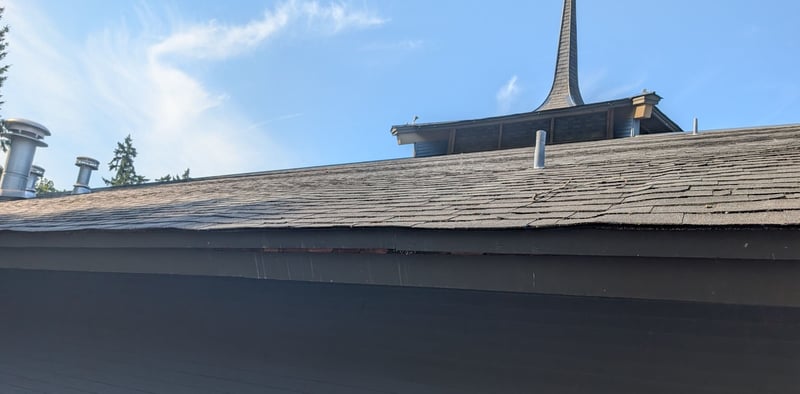
For example, we recently replaced the roof on a local church that had no ventilation. The shingles had been installed only 10 years before, but they were already dry and starting to crack, warp, and come apart.
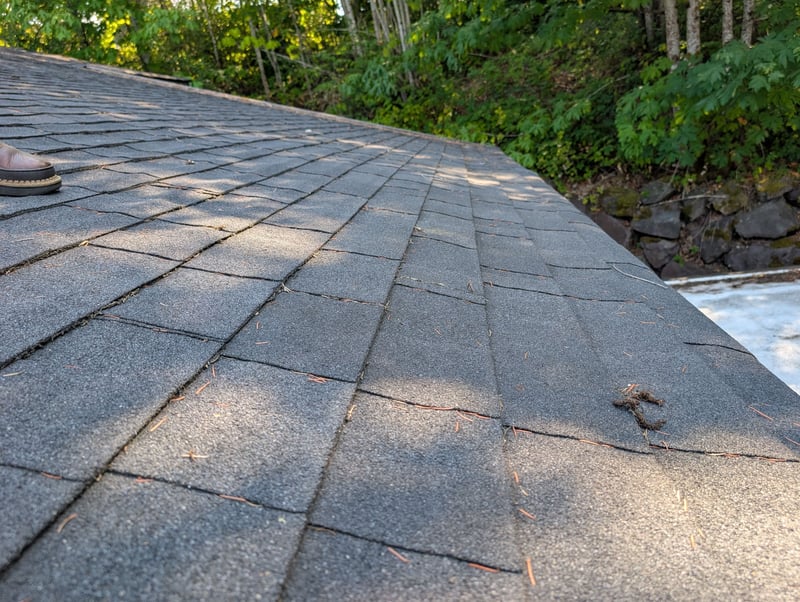
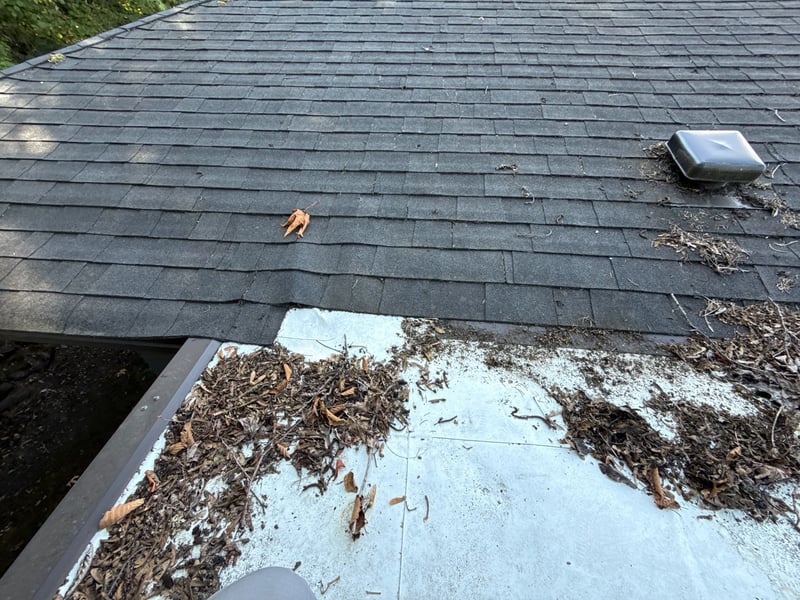
In addition, the owner noticed sections that clearly had moisture damage. It was initially thought to be a leak, but when I did my inspection, I realized that it was actually condensation.
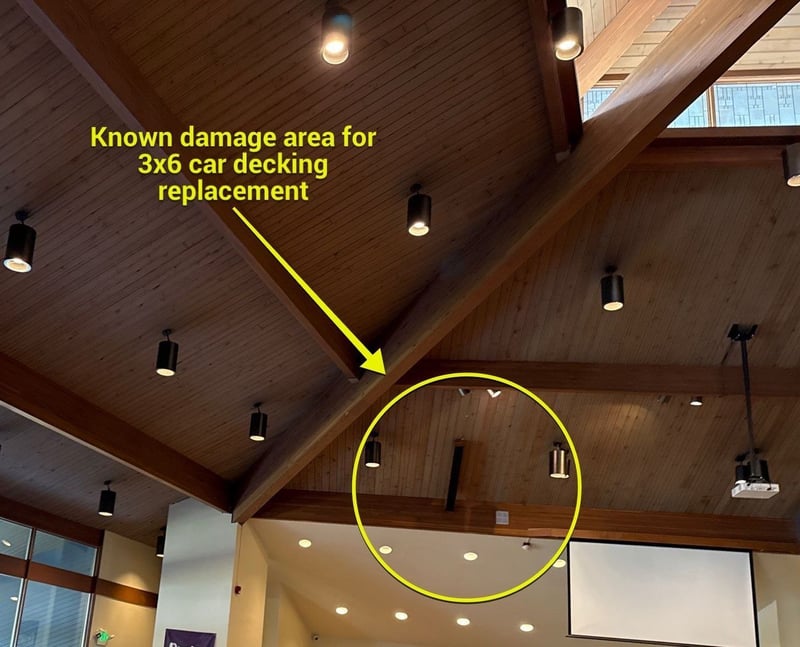
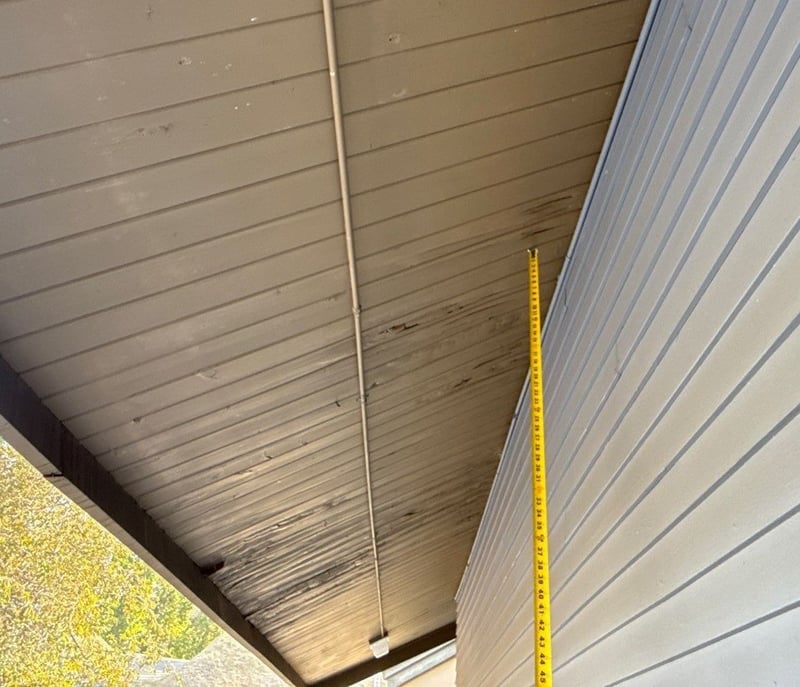
The roof had no ventilation and not enough insulation, which caused condensation to form. As a result, there was a lot of rotting wood all over the roof.
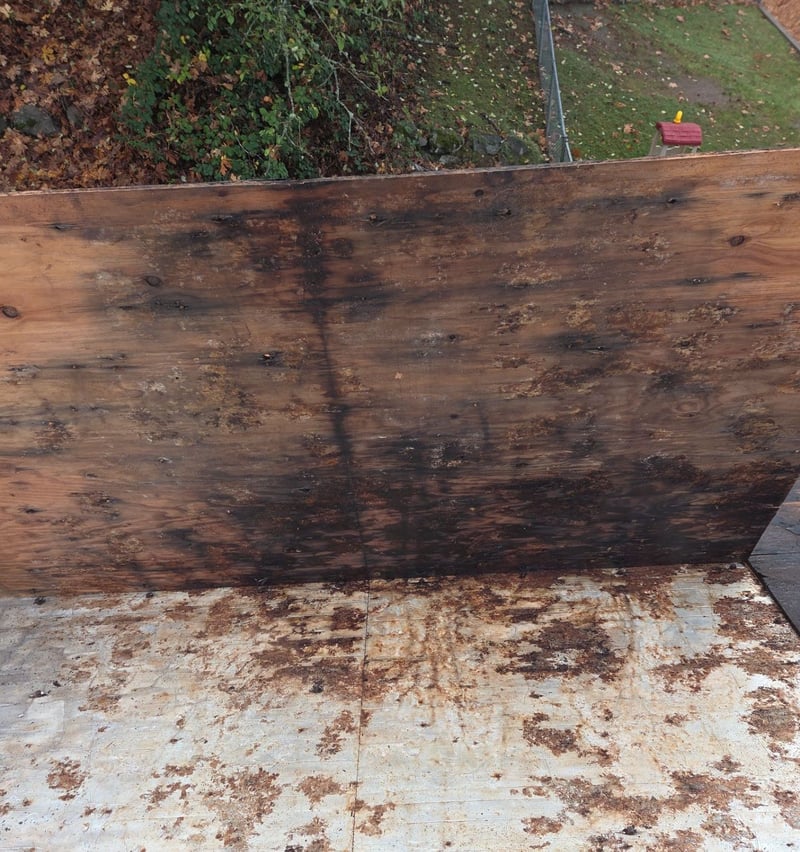
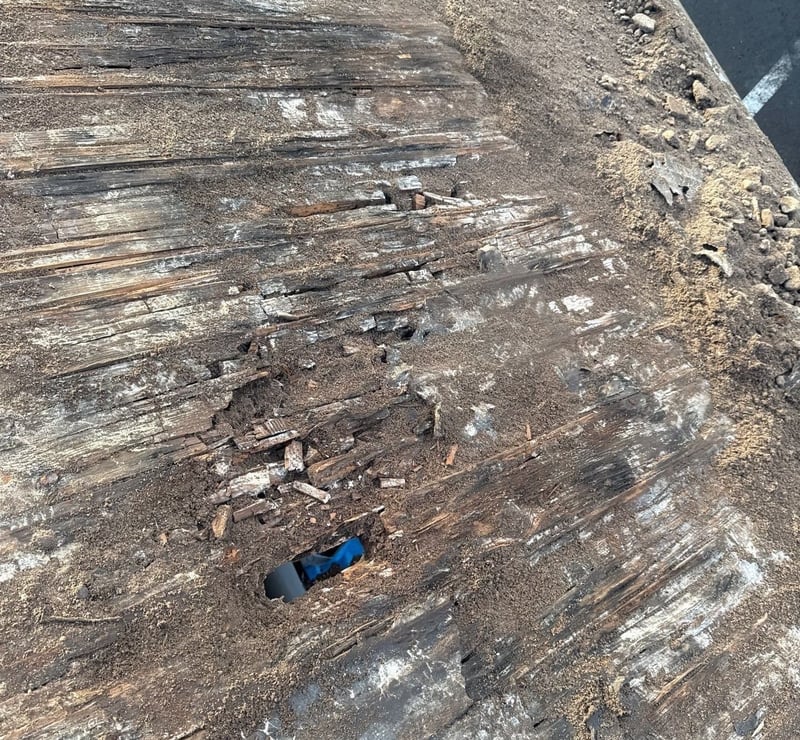
There were two sections on this roof with shingles: the main chapel area and the gymnasium area. The gymnasium roof was also failing prematurely (cracking shingles), so we decided to add it to the project to make sure that the customer had the same warranty protection on both sections.
How Poor Ventilation and Condensation Damage Asphalt Shingles
|
Problem |
What Causes It |
What Happens to the Roof |
Common Warning Signs |
Recommended Solution |
|
Excessive attic heat |
Heat builds up due to lack of airflow |
Shingles dry out and age prematurely |
Cracking, curling, warping, and brittle shingles |
Install balanced intake and exhaust ventilation |
|
Heavy granule loss |
Heat dries, cracks, and weakens the shingles |
The protective surface wears away too quickly |
Granules in gutters and exposed asphalt |
Correct ventilation before installing new shingles |
|
Condensation beneath the roof deck |
Warm indoor vapor reaches cold roof surfaces |
Moisture collects inside the roof assembly |
Damp decking, dark stains, mold, and rot |
Add foam insulation for a condensation-control system |
|
Premature shingle failure |
Heat and moisture attack the roof from below |
A roof expected to last decades may fail in 10–15 years |
Widespread cracking and deterioration |
Replace damaged roofing after correcting the root cause |
|
Rotten roof decking |
Condensation repeatedly soaks into plywood or wood boards |
The decking loses strength and cannot hold fasteners properly |
Soft, dark, or crumbling wood |
Remove and replace damaged decking |
|
Mold growth |
Trapped moisture cannot dry |
Mold spreads across decking and framing |
Musty odors and visible growth |
Eliminate the moisture source and remediate affected materials |
|
Damaged structural wood |
Moisture spreads from decking into beams and framing |
Rafters, beams, or specialty decking weaken |
Sagging, splitting, or severe decay |
Repair or replace damaged structural components |
|
Voided shingle warranty |
Roof does not meet the manufacturer’s ventilation requirements |
A defect claim may be denied |
Warranty documents require proper ventilation |
Build the new roof to the manufacturer’s specifications |
|
Failed vaulted-ceiling ventilation |
Limited attic space prevents normal airflow |
Heat and moisture remain trapped in isolated cavities |
Hot ceilings, condensation, and localized rot |
Install a properly designed vented roof deck |
|
Shingles installed on an unstable base |
Roofing is fastened directly into foam or over unsuitable layers |
Shingles may move, loosen, or fail early |
Uneven surfaces and poor fastening |
Install solid plywood decking above the vented cavity |
How do you get rid of condensation and ventilation issues in the attic?
This church has vaulted ceilings, which don’t typically leave a lot of space in the attic for ventilation. So, to fix this problem, we can do something called a vented deck, which is where we add foam insulation to the roof and then use wood runners to elevate the roof deck.
That way, air has room to flow underneath the shingles. And the foam insulation keeps the roof at the right temperature to prevent condensation from forming.
Here are the steps that the roofing crew took to replace the roof and add a vented deck.
- Tear-off: Some sections had asphalt shingles nailed directly into the foam insulation. In other spots, there was a second layer of shingles under the first. Once all of this came off, the crew could replace any boards that were rotting to make sure that the roof decking was all solid and in good shape.
- Vented deck: The next step was to add a new vented deck system on both sections of the roof. Over the gymnasium roof, we used drip edge vents, and on the other section, we used vented fascia as intake vents. The crew installed furring strips vertically along the roof to create an elevated surface for the vented deck. Then they installed plywood over top of that.
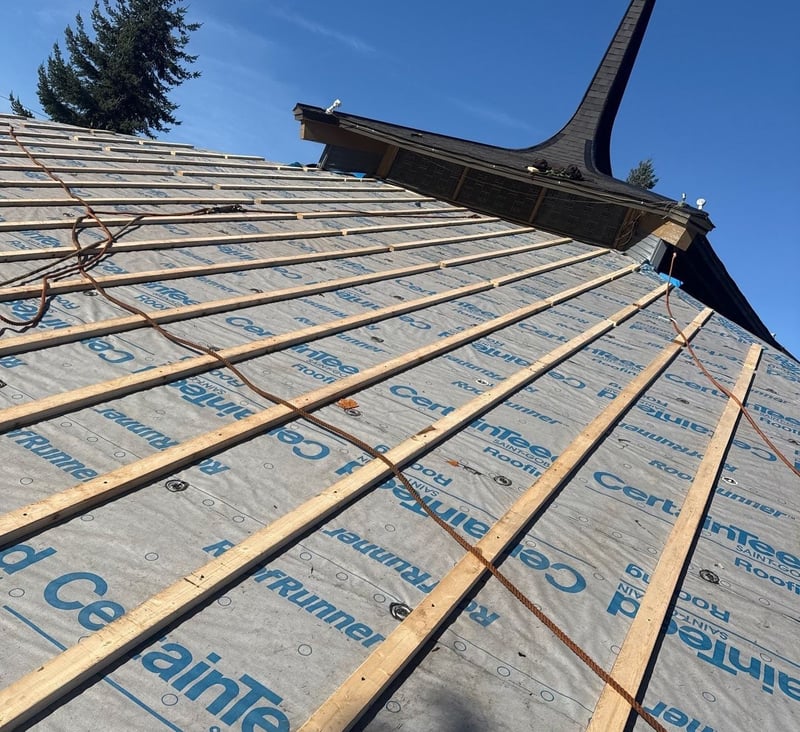
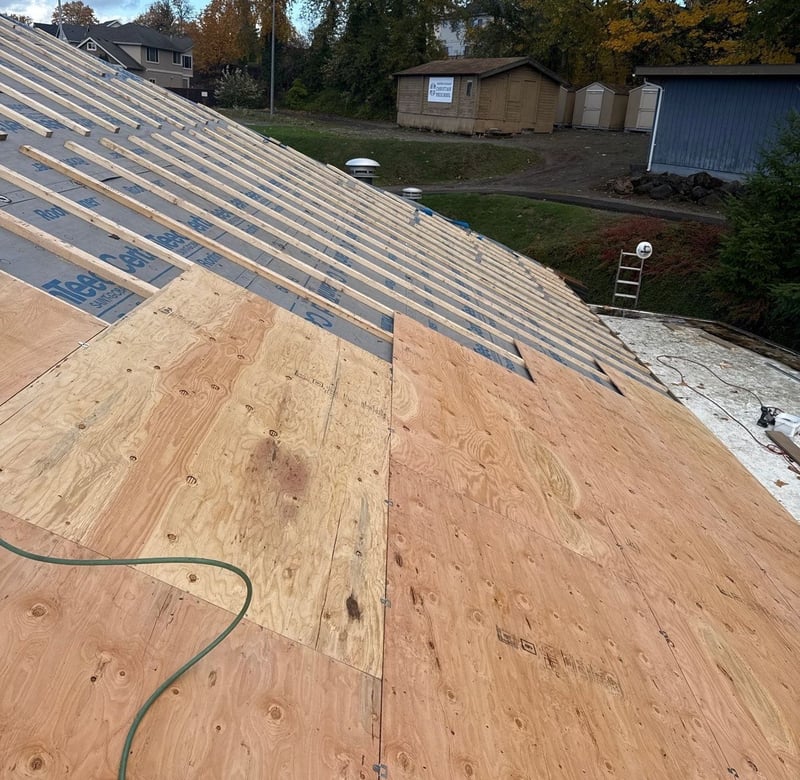
After that, the next two layers installed were ice and water shield and then the shingles.
- Structural Repairs:
- Car Decking: Our crew also replaced 3x6 car decking that was damaged by moisture intrusion on the ceiling. This required custom sourcing.
- Rotted Beam: There was a very rotten beam in a corner of the roof that needed to be completely replaced.
Why did the customer choose RoofSmart for this roof replacement project?
At RoofSmart, we understand that we’re more expensive than other roofing companies out there. However, we also do high-quality work and pay close attention to detail so that we can properly fix all of your roofing issues.
Understandably, our high prices can make customers hesitant at first, but once they see that we also offer top-quality work that addresses issues other roofers don’t, they choose to work with us.
For example, that’s what happened with this customer. Our proposal was higher than the others that this customer got, but we were also doing more work. No one else was going to a vented deck, which is the only way to fix the condensation and ventilation problem.
Also, a vented deck was required to maintain the CertainTeed shingle warranty (it gets voided if the roof does not have proper ventilation). The customer was upset that the roof didn’t have proper ventilation and voided the warranty the first time, so it was a priority for him to make sure that he would be able to maintain it this time around.
As I always do, I made sure to clearly explain to the customer why our prices were higher than others and the added value that he would get if he chose us. He decided to go with us at RoofSmart because he could see that we had the expertise to fix all of the roof’s problems.
In the end, he was very happy with his decision and is relieved that there are no more condensation problems causing the roof to rot.
Why do cathedral ceilings usually have condensation problems in Seattle?
As this case study demonstrates, asphalt shingles weren't the reason this church's roof failed after only 10 years. The real issue was that the roof assembly had excessive heat and moisture. Without adequate ventilation and condensation control, the shingles deteriorated from the inside out while hidden moisture quietly rotted the roof structure beneath them.
This is a common problem on buildings with vaulted or cathedral ceilings. Because there's little or no attic space, these roofs don't have the airflow that conventional attics rely on, making them especially vulnerable to trapped moisture, mold, and premature roof failure if they aren't designed correctly.
Read our article "Is Your Cathedral Ceiling Trapping Moisture and Ruining Your Roof?" to learn why cathedral ceilings create unique ventilation challenges, the warning signs of hidden moisture problems, and the roofing systems that can help protect your roof for decades instead of just a few years.
Frequently Asked Questions About Vented Decks and Condensation
1. How long do asphalt shingles last on a roof with no ventilation?
On a poorly ventilated roof in Seattle, asphalt shingles may begin failing in approximately 10 to 15 years or less. Excessive attic heat can dry out the shingles from below, causing cracking, warping, brittleness, and premature granule loss.
The exact lifespan depends on the roof design, insulation, moisture levels, installation quality, and sun exposure. However, replacing the shingles without correcting the ventilation problem can cause the new roof to fail early in the same way.
2. How does poor attic ventilation damage asphalt shingles?
Poor ventilation traps heat inside the attic or roof assembly. During warmer weather, that heat repeatedly warms the underside of the roof deck and shingles.
Over time, the shingles can:
- Dry out
- Lose protective granules
- Crack or split
- Curl or warp
- Become brittle
- Lose their ability to shed water properly
Poor ventilation can therefore shorten the roof’s lifespan even when the shingles were installed correctly.
3. Can condensation look like a roof leak?
Yes. Condensation and roof leaks can create similar symptoms, including damp roof decking, water stains, mold, and rotting wood.
A roof leak begins when rain enters through damaged roofing, flashing, or another exterior opening. Condensation develops when warm, humid indoor air reaches a cold surface inside the roof assembly and turns into water.
An inspection must evaluate both the exterior roof and the ventilation and insulation system before identifying the correct repair.
4. Why does condensation form in a roof with no ventilation?
Warm air from the building carries moisture upward. When that warm vapor reaches cold roof decking, it cools and releases moisture as condensation.
Ventilation helps remove moisture and allows the assembly to dry. Insulation also helps control the temperature of the roof deck. Without enough ventilation or insulation, condensation can repeatedly soak the wood throughout Seattle’s colder months.
5. What are the signs that condensation is damaging my roof?
Common warning signs include:
- Dark or damp roof decking
- Frost or water droplets inside the roof
- Widespread mold
- Musty odors
- Soft or rotting wood
- Rusted fasteners
- Peeling interior paint
- Water stains without an obvious exterior leak
- Shingles failing much sooner than expected
Because condensation often remains hidden, significant damage may be present before symptoms appear inside the building.
6. Can poor ventilation void an asphalt shingle warranty?
Yes. Shingle manufacturers commonly require the roof to have adequate ventilation and a properly constructed roof assembly.
If the shingles fail early because heat or moisture was trapped beneath them, the manufacturer may determine that the failure was caused by the building or installation rather than a defective product. That can result in the warranty claim being denied.
The ventilation system should therefore be designed to meet both building requirements and the shingle manufacturer’s installation instructions.
7. What is a vented deck, and how does it solve condensation problems?
A vented deck is a roof assembly that creates a continuous air channel beneath a new solid roof deck. It is often used on vaulted ceilings and other roofs that do not have enough open attic space for traditional ventilation.
A typical system may include:
- Insulation for thermal control
- Furring strips or runners that create an air cavity
- Intake vents near the lower roof edge
- Exhaust ventilation near the top
- Solid plywood roof decking
- Underlayment and shingles above the new deck
The insulation helps control condensation, while the open cavity allows air and moisture to move through the roof.
8. Why are vaulted ceilings difficult to ventilate?
Vaulted ceilings leave very little space between the finished interior ceiling and the roof deck. Insulation may fill most of that space, blocking airflow from the eaves to the ridge.
Each rafter bay may also be isolated from the next, making it difficult for air to move sideways. When a conventional intake-and-exhaust system cannot work, the roof may need to be rebuilt with an elevated vented deck that creates a new, continuous airflow path.
9. Can asphalt shingles be installed directly over foam insulation?
They should not be installed directly into unsupported foam insulation. Asphalt shingles need a solid, stable roof deck that can securely hold the roofing fasteners.
In a vented deck system, rigid insulation may be part of the assembly, but solid plywood or another approved decking material should be installed above the insulation and ventilation cavity. The shingles are then installed over the solid deck and appropriate underlayment.
10. What should be repaired before replacing shingles on a roof with condensation damage?
Before installing new shingles, the contractor should identify and correct every condition contributing to the failure. This may include:
- Replacing rotten roof decking
- Repairing damaged beams, rafters, or specialty wood decking
- Adding sufficient insulation
- Creating a functioning ventilation channel
- Installing clear intake and exhaust vents
- Removing blocked insulation from vent pathways
- Installing solid roof decking
- Correcting any active exterior leaks
- Removing mold-damaged materials when necessary
The new shingles should be installed only after the roof has a stable structure and a reliable plan for controlling heat and moisture.
Topics:
