

TL;DR: Summary
Aluminum is one of the best roofing materials for Seattle’s coastal areas because it resists corrosion from salt air, unlike steel, which can rust and fail over time.
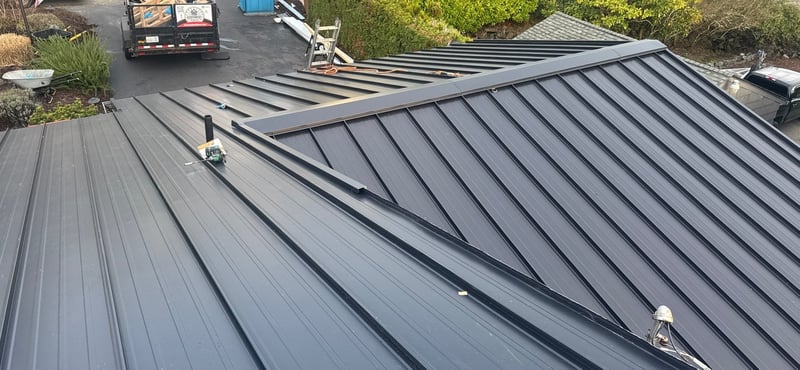
In this case study, a failing lightweight tile roof was replaced with aluminum to improve durability, reduce breakage, and better handle moisture and moss issues common in Seattle’s climate.
While lightweight tile may be more affordable upfront, it’s prone to cracking and moss growth, making it less reliable long term, especially in wet environments.
The key takeaway: if you live near the ocean, choosing a corrosion-resistant metal like aluminum (or copper/stainless steel) is critical for long-term performance and warranty protection.
Do you worry your roof might not hold up in Seattle’s constant rain and moisture? Do you live in Puget Sound or near the ocean and need a metal roof material that will hold up well in the salty ocean air?
At RoofSmart, we replace hundreds of roofs every year, including homes near the Ocean (like in the Puget Sound region). This climate is extra harsh on all roofing materials due to the salty ocean air. Our SmartMatch Analysis system helps us match homeowners with the right roof for their environment and budget.
This case study shows how a home in Puget Sound was transformed by removing the old and worn-down lightweight tile and replacing it with a new aluminum roof. The homeowner wanted to get rid of the tile for metal but had no idea that certain metal roofs were more prone to rusting near the ocean.
In this case study, we’ll break down how lightweight tile actually performs in Seattle’s environment, the risks you need to be aware of, and how an aluminum roof can give you better long-term protection, especially if you live near the coast.
Does lightweight tile hold up well in Seattle’s climate?
Clay tile is a durable, long-lasting roof material. However, it is not as popular in the Seattle area because of how heavy and expensive it is. One solution is to choose a lightweight tile made of synthetic materials or lighter concrete mixtures that can reduce the weight of the tile by 50% to 60% less.
The lightweight tile costs about the same as regular tile, but is easier to handle and doesn’t require extra framing to help your home bear its weight. This makes it less expensive by reducing the extra costs associated with regular tile.
The lower cost may seem appealing, but the cheaper lightweight tile products can sometimes be much easier to break. For example, we recently replaced the roof of a customer who had a lightweight roof that was failing.
Since lightweight tile is much easier to break (either from being stepped on or from something hitting it), there were a lot of broken tiles all over the roof:
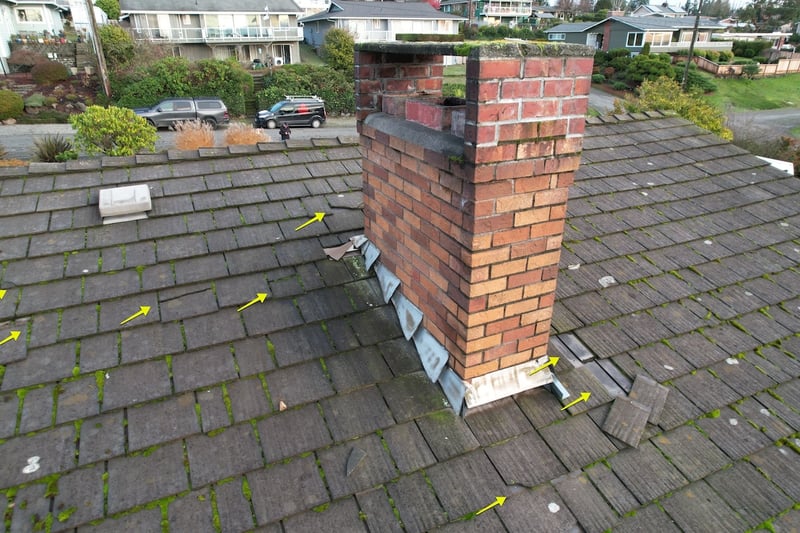
As you can see, the tile was also growing moss. This is a major concern in Seattle’s damp, rainy climate. Tile is not a moss-resistant material.
How do you convert a tile roof to metal?
Depending on the type of tile roof you have, your roof might need a complete roof decking replacement before the metal roof can be installed. This is because some tile roofs use skip sheathing, which is not allowed to be used with a metal roof on a residential building.
There's a certain age of home (like around the 60s or the 70s) where they did the tile on skip sheathing.
On this customer’s house, the roof decking was already made of plywood, so that made things much simpler. Because the lightweight tile is still heavy, the roofer who installed the lightweight tile used a thicker plywood board that is not used very often.
Here are the steps we followed to convert this lightweight tile roof into a metal roof:
1.) Remove the lightweight tile
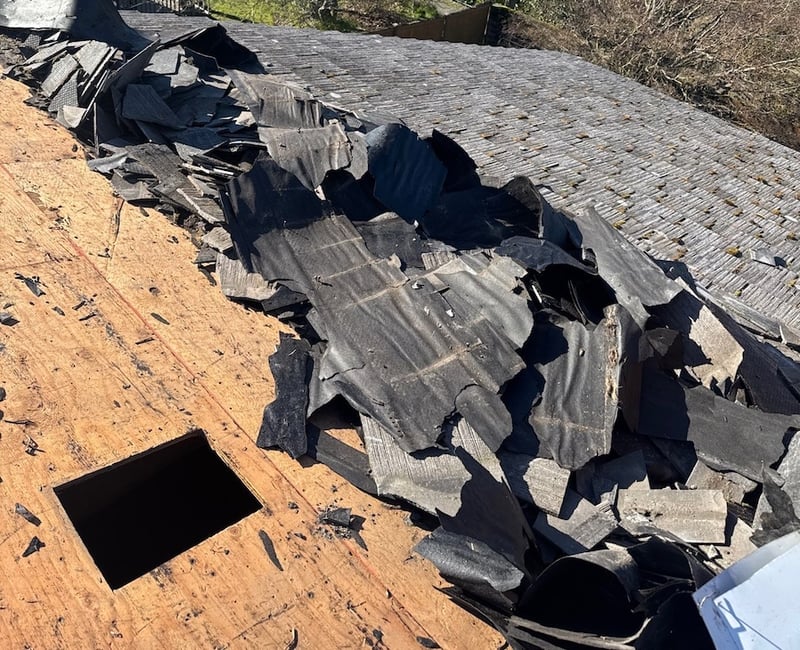
2.)Replace plywood boards as needed
3.) Install underlayment
4.) Block off gable vents
5.) Install new metal panels
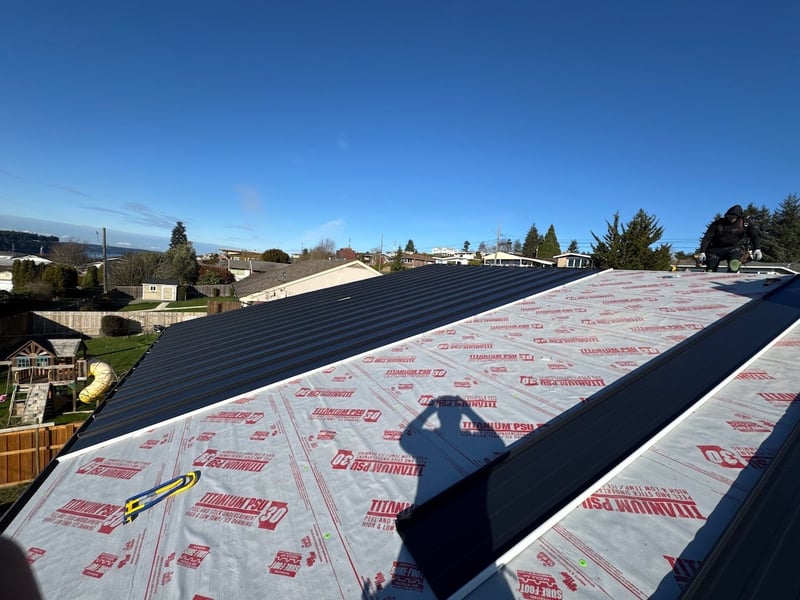
6.) Fix the chimney leak and put in new flashing around the chimney
7.) Install a new custom-made chimney cap
What kind of metal roof works best near the ocean?
If you live in Puget Sound or in another area close to the ocean, you need to be careful about the type of metal roof you choose. The salt air is hard on a lot of materials, but it can cause corrosion in metal.
If you live near the ocean, the metal roofs that are safe to use include
- Aluminum
- Copper
- Stainless steel
These are all naturally resistant to corrosion and last for a long time, making them a good option if you’re looking for a durable roof.
You should avoid steel roofing, even if it has a protective coating, because if it gets cut and the raw edge is exposed to the salty sea air, it will rust.
The manufacturers who create the steel roofing panels have specific guidelines about where and how to install their products. If you install a steel roof too close to the ocean, it can completely void your warranty.
If that happens, your roof will eventually be completely ruined, and you’ll have to pay for the replacement all by yourself. That’s why a key component of doing a metal roof installation near the ocean is to make sure that you have the right material for that environment.
Do all roofers in the Seattle area know which metals are safe to use near the ocean?
Unfortunately for you, the answer to this question is no. Our customer said that she met with several other roofing companies, but she chose us because we were the only ones who told her that she needed an aluminum roof due to her proximity to the ocean.
I think I asked her if she ever tastes salt in the air in the mornings. She said yes, so I told her that means you have a salt fog, and you're going to get salt on your roof. The salt will settle on the roof into all the little cracks and crevices, any penetrations, and any place that metal has been cut, and it's going to start to eat away the paint.
This homeowner had no idea that it matters what type of metal roof you choose near the ocean, and she might’ve chosen the wrong material because no other roofer talked to her about it.
Best Roofing Materials for Coastal (Salt Air) Environments
|
Material |
Corrosion Resistance |
Performance in Salt Air |
Maintenance Needs |
Risk Level Near Ocean |
|
Aluminum |
⭐⭐⭐⭐⭐ Excellent |
Will not rust; highly durable |
Low |
✅ Lowest risk |
|
Copper |
⭐⭐⭐⭐⭐ Excellent |
Naturally resists corrosion |
Low (develops patina) |
✅ Lowest risk |
|
Stainless Steel |
⭐⭐⭐⭐ High |
Strong corrosion resistance |
Low |
⚠️ Low risk |
|
Steel (Coated) |
⭐⭐ Low–Moderate |
Can rust if coating is damaged |
Low |
❌ High risk |
|
Lightweight Tile |
No corrosion |
No rust, but prone to breakage & moss |
Moderate–High |
⚠️ Moderate risk |
|
Concrete/Clay Tile |
No corrosion |
Durable but absorbs moisture |
Moderate |
⚠️ Moderate risk |
|
Asphalt Shingles |
No corrosion |
Poor durability in wet climates |
High |
⚠️ Moderate risk |
How much does it cost to upgrade from a lightweight tile to a metal roof in Seattle?
As you’ve seen, lightweight tile can come with some serious drawbacks in Seattle’s damp, coastal climate, especially when it comes to durability, moss growth, and long-term performance. For many homeowners, these issues lead to the same conclusion: it’s worth upgrading to a more reliable material like metal.
But choosing the right material is only part of the decision. Metal roofing is a premium investment. And depending on your roof structure, location, and the scope of work involved (like tear-off and decking repairs), the total cost can vary quite a bit.
Read our article “How Much Does It Cost to Install a Metal Roof in the Greater Seattle Area?” to learn about real Seattle price ranges, what drives the cost of a metal roof, and how to budget for a long-lasting upgrade that performs well in Seattle’s coastal environment.
Frequently Asked Questions About Metal Roofing Options Near the Ocean
1. Is aluminum roofing a good choice near the ocean?
Yes, aluminum is one of the best roofing materials for coastal environments.
It is naturally resistant to rust and corrosion, making it ideal for homes exposed to salt air, like those in the Puget Sound region.
2. Why is steel roofing not recommended near the ocean?
Steel roofing can rust if the protective coating is damaged.
In coastal environments:
- Salt air accelerates corrosion
- Cut edges and fasteners are vulnerable
- Warranty coverage may be voided if installed too close to the ocean
3. What is the best metal roof for Seattle’s coastal climate?
The best options are:
- Aluminum
- Copper
- Stainless steel
These materials are designed to resist corrosion and perform well in wet, salty environments.
4. Does salt air really damage roofing materials?
Yes, significantly.
Salt particles settle on your roof and:
- Break down protective coatings
- Accelerate rust and corrosion
- Shorten the lifespan of certain materials
This is why material choice is critical near the ocean.
5. Is upgrading from tile to metal worth it in Seattle?
In many cases, yes.
Metal roofing (especially aluminum):
- Lasts longer in wet, coastal climates
- Requires less maintenance than tile
- Provides better long-term durability
However, it is a higher upfront investment.
Topics:
