

TL;DR: Summary
Asphalt shingles are generally intended to be installed at temperatures of 40°F or higher because cold temperatures can make them more vulnerable to cracking and can slow down the sealing process.
If newly installed shingles don’t seal and begin flapping in the wind, your roofer should inspect them promptly and replace any shingles that have been damaged or compromised.
Cold-weather installation is sometimes necessary in Seattle, especially when a roof has urgent leaks, rot, or structural problems. Shingles installed during colder weather can take longer to seal, leaving them more vulnerable if a windstorm arrives first. In this case, RoofSmart returned after the homeowner reported flapping shingles and replaced the affected shingles so the new ones could properly seal.
The key takeaway: Shingles can still be installed during colder Seattle weather, but they may take longer to seal. If they begin lifting or flapping before that happens, your roofing contractor should inspect the affected area and replace any unsealed or damaged shingles.
Did you just spend thousands of dollars on a new asphalt shingle roof, only to notice some of your brand-new shingles lifting or flapping in the wind? Are you worried that they were installed incorrectly, could blow off during the next Seattle windstorm, or leave your home vulnerable to leaks before they ever have a chance to seal?
At RoofSmart, we install hundreds of roofs year-round in the Greater Seattle area, which sometimes means replacing an urgent, leaking roof during colder weather when shingles can take longer to seal. We recently encountered this exact problem after completing a November roof replacement: a windstorm arrived before one section of the new shingles had fully sealed, causing several of them to flap in the wind.
In this case study, I’ll explain why asphalt shingles can take longer to seal in cold weather, why roofers sometimes still need to install them during Seattle’s fall and winter months, and what happened when this customer’s new shingles were hit by strong winds before they sealed.
What to Do When Asphalt Shingles Don't Seal
|
Situation |
Why It Happens |
What You May Notice |
What Your Roofer Should Do |
|
Shingles installed below 40°F |
Cold temperatures can make shingles brittle and slow the sealing process |
Shingles may remain unsealed longer than expected |
Monitor the shingles and give them an opportunity to seal as temperatures warm |
|
Cold shingles during installation |
Shingles can become brittle, increasing the risk of cracking or granule loss |
Cracking, damage, or difficulty installing the shingles |
Warm shingles before installation when cold-weather roofing is necessary |
|
New shingles haven't sealed yet |
The adhesive strips need sufficient warmth and time to activate |
Shingle edges may remain loose |
Allow additional time for sealing if the shingles are otherwise undamaged |
|
Wind hits before shingles seal |
Unsealed shingles are more vulnerable to being lifted by strong winds |
Shingles may flap or lift during a windstorm |
Inspect the affected area for damage |
|
Shingles flap slightly |
Wind can lift an unsealed edge |
Minor movement without the shingle folding over |
Determine whether the shingle is still intact or needs replacement |
|
Shingles fold completely over |
Strong winds can bend an unsealed shingle far enough to damage it |
Shingle is folded back or visibly damaged |
Replace damaged shingles rather than waiting for them to seal |
|
Problem affects one roof section |
Some areas may have been installed later or had less opportunity to warm and seal |
Only one portion of the roof may be lifting |
Inspect and repair the affected section rather than assuming the entire roof has failed |
|
Older shingles lose their seal |
Aging, granule loss, and deterioration can cause previously sealed tabs to release |
Older shingles begin lifting or flapping |
Evaluate the overall roof condition and whether replacement is approaching |
|
Shingles blow off |
Strong winds can remove shingles that haven't adequately sealed |
Missing roofing material |
Repair the missing shingles promptly and inspect the exposed area |
|
Emergency winter roof replacement |
Leaks, rot, or structural problems may make waiting for warmer weather impractical |
Roof must be replaced despite less-than-ideal temperatures |
Use appropriate cold-weather installation practices and address sealing problems promptly if they occur |
Will shingles seal if you install them in cold temperatures?
Asphalt shingles are typically meant to be installed in temperatures of 40 degrees or higher. During the summer in Seattle, this is usually no problem. However, in the fall and winter, the weather can dip below 40 degrees.
The reason that asphalt shingle manufacturers warn against installing their products when it’s less than 40 degrees is that it makes the shingles vulnerable to cracking and potentially being unable to seal.
There are ways to warm shingles up if you need to install them when it’s cold outside, but they aren’t guaranteed to keep the shingles at the right temperature throughout the installation process.
You can warm up the shingles by letting them sit in the sun, or in the truck with the heat on for a while before installing them. This can make a huge difference in protecting them from cracking or granule loss during installation, as long as they don’t get too cold again.
Why do roofers still install asphalt shingles in cold weather in Seattle?
Even though fall and winter in the Greater Seattle area can get cold, temperatures rarely dip super low. It’s common to have mild weather that is still warm enough to safely and effectively install asphalt shingles.
Homeowners might want to install their shingles in the fall or winter for a number of reasons. Sometimes, fall or winter just happens to be when they decide to redo the roof. Other times, homeowners notice significant rot or roof leaks that require them to get an urgent roof replacement.
For example, we recently had a customer who discovered that some of the beams in his roof were rotting while in the process of hiring a roofing contractor to replace his roof. He ended up choosing us, but the beams needed to be custom-made, so that process took several months.
By that time, his roof urgently needed to be replaced due to the rot, but it also happened to be November, which is a cold and rainy time in the Seattle area. On a warmer day that’s not very rainy, your roofer should still be able to install new shingles on your roof if needed.
Shortly after that, there was a pretty good windstorm, and the customer noticed a bunch of the shingles were flapping around. Unfortunately, they had not had the chance to seal properly (it can take a few weeks in the colder weather) before the wind came in.
Thankfully, this issue was limited to just one particular section. It was probably one of the last sections that we did.
But the good news is that with the synthetic underlayment we used, even if the shingles flew off, it was protected from leaking.
Stuff like that happens, especially when you roof year-round. In this case, we had to do the roof replacement right away because the customer’s roof was leaking, had dry rot in the beams, and we were worried the house was going to fall in.
What steps should your roofing company take if your shingles don’t seal?
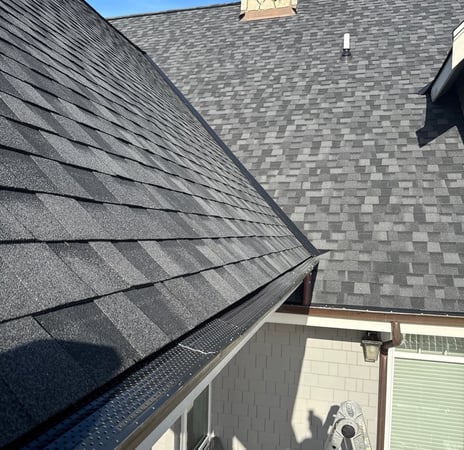
When the customer called to report that the shingles were flapping in the wind, we sent our crew out. They replaced a bunch of the shingles in that section so that the new ones would have a chance to seal.
So if the shingles completely flop all the way over, then the integrity of the shingle is gone. If it just flaps a little bit, it doesn't really damage the shingle as much as if it flaps all the way over.
So usually they're not going to flap all the way over unless it's an older roof and the glue tabs or the thermal tabs have popped their seals. That would happen because the shingles get old and the granules get kind of thin on it (this is an indicator that it’s time for a new roof).
The customer was concerned with the shingles’ ability to seal, but I made sure to explain to him that installing shingles in cold, rainy weather is possible and the shingles would still seal.
In this case, the wind disrupted our plans a bit, but our customer took the setback well. After going back and installing new shingles, his roof was back in good condition.
By the end, he was very happy with his new shingles and the beam replacement. He appreciated our attention to detail and was pleased that we fixed the unsealed shingle issue right away.
Is it safe to install asphalt shingles in cold weather in Seattle?
Shingles that haven’t sealed immediately don’t necessarily mean your new roof was installed incorrectly. In colder Seattle weather, the adhesive strips can simply need more time and warmer temperatures to activate. The bigger concern is what happens during that waiting period, especially if strong winds arrive before the shingles have fully sealed.
That’s what happened on this project. When a windstorm caused some of the new shingles to flap, we inspected the affected section and replaced the shingles that had been compromised. The important part was recognizing the problem and taking care of it before it could turn into something more serious.
Sometimes, as with this homeowner’s leaking roof and severely rotted beams, waiting until summer simply isn’t a safe option. If you’re facing a roof replacement during Seattle’s colder months, you should understand what could go wrong and what your roofer can do to reduce those risks.
Read “What Are the Risks of Installing Asphalt Shingles in Cold Weather?” to learn about the challenges of winter shingle installation in Seattle and what you should discuss with your roofing contractor before moving forward.
Frequently Asked Questions About Shingles Not Sealing In Cold Weather
1. How long does it take asphalt shingles to seal in cold weather?
Asphalt shingles can take longer to seal when temperatures are cold because their adhesive strips need sufficient warmth to activate. In the Seattle example discussed in this article, the shingles could take a few weeks in colder weather to fully seal.
That doesn't automatically mean something is wrong with newly installed shingles. However, they should be monitored because strong winds can lift shingles that haven't had enough time and warmth to seal.
2. What temperature is too cold to install asphalt shingles?
Asphalt shingles are typically intended to be installed at temperatures of approximately 40°F or higher, as discussed in this article. Below that temperature, shingles can become more brittle and vulnerable to cracking, granule loss, and delayed sealing.
Cold-weather installation is still sometimes necessary, particularly when a Seattle roof has an urgent leak, rot, or structural problem that makes waiting until spring impractical.
3. Can asphalt shingles still seal if they're installed during winter?
Yes. Installing asphalt shingles during colder weather doesn't necessarily mean they will never seal. It can simply take longer because the shingles aren't receiving the warmth that they would during summer.
The bigger concern is what happens during that waiting period. If a strong windstorm occurs before the adhesive has sealed properly, the loose shingles may lift or flap.
4. Why are my new roof shingles flapping in the wind?
If your roof was recently installed during cold weather, the shingles may be flapping because their adhesive strips haven't had enough warmth and time to seal.
That's what happened on the Seattle-area roof discussed in this article. A windstorm occurred shortly after the installation, and one section of shingles began flapping before it had fully sealed.
5. Will flapping damage an asphalt shingle?
It depends on how far the shingle moves. A shingle that lifts slightly may not sustain the same level of damage as one that flaps completely over.
Once a shingle folds all the way back, its integrity can be compromised. In that situation, your roofer may need to replace the damaged shingle rather than simply waiting for warmer weather to help it seal.
6. What should my roofer do if my new shingles don't seal?
Your roofer should inspect the affected shingles and determine whether they're simply waiting to seal or have already been damaged.
If the shingles are damaged from flapping or folding over, replacement may be necessary. In the project discussed here, RoofSmart returned after the homeowner reported the problem and replaced multiple shingles in the affected section so the new shingles could seal properly.
7. Does an entire roof need to be replaced if some shingles don't seal?
Not necessarily. A sealing problem may be isolated to one portion of the roof rather than affecting every shingle.
In this project, the issue was limited to one particular section, potentially because it was among the last areas installed. The affected shingles could therefore be replaced without replacing the entire new roof.
8. Can shingles be warmed before installing them in cold weather?
Yes. Roofers can warm shingles before installation by allowing them to sit in the sun or keeping them somewhere warm, such as a heated truck.
The limitation is that warming them beforehand doesn't guarantee they'll remain warm throughout installation. The shingles can cool again once they're brought outside, so cold-weather installation still requires additional care.
9. Will my roof leak if newly installed shingles haven't sealed yet?
Unsealed shingles can be more vulnerable to wind, but that doesn't necessarily mean the roof will immediately leak. The roofing system underneath the shingles also provides protection.
On the roof discussed in this article, synthetic underlayment provided an additional protective layer. Even if shingles had blown off, the underlayment helped protect the roof from water intrusion while the problem was addressed.
10. Should I wait until spring to replace my roof instead of installing shingles in winter?
Not always. If your existing roof is still protecting your home and replacement isn't urgent, warmer conditions may make asphalt shingle installation easier.
However, waiting can be risky when a roof has active leaks, significant dry rot, or structural deterioration. The homeowner in this article couldn't reasonably postpone the project because the roof was leaking and structural beams had deteriorated. In situations like that, completing the roof replacement during an appropriate winter weather window may be safer than allowing serious existing damage to continue.
Topics:
