

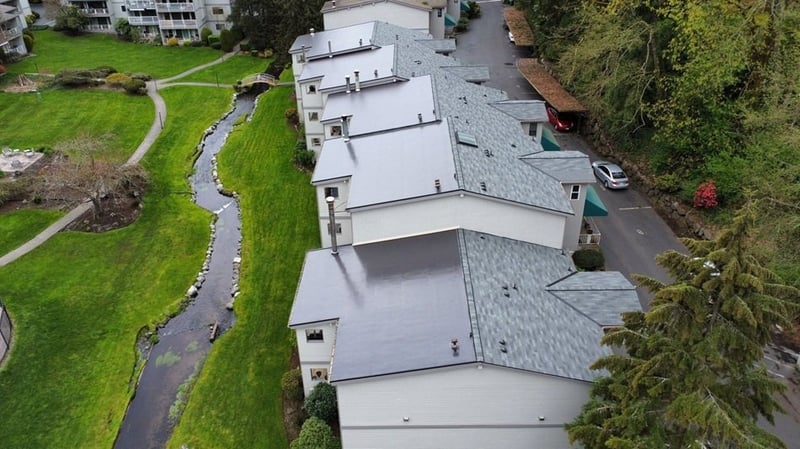
TL;DR: Summary
Low-slope roofs need extra protection against water intrusion, and shingles alone are not enough. Using a membrane such as PVC on very low slopes (or adding full ice and water shield where shingles are used) along with properly functioning attic ventilation can help prevent leaks, mold, and expensive structural damage.
Are you frustrated because the roof you replaced only a few years ago is already leaking into your residents’ units? Feeling confused about what the right solution is for your low-slope roof when some roofers say shingles are okay, but others say not to use them?
At RoofSmart, we’ve inspected many low-slope roofs around the Seattle area where asphalt shingles struggled with slow-draining or pooling water and eventually leaked. In this case, the problem was made worse by blocked intake vents, improper ventilation, and shingles installed on roof sections as low as a 2:12 pitch.
In this case study, I’ll show you what I found when we inspected these apartment buildings, why the low-slope roof and ventilation system contributed to leaks, mold, and rotten decking, and how we corrected the problems.
What causes leaks and mold on a low-slope apartment building roof?
Recently, I was scheduled to inspect the roofs of a few buildings in an apartment complex. The owner reached out because some of her residents were concerned about leaks in their units. The HOA board had hired another roofing company to redo the roofs about four or five years ago, so they were not sure why they were already leaking.
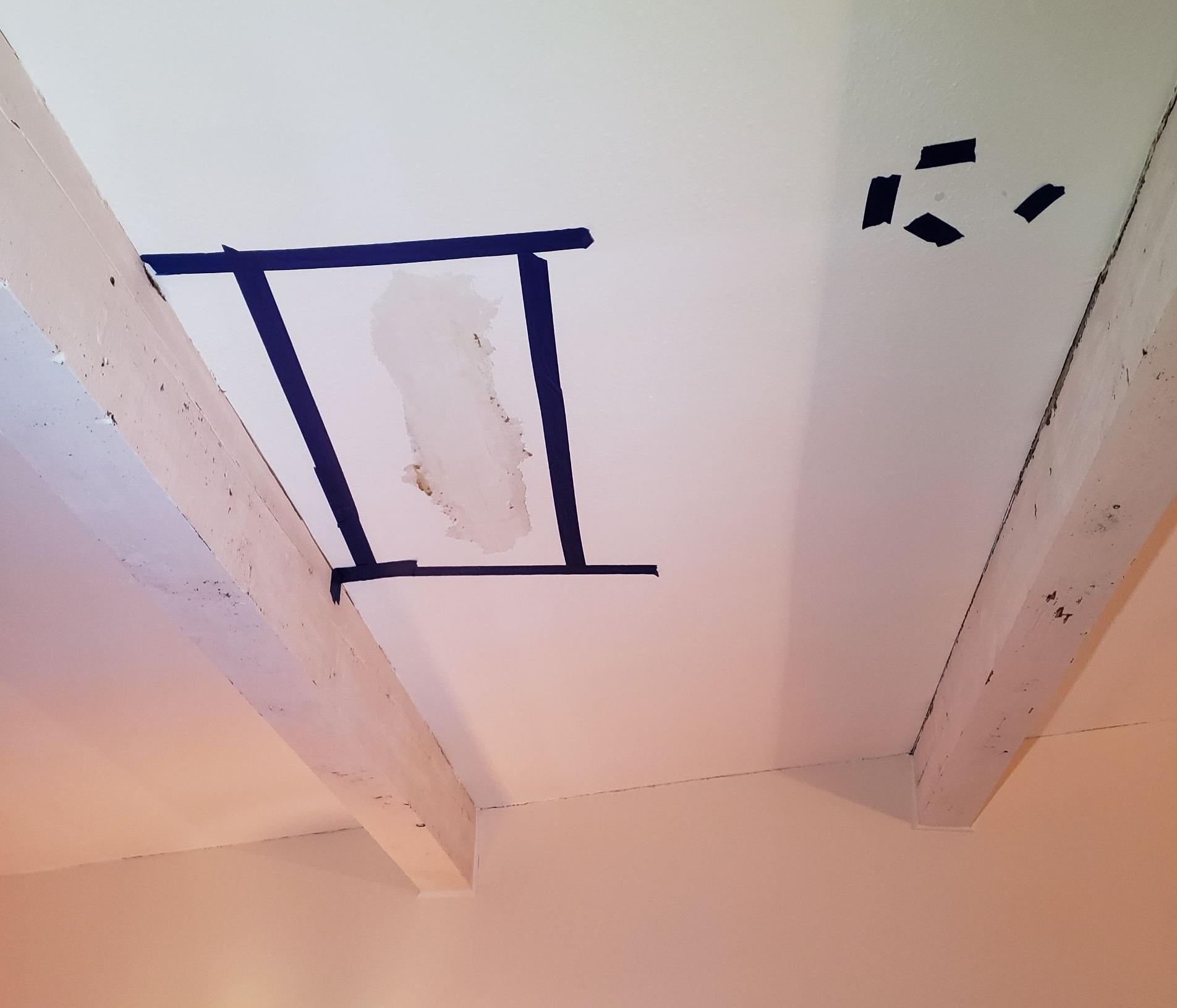
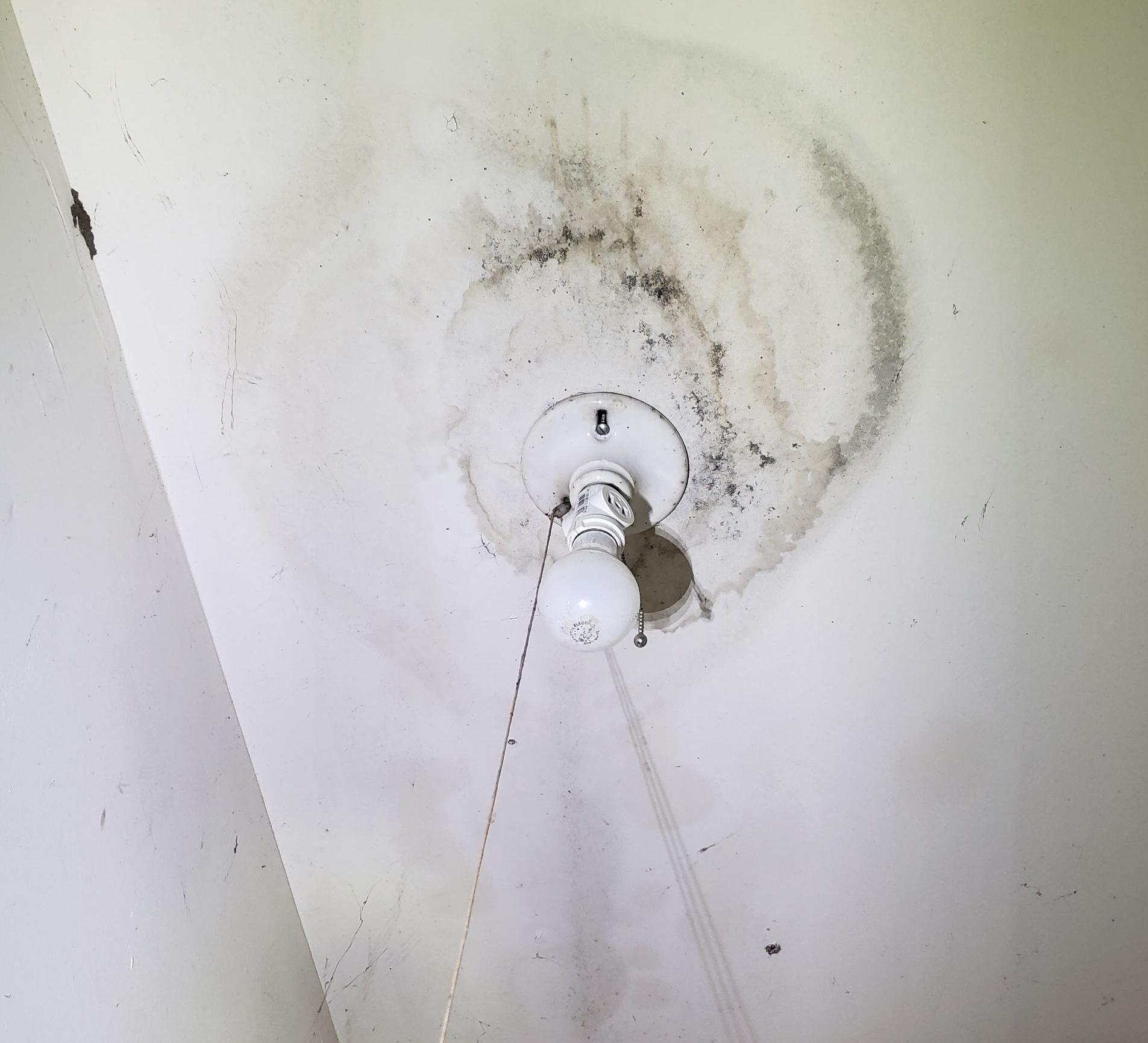
Once I got there and inspected the roof and attic, the issue was immediately obvious: they had shingles on a low-slope roof and blocked intake vents, which was causing the leaks and mold.
The buildings were using bird blocks as their intake, but they weren’t working properly because they were blocked with insulation. Some spots also had soffit vents, which is not good because you are not supposed to have multiple forms of intake ventilation.
Basically, the takeaway here is that the attic ventilation on these apartment buildings was messed up. The leaks were causing excess moisture to enter the attic and cause mold to grow because there wasn’t enough airflow to dry it out.
Here's the short version: we won't put shingles on anything under 3:12, even where code says you can. Below 3:12, standing seam metal or flat roof materials are our pick. If you're not sure where your roof lands, a SmartMatch Needs Analysis will sort it out.
What happens when you install shingles on a low-slope roof without taking extra steps to prevent leaks?
On each of these buildings, one side of the roof has a 3:12 slope and the other side has a 2:12 slope.
On that low of a slope, water does not run off the roof very well and can start to pool on top of the shingles. Asphalt shingles are not designed to withstand standing water, so they will absorb the water. As a result, the water will wick back into the shingles, causing leaks.
That’s why it’s so common on a low-slope roof that the shingles are overwhelmed by the water and the roof begins to leak as a result. At RoofSmart, we’ve seen it happen tons of times on roofs all over the Seattle area.
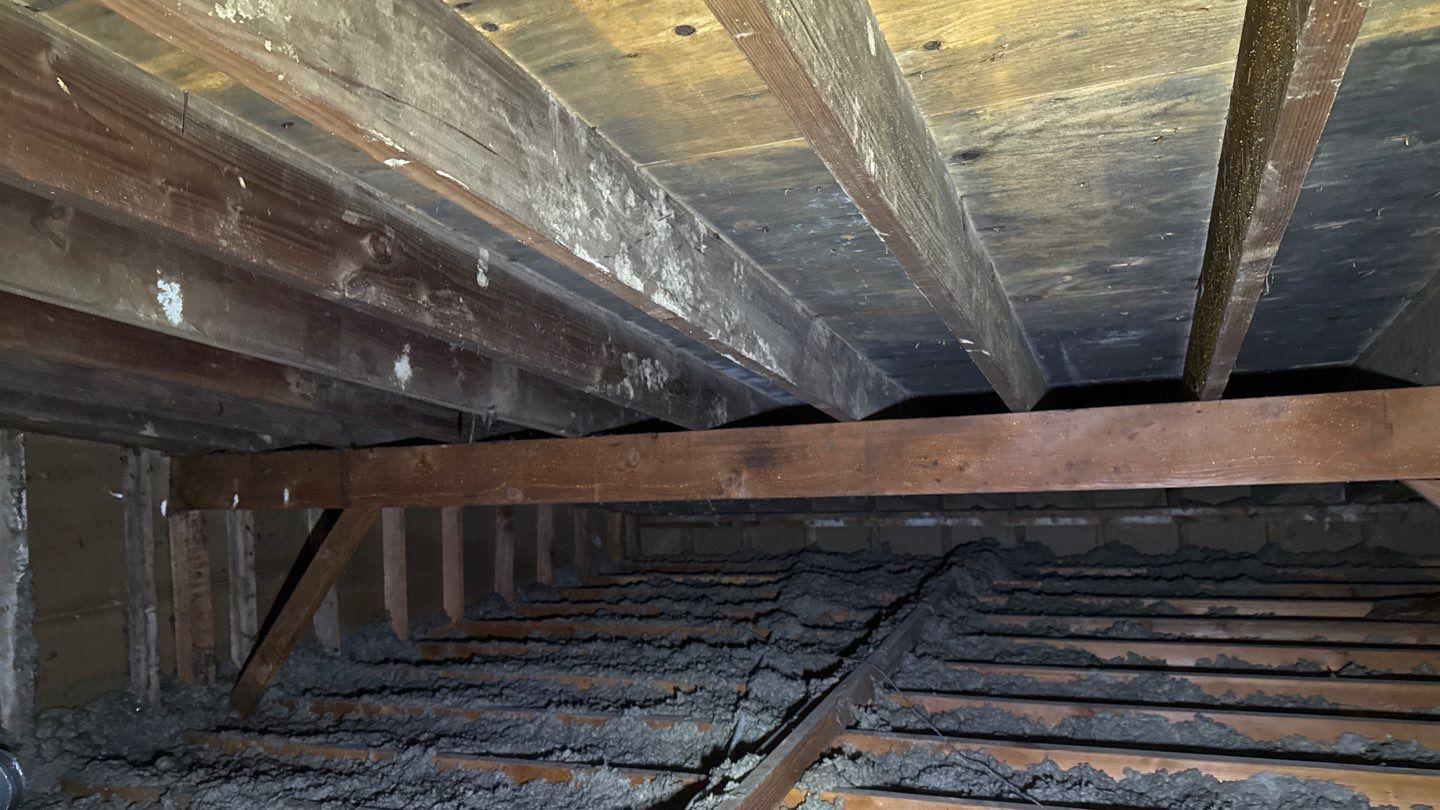
Eventually, the water seeps through the roof decking or makes its way into the attic through a gap or hole. This moisture helps create an ideal environment for mold to grow. When the roof is left to leak for a few years, the rot and mold have plenty of time to spread all over and become an expensive headache to deal with.
This is what the attic and roof decking looked like:
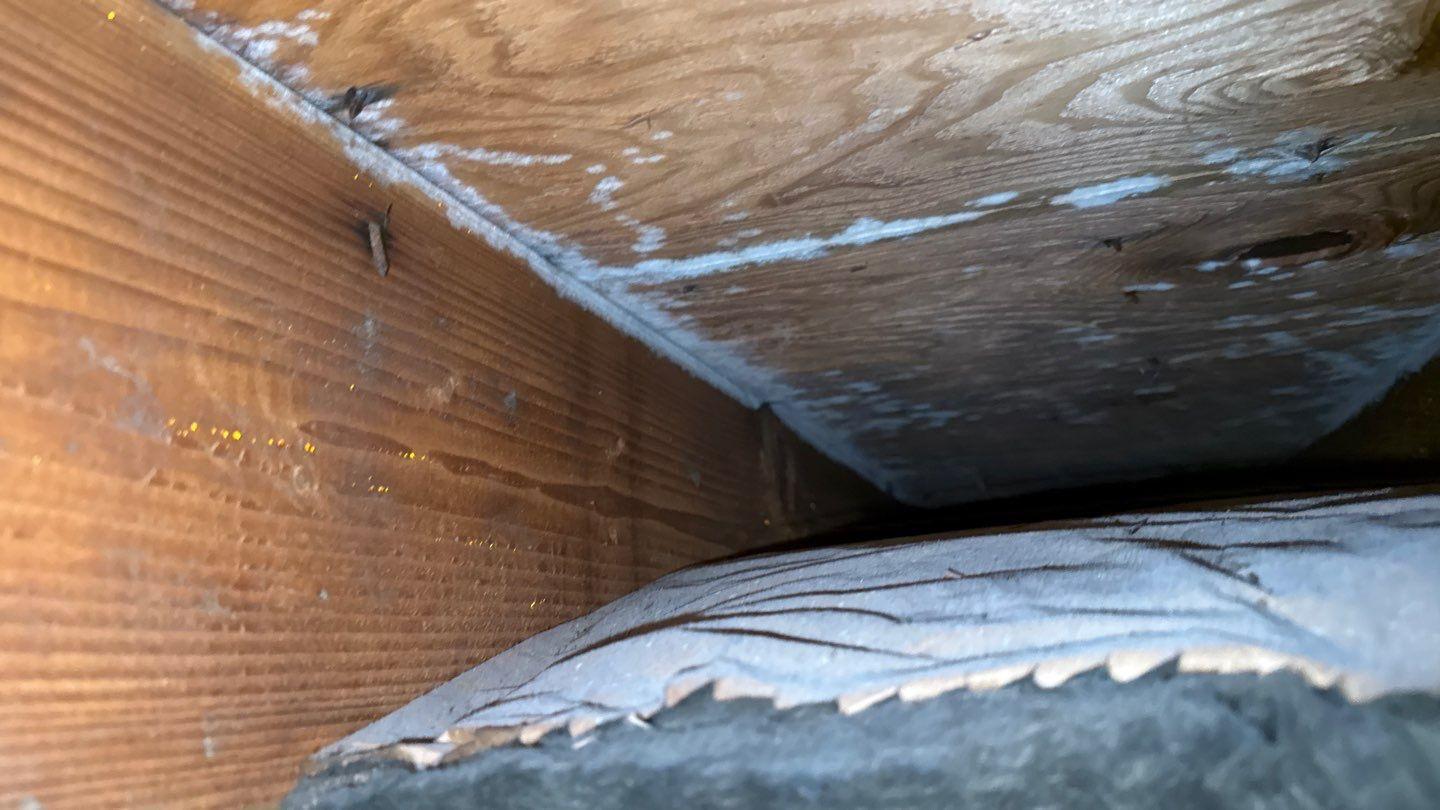
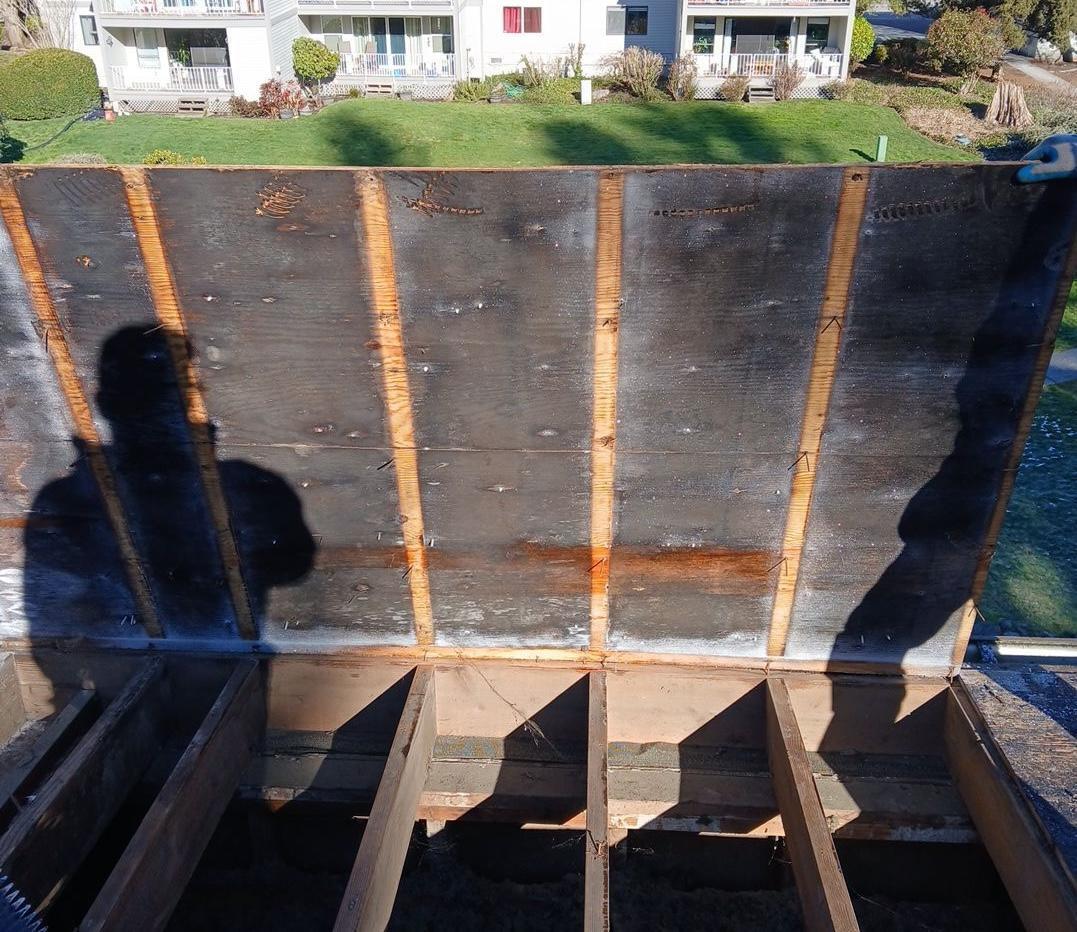
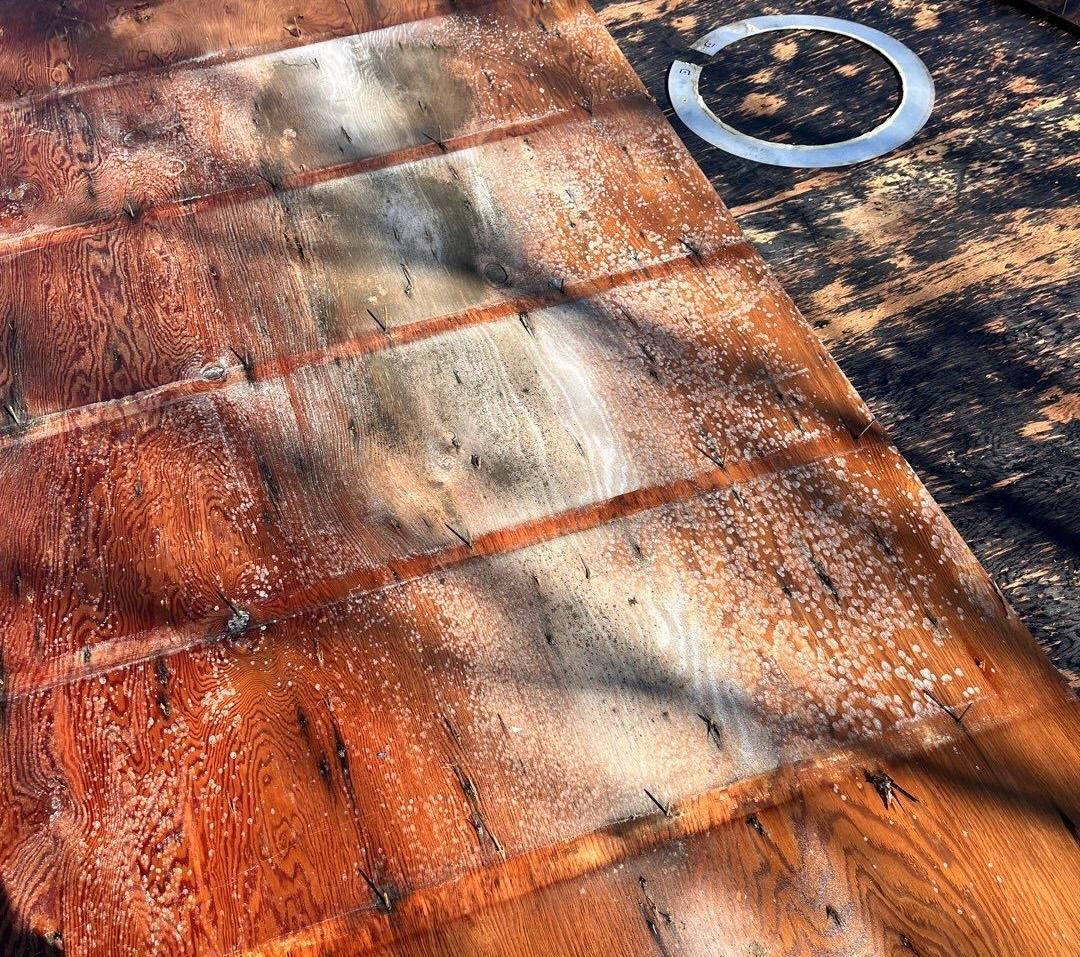
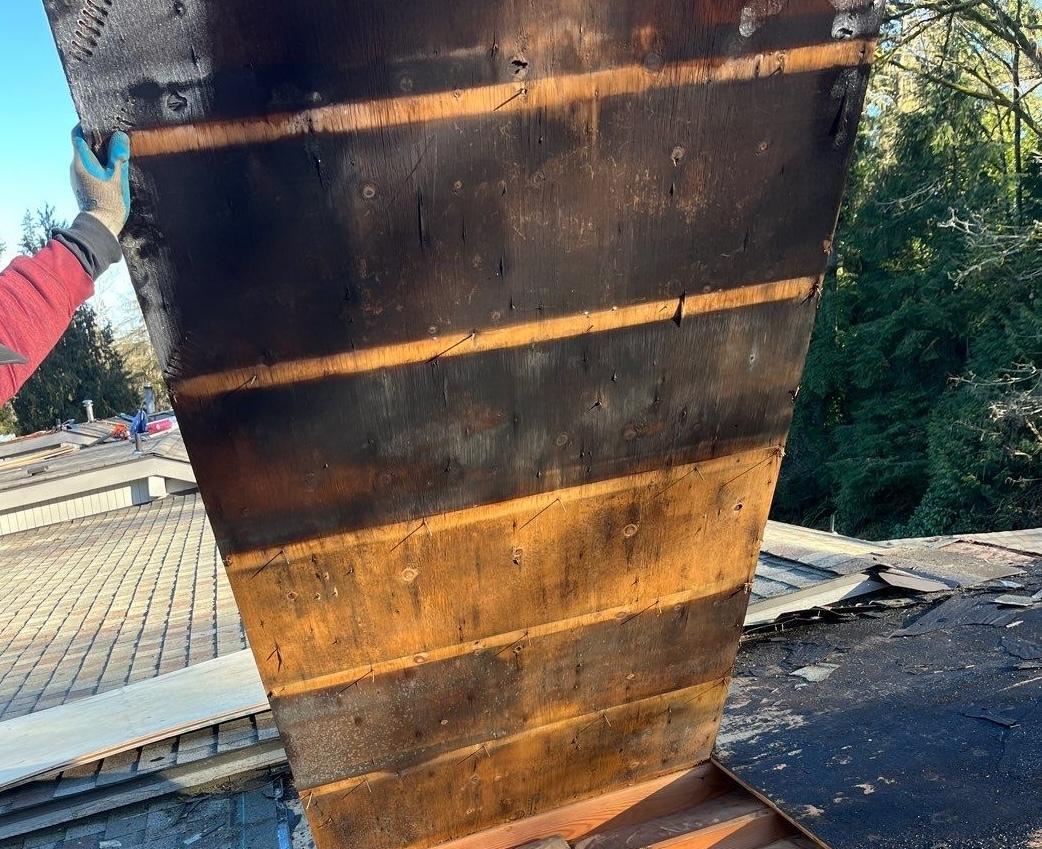
Unfortunately, the last roofer that our customer hired either did not know or did not care that you’re not supposed to put shingles on a low-slope roof. Some manufacturers claim that their shingles can be installed on as low as a 3:12 slope, but in our experience, this pretty much always causes leaks.
The last roofer went the cheap route with this installation and the customer did end up saving money up front, but it ended up costing the HOA board several hundreds of thousands of dollars in repairs after about five years.
Almost every time we’ve been called to repair or replace a low-slope roof, it has been leaking because the roofer put shingles on it and took no other steps to prevent leaks (like installing ice and water shield). If you don’t at least do that, then your low-slope roof is going to leak.
What’s a cost-effective way to help prevent leaks on a low-slope roof?
Even though we discourage installing shingles on a low-slope roof, this customer wanted asphalt shingles to help keep their costs lower. So, here’s a low-cost way to install shingles on a low-slope roof with better protection:
- Install ice and water shield underlayment: Rather than using regular synthetic underlayment, I made sure that the customer understood the importance of upgrading to ice and water shield. Synthetic underlayment offers great protection on higher slopes, but if you’re installing shingles on a 3:12 pitch, it needs the extra protection that ice and water shield provides. This type of underlayment sticks to the roof, so it doesn’t require any nails or staples to install it. Plus, it self-seals around nail holes (from installing the shingles) so that leaks are far less likely with pooling water. It’s typically only used in vulnerable areas (like valleys), but in this case it’s needed to protect the entire 3:12 slope roof. It’s more expensive than synthetic underlayment, but the leak protection that it adds to these apartment building roofs is non-negotiable. We did this back when you could buy three-tab shingles, so that’s what we used to help keep costs low.
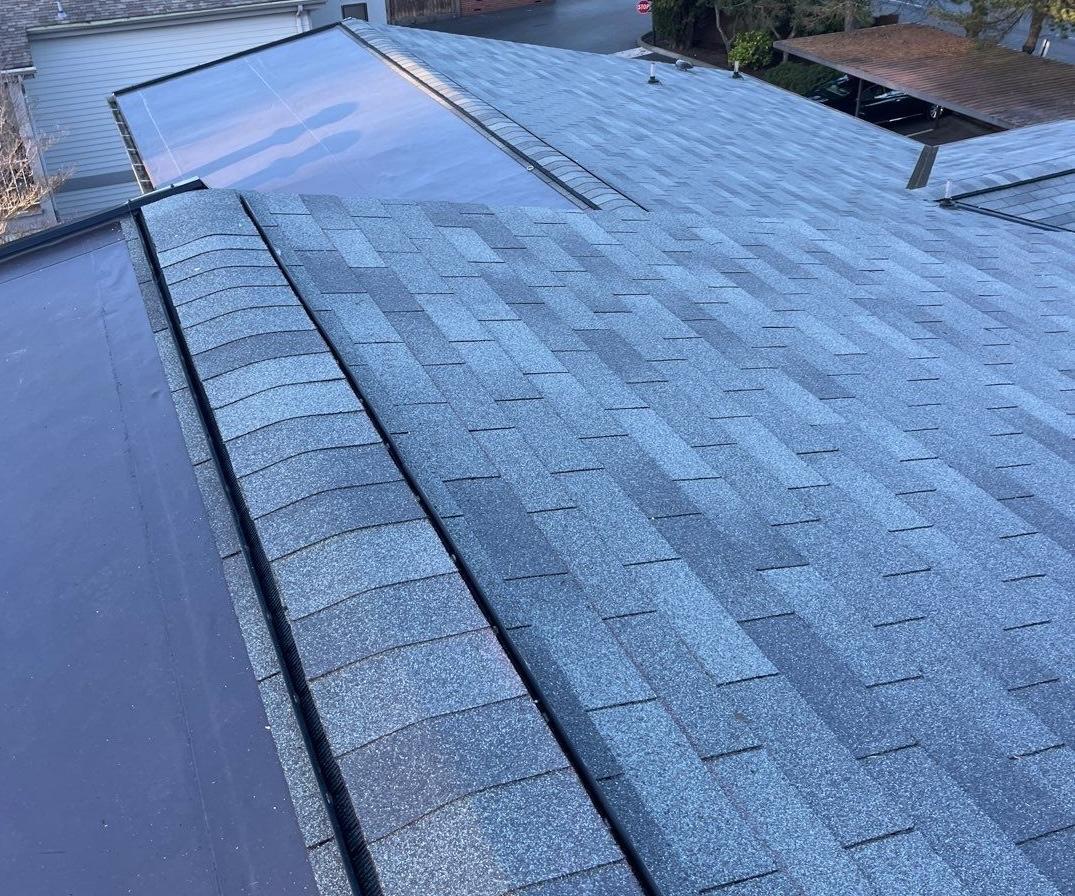
- Install PVC on the 2:12 slope instead of shingles: My solution was to install PVC on the half of the roof with the lower slope because shingles just cannot be installed on that low of a slope. Using a membrane like PVC will protect that side of the roof from leaks and water damage. Underneath, the crews installed foam insulation boards to protect the roof from condensation.
Ideally, this roof would be entirely metal, PVC, or another flat roof material. However, the HOA board wanted to maintain the aesthetics of the buildings and property, so we went with half shingles and half PVC.
The shingles are still at a high risk of premature failure caused by standing water, but the ice and water shield will help to prevent leaks for as long as possible. The PVC side of the roof will hold up well against pooling water.
The HOA board hired us to do the roof replacement, mold remediation, and insulation. So, before we installed the new PVC, underlayment, and shingles on the roof, our crews went in and treated all of the attics for mold and installed new insulation in the attic. They also replaced the rotten, moldy roof decking boards with new ones.
On this roof, the rot and mold were so extensive that most of the roof decking had to be replaced, which increased the total project cost.
The HOA board was very pleased with the work that we did, and now they always call us if they need roof maintenance or a repair. Here’s how the roof turned out:
Low-Slope Roof Problems and the Right Repair Approach
| Roof Problem | Why It Happens | Potential Damage | Repair Approach Used on This Project |
|---|---|---|---|
| Asphalt shingles on a 2:12 slope | Water doesn't drain quickly enough for shingles to perform reliably | Water intrusion, leaks, mold, and rotten decking | Remove shingles and install a PVC membrane roofing system |
| Asphalt shingles on a 3:12 slope | Slow drainage increases the risk of water working beneath the shingles | Leaks and moisture damage | If shingles must be used, install ice and water shield across the entire 3:12 section for additional protection |
| Standard synthetic underlayment on a low slope | Doesn't provide the same level of protection against pooling or slow-moving water | Water can reach vulnerable penetrations and fastener locations | Upgrade to self-adhering ice and water shield |
| Blocked bird block vents | Attic insulation covers the intake openings | Reduces airflow into the attic | Clear the intake ventilation path and correct the ventilation system |
| Multiple forms of intake ventilation | Bird blocks and soffit vents are combined without a properly designed ventilation plan | Ventilation may not function as intended | Redesign the intake system rather than simply adding more vents |
| Moisture entering the attic | Roof leaks introduce water while poor ventilation prevents adequate drying | Creates conditions where mold can develop | Stop the leaks and correct attic airflow |
| Moldy attic | Long-term moisture problems remain unresolved | Mold can spread throughout the attic | Complete mold remediation before rebuilding the roof assembly |
| Rotten roof decking | Decking remains wet from repeated or long-term leaks | Plywood becomes soft, rotten, and structurally compromised | Remove and replace damaged decking |
| Condensation concerns beneath PVC | Low-slope assemblies need to account for condensation as well as exterior water | Moisture can affect the roof assembly | Install foam insulation boards beneath the PVC system |
| Mixed 3:12 and 2:12 roof | Different slopes have different water-management needs | One roofing approach may not be appropriate for the entire building | Use shingles with enhanced underlayment on 3:12 sections and PVC on 2:12 sections |
Why Is My Low-Slope Roof Leaking in Seattle?
A low-slope roof that starts leaking only a few years after replacement can be especially frustrating, but this project shows why the age of the roof isn’t always the real problem.
In this case, asphalt shingles had been installed on 2:12 and 3:12 slopes without any protection against pooling water. Blocked intake ventilation made the situation worse by preventing moisture in the attic from drying effectively.
By the time I inspected these apartment buildings, the problem had progressed beyond repairing a few leaks. Mold had spread through the attics, much of the roof decking needed replacement, and the HOA was facing hundreds of thousands of dollars in repairs.
If you have a shallow-slope roof that is leaking, understanding why it’s happening is critical before paying for another repair or replacement. Otherwise, you could fix the visible leak without correcting the underlying problem that allowed water into the roof in the first place.
Read our article “Why Is My Shallow-Slope Roof Leaking?” to learn the common reasons these roofs develop leaks and what you should look for in the attic to understand what kind of fix your roof needs.
FAQs About Fixing Leaks on Low-Slope Roofs
1. Why do asphalt shingles leak on low-slope roofs?
Asphalt shingles rely on gravity to move water down and off the roof. When the slope becomes very shallow, water doesn't drain as quickly and can remain on the roofing longer.
On the apartment buildings discussed in this article, the shallow slopes allowed water to overwhelm the shingle system and work its way into the roof. Once moisture reached the decking and attic, the combination of leaks and poor ventilation contributed to widespread mold and rot.
2. Can you install asphalt shingles on a 3:12 roof?
Some manufacturers allow shingles on slopes this low when specific installation requirements are followed. However, based on RoofSmart's experience with low-slope roofs in the Seattle area, a 3:12 shingle roof requires additional water protection and carries more leak risk than a steeper roof.
For this project, the HOA wanted to retain asphalt shingles for cost and aesthetic reasons. RoofSmart therefore installed ice and water shield across the entire 3:12 section rather than relying on standard synthetic underlayment.
3. Can you install asphalt shingles on a 2:12 roof?
For the apartment buildings discussed here, RoofSmart determined that shingles weren't an appropriate solution for the 2:12 portions of the roofs.
Instead, those sections received PVC membrane roofing. The membrane provided a roofing system better suited to the extremely low slope and the slower drainage conditions present there.
4. Why use ice and water shield under shingles on a low-slope roof?
Ice and water shield provides an additional waterproofing layer beneath the shingles. Unlike standard synthetic underlayment, it's self-adhering and can self-seal around the nail penetrations created during shingle installation.
On this project, RoofSmart covered the entire 3:12 roof section with ice and water shield. Although that increased the installation cost compared with synthetic underlayment, the additional leak protection was considered necessary for using shingles on such a low slope.
5. What is the best roofing material for a 2:12 roof?
For the 2:12 sections in this project, RoofSmart used PVC membrane roofing instead of asphalt shingles.
Ideally, RoofSmart would have used metal, PVC, or another roofing material appropriate for low-slope conditions across the roof. However, the HOA wanted to maintain the property's existing appearance and control costs, so the final design combined PVC on the 2:12 sections with shingles and enhanced underlayment on the 3:12 sections.
6. How can a leaking low-slope roof cause attic mold?
When a low-slope roof leaks, moisture can eventually pass through the roof decking or enter through vulnerable gaps and penetrations. If the attic also has poor ventilation, that moisture may not dry effectively.
That's what happened on these apartment buildings. Water was entering through the roofing system while blocked intake vents reduced airflow, creating conditions where mold and wood rot could continue spreading.
7. How do blocked bird block vents contribute to mold?
Bird blocks are intake vents that supply outside air to the attic. On this project, insulation had blocked the bird blocks, preventing them from providing the airflow they were supposed to deliver.
That became especially problematic because the roofs were already leaking. Moisture was entering the attic, while the inadequate ventilation reduced the attic's ability to dry.
8. Why did this low-slope roof fail only four or five years after replacement?
The previous roofing company installed asphalt shingles on very low roof slopes without providing adequate protection for the conditions described in this article. The buildings also had attic ventilation problems, including blocked intake vents.
The result was a relatively new roof that was already experiencing leaks, mold, and extensive decking rot. Although the original installation saved the HOA money upfront, the resulting repairs ultimately cost several hundred thousand dollars after only about five years.
9. What needs to be repaired when a low-slope roof has mold and rotten decking?
Fixing only the shingles isn't enough when moisture damage has already spread into the roof assembly. On this project, RoofSmart completed mold remediation, replaced damaged roof decking, installed new attic insulation, corrected the roofing system, and addressed the ventilation problems.
The rot was so extensive that most of the roof decking needed replacement. This demonstrates why finding the underlying source of moisture is important before installing another roof over an already damaged structure.
10. What is the right way to fix a moldy, leaking low-slope roof?
The repair needs to address both the source of the water and the conditions allowing moisture to remain trapped. That means removing damaged roofing, remediating mold, replacing rotten decking, correcting insulation and ventilation problems, and choosing roofing materials appropriate for each slope.
For these apartment buildings, RoofSmart ultimately created a mixed roofing system: PVC with foam insulation boards on the 2:12 sections and asphalt shingles over full ice and water shield on the 3:12 sections. This allowed the HOA to maintain the appearance it wanted while providing substantially more water protection than the previous installation.
Topics:
