

TL;DR: Summary
Rooftop decks in Seattle need regular cleaning to prevent leaves, pine needles, dirt, and other debris from trapping moisture and contributing to deterioration. The right maintenance method depends on your deck system. Exposed membranes can generally be gently washed and scrubbed, while decks installed over a membrane may require removing boards or tiles to thoroughly clean underneath them.
How often you need to clean your rooftop deck depends largely on how much debris it collects. Decks surrounded by trees may need more frequent attention, while pedestal systems allow more room for debris and moisture to drain. While cleaning, check exposed membranes for wear or cracking and watch decks over membranes for warning signs such as pooling water or leaks near doorways.
The key takeaway: Regularly removing debris and watching for signs of moisture or damage can help protect your Seattle rooftop deck from premature deterioration. If you notice pooling water, leaks, cracking, or other potential problems, it may be time to have the deck professionally inspected.
Are you worried about what might be collecting underneath the boards or tiles on your rooftop deck? Are you concerned that leaves, pine needles, and Seattle’s constant moisture could be quietly clogging your drainage, rotting deck materials, or damaging the waterproof membrane underneath?
At RoofSmart, we have repaired and replaced nearly 100 rooftop decks throughout the Greater Seattle area, and we’ve seen how trapped debris and moisture can create problems homeowners may not notice during normal use. Cleaning an exposed membrane is very different from maintaining a rooftop deck with boards, tiles, or a pedestal system.
In this article, I’ll explain how to properly clean and maintain the different types of rooftop decks, how often maintenance may be necessary, and what can happen when debris and moisture are allowed to collect underneath your deck.
What kind of maintenance does my rooftop deck need?
Your rooftop deck should be regularly cleaned to make sure that dirt, pine needles, leaves, and other debris don’t have a chance to deteriorate and trap moisture. To prevent this, you can rinse the roof off. If you’re using a pressure washer, make sure that it is on the low-pressure setting.
Different types of rooftop decks (like a textured membrane vs. tile on pedestals) will need a unique approach to the cleaning process.
Here’s an overview of your rooftop deck maintenance strategy by type:
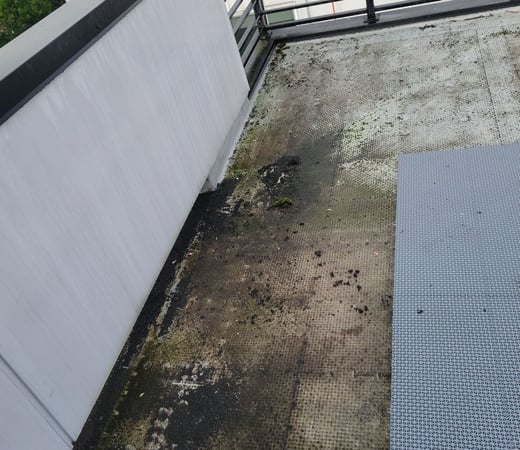
- Exposed Membrane (like DuraDeck): A rooftop deck with a textured membrane can be washed with a 3:1:1 solution (water, bleach, and TSP) and a light pressure wash (gentle enough for a hand). Spray it down, let it work for a few minutes, and then wash it off. If you don’t have a pressure washer, you can scrub it with a brush and then wash it off with a regular hose.
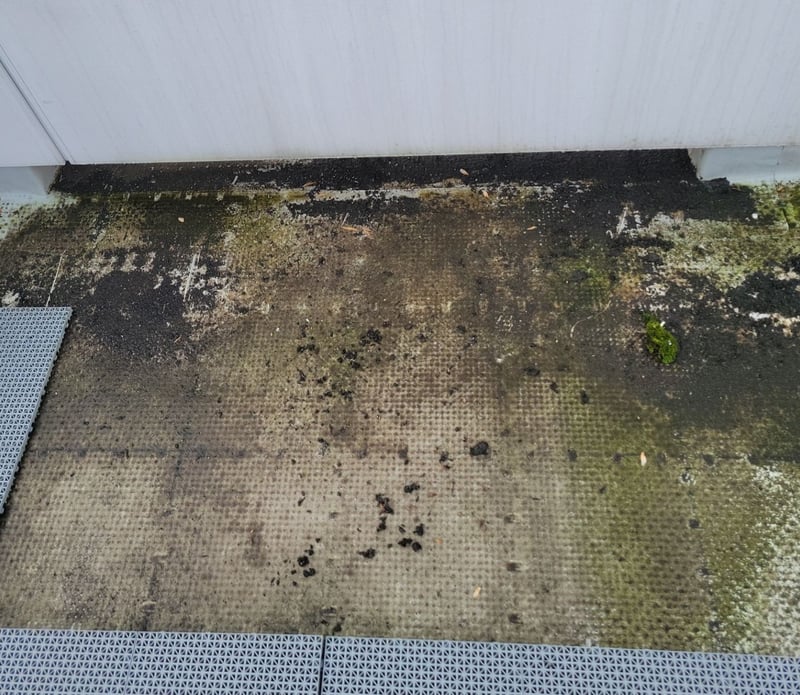
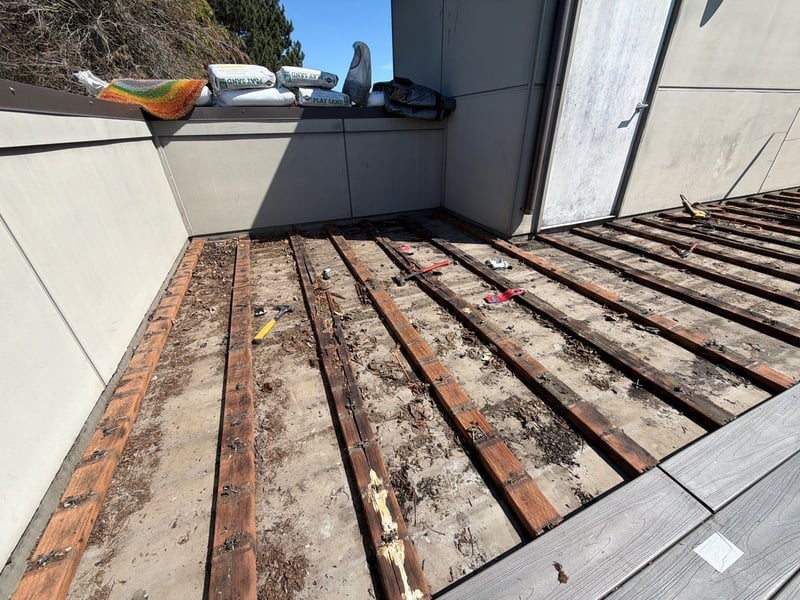
- Deck Over Membrane: When you have a rooftop deck with tiles or long boards with a membrane underneath, you’ll need to remove deck boards or tiles to fully clear out the debris. Pedestal-mounted tiles are easier to remove and less prone to trapping debris (but they’re way more expensive to install, so most people don’t choose them). If you don’t have tiles or planks that are mounted, then it will be more difficult to remove them, but it’s necessary to make sure that you clean it out. Sometimes if you pull boards off near the wall, you can broom or hose what's underneath without pulling everything out. But then the question is, well, where does it go? If it's all going to a small scupper, well, you're probably going to plug that. So if you don't have an external gutter or you can't reach the stuff after you've kind of brushed it out, you're better off just pulling the deck.
The number of times that you do this per year varies from roof to roof. If your rooftop deck is surrounded by trees and takes on a lot of debris, you’ll need to clean it off more frequently. If your home is surrounded by trees and you’re tired of cleaning off your roof, then you can enclose it into a sunroom.
However, if there aren’t any trees near your rooftop deck, you will probably be able to get away with cleaning it less often.
Rooftop Deck Maintenance by Deck Type
|
Rooftop Deck Type |
How to Clean It |
Main Maintenance Concern |
What to Watch For |
|
Exposed textured membrane |
Wash with a 3:1:1 water, bleach, and TSP solution, then gently pressure wash or scrub and rinse |
Dirt, organic debris, and surface deterioration |
Wear, cracking, and areas experiencing accelerated UV exposure |
|
Deck boards over membrane |
Remove enough boards to access and clear debris underneath |
Boards can trap debris and moisture against the roof |
Rotting boards, trapped moisture, pooling water, and leaks |
|
Tiles over membrane |
Remove tiles as needed to clean debris from the membrane below |
Hidden debris can collect underneath the walking surface |
Drainage problems, pooling water, and leaks |
|
Pedestal-mounted tiles |
Lift removable tiles to access and clean the membrane underneath |
Debris can still accumulate even though drainage is improved |
Debris buildup and drainage issues |
|
Deck near trees |
Remove leaves, pine needles, dirt, and other organic material more frequently |
Heavy debris accumulation can hold moisture |
Moss, algae, clogged drainage, and trapped wet debris |
|
Deck with few nearby trees |
Clean as needed based on actual debris accumulation |
Maintenance may be needed less frequently |
Dirt, drainage problems, and signs of membrane wear |
|
Deck draining to a small scupper |
Be careful when sweeping or hosing debris underneath the deck |
Loose debris can clog the scupper |
Slow drainage, standing water, or a blocked outlet |
|
Deck near glass railings |
Inspect the exposed membrane while cleaning |
Glass can amplify UV exposure and accelerate degradation |
Premature wear or cracking near the glass |
|
Any rooftop deck |
Keep the roof and drainage areas clear and inspect while cleaning |
Small problems can remain hidden underneath the deck |
Leaks, pooling water, deterioration, and unusual moisture |
What happens if I let debris sit underneath my rooftop deck for too long?
If your rooftop deck is installed directly above the tiles or boards (aka no pedestal system), then it is likely trapping all of the debris and moisture in place. This collection of debris soaks moisture and the gunk left by rotting debris into the deck tiles or boards and causes them to rot.
On a deck with boards every 12 inches or so, there is a board installed underneath that essentially acts as a dam. It keeps anything from moving. So any moss, algae, leaves, or dirt stay down there and get pretty gross.
This setup traps moisture under the boards and makes it cooler, which means it’s more likely to have condensation issues. This will rot the boards, and usually it wears out your deck faster too.
On a pedestal system, the debris and moisture have more room to drain out, so it’s not trapped. You don’t have to worry about this issue as much, but you should still clean it regularly to avoid potential debris build-up.
How often does the rooftop deck need to be inspected?
Keeping up with maintenance is a great way to make sure that your rooftop deck stays in good condition, and it gives you an opportunity to check for leaks or damage. Here’s a guideline for how often you should inspect your rooftop deck for damage and what to look for:
- Exposed membrane
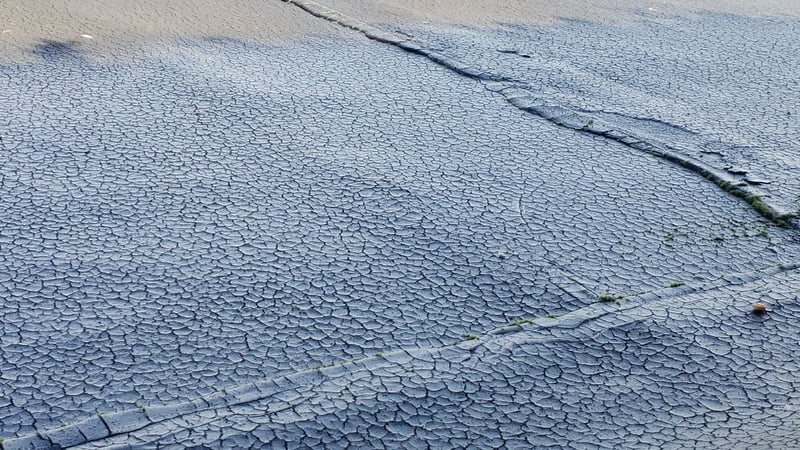
- Inspection: Check for wear or cracking while you’re cleaning. Keep in mind that glass railings can amplify the impact of UV rays, accelerating the degradation of your rooftop deck.
- Deck over membrane
- Inspection: It’s not really practical for homeowners to pull up their deck just to check for damage (unless you suspect there’s an issue). Check for water pooling or leaks near the doorway because those are primary signs of an issue.
Keep an eye on your rooftop deck as you use it or clean it. If you notice signs of an issue or worry that something is wrong, that’s a good time to call in a professional for an inspection.
How much does it cost to repair a rooftop deck in Seattle?
Regular maintenance is one of the best ways to protect your rooftop deck from preventable problems. Keeping leaves, pine needles, dirt, and other debris from accumulating can reduce trapped moisture, help your drainage system work properly, and give you opportunities to spot deterioration before it develops into a more serious leak.
The exact maintenance your deck needs depends on how it was built. An exposed membrane can be relatively straightforward to clean and inspect, while boards or tiles installed over a membrane can hide debris, standing water, and damage underneath. That’s why it’s especially important to pay attention to warning signs like pooling water, slow drainage, deterioration, or leaks near your doorway.
But what happens if you discover that your rooftop deck already has a problem? Your next concern is likely how extensive (and expensive) the repair could be.
Read our article “How Much Does It Cost to Repair a Rooftop Deck in Seattle?” to learn what you may need to budget for repairs and which factors can cause the cost of fixing your rooftop deck to increase.

Frequently Asked Questions About Rooftop Deck Maintenance
1. How often should I clean my rooftop deck in Seattle?
There isn't one cleaning schedule that works for every Seattle rooftop deck. How frequently yours needs cleaning depends largely on how much debris reaches the roof.
A rooftop deck surrounded by trees will typically need more frequent attention because leaves, pine needles, dirt, and other organic material can accumulate quickly. A rooftop deck without nearby trees may be able to go longer between cleanings. The important thing is to prevent debris from sitting long enough to trap moisture and begin decomposing.
2. What happens if leaves and pine needles sit under my rooftop deck?
Leaves, pine needles, moss, dirt, and other debris can collect underneath deck boards or tiles and hold moisture. As the organic material decomposes, the wet debris and resulting buildup can contribute to deterioration of the deck materials.
The problem can be worse with boards installed directly over the membrane because the supports underneath can act like small dams. Debris can't easily move or drain away, creating damp areas beneath the walking surface.
3. How do I clean an exposed rooftop deck membrane?
For the exposed textured membrane discussed in this article, you can use a 3:1:1 mixture of water, bleach, and TSP. Apply the solution, allow it to work for a few minutes, and then rinse it away.
If you're using a pressure washer, keep it on a low-pressure setting gentle enough for your hand. You can also scrub the membrane with a brush and rinse it with a regular garden hose instead of pressure washing.
4. Do I need to remove rooftop deck boards to clean underneath them?
Sometimes, yes. If boards or tiles sit over the roofing membrane without a pedestal system, removing them may be necessary to properly clear accumulated debris.
In some configurations, you may be able to remove boards near a wall and sweep or hose debris toward an accessible location. However, you need to know where that debris will go. Pushing everything toward a small scupper, for example, could clog the drain and create another problem.
5. Are pedestal rooftop decks easier to maintain?
Pedestal-mounted tiles can make maintenance easier because individual tiles are easier to lift and remove. The system also provides more space underneath the walking surface for moisture and debris to drain instead of trapping everything tightly against the deck.
Pedestal systems can be considerably more expensive to install, however. They also aren't maintenance-free. Debris can still accumulate underneath, so the area should still be cleaned periodically.
6. Can trapped debris cause a rooftop deck to rot?
Yes. When wet organic debris remains trapped underneath rooftop deck boards, it can keep the area damp and contribute to deterioration of the boards.
The trapped material can also create a cooler, wetter environment underneath the deck, increasing concerns about moisture and condensation. Regularly clearing this material helps reduce the conditions that can shorten the deck's lifespan.
7. What are the signs that my rooftop deck may have a leak?
For a deck installed over a membrane, two important warning signs are water pooling and leaks near the doorway. These can indicate that something isn't working correctly underneath the deck.
Because the membrane may be hidden beneath boards or tiles, homeowners can't always visually inspect it without removing part of the deck. If you notice pooling, leaking, or another unusual moisture issue, that's a good reason to have the rooftop deck professionally inspected.
8. How should I inspect an exposed rooftop deck membrane?
Inspect the membrane while you're already cleaning it. Look for visible wear, cracking, or deterioration.
Pay particular attention to areas around glass railings. As discussed in this article, glass can amplify the effects of UV rays and accelerate deterioration of the nearby rooftop deck membrane.
9. Can I pressure wash my rooftop deck?
For the exposed membrane described in this article, you can use a pressure washer, but it should be set to low pressure. The spray should be gentle enough that it wouldn't hurt your hand.
Aggressive pressure washing isn't necessary. A brush and regular garden hose can also be used to scrub and rinse the membrane.
10. When should I have a professional inspect my rooftop deck?
You don't necessarily need to pull up an entire deck just to inspect the hidden membrane if there aren't any signs of a problem. Instead, pay attention to the deck whenever you're using or cleaning it.
If you discover pooling water, leaks near a doorway, cracking, unusual deterioration, persistent moisture, or another condition that makes you suspect a problem, that's a good time to call a professional. Catching an issue early can be especially important on rooftop decks because boards and tiles can hide what's happening to the roofing membrane underneath.
Topics:
