

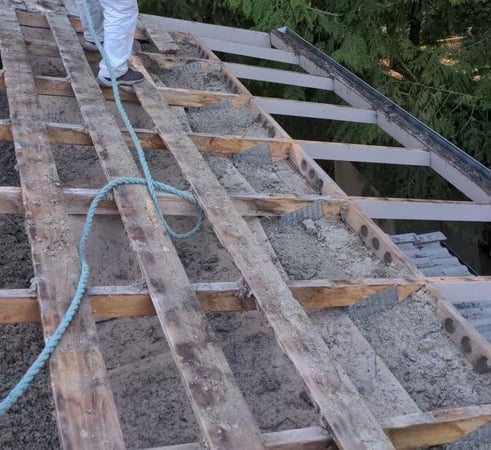
TL;DR: Summary
Bird block vents are intake vents installed along the outer edge of a roof to bring fresh air into the attic while keeping birds and pests out. Bird blocks can stop working when their openings become blocked by insulation, collapsed baffles, paint, or dust, or when there aren’t enough vents installed to provide adequate airflow. Air dams created by improperly installed soffits can also prevent them from functioning correctly.
When bird blocks are blocked or undersized, the attic may not receive enough intake air for the ventilation system to work properly. In Seattle’s damp climate, poor airflow can allow moisture to accumulate, increasing the risk of mold and rotting wood. Homeowners should periodically check that bird blocks remain clear, and that insulation and baffles haven’t shifted into the airflow path.
The key takeaway: Bird block vents can be an effective and affordable intake ventilation option, but they need to remain unobstructed and properly sized. Periodically inspecting them for blockages or other issues can help keep your attic ventilation working properly and reduce the risk of moisture damage.
Do you have bird block vents along your roof and assume your attic is getting enough airflow simply because the vents are there? What if those vents look completely normal from outside, but they’re actually blocked, allowing moisture to build up in your attic and cause damage before you realize anything is wrong?
At RoofSmart, we’ve inspected hundreds of Seattle-area attics where the attic intake ventilation wasn’t providing the ventilation the homeowner expected. The problem is that many of the most common failures happen behind the vent where you can’t see them, and they can develop years after the ventilation system was originally installed.
In this article, I’ll explain how bird block vents work and the most common reasons they stop providing adequate airflow, and what you can do to catch hidden ventilation problems before they contribute to moisture damage in your attic.
What are bird block vents?
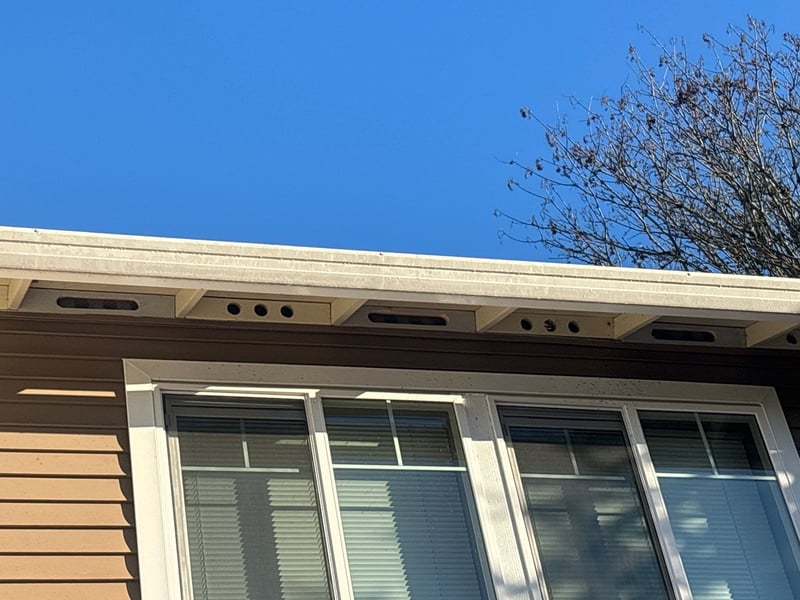
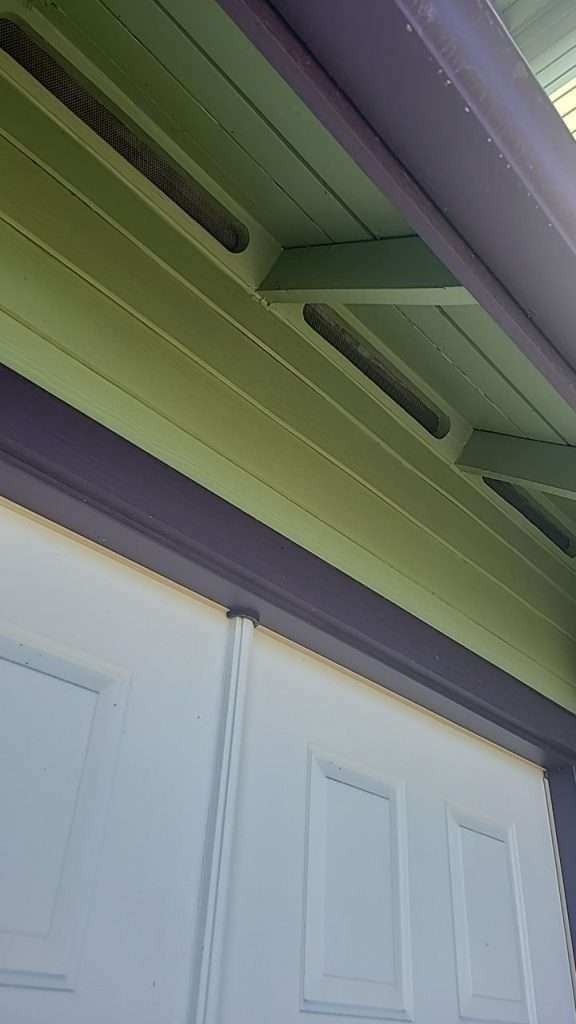
Bird block vents are a type of vent installed along the outer edge of your roof that are used as intake vents to supply air to your attic. They have small openings for air to come in, with a layer of mesh installed behind the openings to keep out birds and other pests.
These are a popular intake vent option because they are fairly cheap and easy to install while still being effective. A lot of homes in Seattle have bird blocks.
Why aren’t my bird block vents working?
Although bird blocks are commonly used in the Seattle area and work well on most houses, it is still possible to experience issues that prevent the bird blocks from letting air into your attic.
Here are some examples of common issues that cause bird blocks to fail:
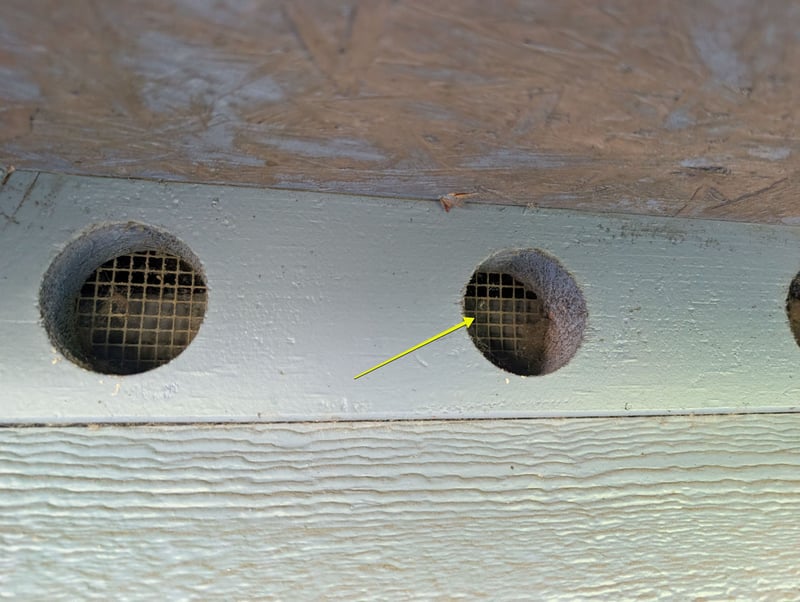
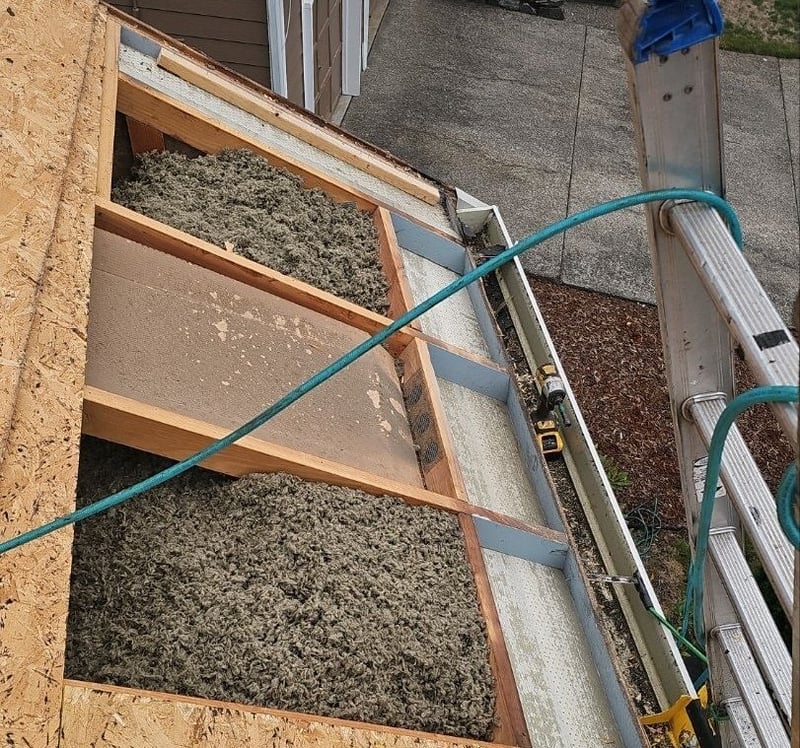
- Blockage: Blockage at the opening of the vent is the main reason that bird blocks fail, but it’s often overlooked because homeowners do not know to look for it, and most roofers do not bother to check in your attic to see if your ventilation is working properly. This means that you can go a long time with blocked intake vents because nobody is checking for that issue. There are four main ways that the vents can get blocked:
- Insulation: There is a phenomenon called wind washing where wind blows up the bird blocks and then stirs the insulation up. Nobody sees it coming, and you cannot really tell when it happens, so it usually goes unnoticed. In the image above, you can see that the bird blocks are partially blocked by the insulation behind them.
- Cardboard Baffles: Baffles are used to push insulation down so that it doesn’t block your intake vents. These are commonly used in new construction, but they collapse when wet, creating a full air dam. They can get wet due to humidity or wind-driven rain. This is another situation where the vents get blocked after installation without anyone noticing.
- Paint: Overspray from painting the soffit can clog the screen on the bird block, reducing the amount of air that comes into the attic.
- Dust: Dust kicks around the attic and blows in through the vent, which acts as a filter. The more dust that gets into the vent, the less air can get into the attic.
- Undersizing: One possible issue that your vents may face is that there aren’t enough of them installed to meet the minimum requirements of the building code. It has changed several times throughout the years, but currently it’s at a 1:150 ratio. This ratio has been chosen to combat widespread mold issues. Make sure that you calculate how much ventilation you need to meet current code.
- Air Dams: This is a common issue in homes with upgraded soffits. Air dams happen when an installer adds a new soffit screen to the roof without removing the original bird blocks, which creates a sealed chamber that traps air and prevents proper ventilation. This can happen when your roofer is unfamiliar with proper attic ventilation practices or somehow did not notice that the roof already had bird blocks.
Having issues with your bird block vents, whether it’s due to poor installation or some kind of blockage, means that your attic ventilation is not working properly. In the Seattle area, this is a huge concern because it means that the moisture getting into your attic isn’t drying out.
Moisture building up in your attic typically leads to mold and rotting wood, which are expensive to deal with and can cause significant damage to your roof if left untouched for too long.
So, if you have bird blocks, it’s important to make sure that they are clear of debris and working properly.
Common Bird Block Vent Failures on Seattle Roofs
| Bird Block Problem | What Causes It | How It Affects Attic Ventilation | What to Do |
|---|---|---|---|
| Insulation blockage | Wind washing moves loose insulation toward the bird blocks | Partially or completely blocks intake airflow | Inspect behind the bird blocks and move insulation away from the openings |
| Collapsed cardboard baffles | Humidity or wind-driven rain gets the cardboard wet and causes it to collapse | Creates an air dam between the bird blocks and attic | Replace failed baffles and restore a clear ventilation path |
| Paint overspray | Soffits are painted without protecting the bird block screens | Paint clogs the mesh and reduces airflow | Protect vents during painting; severely clogged vents may need replacement |
| Dust buildup | Bird block mesh acts like a filter and gradually collects airborne dust | Increasingly restricts intake airflow | Inspect bird blocks periodically; this article recommends checking roughly every 5 to 10 years for dust |
| Too few bird blocks | Ventilation was undersized during installation or requirements have changed | Attic doesn't receive enough intake ventilation | Calculate the ventilation requirements for the attic and determine whether additional intake is needed |
| Air dam from new soffits | New soffit ventilation is added while the original bird blocks remain in place | Creates a trapped chamber that prevents air from reaching the attic | Have the intake assembly evaluated and remove the obstruction between the new vent and attic |
| Blocked insect screen | Paint, dust, or other material accumulates on the required screen | Reduces the vent's effective open area | Keep the screen clear and replace the vent if it can't be adequately cleaned |
| Poor ventilation design | Bird blocks are used without considering the complete intake-and-exhaust system | Intake may be inadequate even if individual vents appear open | Have the complete attic ventilation system evaluated |
| Hidden blockage | Problems develop behind the vent where they aren't visible from outside | Homeowners may assume ventilation is working when it isn't | Inspect the attic side of the vents, not just the exterior |
| Long-term inadequate airflow | Any of the above problems can reduce intake over an extended period | Moisture may remain in the attic, contributing to mold and wood rot | Correct the ventilation problem before moisture damage becomes more extensive |
Are bird block vents right for my roof?
Bird blocks may or may not be the right fit for your home depending on the layout and style of your roof. It’s best to consult with a roofing contractor who is knowledgeable about attic ventilation (and most actually are not!) to help you figure out which attic intake vent is best for you.
Every intake vent is going to have some kind of insect screen because it's required by code. So they're all going to be susceptible to clogging or getting blocked to one degree or another.
If you’re worried about dust, make sure that you check it every 5 to 10 years. It shouldn’t clog faster than that, unless you live on a dirt road. You can also check to see if your baffles are still in good condition and that the insulation or baffles haven’t moved to block the bird blocks.
If you have someone painting near your bird blocks, make sure they’re careful to not paint them. If they do get painted and are too clogged, you’ll have to replace them.
What Is the Best Attic Intake Ventilation for Seattle Homes?
Bird block vents can be an effective and affordable way to bring fresh air into your attic, but simply having them installed doesn’t guarantee that they’re working properly. Insulation, collapsed baffles, paint overspray, dust, undersizing, and poorly designed soffit upgrades can all restrict airflow without creating an obvious problem you can see from outside your home.
If your attic isn’t receiving enough intake air, moisture may not dry out properly, increasing the risk of mold and wood rot over time. Checking the attic side of your bird blocks periodically can help you catch these problems before they contribute to more expensive damage.
Bird blocks also aren’t the only way to provide intake ventilation. Your roof design, existing ventilation system, and the amount of airflow your attic needs can all influence which type of intake vent makes the most sense for your home.
Read our article “Comparing Types of Attic Intake Ventilation: Which Is Best for My Seattle Home?” to see how bird blocks compare with other intake ventilation methods and what you should consider when deciding which option is right for your Seattle-area home.
FAQs About Bird Block Vent Failures
1. What are bird block vents?
Bird block vents are attic intake vents installed along the outer edge of a roof. Small openings allow outside air to enter the attic, while mesh behind those openings helps keep birds, insects, and other pests out.
They're common on Seattle-area homes because they're relatively inexpensive, straightforward to install, and can provide effective intake ventilation when they're properly sized and kept clear.
2. Why do bird block vents stop working?
The most common reason is blockage. A bird block may still look like it's installed correctly from outside while something behind or inside the vent is restricting airflow.
Insulation, collapsed baffles, paint, and dust are four potential causes discussed in this article. Bird blocks can also perform poorly when there simply aren't enough vents for the attic or when another part of the soffit assembly creates an air dam.
3. Can attic insulation block bird block vents?
Yes. Loose insulation can move toward the bird blocks through a process described in this article as wind washing. Wind entering through the vents can disturb the insulation and gradually move it into the ventilation path.
The problem can be difficult to notice from outside. A bird block may look completely normal while insulation behind it is partially restricting the airflow entering the attic.
4. How do attic baffles cause bird block ventilation problems?
Baffles are supposed to keep insulation away from intake vents and maintain an open path for air. However, the cardboard baffles discussed in this article can fail if they become wet from humidity or wind-driven rain.
Once the cardboard collapses, it can create an air dam that blocks airflow from the bird block into the attic. That's why the condition of the baffles matters just as much as whether the exterior vent itself appears clear.
5. Can painting my soffits clog bird block vents?
Yes. Paint overspray can cover the mesh screen behind the bird block openings and reduce the amount of air that can pass through.
If you're having soffits or other areas near bird blocks painted, make sure the vents are protected. If the screen becomes heavily coated with paint and can't be cleared effectively, the affected bird blocks may need to be replaced.
6. Can dust clog bird block vents?
Yes. Because bird blocks contain a screen, the vent can effectively act like a filter. Over time, airborne dust can collect on that screen and gradually restrict airflow.
This article recommends checking bird blocks approximately every 5 to 10 years for dust buildup. Homes exposed to unusually dusty conditions, such as properties along dirt roads, may need to check them more frequently.
7. How do I know if I have enough bird block vents?
Having bird blocks doesn't automatically mean you have enough attic intake ventilation. The system needs to be properly sized for the attic.
This article references a 1:150 ventilation ratio as the current requirement being considered for these projects. Because ventilation requirements and exceptions can vary, the actual attic and complete intake-and-exhaust system should be calculated rather than relying on the number of visible bird blocks alone.
8. What is an air dam around bird block vents?
An air dam can occur when someone installs a new ventilated soffit without accounting for the home's existing bird blocks.
If the old bird blocks remain behind the new soffit system, the two layers can create a sealed or poorly ventilated chamber instead of an open path into the attic. The homeowner may think they've added more ventilation when airflow has actually been restricted.
9. Can blocked bird block vents cause attic mold and roof rot?
They can contribute to the conditions that lead to those problems. Bird blocks provide intake air as part of the attic ventilation system. If they're blocked, the attic may not receive the airflow it was designed to have.
That's especially concerning in Seattle's damp climate. When moisture isn't adequately managed and the attic remains wet, conditions can develop that contribute to mold growth and deterioration of wood roof components.
10. How often should I inspect my bird block vents?
For dust-related clogging, this article recommends checking the vents roughly every 5 to 10 years, unless the home is exposed to unusually dusty conditions.
You should also inspect them after work that could affect ventilation. Check bird blocks if you've had soffits replaced, insulation added, baffles installed, or exterior painting completed. Look beyond the exterior openings and verify that insulation and baffles haven't moved into the airflow path behind the vents.
Topics:
