

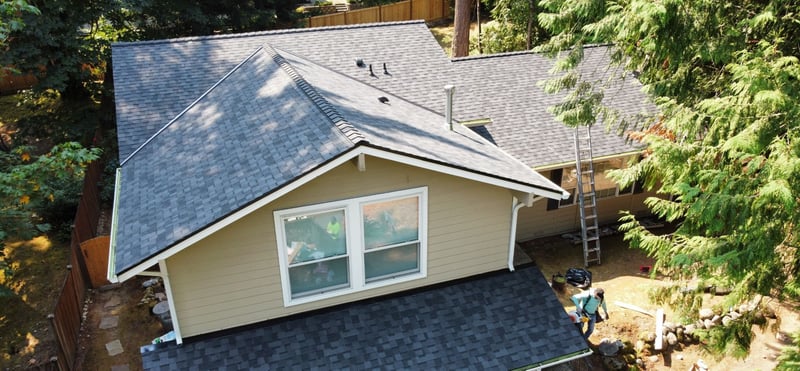
TL;DR: Summary
You can technically sell a home without replacing the roof, but a roof with active leaks, damage, heavy granule loss, cracked shingles, significant moss growth, or advanced age can make the home harder to sell or give buyers a reason to negotiate a lower price. Your roof doesn’t need to be brand new, but addressing obvious problems before listing can make it less of a liability during the sale.
How much work you should do depends partly on the housing market. In a seller’s market, fixing major problems that could interfere with financing may be enough. In a balanced market, repairing visible deterioration can reduce opportunities for buyers to negotiate.
In a buyer’s market, additional improvements may help your home stand out. A new roof can also add value to the home, although how much you should invest depends on your budget, roofing material, and plans for the sale.
The key takeaway: Before selling your home, make sure your roof is in good enough condition that leaks, damage, age, or visible deterioration won’t become an obstacle for buyers. Whether you should repair or replace it depends on the roof’s condition, your local housing market, and how much you’re willing to invest before selling.
Are you getting ready to sell your home but worried that a mossy or worn-out roof could scare buyers away or give them a reason to offer you less? At the same time, are you hesitant to spend tens of thousands of dollars replacing a roof on a house you’re about to leave, and wondering whether you’ll actually get that money back when you sell?
At RoofSmart, we know this decision isn’t as simple as saying every homeowner trying to sell should replace their roof. The amount of work you put into fixing up your roof depends on your roof’s condition, the problems a buyer or inspector is likely to notice, and whether you’re selling in a buyer’s market, seller’s market, or somewhere in between.
In this article, I’ll explain what condition your roof should be in before you list your home, which problems are worth addressing, how a new roof can affect your home’s value, and how the housing market can influence whether you should repair, replace, or upgrade your roof.
What condition does my roof need to be in to sell my house?
You can attempt to sell your house without fixing up your roof, but it might hurt your chances at a sale or decrease the value of your home. Your roof doesn’t have to be totally new, but it should still be in good condition.
If your roof has any of the following issues, it’s probably a good idea to take care of them before putting your house on the market:
- Any kind of damage
- Leaks
- Extremely old age (25+ years for asphalt shingles)
- Heavy granule loss
- Cracked shingles
- Lots of moss growth
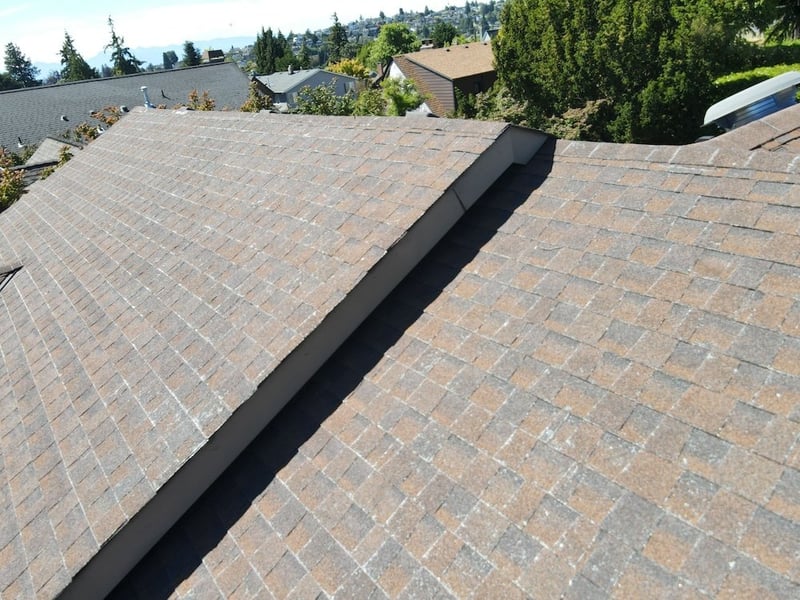
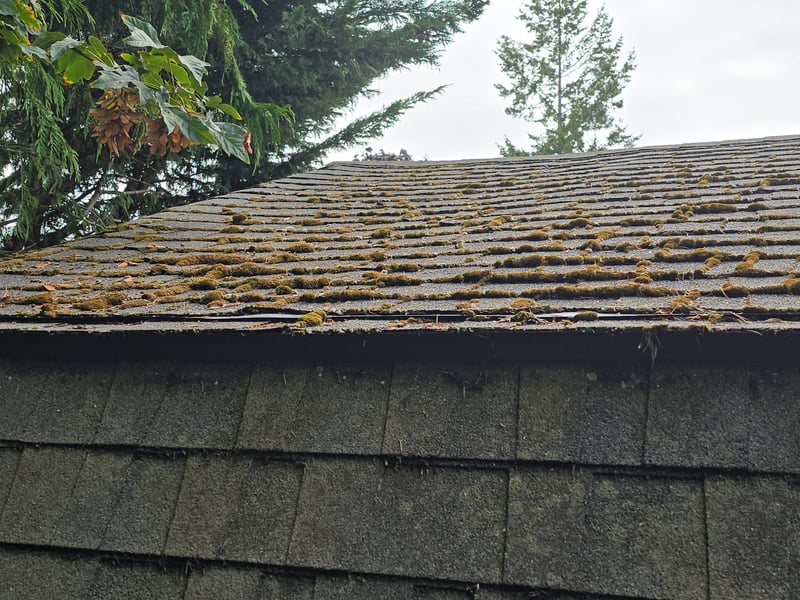
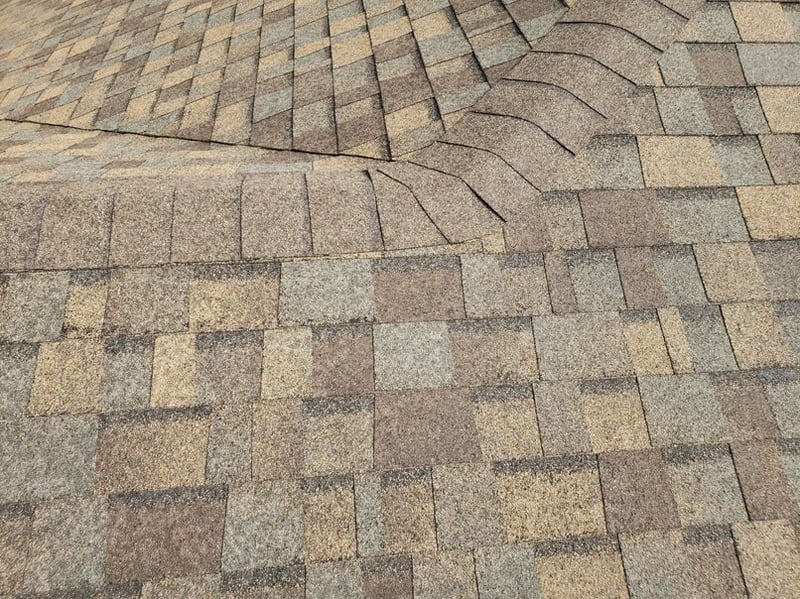
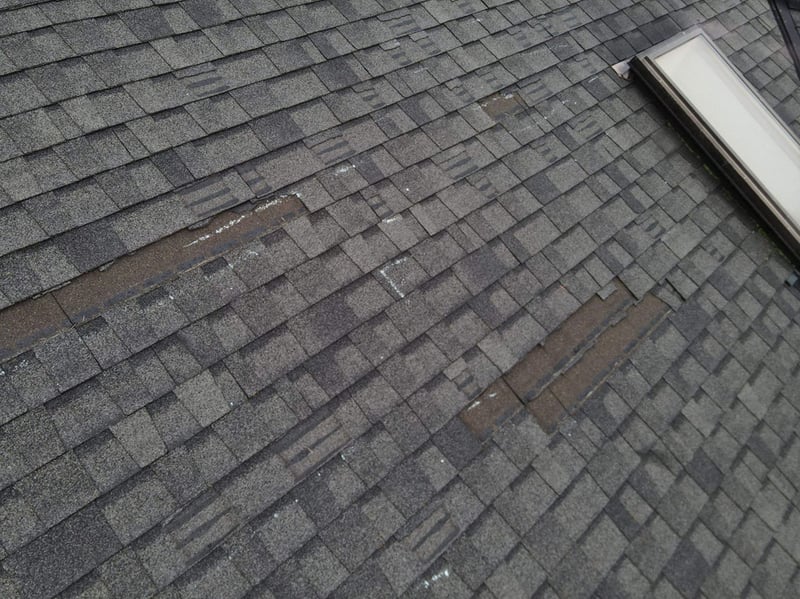
If your roof is clearly in bad shape, then you’re probably going to struggle to sell your home. Even if you don’t entirely replace the roof, making some repairs can go a long way.
Another thing to consider is that a lot of roof warranties transfer to the next homeowner, which gives the buyer some additional peace of mind. If you allow the roof to fall into bad shape and void the warranty, you won’t have that option. This may not make or break a sale, but it can be a useful perk to advertise.
How do I know if I need to repair or replace the roof?
Depending on what kind of market you’re working with, you may need to fix up your roof. There are three different market types: you have the buyer's market, the seller's market, and an equilibrium (where things are balanced and normal).
If you're selling in a buyer's market, that means inventory is moving. Your house needs to be as attractive as possible for somebody to even offer on it. You've got to up your game.
And if you're in a seller's market where there's just not enough supply, you can sell something that's of lower quality, and people will buy it.
Here’s an overview of what you need to do to your roof depending on the market type:
- Seller's Market: In this situation, homes are selling no matter what, so the bare minimum you need to do is fix issues that prevent your buyer from getting financing. The FHA has certain requirements for a home to qualify for its mortgage program. For example, the bath fans are supposed to be connected. They're supposed to actually exit the building. They're not just supposed to blow in the attic. Surprisingly, this is a somewhat common issue. Other things that you want to fix include active leaks and mold.
- Equilibrium Market: For an equilibrium market, if your roof looks ratty or ugly, or it's going bald with excessive granule loss, that shows the buyer that they’ll need to budget for a new roof. They're taking that into consideration when they look at how much you're trying to sell the house for. So if they think the roof is going to cost them 30 grand, then they’ll want a discount on the house. If you're in this kind of market, you don't want any friction slowing up the deal or creating an opportunity for the buyer to ask for a discount. Other things to address are rotting trim boards, gutters that are falling off, or gutters that are clogged.
- Buyer's Market: In a buyer’s market, it's harder to sell a house, so you need to do something to make it stand out. An example of this is adding premium features, like MasterShield gutter guards or a fresh coat of paint. Basically, it costs you more money to sell.
Staying ahead of roof issues and making sure that your home is always in decent condition ensures the roof is always a selling asset, not a liability.
Preparing Your Roof to Sell: Repair vs. Replace by Market Type
|
Selling Situation |
Roof Condition to Aim For |
What to Address Before Listing |
Why It Matters |
|
Seller's market |
Safe, functional, and free of major problems |
Active leaks, mold, ventilation issues that could affect financing, and other significant defects |
Limited inventory may make buyers more accepting of cosmetic roof issues |
|
Equilibrium market |
Functional and visually well-maintained |
Granule loss, damaged shingles, rotting trim, loose gutters, clogged gutters, leaks, and visible deterioration |
Roof problems can give buyers leverage to negotiate the price |
|
Buyer's market |
Well-maintained and competitive with other homes |
Necessary repairs plus potentially worthwhile upgrades |
Buyers have more choices, so visible condition can help your home stand out |
|
25+ year-old asphalt roof |
Professionally evaluated before listing |
Determine whether repairs are worthwhile or replacement makes more sense |
Buyers may assume they'll need to pay for a new roof soon |
|
Roof with active leaks |
Repaired before listing when possible |
Find the leak source and repair resulting damage |
Active leaks can raise concerns about hidden water damage |
|
Roof with heavy granule loss |
Evaluate remaining roof condition |
Determine whether deterioration is localized or widespread |
A visibly “bald” roof signals age and potential replacement costs |
|
Roof with heavy moss |
Cleaned and evaluated for underlying damage |
Address moss and determine whether the roofing material has deteriorated |
Heavy moss can make the roof look neglected |
|
Roof with transferable warranty |
Keep the roof properly maintained |
Verify warranty status and transfer requirements |
A transferable warranty can provide additional reassurance to buyers |
|
Roof needing complete replacement |
Choose an investment appropriate for your selling strategy |
Compare a lower-cost material with premium roofing options |
Spending more may improve appeal, but you need to weigh the investment against the potential return |
How much value does a new roof add?
Although it can be expensive to install a new roof on your home, it can also add to your home’s value by tens of thousands of dollars.
The value added to your home depends on the material that you choose. For example, asphalt shingles are a low-cost roofing material, so they will add the least amount of value. Choosing a top-quality roof material like metal or premium cedar shake will increase the value of your home a lot more than a standard asphalt shingle roof will.
It all depends on how much you want to invest in a home that you’re no longer living in. Some want to choose a lower-cost option, while others want to pay top dollar to make a great sale. Only you can decide what’s best for your situation.
How much does a new roof cost before selling your Seattle Home?
Preparing your roof to sell doesn’t automatically mean replacing it. If your roof is still in good condition, taking care of leaks, moss, damaged shingles, failing gutters, or other visible problems may be enough to keep the roof from becoming a sticking point with potential buyers.
However, an extremely old or deteriorated roof can be harder to work around. Buyers may see a roof approaching the end of its life and immediately start thinking about what replacement will cost them. Depending on the housing market, that could give them a reason to negotiate your asking price or choose another home altogether.
If replacement looks like the better option, your next step is figuring out how much you would actually need to spend to replace the roof.
Read our article “How Much Does a New Roof Cost in Seattle in 2026? Updated Prices & Breakdown” to learn what Seattle-area homeowners can expect to pay for a roof replacement and which factors have the biggest impact on price.
Frequently Asked Questions Preparing the Roof to Sell
1. Do I have to replace my roof before selling my house?
No. Your roof does not have to be brand new to sell your house. However, it should ideally be in good condition without obvious problems such as active leaks, significant damage, cracked shingles, heavy granule loss, or extensive moss growth.
If the roof still has useful life remaining, making targeted repairs may be enough. A full replacement makes more sense when the roof's age and overall condition make smaller repairs unlikely to address buyers' concerns.
2. Can I sell my house with a 25-year-old roof?
You can, but a 25+ year-old asphalt shingle roof may become a concern for potential buyers. Even if it isn't currently leaking, buyers may see its age and assume they'll need to budget for a replacement soon.
Having an older roof evaluated before listing can help you understand its actual condition and decide whether repairing, replacing, or selling it as-is makes the most sense.
3. What roof problems should I fix before selling my home?
Prioritize problems that affect the roof's function or make it look poorly maintained. These can include active leaks, damaged or cracked shingles, heavy granule loss, extensive moss, mold, rotting trim, loose gutters, and clogged gutters.
You don't necessarily need to make the roof perfect. The goal is to address problems that could concern buyers, interfere with financing, or give buyers a reason to negotiate a lower price.
4. Should I repair or replace my roof before selling?
Start by looking at the roof's age and overall condition. An otherwise healthy roof with a few isolated problems may only need repairs. An extremely old roof with widespread deterioration may make replacement more practical.
Your real estate market matters too. You may be able to sell a less-than-perfect roof in a strong seller's market, while a buyer's market may require you to invest more to make your property competitive.
5. How does a bad roof affect my home's selling price?
A visibly deteriorated roof can cause buyers to factor the anticipated cost of replacement into their offer. If they believe they'll immediately need to spend tens of thousands of dollars on a roof, they may ask for a corresponding reduction in the home's price.
Even smaller visible issues can create friction during negotiations. Fixing them beforehand can eliminate some of the reasons a buyer might ask for concessions.
6. Is replacing my roof worth it before selling my house?
It can be, particularly if the existing roof is old or visibly deteriorated enough to become a major objection for buyers. A new roof can improve curb appeal while eliminating an immediate expense that the next homeowner would otherwise have to consider.
However, replacing a roof immediately before moving isn't automatically the best financial choice. Compare the replacement cost with your home's value, market conditions, and how much the improvement is likely to affect the sale.
7. Does a new roof increase home value?
Yes, a new roof can add value to your home. As discussed in this article, a roof replacement can potentially add tens of thousands of dollars to a home's value.
How much value it adds will depend on the home, roofing material, market, and buyer. That doesn't necessarily mean you'll recover the entire cost of the replacement when you sell.
8. Should I install a premium roof before selling my house?
Premium materials such as metal or premium cedar shake may add more perceived value than a standard asphalt shingle roof, but they also require a much larger investment.
Whether that makes sense depends on your home and selling strategy. If you're primarily trying to eliminate an old roof as an objection, a lower-cost replacement may be sufficient. If you're positioning the property as a premium home, investing in a higher-end roof may be more appealing.
9. Does a transferable roof warranty help when selling a home?
It can. If your roofing warranty can be transferred to the next homeowner, it may give prospective buyers additional peace of mind about the roof they're inheriting.
Check the specific warranty before advertising it as transferable because transfer rules can vary. Maintaining the roof properly is also important so you don't jeopardize coverage before selling.
10. Should I have my roof inspected before putting my house on the market?
If the roof is older or you aren't confident about its condition, having it evaluated before listing can help you understand what buyers may encounter later.
This is particularly useful if you see moss, missing or cracked shingles, heavy granule loss, leaks, mold, damaged gutters, or rotting exterior components. Finding those issues before listing gives you the opportunity to decide how to handle them instead of discovering them during the buyer's inspection.
Topics:
