

TL;DR: Summary
Have you been told that you need a Class A fire-rated roof, but don’t really know what that’s supposed to look like?
To maximize fire protection, your roof should combine a Class A roofing material with fire-rated underlayment, ember-resistant vents, and gutter guards that help prevent combustible debris from accumulating.
Many roofing materials, including metal, asphalt shingles, tile, slate, PVC, Brava, and fire-treated cedar shake, can achieve a Class A fire rating when installed with the proper roof assembly.
The key takeaway: if you live in a wildfire-prone area or want the highest level of fire protection, choose a complete Class A roofing system (not just a Class A roofing material) to help safeguard your home from fire.
Are you worried that if a wildfire or house fire reaches your home, your roof could help the flames spread instead of protecting your family? Have you been looking at fire-rated roofing materials but feel unsure whether choosing a Class A roof is enough to make your home truly fire-resistant?
At RoofSmart, we have been roofing in the Greater Seattle area for over 15 years. We have installed thousands of different types of roofs, including on homes in areas that are at a higher fire risk. As roofers, it is our job to make sure that your entire roof meets fire code requirements.
In this article, we'll explain what makes a roof fire-resistant, which roofing materials provide the best fire protection, how Class A fire ratings actually work, and the additional components your roof needs to help protect your home from fire.
What makes a roof fire-resistant?
When choosing a roofing material for your home, it’s important to consider the level of fire safety that it provides. You want to design your home and roof so that fire is not likely to continue spreading when it reaches your home.
This is important for those who live on the edge of town near the forest (also known as wildland urban interface zones) because fires can spread easily from there. You also want to make sure that a house fire doesn’t spread and turn into a wildfire.
Newer building codes require higher fire ratings on buildings, so it’s good to pay close attention to what helps to make your roof fire-resistant. A lot of roof materials are highly rated for fire resistance, but fire resistance depends on the entire roof assembly, not just the covering.
Here are the other assembly components that a roofer should consider when making your roof fire-resistant:
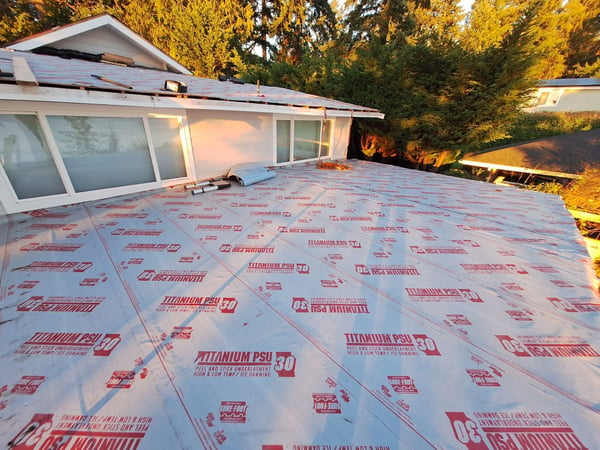
- Underlayment: Synthetic underlayment is required for your roof to classify as fire-resistant. Felt paper underlayment is legally allowed on roofs, but it is NOT rated for fire resistance.
- Vents: Intake vents are a major risk because they can suck burning embers into the home, causing it to catch fire. To prevent this, they must meet California fire code (meaning that they DO NOT suck in burning embers). O'Hagin vents are great because they meet this standard. Most intake vents do not meet this standard, so you have to be careful about which ones you choose.
- Gutter Guards: Debris from trees (leaves and pine needles) can collect in your gutters and ignite from burning embers that fly around, creating a fire ring around your entire roof that catches the rest of your roof on fire.
- Solution: Installing gutter guards can help prevent debris from collecting in the gutter. We recommend MasterShield gutter guards because they are installed at the same slope as the roof, making it easy for debris to fall right off. Other gutter guards sit flat on the roof, so the debris collects on top of that rather than in the gutter.
Roofing Materials and Components That Improve Fire Resistance
|
Roof Component |
How It Improves Fire Resistance |
What to Look For |
Notes |
|
Roofing material |
Slows flame spread and resists ignition |
Class A fire rating |
The roof covering is only one part of the fire-resistant assembly |
|
Underlayment |
Protects the roof deck beneath the roofing material |
Fire-rated synthetic underlayment |
Standard felt underlayment may not provide the same fire resistance |
|
Roof vents |
Prevent burning embers from entering the attic |
Ember-resistant vents |
Especially important in wildfire-prone areas |
|
Gutter guards |
Reduce combustible debris in gutters |
Metal gutter guards that shed leaves and pine needles |
Clean gutters further reduce fire risk |
|
Roof decking |
Supports the roofing system |
Approved roof decking for the roofing assembly |
Some Class A ratings depend on specific decking materials |
|
Flashing |
Helps protect roof penetrations |
Properly installed metal flashing |
Also improves weather resistance |
|
Chimney flashing |
Helps prevent sparks and water intrusion |
Proper flashing and chimney clearances |
Important around wood-burning fireplaces |
|
Roof maintenance |
Removes combustible debris |
Regular cleaning and inspections |
Pine needles and leaves can become fuel for embers |
|
Vegetation management |
Reduces fire exposure around the home |
Trim trees and maintain defensible space |
Especially important near forests or greenbelts |
|
Complete roof assembly |
Determines the overall fire rating |
Components tested together |
Many roofing products only achieve Class A as part of a complete assembly |
Which roofing materials have the best fire resistance?
Pairing a roof material with a Class A fire rating and a fire-resistant roof assembly is an excellent way to make sure that your home is protected, especially in a wildland urban interface zone.
These are all examples of Class A fire-rated materials:
- Metal
- Asphalt Shingles
- PVC Membrane
- Tile
- Slate
- Fire-treated Cedar Shake
- Brava
Diving into specific brands and styles can change this rating. Some materials are Class A all by themselves, while others require specific elements to be included when building the whole roof to make them meet Class A requirements.
Any of these options are great for protecting your roof, and there is a wide variety of different materials, so you can easily find something that meets your budget and aesthetic preferences.
Metal is a good choice if you have a higher budget and want something that will work well. Asphalt shingles are the most budget-friendly option. Fire-treated cedar shake will be expensive because you have to treat the shakes and get the right roof assembly, but if you really want to have actual cedar shake, it can be done.
What does it mean when roofing materials have a Class A fire rating?
Class A is the highest fire rating that any roofing material can get, but what does it really mean? These materials undergo rigorous testing, and when they’re awarded a Class A rating, it means that they do well in severe conditions and have the best resistance to catching fire and spreading flames.
The test simulates fire embers landing on the roof (because that’s how most fires start), and the roof must protect the deck below from catching fire,
A roofing material can also have a Class B or Class C fire rating, which means that they are not as good at resisting flames as the roof materials. These are not acceptable materials to use if you need to be cautious about fire resistance in your roof.
When you are looking at roofing materials online, they list the fire rating and other information on the website, so it is easy to quickly find this information. Make sure to distinguish between materials that reach Class A on their own and materials that need a particular roofing assembly to reach Class A status.
How do you choose a roofing contractor who knows how to build a fire-resistant roof?
Creating a fire-resistant roof involves much more than just choosing a Class A roofing material. As you've learned, the entire roof assembly (including the underlayment, vents, gutter guards, flashing, and even ongoing maintenance) works together to help prevent fire from spreading.
That's why choosing the right roofing contractor is just as important as choosing the right roofing products. A knowledgeable roofer understands how each part of the roofing system contributes to your home's fire resistance and can recommend the right assembly for your home's location, building code requirements, and budget.
Read our article “Is Your Seattle Roofer Actually Good? Here’s How to Tell Before It’s Too Late” to learn how to evaluate a roofing contractor's experience, certifications, inspection process, and technical knowledge so you can confidently hire someone who will build a roof that's designed to protect your home for decades to come.
Frequently Asked Questions About Fire-Resistant Roofs
1. What does a Class A fire-rated roof mean?
A Class A fire rating is the highest fire-resistance classification available for roofing materials and roof assemblies. It indicates the roof has been tested to resist flame spread, withstand severe fire exposure, and help prevent burning embers from igniting the roof deck below.
2. Is the roofing material the only thing that determines fire resistance?
No. Fire resistance depends on the entire roof assembly, including the roofing material, underlayment, roof decking, ventilation products, flashing, and how everything is installed. A Class A roof is often the result of all these components working together.
3. Which roofing materials typically have a Class A fire rating?
Many common roofing materials can achieve a Class A fire rating, including:
- Asphalt shingles
- Metal roofing
- Concrete tile
- Clay tile
- Slate
- PVC roofing membranes
- Fire-treated cedar shake
- Some synthetic roofing products
Always verify the manufacturer's fire rating for the exact product being installed.
4. Why are ember-resistant vents important?
During a wildfire, most homes ignite from wind-blown embers rather than direct flames. Ember-resistant vents are designed to reduce the chance of burning embers entering the attic, where they could ignite insulation, framing, or stored materials.
5. Can clogged gutters increase fire risk?
Yes. Dry leaves, pine needles, and other debris collected in gutters can ignite if hot embers land on them. Keeping gutters clean or installing effective gutter guards can reduce the amount of combustible material around the roof edge.
6. Does underlayment affect my roof's fire rating?
Yes. Many fire-rated roofing systems require a specific type of underlayment as part of the tested roof assembly. Using the wrong underlayment may reduce the overall fire rating or prevent the roof from qualifying as a Class A system.
7. Do homes in the Seattle area need fire-resistant roofs?
Most homes benefit from fire-resistant roofing, but it's especially important for homes located near forests, greenbelts, or other wildland areas where wildfire exposure is greater. Local building codes may also require higher levels of fire protection in certain locations.
8. Can an older roof be upgraded to improve fire resistance?
In many cases, yes. During a roof replacement, homeowners can upgrade to fire-rated roofing materials, install ember-resistant vents, improve underlayment, replace aging flashing, and add other components that improve the overall fire performance of the roof.
9. Does a Class A roof make my home fireproof?
No. A Class A roof greatly improves a home's ability to resist fire, but no roofing system is completely fireproof. Fire-resistant roofs are designed to slow ignition and reduce flame spread, giving occupants more time and helping firefighters protect the structure.
10. Besides the roof itself, what else can homeowners do to improve fire resistance?
A comprehensive fire protection strategy includes:
- Keeping gutters free of leaves and pine needles
- Trimming overhanging tree branches
- Removing combustible debris from the roof
- Maintaining defensible space around the home
- Installing ember-resistant roof vents
- Following local building codes for fire-resistant construction
Together with a properly designed Class A roof assembly, these steps can significantly improve a home's ability to withstand wildfire exposure.
Topics:
